
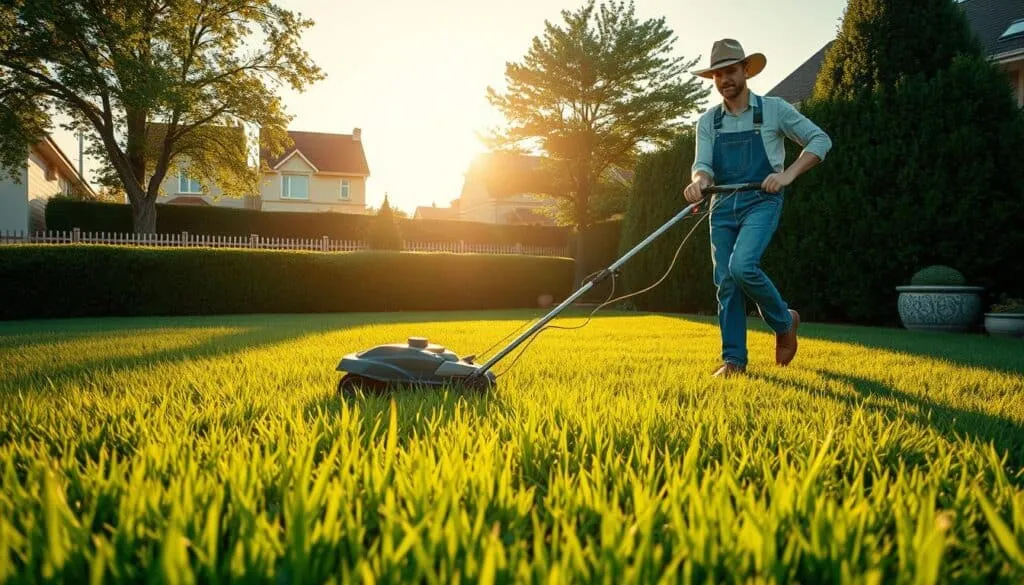
Have you ever wondered if cutting your lawn actually makes it healthier? Many homeowners assume regular trimming simply keeps their yard neat. But what if I told you this routine task could dramatically transform your turf’s vitality?
Through years of maintaining my property, I’ve discovered surprising truths about turf care. The relationship between cutting frequency and plant development isn’t what most people expect. Proper techniques can stimulate remarkable improvements in your landscape’s health.
I’ll share personal observations about how different approaches affect turf quality. The right strategy creates lush, resilient ground cover that withstands various conditions. It’s not just about appearance – it’s about building stronger root systems.
Key Takeaways
- Regular trimming encourages thicker, healthier turf development
- Maintaining optimal blade length is crucial for different turf varieties
- Soil condition significantly impacts how cutting affects plant health
- Consistent maintenance schedules promote long-term lawn vitality
- Equipment selection plays a key role in achieving quality results
- Proper techniques can stimulate root growth and overall resilience
Understanding How Mowing Affects Grass Growth
Many homeowners view lawn maintenance as purely cosmetic. They don’t realize this routine activity triggers powerful biological responses in their turf. The relationship between cutting and plant development involves complex physiological processes.
Through my experience, I’ve observed how proper techniques stimulate remarkable improvements. Different approaches yield dramatically different results in turf density and resilience. Understanding these mechanisms transforms how we approach lawn care.
The Science Behind Grass Response to Cutting
Turfgrass species possess incredible adaptive capabilities. When you trim the blades, plants activate their survival mechanisms. This triggers increased tillering – the production of new lateral shoots.
The energy allocation system redirects resources toward horizontal expansion. This creates a tighter surface canopy and more resilient turf structure. Different grass types exhibit unique responses based on their growth habits.
Sharp mower blades create clean cuts that heal quickly. Dull blades tear plant tissue, causing stress and slowing recovery. Proper equipment maintenance significantly impacts the plant’s ability to bounce back.
Why Regular Mowing Encourages Thicker Lawns
Consistent trimming stimulates the growth system to produce more shoots. This process develops denser turf that naturally resists weed invasion. The frequency of cutting influences how plants allocate their energy.
Regular maintenance helps keep grass healthy by promoting vigorous growth patterns. It reduces disease susceptibility by improving air circulation. Different grass types require specific approaches for optimal results.
Understanding your specific turf variety is crucial for success. Cool-season and warm-season grasses have different needs. Proper techniques contribute significantly to overall lawn quality and appearance.
The right approach creates lush, resilient ground cover that withstands various conditions. It’s not just about appearance – it’s about building stronger root systems. This foundation supports long-term lawn health and vitality.
Does Mowing Help Grass Grow? My Personal Findings
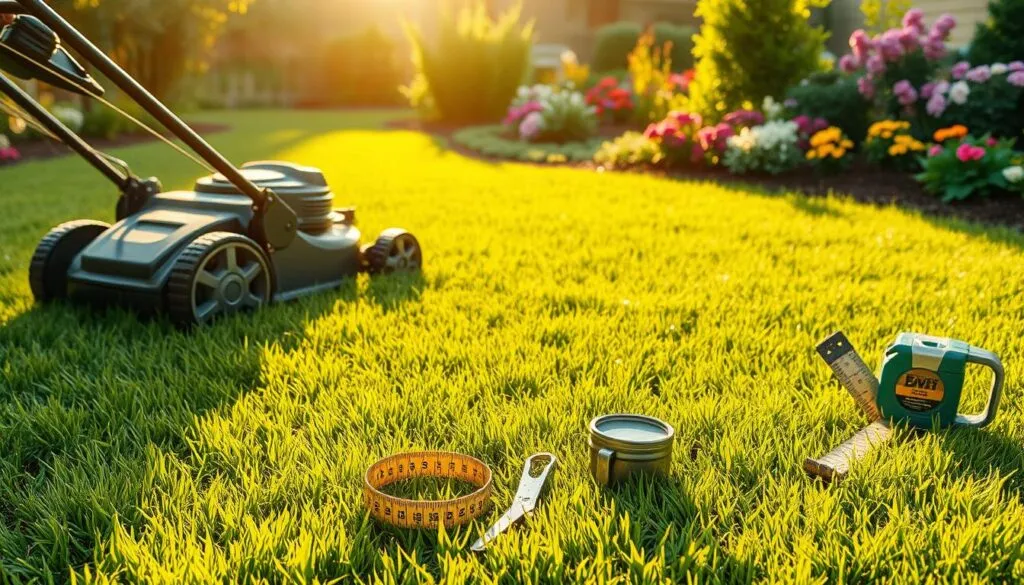
Through trial and error across multiple properties, I’ve developed a unique perspective on turf maintenance. My observations challenge many common beliefs about trimming schedules and their effects on plant health.
What I’ve Learned From Years of Lawn Care
Consistent trimming schedules create remarkable differences in turf density. I’ve maintained both weekly and bi-weekly routines on identical grass types.
The more frequent approach consistently produced thicker, healthier results. This pattern held true across cool-season and warm-season varieties.
Soil conditions dramatically influence how trimming affects plant development. Rich, well-drained earth responds better to regular maintenance.
I’ve found that proper timing makes a significant impact too. Early morning or late afternoon sessions yield the best recovery rates.
“Frequent cutting encourages lateral growth rather than vertical stretching. This creates that coveted carpet-like appearance homeowners desire.”
The most effective approach integrates trimming with other maintenance practices. This holistic method delivers superior long-term results.
Common Misconceptions About Mowing Frequency
Many believe that less frequent cutting saves time and effort. My experience proves the opposite actually occurs.
Infrequent sessions require removing more growth at once. This stresses plants and slows their recovery process.
Another myth suggests that longer intervals promote deeper roots. I’ve measured root systems under different schedules.
Regular, proper maintenance actually encourages stronger root development. The consistent stimulation keeps the entire plant active and healthy.
Some think clippings must be collected every time. Leaving them provides natural nutrition as they decompose.
I’ve discovered the optimal way involves matching frequency to growth rates. During peak seasons, this might mean multiple sessions weekly.
The best lawn care approach views trimming as a growth tool rather than just maintenance. This mindset shift transforms results dramatically.
The Right Mowing Height for Optimal Growth
Finding the perfect cutting elevation transformed my turf’s health dramatically. Through years of experimentation, I learned that blade length significantly impacts overall lawn vitality. The relationship between cutting height and plant development surprised me with its importance.
Proper elevation management affects everything from root depth to weed resistance. I’ve observed how different settings create distinct results in turf quality. Getting this right makes all other maintenance practices more effective.
Why 3 Inches is the Magic Number for Most Lawns
Maintaining a three-inch height provides multiple benefits for residential turf. This length creates natural shading that prevents weed seeds from germinating. The additional leaf surface also promotes better photosynthesis.
Taller grass means deeper roots and improved drought tolerance. I’ve measured root systems under different height regimens. The three-inch standard consistently produced the most extensive root networks.
This elevation helps soil retain moisture and stay cooler during hot months. The canopy protection reduces water evaporation significantly. Your lawn becomes more resilient to temperature extremes.
“The difference between a good lawn and a great lawn often comes down to consistent height management. Proper elevation supports the entire ecosystem beneath the surface.”
Adjusting Height for Different Grass Types
Various turf varieties require specific cutting elevations for optimal health. Cool-season and warm-season grasses have different ideal ranges. Understanding your specific type is crucial for success.
I’ve maintained multiple grass varieties across different properties. Each type responds uniquely to height adjustments. The table below shows recommended ranges based on my experience:
| Grass Type | Recommended Height | Special Considerations |
|---|---|---|
| Kentucky Bluegrass | 2.5-3.5 inches | Tolerates lower cutting but performs best at higher elevations |
| Bermuda Grass | 1-2 inches | Requires frequent cutting at lower heights for optimal density |
| Fescue Varieties | 3-4 inches | Higher elevation improves heat and drought tolerance significantly |
| Zoysia Grass | 1-2.5 inches | Maintains density better at lower heights during active growth |
Seasonal adjustments sometimes become necessary for certain types. During stress periods, raising the cutting height helps plants recover. Always stay within recommended ranges for your specific variety.
The Dangers of Scalping Your Lawn
Cutting too short creates immediate stress for turf plants. Scalping removes too much leaf tissue, reducing photosynthesis capacity. The plants must divert energy from root development to regenerate blades.
I’ve seen scalped lawns struggle with weed invasion and disease susceptibility. The exposed soil provides perfect conditions for unwanted plants. Recovery takes weeks and requires careful rehabilitation.
This practice can cause long-term damage to your turf’s health. Repeated scalping weakens the entire plant system. It becomes less resilient to environmental challenges.
Proper elevation management helps keep grass healthy and vigorous. The right height supports strong root development and natural weed suppression. Your lawn maintains better color and density throughout the season.
Always remove no more than one-third of leaf tissue during any session. This prevents shock and maintains continuous growth patterns. Your mower settings should reflect this important principle.
Essential Mowing Techniques for Healthy Grass
Mastering proper cutting methods transformed my turf maintenance results more than any other factor. The difference between adequate and exceptional lawn quality often comes down to technique execution. I’ve discovered specific approaches that maximize plant health while minimizing recovery time.
These methods work across various turf types and climate conditions. They create resilient, dense coverage that withstands seasonal challenges. Implementing them consistently yields remarkable improvements in overall landscape vitality.
The One-Third Rule: Never Remove Too Much at Once
This principle became my most valuable lesson in turf management. Removing more than one-third of leaf tissue shocks plants severely. They must redirect energy from root development to blade regeneration.
I maintain this rule regardless of growth speed or season. It prevents stress and maintains continuous development patterns. The approach keeps plants strong during challenging weather conditions.
This way of cutting supports long-term health beautifully. It’s among the most effective tips I’ve discovered through years of practice. Your lawn maintains better color and density when following this guideline.
Alternating Mowing Patterns for Upright Growth
Changing direction each session prevents grass from leaning in one direction. This encourages vertical shoot development and thicker turf density. I alternate between north-south and east-west patterns consistently.
The technique also reduces soil compaction from repeated wheel tracks. It distributes wear evenly across the entire surface area. Your grass develops more uniform appearance and strength.
“Pattern variation stimulates upright growth rather than matted, horizontal spreading. This creates the professional-quality stand that resists disease and weed invasion.”
Best Times of Day to Mow Your Lawn
Time selection significantly impacts plant recovery speed. I prefer late afternoon sessions after dew has evaporated completely. This timing allows overnight healing before next-day sun exposure.
Early morning mowing can spread fungal spores through wet grass. Midday heat stresses plants immediately after cutting. The ideal time balances dry conditions with cooler temperatures.
These care considerations make noticeable differences in results. They complement other lawn care practices for comprehensive turf health. Your mowing lawn routine becomes more effective with proper timing.
Sharp mower blades enhance all these techniques dramatically. Clean cuts heal faster and reduce plant stress significantly. Combine these methods for exceptional turf quality season after season.
Mower Maintenance for Clean Cuts
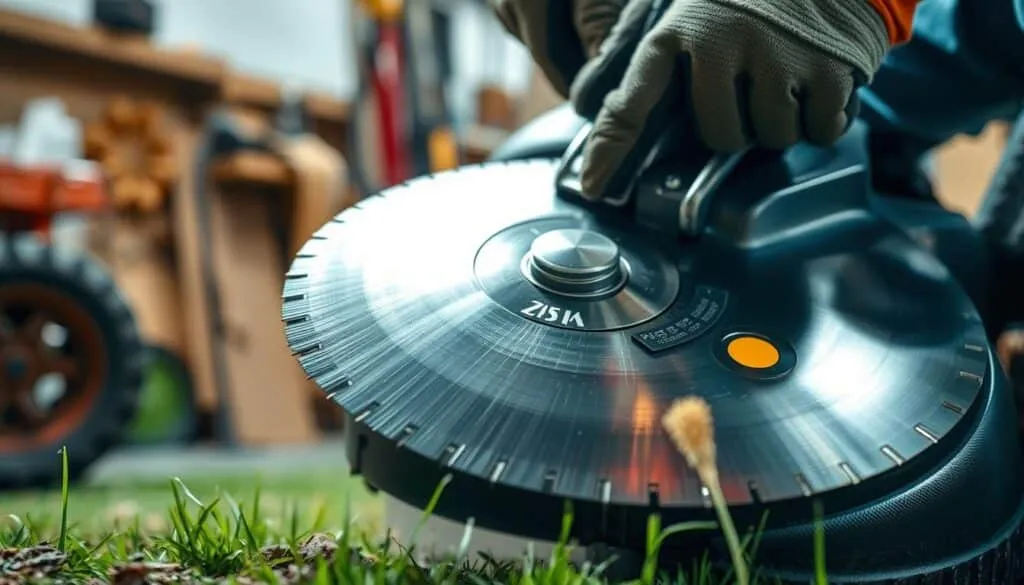
Proper equipment upkeep became my secret weapon for achieving professional turf results. I learned that machine condition impacts plant health as much as cutting frequency. The right maintenance approach ensures consistent performance season after season.
Keeping Blades Sharp for Healthy Grass
Sharp cutting edges create clean slices that heal rapidly. Dull blades tear plant tissue, causing stress and slowing recovery. This damage makes plants vulnerable to environmental challenges.
I make sure to inspect blades before each major cutting session. Regular sharpening maintains optimal performance. The quality of each cut directly affects how well turf recovers.
Clean slices help plants conserve moisture effectively. They reduce water loss through damaged tissue areas. This natural protection minimizes irrigation needs significantly.
“A sharp blade is like a surgeon’s scalpel – it heals quickly with minimal trauma. Dull blades tear like a rusty knife, creating entry points for trouble.”
I’ve developed a simple system to make sure blades stay sharp. Monthly sharpening works for most residential properties. Heavy use periods may require more frequent attention.
Choosing the Right Mower for Your Lawn Size
Equipment selection should match your property’s characteristics. Small yards benefit from lightweight, maneuverable options. Larger spaces need more powerful machines with wider cutting paths.
I consider turf type when selecting equipment too. Some grasses require specific cutting mechanisms. Rotary mowers work for most varieties while reel mowers suit certain fine-bladed types.
The right mower makes maintenance easier and more effective. It should feel comfortable during operation. Proper size matching reduces fatigue and improves results.
Here’s how I match equipment to property size:
- Under 1/4 acre: Lightweight push mower or electric model
- 1/4 to 1/2 acre: Self-propelled mower with medium power
- Over 1/2 acre: Riding mower or commercial-grade equipment
This way of selecting equipment ensures efficient operation. The right machine reduces time spent while improving cut quality. Your lawn benefits from appropriate tool selection.
Regular maintenance keeps any mower performing optimally. I clean underdeck areas after each use. This prevents grass buildup and corrosion issues.
Sharp blades combine with proper equipment for excellent results. They reduce disease susceptibility by creating clean wounds. Your grass stays healthier through proper mechanical care.
Seasonal Mowing Strategies
Adapting your approach throughout the year creates remarkable differences in turf quality. I’ve learned that successful maintenance requires understanding nature’s rhythms. Each period brings unique challenges and opportunities for improvement.
The right adjustments keep plants strong during changing conditions. My experience shows how timing affects recovery and resilience. Seasonal awareness transforms routine cutting into strategic growth management.
Spring and Summer Mowing Adjustments
Spring growth demands more frequent attention as plants awaken. I increase cutting frequency during peak development periods. This controls rapid vertical expansion while encouraging lateral spread.
Cool-season varieties benefit from lower height settings in late spring. I reduce elevation to the minimum recommended range. This approach maintains density while preventing excessive thatch buildup.
Summer heat requires protective strategies for turf survival. I raise cutting height by one inch during mid-summer months. The extra leaf length provides natural cooling and moisture retention.
This simple change reduces heat stress significantly. The plants handle drought conditions much better. Your lawn maintains better color through challenging weather.
When to Stop Mowing in the Fall
Autumn signals the gradual slowdown of growth activity. I continue regular sessions until growth completely stops. This usually occurs around late October in most regions.
The final cuts prepare plants for winter dormancy. I maintain optimal height rather than cutting shorter. This protects crown health during cold months ahead.
“The last cut of the season sets the stage for spring revival. Proper height management prevents winter damage and disease issues.”
I watch for slowed growth rates as temperatures drop. The reduced frequency matches the plant’s natural cycle. This time-sensitive approach supports healthy dormancy transition.
Winter Preparation Through Proper Mowing
Final autumn sessions focus on winter resilience preparation. I ensure the last cut leaves grass at ideal height. This minimizes disease risks under snow cover.
The right elevation prevents matting and fungal problems. I clean the mower thoroughly after the final session. Sharp blades ensure clean cuts that heal before frost arrives.
This comprehensive approach addresses multiple winter challenges:
- Proper height reduces ice damage susceptibility
- Clean cuts prevent open wounds during dormancy
- Removed clippings minimize thatch accumulation
- Sharp blades ensure precise elevation management
Seasonal mowing lawn strategies integrate with other lawn care practices. They create year-round protection for your turf investment. The right approach each season builds lasting health and beauty.
Beyond Mowing: Complementary Lawn Care Practices
Proper turf maintenance extends far beyond regular cutting schedules. I discovered that comprehensive care involves multiple interconnected practices. These methods work together to create truly resilient landscapes.
Through experimentation, I learned how different elements support each other. The right combination produces remarkable results that surpass any single technique. This holistic approach transformed my property’s health completely.
The Role of Grass Clippings in Lawn Nutrition
Leaving clippings on the surface provides natural nourishment as they break down. This practice adds valuable organic matter to your soil composition. The decomposition process releases essential elements back into the earth.
These recycled clippings contribute significant nutritional value annually. They minimize chemical fertilizer requirements while improving soil structure. This natural approach reduces environmental impact beautifully.
I’ve measured the difference between collecting and leaving clippings. The latter method consistently produces richer, darker turf coloration. The plants demonstrate improved vigor and density over time.
Watering Techniques That Support Mowing Benefits
Proper hydration practices complement cutting routines perfectly. Deep, infrequent sessions encourage stronger root development downward. This approach creates drought-resistant turf that withstands summer heat.
I schedule irrigation for early morning hours exclusively. This timing reduces evaporation loss and fungal disease risks. The moisture penetrates deeply before daytime temperatures rise.
My experience shows that consistent depth matters more than frequency. The right amount supports recovery after cutting sessions. This balance prevents stress while promoting vigorous growth.
“Smart irrigation practices transform good turf into exceptional turf. The right water management supports every other maintenance technique you implement.”
Aeration and Fertilization for Complete Lawn Health
Annual aeration relieves soil compaction that restricts root expansion. This process allows better air, water, and nutrient penetration downward. I’ve observed dramatic improvements in turf resilience afterward.
Fertilization strategies should match your specific grass variety needs. I select products based on soil test results and seasonal requirements. The right nutrients support growth between cutting sessions effectively.
These practices work together to create a thriving ecosystem beneath the surface. They reduce weed competition by promoting dense turf coverage. Your landscape becomes naturally resistant to common problems.
I integrate these methods into a seasonal schedule for optimal results. Each practice supports the others in building sustainable turf health. The combination delivers professional-quality results consistently.
Conclusion: Putting It All Together for a Lush Lawn
Creating a vibrant, resilient landscape involves more than just routine upkeep. It’s about integrating smart practices into a complete care system.
Proper cutting techniques support overall turf health and vitality. When combined with fertilization and watering, they enhance your lawn‘s natural growth processes.
This holistic approach helps keep lawn surfaces dense and weed-resistant. It also improves soil quality over time.
My best tips focus on consistency and attention to detail. The right way to maintain beautiful lawns involves seasonal adjustments and sharp equipment.
Ultimately, viewing maintenance as part of a broader strategy yields the healthiest results. Your efforts create an environment where turf thrives naturally.
FAQ
Does cutting my lawn actually help it grow thicker?
Yes, it does. When I mow correctly, I stimulate the turf to spread and fill in bare spots. This leads to a denser, healthier lawn over time.
How short should I cut my grass for the best results?
I keep mine around three inches tall. This height protects the soil, shades out weeds, and supports strong root development.
Can mowing too often harm my lawn?
Absolutely. I avoid cutting too frequently or removing more than one-third of the blade at once. Over-mowing stresses the plants and can invite disease.
What’s the best time of day to mow?
I prefer late afternoon or early evening. The sun is less intense, which reduces stress on the grass and helps it recover faster.
Should I bag or mulch my clippings?
I always mulch. Leaving fine clippings returns valuable nutrients to the soil, acting as a natural fertilizer and improving lawn health.
How does mower maintenance impact my lawn’s growth?
Sharp blades are crucial. I make sure my mower cuts cleanly instead of tearing the grass, which minimizes damage and supports quicker recovery.
When should I stop mowing for the winter?
I usually mow until growth stops, often after the first hard frost. A final cut at a moderate height helps protect the turf during dormancy.