
Could the secret to a perfect, healthy lawn be hiding inside your equipment’s engine? Many homeowners focus on watering and fertilizing, but the true hero of lawn care is often overlooked. Your machine’s performance, reliability, and lifespan depend on a simple yet critical choice.
Using the correct lubricant is not just a suggestion—it’s a necessity for engine health. The wrong choice can lead to increased wear, overheating, and even permanent damage. Your equipment requires specific formulations designed for small engines, which differ greatly from standard automotive motor oil.
This guide will demystify the selection process. We’ll explore how factors like engine design and local climate determine the best lubricant for your machine. Understanding this ensures your mower starts easily, runs smoothly, and provides years of dependable service for your yard.
Key Takeaways
- Using the correct oil is essential for your mower’s performance and longevity.
- Lawn mower engines need special oil, not standard car motor oil.
- The right oil depends on your engine type and the temperature where you live.
- Most modern mowers have four-stroke engines that need regular oil changes.
- Always check your operator’s manual for the specific oil capacity and type.
- Proper oil maintenance leads to reliable starting and smooth operation.
Understanding Your Lawn Mower’s Oil Requirements
The foundation of proper maintenance begins with recognizing which power system your cutting machine utilizes. This knowledge directly impacts which lubricants will keep your equipment running smoothly.
Differences Between Two-Stroke and Four-Stroke Engines
Two-stroke engines combine fuel and lubricant in a single mixture. They burn this combination during operation, requiring oil that combusts cleanly. You’ll either mix it with gasoline or use a separate reservoir.
Four-stroke engines are more common in modern equipment. They circulate lubricant through a dedicated system without burning it. This design needs formulations focused on long-term protection rather than clean combustion.
How Engine Type Influences Oil Choice
Using the wrong lubricant for your engine can cause serious damage. Two-stroke formulations contain special additives for clean burning. Four-stroke products emphasize durability and heat resistance.
Always check your operator’s manual before purchasing any products. The manufacturer specifies the exact requirements for your specific model. This ensures optimal performance and prevents costly repairs.
Understanding these fundamental differences protects your investment. It also guarantees reliable operation season after season.
What Type of Oil Does a Lawn Mower Use
Your cutting machine’s longevity depends heavily on selecting the right viscosity grade for your climate conditions. The SAE system provides a standardized method for identifying lubricants that perform optimally across different temperature ranges.
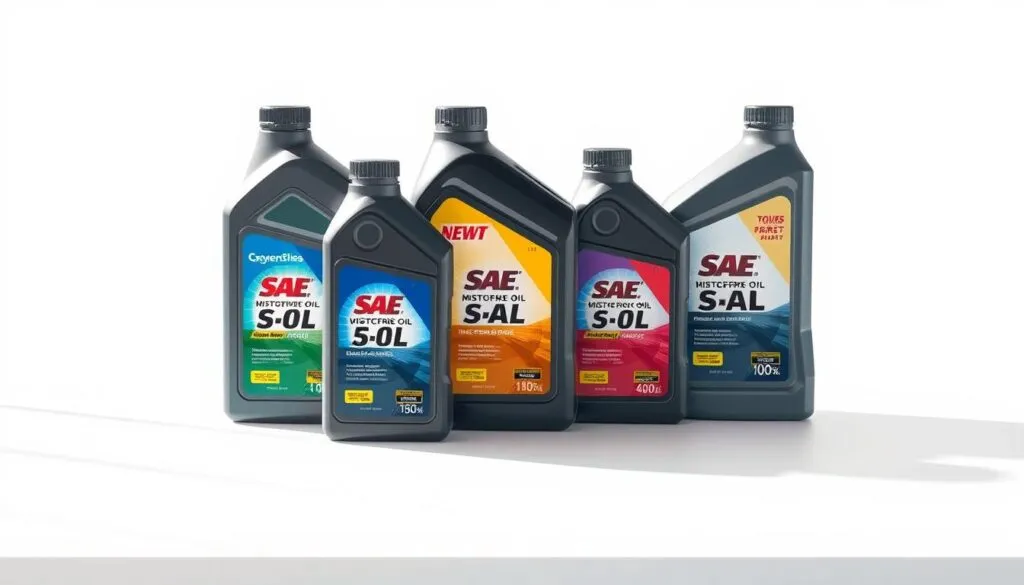
Overview of Recommended SAE Classifications
SAE 30 works best in warmer conditions above 40°F. This common lubricant ensures smooth operation but may cause hard starting in colder temperatures.
For seasonal versatility, SAE 10W-30 handles a varying temperature range from 0 to 100°F. It improves cold-weather starting while maintaining protection during warmer months.
Synthetic SAE 5W-30 offers superior all-around performance. It flows easily in cold temperatures and provides excellent heat resistance, making it ideal for extreme climate conditions.
The “W” in these classifications indicates winter flow properties. Lower numbers before the W mean better cold-weather performance for immediate engine lubrication.
Manufacturers like Briggs & Stratton recommend specific grades based on your local climate. Always consult your operator’s manual for the optimal formulation for your equipment.
Selecting the Right Oil for Your Engine and Climate
Beyond engine type, your local weather patterns are the next critical factor in oil selection. The correct viscosity ensures easy starts and smooth operation.
Cold climates benefit from lower viscosity grades. Synthetic 5W-30 flows easily in chilly conditions for quick lubrication.
Warmer regions need formulations that resist thinning. A 15W-50 synthetic oil maintains stability under high heat.
Best Oil Options for Varying Temperature Ranges
Your equipment’s performance changes with the seasons. Matching your lubricant to the temperature is essential.
For consistent operation above 80°F, synthetic oils prevent increased consumption. They offer superior heat resistance.
In cold snaps below 40°F, a synthetic 5W-30 guarantees reliable starting. It provides immediate engine protection.
Benefits of Using Synthetic Versus Mineral Oil
Synthetic oil delivers advanced performance across all temperatures. It is engineered for consistent quality and durability.
When you use synthetic oil, you gain better cold-weather flow and high-temperature stability. This leads to reduced wear and lower oil consumption.
Briggs & Stratton recommends their synthetic formulations for warranty compliance and maximum protection.
| Feature | Synthetic Oil | Mineral Oil |
|---|---|---|
| Cold Weather Starting | Excellent | Fair to Poor |
| High-Temperature Stability | Superior | Moderate |
| Engine Wear Protection | Enhanced | Basic |
| Fuel Consumption | Can reduce by 1-6% | Standard |
While the initial cost is higher, synthetic oil offers better long-term value. It extends engine life and improves efficiency without altering your maintenance schedule.
How to Check and Change Your Lawn Mower Oil
Maintaining proper lubrication levels is your first line of defense against engine wear. Regular inspection and timely replacement ensure your equipment operates smoothly throughout the cutting season.

Follow these simple procedures to keep your machine in top condition. Consistent maintenance prevents costly repairs and extends your equipment’s lifespan.
Step-by-Step Guide to Checking Oil Levels
Always verify lubrication levels before starting your machine. Park on a flat surface for accurate readings.
Remove the dipstick cap and wipe the blade clean. Reinsert it fully, ensuring proper alignment with the tube grooves.
Check the level between the “full” and “add” marks. Add small amounts if needed, allowing time for settling between checks.
Never exceed your mower’s oil capacity. Walk-behind models typically hold 15-18 ounces, while riding mowers require 48-64 ounces.
Proper Procedures for an Oil Change
Change intervals depend on usage hours and machine type. Walk-behind units need fresh lubricant every 50 hours or annually.
Riding mowers extend this to 100 hours or yearly. New equipment may require more frequent changes during break-in periods.
Locate the drain plug beneath the deck. Position a collection pan and open the plug completely.
Properly dispose of used lubricant at recycling centers. Refill with fresh product according to your manual’s instructions.
Fresh lubricant appears amber-colored. Darkening indicates contamination and signals replacement time.
Maintenance Tips for Improving Engine Performance
The longevity of your cutting equipment hinges on establishing regular inspection routines before each use. Consistent care habits prevent most common problems and ensure reliable operation throughout the mowing season.
Regular Oil Checks and Maintenance Routine
Always verify lubrication levels when your equipment is cold. This gives the most accurate reading since oil settles completely in the crankcase. Clean around the cap before opening to prevent contamination.
New equipment typically requires you to add lubricant before first use. Follow manufacturer guidelines for proper amounts. Establishing a consistent schedule extends your machine’s lifespan significantly.
During peak mowing season, check levels more frequently. Higher temperatures and extended run times can increase consumption. Keep a maintenance log to track inspections and changes.
Proper care also includes inspecting air filters and spark plugs during routine checks. Storing your equipment correctly during off-season prevents corrosion from old lubricant.
Conclusion
The difference between equipment that lasts for years and one that fails prematurely often lies in proper lubrication. Choosing the correct engine oil for your lawn mower protects your investment and ensures reliable performance season after season.
Understanding various oil types like SAE 30 and synthetic formulas helps you select the right mower oil for your climate. Regular maintenance checks and timely changes prevent excessive wear on critical components.
Following manufacturer guidelines for oil capacity and change intervals creates a simple routine. This approach maximizes engine lifespan and keeps your equipment running smoothly.
Quality lubrication combined with consistent care rewards you with dependable service. Your well-maintained machine will deliver beautiful results for your lawn throughout every mowing season.
FAQ
What kind of oil does my lawn mower engine need?
Most modern four-stroke mowers use SAE 30 detergent oil for moderate climates. For areas with varying temperature ranges, a multi-grade oil like 10W-30 is often recommended. Always check your owner’s manual for the specific oil capacity and grade required for your equipment, such as models from Briggs & Stratton.
Can I use synthetic oil in my lawn mower?
Yes, you can use synthetic oil. It offers superior protection, especially under extreme temperatures and heavy use. Synthetic oils provide better lubrication and can reduce engine wear. Many manufacturers approve its use, but verify your mower’s manual first.
How often should I change the oil in my mower?
You should change your lawn mower oil every 25-50 hours of operation or at least once per mowing season. For new engines, an initial change after the first 5 hours is crucial. Regular oil changes are vital maintenance for engine longevity and performance.
How do I check the oil level correctly?
A> Ensure the engine is on a level surface and cool. Locate the dipstick, remove it, and wipe it clean. Reinsert it fully, then pull it out again to check the level. The oil should be between the “Full” and “Add” marks on the dipstick. Top it off if it’s low.
What happens if I use the wrong oil viscosity?
Using the wrong viscosity can lead to poor lubrication, increased engine wear, and difficulty starting, especially in cold temperatures. It can also cause higher oil consumption and reduced pressure. Always use the SAE grade specified for your climate and engine.