

What if everything you thought you knew about lawn care timing was actually working against your dream turf? That first cut on your fresh green space feels like a milestone, but rushing it could undo all your hard work.
Establishing a vibrant, healthy lawn requires patience during those critical early weeks. Your tender young turf needs time to develop strong roots before facing the mower. Whether you planted seed or installed sod, proper timing makes all the difference.
The right moment for that initial cut depends on several factors. Grass type, weather conditions, and visible signs of maturity all play crucial roles. Cutting too early can severely compromise your lawn’s long-term health and resilience.
This guide walks you through the essential timing considerations. You’ll learn how to recognize when your lawn is truly ready and discover the preparation steps for that vital first mow. Proper care practices now will set your turf up for lasting success and beauty.
Key Takeaways
- Patience during establishment weeks is critical for root development
- The first mow timing varies between seeded and sodded lawns
- Grass type and weather conditions significantly influence readiness
- Visible maturity signs indicate when cutting can safely begin
- Proper preparation ensures your lawn’s long-term health
- Early mowing can permanently damage young turf
- Establishing strong roots precedes any mowing activity
Understanding the Right Timing for Mowing New Grass
Proper timing for the initial mow is a delicate balance between visible growth and hidden root strength. You must assess both factors to ensure your turf can handle the stress.
Identifying the Growth Stage of Your Lawn
Your primary goal is allowing the root system to mature. This foundation supports healthy grass for years. Rushing the process risks pulling up tender seedlings.
For a newly seeded area, patience is essential. Grass seed germination varies from four to thirty days. The plants then need several weeks to develop multiple blades and deep roots.
A good rule is to wait until the lawn reaches a height of three to four inches. This indicates sufficient growth and root establishment.
Differences Between Seeded and Sod Lawns
The establishment timeline differs significantly based on your seeding method.
- Seeded Lawn: Requires approximately eight weeks after planting. The extended time is needed for the complete process from seed to established plant.
- Sod Lawns: Feature mature grass blades from day one. The waiting period is shorter, typically two to four weeks, allowing only for root attachment to your soil.
You can test sod readiness with a simple tug. If a corner resists pulling, the roots are anchored. Weather conditions like temperature and sunlight directly influence this growth rate for both types of lawns.
Key Lawn Care Practices Before Mowing
Success with your turf begins long before the mower’s engine starts, with meticulous equipment and lawn checks. This preparation phase is non-negotiable for protecting your investment. A proper setup prevents damage and sets the stage for vigorous growth.
Ensuring Equipment is Ready
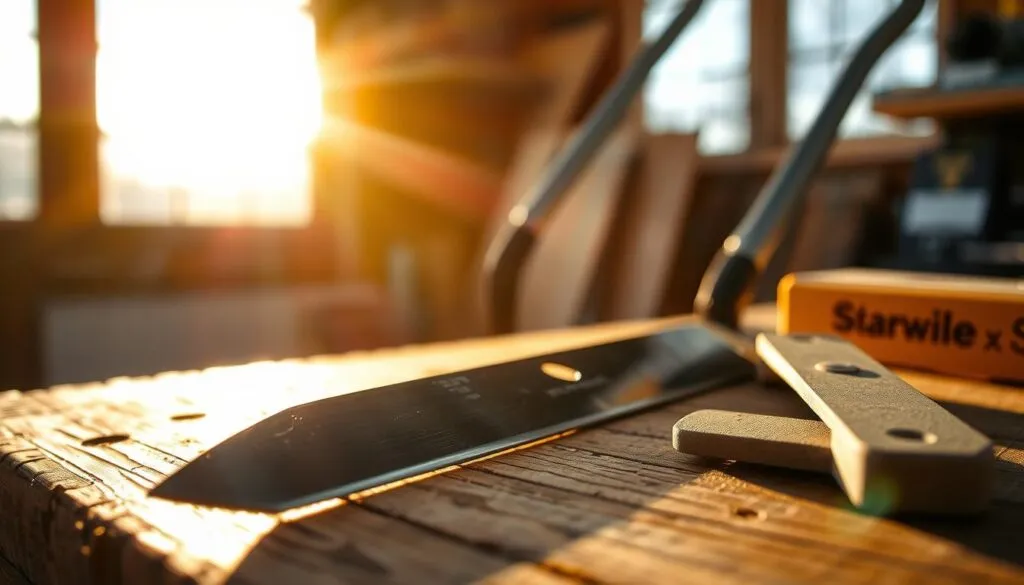
Your first task is a thorough inspection of the mower blades. Sharp blades create a clean cut that heals quickly. Dull blades tear the grass blade, causing stress and opening the door to disease.
A clean machine is also vital. Remove old clippings and debris from the mower deck. This prevents spreading problems to your developing lawn.
Setting the Proper Mowing Height
The correct mowing height is your lawn’s best defense. Set your mower to the highest setting recommended for your specific grass type. This allows the turf to develop strong roots.
A golden rule is to never remove more than one-third of the grass height in a single mowing session. For most varieties, wait until the lawn reaches three to four inches tall.
Always cut on dry days. Wet grass clumps and can lead to uneven mowing. Check that the soil is firm enough to support the mower without forming ruts in soft areas.
Vary your mowing pattern with each session. This encourages upright growth and prevents soil compaction. Taking your time during the first cut is crucial for tender new grass.
Expert Insights on when can i mow new grass
Professional landscapers follow a simple principle that protects turf during its most vulnerable stage. This approach ensures your investment develops into a resilient, beautiful landscape.
Applying the One-Third Rule Effectively
The one-third rule is fundamental to healthy turf management. Never remove more than one-third of the grass blade height during any single session.
Exceeding this threshold forces plants to redirect energy from root development to blade regeneration. This weakens the overall structure of your lawn.
For your first mow, calculate the target height for your specific grass type. Wait until the turf reaches approximately one-third higher than that target before cutting.
If your ideal maintenance height is 3 inches, perform the initial cut when grass reaches 4 inches. A few days later, make a second pass to reach the optimal height gradually.
Recognizing Grass Maturity and Root Development
True readiness involves more than just measuring height. Look for blades standing upright with vigorous growth rather than limp or sparse appearance.
Each plant should have multiple blades creating a full, dense turf. The root system must be firmly established to withstand mowing stress.
Perform a gentle tug test to check root development. If plants resist pulling, they’re anchored sufficiently. This typically occurs when roots penetrate several inches into soil.
Different varieties have unique growth rates and maturity indicators. Understanding your specific grass type helps determine when seedlings transition to established turf.
Post-Mow Maintenance for a Healthy Lawn
The care you provide in the hours and days following the initial cut is just as critical as the timing of the mow itself. Proper maintenance now accelerates recovery and builds long-term turf strength.
Watering and Fertilizing Your New Lawn
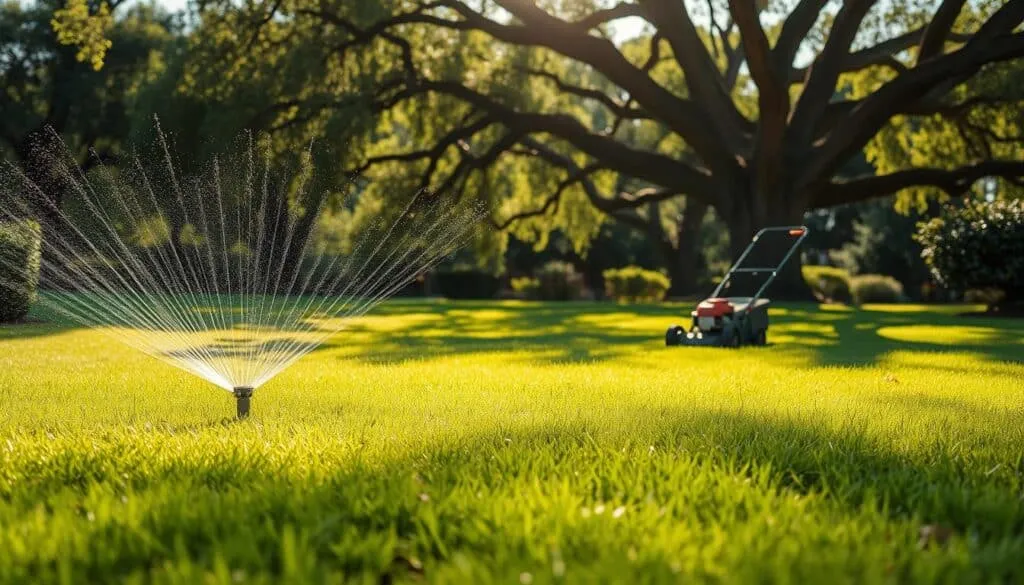
Give your lawn a deep watering immediately after mowing. This helps the grass recover from stress and encourages deeper root growth. Early morning is the best time for watering to minimize evaporation.
If your mower has a mulching feature, leave the clippings on the turf. They decompose quickly, returning valuable nutrients to the soil. Fertilizer applied at seeding usually lasts six to eight weeks before a follow-up is needed.
Minimizing Stress and Preventing Weed Growth
Monitor your lawn closely after the first cut. Look for yellowing blades or thin areas that signal stress. Adjust your water schedule or reduce foot traffic on vulnerable spots.
Check for weeds during each mowing session. Early detection is key. Wait until after the third or fourth mow before using any herbicides on young lawns. This protects tender seeds and plants from chemical injury.
Limit foot traffic for the first couple of months. This prevents soil compaction and gives the root system time to mature fully. For specific guidance on nurturing young turf, our resource on overseeding a fescue lawn offers detailed advice.
| Maintenance Task | Timing | Key Action | Purpose |
|---|---|---|---|
| Deep Watering | Immediately after mowing | Provide thorough moisture | Support recovery and root growth |
| Fertilizer Application | 6-8 weeks after seeding | Apply balanced lawn food | Replenish soil nutrients |
| Weed Inspection | During each mowing session | Identify and manually remove weeds | Prevent competition for resources |
| Traffic Management | First 1-2 months | Restrict heavy use | Protect developing root system |
Conclusion
The transformation from tender seedlings to resilient turf hinges on one critical decision—knowing the perfect moment for the first trim. Your patience during establishment weeks allows deep root development that supports healthy growth for years.
Whether working with a seeded lawn or sod installation, proper timing measured in weeks ensures success. Allow the turf to reach three to four inches before considering any cutting activity. This gives seeds adequate time to establish firm root systems.
Maintain sharp mower blades and follow the one-third rule religiously. Weather conditions and soil quality significantly influence your lawn‘s development rate.
After that initial session, continue consistent care through proper watering and monitoring. Protect the area from heavy foot traffic while the grass strengthens. These practices create the foundation for a beautiful, durable outdoor space.
FAQ
How long after seeding should I wait before the first cut?
You should wait until your turf reaches about 3 to 4 inches in height, which typically takes 3 to 4 weeks after germination. Ensure the young plants are firmly rooted by gently tugging on a blade; if it resists, your lawn is ready for maintenance.
What is the proper mowing height for a newly seeded lawn?
For the initial cut, set your mower blades to a high setting to remove no more than one-third of the grass blade. A cutting height of around 2.5 to 3 inches is ideal for most grass types, promoting deep root development and soil health.
Does the type of grass seed affect when I can mow?
Yes, different grass types have varying growth rates. For example, Kentucky Bluegrass establishes more slowly than Perennial Ryegrass. Always check the seed label for specific recommendations on germination time and the ideal first mowing height for your chosen variety.
How do I prepare my mower for cutting new grass?
A> Before the first mow, ensure your equipment is ready. Sharpen the mower blades to create a clean cut, as dull blades can tear tender young plants. Also, make sure the deck is clean to avoid spreading any disease to your vulnerable new lawn.
What should I do after mowing my new lawn for the first time?
After mowing, continue a consistent watering schedule to help the turf recover. Avoid heavy foot traffic for a couple of days to minimize stress. Applying a starter fertilizer can also support continued growth and help prevent weed competition in the area.