
What if that alarming puff coming from your equipment isn’t a disaster waiting to happen, but actually a simple warning sign you can easily address yourself?
Seeing white or blue vapor rise from your outdoor power tool can be unsettling. Many homeowners immediately assume the worst—expensive repairs or even replacement. However, industry data reveals a surprising truth: four common issues cause 85% of all smoking complaints.
The difference between a quick weekend fix and a costly repair shop visit often comes down to timely understanding. Most situations are surprisingly simple to resolve, typically costing under $20. Taking immediate action when you first notice the issue can prevent minor concerns from escalating into major engine damage.
This comprehensive guide walks you through everything needed to identify the root causes and implement effective solutions. You’ll gain confidence in your troubleshooting abilities, learning to distinguish between minor adjustments you can handle and serious problems requiring professional attention.
Key Takeaways
- Smoking from outdoor equipment is often a simple fix costing under $20
- Four main issues account for 85% of all smoking complaints
- Immediate action can prevent minor problems from becoming major repairs
- Most situations can be resolved with basic DIY troubleshooting
- Understanding the difference between simple fixes and professional needs saves money
- Proper maintenance prevents many common smoking issues
- Recognizing smoke color helps identify the specific problem
Overview of Lawn Mower Smoking: What the Smoke Means
When your yard maintenance tool emits visible vapor, the hue provides immediate clues about what’s happening inside the engine. Understanding these color signals helps you determine whether you’re facing a simple adjustment or a more serious mechanical issue.
Identifying Smoke Colors and Their Implications
Different colored emissions indicate specific problems within your equipment. Each shade points to particular issues that require different approaches.
| Color | Meaning | Common Causes |
|---|---|---|
| White/Blue | Oil burning improperly | Overfilled reservoir or spills |
| Black | Rich fuel mixture | Clogged air filter |
| Gray | Engine wear or contamination | Internal component issues |
White or blue vapor typically signals lubricant burning on hot surfaces. This often results from overfilling during maintenance. Black emissions suggest too much fuel and insufficient air flow.
Immediate Safety Actions When You See Smoke
Your first response should always prioritize safety. Shut off the engine immediately to prevent potential fire hazards. Allow the equipment to cool completely before any inspection.
Wait until all vapor clears and surfaces are safe to touch. For electric models, disconnect the spark plug to eliminate electrical risks. These simple precautions protect both you and your equipment from further damage.
Troubleshooting: why does lawn mower smoke
Systematic troubleshooting helps you identify the exact source of engine emissions quickly and efficiently. Begin your inspection only after the equipment has cooled completely and all vapor has dissipated.
Start with a thorough visual check around the motor housing. Look for obvious lubricant leaks or spills that could cause burning on hot surfaces.
Step-by-Step Diagnosis to Pinpoint the Issue
Remove the cover to access the air filtration system. Examine the condition carefully—dirty units may need cleaning, while worn-out ones require replacement.
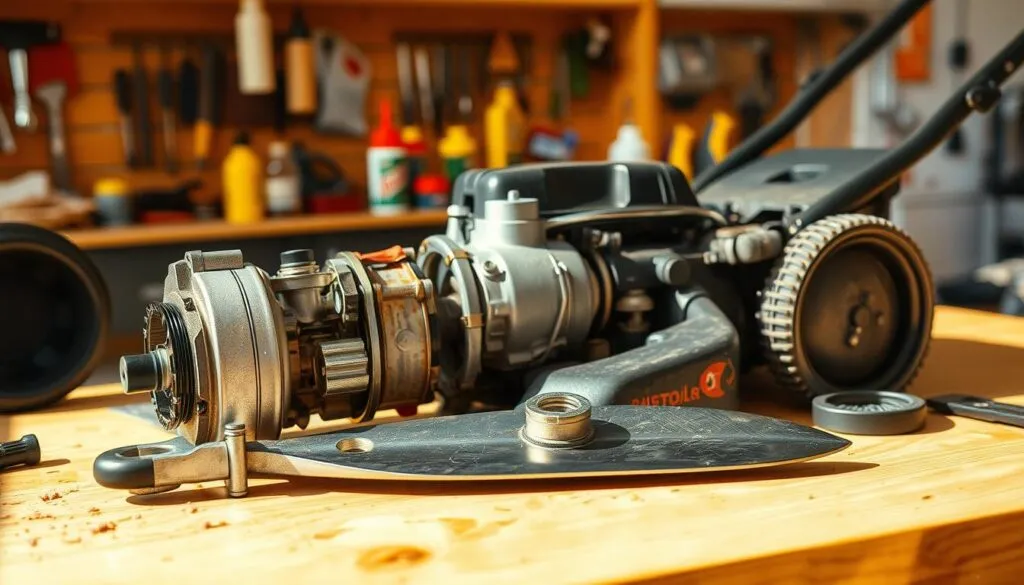
For foam types, wash gently in soapy water and allow to dry thoroughly. Never operate your equipment without this crucial component installed—debris ingestion can cause severe internal damage.
Inspecting Key Components: Air Filter, Oil, and Spark Plug
Check the lubricant level using the dipstick. Wipe it clean first for an accurate reading, then compare to the fill line. Overfilled reservoirs often cause excessive emissions.
Examine the ignition component for oil fouling or carbon buildup. Contamination here affects performance and contributes to visible exhaust problems.
Finally, smell the lubricant—if it has a gasoline odor, change it immediately. This indicates fuel contamination requiring prompt attention.
Common Causes and DIY Repairs for a Smoking Mower
Pinpointing the exact source of visible emissions from your outdoor equipment leads directly to effective solutions. Most situations involve straightforward mechanical issues you can address with basic tools.
Overfilled or Spilled Oil: Causes and Quick Solutions
Excess lubricant represents the most frequent emission source. When you exceed the recommended 18-20 ounces, the surplus enters the combustion chamber.
This creates white vapor that persists until the extra oil burns off. The fix costs $0—simply drain the excess back to the proper level.
Dirty Air Filter and Fuel Mixture Problems
A clogged filtration unit causes approximately 30% of emission issues. Restricted airflow creates a rich fuel mixture with insufficient oxygen.
Paper filters typically need replacement after 25 operating hours. You can resolve this for $8-15 with a new filter installation.
Issues with Carburetor, Spark Plug, and Improper Tipping
Fuel system complications account for roughly 15% of problems. Old gasoline breaks down after 30 days, clogging jets and passages.
Improper equipment positioning causes oil migration into critical areas. Address this with spark plug and filter replacement for $5-25.
Preventative Maintenance and Quick Fixes
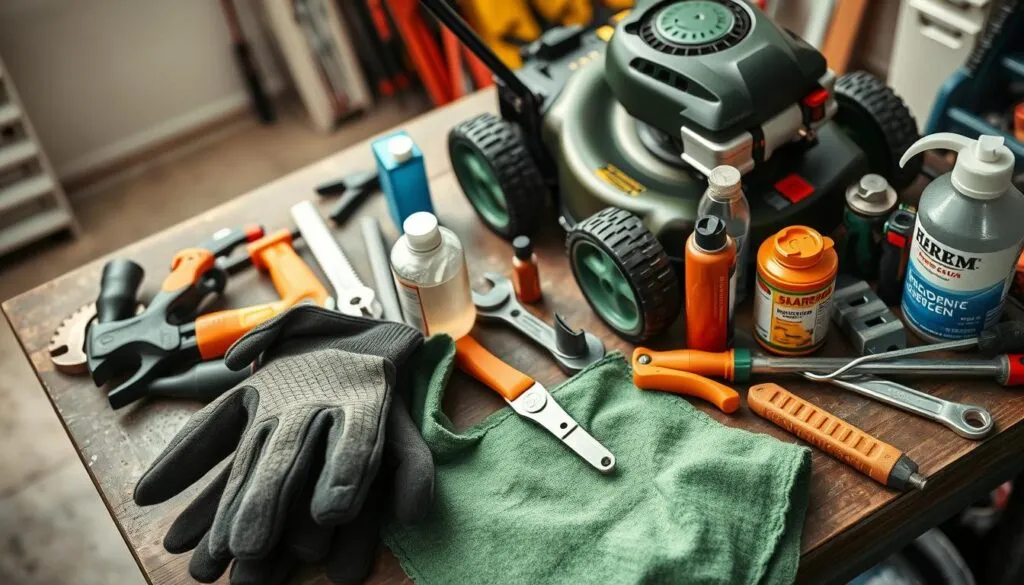
Consistent maintenance habits form your first line of defense against unexpected equipment issues. Establishing a regular care routine prevents most common mechanical problems before they start.
Proper Oil Level Management and Cleaning Tips
Check your lubricant before each cutting session using the dipstick method. Maintain levels between the minimum and maximum marks to prevent overflow into combustion areas.
Use fuel stabilizer when storing your equipment beyond 30 days. This prevents breakdown that clogs critical components.
Clean your air filtration unit regularly. Replace paper types every 25 operating hours for optimal performance.
Regular Engine Inspections and Component Replacements
Conduct thorough inspections covering the entire lubrication system. Examine seals and exhaust pathways for early problem detection.
Replace spark plugs according to manufacturer specifications. Timely component changes dramatically reduce operational issues.
Recognize when DIY reaches its limits. Persistent leaks or internal valve complications require professional assessment at a repair shop.
Frequent check-ups catch malfunctions before they escalate. This approach saves both time and money on future repairs.
Conclusion
The ability to quickly identify and resolve common mechanical issues puts you in control of your equipment’s performance. You now understand the primary reasons behind visible exhaust, with most situations stemming from simple maintenance oversights.
Overfilled lubricant, clogged filtration systems, and fuel complications account for the majority of emission problems. Recognizing the color signals—whether it’s white smoke indicating oil burning or dark emissions suggesting airflow issues—helps you pinpoint the exact cause.
Most repairs cost under $50 and require basic tools rather than professional service. Regular maintenance prevents these situations from developing in the first place.
Your investment in learning these diagnostic skills ensures years of reliable operation. Proper care protects your equipment and saves significant repair expenses over time.
FAQ
What does it mean if my lawn mower is blowing blue smoke?
Blue exhaust typically indicates that engine oil is entering the combustion chamber and burning along with the fuel. This is often caused by an overfilled crankcase, worn piston rings, or faulty valve seals. Check your oil level first; if it’s too high, drain the excess.
Why is my mower producing white smoke?
White smoke is usually a sign of excess fuel not being burned properly or, less commonly, coolant entering the cylinder in liquid-cooled engines. A dirty air filter, clogged spark plug, or a problem with the carburetor can create a rich fuel mixture, leading to this issue.
My mower started smoking after I tipped it on its side. What happened?
Tipping a mower incorrectly can cause oil to leak into the air filter housing and intake system. When you start the engine, this oil gets sucked into the combustion chamber, creating significant smoke. Always tip your mower with the air filter and spark plug facing upward.
Can a dirty air filter cause my engine to smoke?
Yes. A clogged air filter restricts airflow, creating a fuel mixture that is too rich. This imbalance can lead to incomplete combustion, resulting in black or white smoke from the exhaust system. Inspect and clean or replace your air filter regularly.
How often should I check the oil level in my mower?
You should check the engine oil level before each use. This simple habit ensures the crankcase is not overfilled or low, preventing common problems that lead to smoking. Always check on a level surface with the engine off and cool.
When should I take my smoking lawn mower to a repair shop?
If basic troubleshooting—like checking the oil level, air filter, and spark plug—doesn’t resolve the smoking issue, it’s time for professional help. Persistent smoke could indicate serious internal engine damage that requires expert diagnosis and repair.