
What if the most common fuel choice for your outdoor equipment is actually harming its performance? Many homeowners never question what goes into their machine’s tank. This simple decision impacts everything from starting reliability to long-term engine health.
Selecting the proper gasoline for your lawn mower isn’t just about convenience. It directly affects how well your equipment runs and how long it lasts. Using incorrect fuel can lead to expensive repairs and reduced power output.
Your machine requires clean, fresh, unleaded gasoline with specific properties to function correctly. Understanding these requirements helps protect your investment and maintain optimal cutting performance throughout the mowing season.
This guide provides essential information about gasoline types, octane ratings, and ethanol content. You’ll learn how different fuel formulations affect small engines and discover proper handling techniques.
We’ll explore why some gasoline options work better than others for lawn care equipment. The right fuel type ensures your mower delivers consistent results while avoiding potential damage.
Key Takeaways
- Choosing correct fuel protects your lawn mower’s engine and performance
- Fresh, unleaded gasoline with proper octane rating is essential
- Ethanol content significantly impacts small engine longevity
- Proper fuel selection prevents costly repairs and maintenance issues
- Fuel stabilizers can extend gasoline life in seasonal equipment
- Understanding specifications helps maintain warranty coverage
- Correct fuel type ensures consistent power throughout mowing season
Choosing the Right Fuel for Your Lawn Mower
Fuel selection goes beyond price; it’s about matching the gasoline’s properties to your engine’s specific requirements. The correct choice ensures smooth operation and prevents premature wear.
Understanding Regular, Premium, and Ethanol-Blended Fuels
Not all gasoline is created equal. The primary differences lie in the octane rating and ethanol content.
Most small engines are designed for 87-octane unleaded gasoline. Higher-octane premium fuel offers no benefit for standard engines and is an unnecessary expense. The real concern is ethanol.
While fuels containing up to 10% ethanol (E10) are generally acceptable, E15 (15% ethanol) should be strictly avoided. Higher ethanol concentrations can cause significant damage to engine components.
Key Considerations for Fuel Type and Octane Ratings
Always check the labels on the pump. Look for the ethanol percentage to ensure you select an approved fuel type.
Meeting the minimum 87 octane rating is essential for proper combustion. Using a lower rating can cause engine knocking and reduced performance.
| Fuel Type | Ethanol Content | Recommended Use |
|---|---|---|
| Regular Unleaded (E10) | Up to 10% | Acceptable for most mowers |
| Ethanol-Free (Canned Fuel) | 0% | Ideal for long-term storage |
| E15 | 15% | Not approved; can cause damage |
| E85 | Up to 85% | Never use; voids warranty |
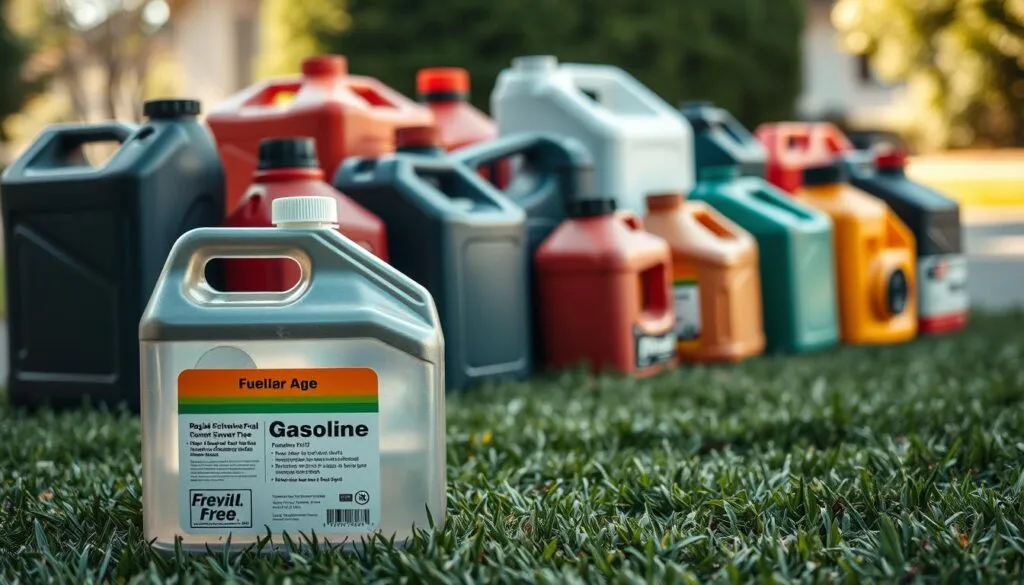
For the best results, consider pre-mixed, ethanol-free canned gasoline. These products offer superior shelf life and eliminate ethanol-related issues.
Do You Put Regular Gas in a Lawn Mower?
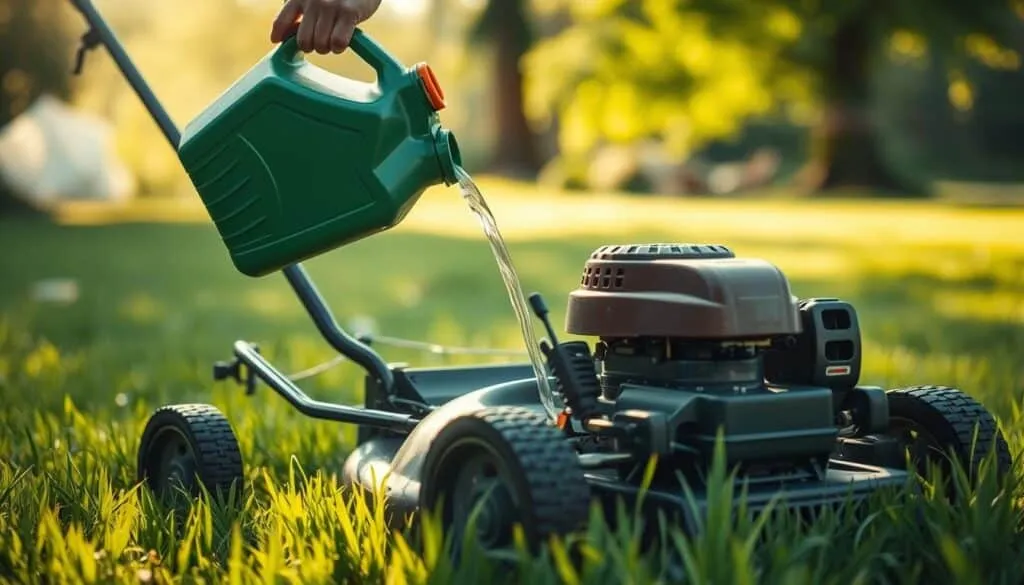
Proper fuel selection is crucial for maintaining your outdoor power equipment’s performance. Most residential machines are designed to operate efficiently with standard unleaded gasoline.
Pros and Cons of Using Regular Unleaded Gas
Standard 87-octane fuel offers excellent availability and cost-effectiveness. This makes it the practical choice for typical residential use.
However, ethanol content presents potential challenges. Moisture absorption can lead to fuel system issues during storage periods.
Using the correct octane rating maintains engine health and warranty coverage. Higher-octane options provide no additional benefits for standard equipment.
Comparing Engine Requirements and Fuel Recommendations
Different small engines may have specific fuel specifications. Always consult your owner’s manual for precise requirements.
The right gasoline ensures reliable starting and consistent power output. It also extends the operational life of your equipment.
Avoid premium fuels and unnecessary additives. Your machine’s design optimizes performance with basic unleaded gasoline.
Maintaining Fuel Performance & Engine Safety
Different engine cycles require specific fuel preparation methods to prevent damage. Proper handling ensures optimal performance and extends equipment lifespan.
Proper Mixing Techniques for 2-Stroke and 4-Stroke Engines
4-stroke engines feature separate lubrication systems. Never mix oil directly into the gasoline for these machines. This practice causes smoke and can damage engine components.
2-stroke engines require precise oil fuel mixing. Use high-quality 2-cycle oil like Briggs & Stratton products at a 50:1 ratio. This mixture provides essential lubrication throughout the stroke cycle.
| Engine Type | Oil Mixing | Recommended Ratio |
|---|---|---|
| 4-Stroke Engines | No mixing required | Separate oil system |
| 2-Stroke Engines | Always mix oil with fuel | 50:1 gas to oil ratio |
Fuel Storage Tips and Using a Fuel Stabilizer
Gasoline begins deteriorating after 30 days. Stale fuel creates gum deposits that damage the fuel system. Use a fuel stabilizer designed for small engines.
Follow this storage process: Add stabilizer treatment, run the engine for two minutes, then store equipment properly. This method protects your system for up to 24 months.
Seasonal Considerations and Handling High Altitude Adjustments
Fuel formulations change between seasons. Winter gasoline has different volatility characteristics than summer blends. Use seasonally appropriate fuel for reliable starting.
At altitudes above 5,000 feet, 85 octane gasoline becomes acceptable. Carburetor adjustment maintains emissions compliance and prevents performance issues in high-elevation areas.
Conclusion
The fuel selection directly influences how many seasons of reliable service your cutting equipment provides. Proper gasoline choice ensures optimal performance and extends equipment lifespan significantly.
Most residential equipment operates best with 87-octane unleaded fuel. Always avoid E15 blends that can cause serious engine damage and void warranties from manufacturers like Briggs & Stratton.
Remember the critical difference between 2-stroke and 4-stroke engines regarding oil mixing requirements. For storage periods, use fuel stabilizers since gasoline degrades after 30 days.
Consult your owner’s manual for specific requirements. Purchasing fresh gasoline in appropriate quantities maintains system integrity. Proper fuel care represents one of the simplest yet most important maintenance tasks for protecting your lawn care investment.
FAQ
What type of gasoline is best for my lawn mower?
Most modern lawn mowers with 4-stroke engines perform perfectly with fresh, unleaded regular gasoline. Always check your owner’s manual for the manufacturer’s specific recommendation regarding octane rating and fuel type.
Can ethanol-blended fuel damage my small engine?
Yes, ethanol can attract moisture, leading to corrosion and engine damage over time. For optimal engine life and performance, use fuel with no more than 10% ethanol (E10) or seek out ethanol-free gasoline, especially for long-term storage.
How do I know if my mower needs an oil and gas mixture?
This depends on your engine type. 4-stroke engines have separate compartments for oil and gasoline. 2-stroke engines require a precise oil-fuel mix. Your mower’s manual will specify the correct ratio for 2-stroke engines to ensure proper lubrication and prevent damage.
Why should I use a fuel stabilizer?
A fuel stabilizer is crucial for outdoor power equipment. It prevents gasoline from degrading during storage, which can cause starting difficulties and clog the fuel system. Adding a stabilizer is essential for seasonal care, particularly when storing your mower for months.
What is the proper way to store my mower and fuel at the end of the season?
For proper storage, either run the engine until the fuel tank is empty or add a fuel stabilizer to a full tank and run the engine to circulate it. This protects the carburetor and fuel lines. Store the machine in a cool, dry place.