
What if your regular yard work could accidentally harm your beautiful green space? Many homeowners face this dilemma when showers pass and the sun returns.
Moisture from a recent storm is fantastic for promoting thick, healthy turf. Yet, tackling your yard while it’s still damp creates a host of problems.
This guide delivers professional insights to protect your landscape. You will learn why experts strongly advise waiting for drier conditions. It’s not just about convenience—it’s about safeguarding your property and safety.
We cover the specific risks to your equipment and the health of your grass. You’ll also get practical solutions for those extended wet periods when waiting seems impossible.
Understanding the right timing makes a huge difference. It separates a vibrant, disease-free yard from one with uneven growth and costly repairs.
Key Takeaways
- Mowing a wet lawn can damage both the grass and your mower.
- Professionals recommend waiting until the grass is dry for the best results.
- Wet conditions can lead to uneven cuts and increase the risk of lawn disease.
- Safety becomes a significant concern when mowing on slippery, wet turf.
- This guide provides actionable advice for various post-rain scenarios.
- Proper timing is crucial for maintaining a healthy and beautiful landscape.
Understanding the Risks of Mowing Wet Grass
Attempting to cut grass while it’s still moist creates a cascade of problems that affect your equipment, your safety, and your lawn’s vitality. The combination of slippery surfaces and heavy machinery presents serious hazards that many homeowners underestimate.
Safety Hazards and Slippery Conditions
Wet grass creates extremely slippery conditions that dramatically increase accident potential. Your footing becomes unstable, making it difficult to maintain control of your equipment. This risk escalates significantly on slopes or uneven terrain.
Statistics reveal the severity of these wet conditions. Approximately 80,000 emergency room visits occur annually due to lawn mower injuries. Moisture significantly contributes to these incidents.
| Hazard Type | Risk Level | Potential Consequences | Prevention Strategy |
|---|---|---|---|
| Slippery Footing | High | Falls, loss of mower control | Wait for dry conditions |
| Electrical Shock | Critical | Serious injury from corded mowers | Use battery-powered equipment |
| Traction Loss | Medium-High | Riding mower instability | Avoid slopes when wet |
| Hidden Obstacles | Medium | Tripping, equipment damage | Clear lawn before mowing |
Soil Compaction and Uneven Cuts
Your mower’s weight compacts saturated soil, restricting oxygen and nutrient flow to grass roots. This compaction creates long-term growing problems for your lawn.
Wet grass blades bend over instead of standing upright. Your mower tears rather than cuts them, resulting in ragged, uneven appearance. Once the grass dries, these imperfections become even more noticeable.
Soft, wet ground also develops unsightly ruts that present tripping hazards. These depressions can collect standing water, creating mosquito breeding sites. The combination of soil damage and poor cutting quality makes waiting for drier conditions the wiser choice.
Can i mow after rain: Expert Considerations
Turfgrass experts from leading agricultural institutions have studied the precise conditions that determine optimal cutting times. Their research provides scientific backing for decisions that impact your turf’s long-term health.
Insights from Lawn Care Professionals
Dr. Aaron J. Patton, Professor of Horticulture at Purdue University, offers critical guidance for maintaining your landscape. He emphasizes specific risks associated with cutting damp turf.
Disease transmission becomes a serious concern during humid periods. Dr. Patton explains: “A few plant diseases can be spread by equipment when the turf is wet, such as Pythium blight that occurs during hot, humid mornings in the summer.”
“If you see active disease in the morning, wait until the turf dries and mow your grass in the afternoon.”
University research acknowledges practical realities during extended wet periods. Sometimes cutting slightly damp grass becomes necessary to prevent excessive growth.
Kansas State University recommends setting your mower at the highest setting when dealing with moist conditions. This approach minimizes stress on your turf during challenging weather patterns.
The consensus among extension experts is clear: patience produces superior results. Waiting for proper drying conditions benefits both your lawn’s vitality and equipment longevity.
Identifying Lawn Damage and Disease Risks
Your lawn’s health faces hidden threats when you operate equipment on damp turf. The combination of moisture and mechanical stress creates ideal conditions for serious problems.
Understanding these risks helps you make informed decisions about your landscape care.
Disease Spread and Fungal Growth
Torn grass blades provide perfect entry points for fungal infections. Moisture helps these pathogens establish quickly throughout your property.
| Disease Name | Visual Signs | Grass Impact | Treatment Difficulty |
|---|---|---|---|
| Dollar Spot | Small silver-dollar spots | Straw-colored grass | Medium |
| Brown Patch | Irregular brown circles | Large damaged areas | High |
| Red Thread | Reddish fungus threads | Blade tip damage | Low-Medium |
| Gray Leaf Spot | Grayish lesions | Leaf deterioration | Medium |
Your mower deck becomes a disease carrier when wet grass sticks to its surface. Fungal spores travel throughout your landscape during subsequent sessions.
Clumped Clippings and Thatch Buildup
Wet grass clippings form dense clumps instead of dispersing evenly. These masses block sunlight and air from reaching your turf.
The decomposing material creates a thick thatch layer on your soil surface. This barrier prevents water and nutrients from reaching grass roots.
Purdue University experts recommend practical solutions for these challenges. Double-cutting reduces clipping size for better distribution.
Bagging excessive clippings works well during extended damp periods. This material makes excellent compost for other garden areas.
Impacts on Your Mower and Blade Performance
Operating your cutting tools on saturated turf creates immediate performance issues. The mechanical components face significant stress that shortens equipment lifespan.
These challenges affect both gas-powered and electric models. Understanding the specific risks helps you protect your investment.
Mower Clogging and Overheating
Wet vegetation clumps together inside your mower deck. This blockage restricts essential airflow around the cutting blades.
The engine works harder to maintain rotation speed. This extra strain leads to potential overheating situations.
Many manufacturers design their equipment for dry conditions. Pushing through damp material exceeds normal operating parameters.
Blade Dulling and Rust Issues
Moisture-laden grass acts like abrasive paste on your mower blades. The cutting edges dull much faster than with dry material.
Water penetrates metal components, initiating corrosion processes. Rust formation becomes inevitable without proper cleaning.
Electrical systems face particular vulnerability in damp conditions. Battery compartments and motor parts risk short-circuit damage.
Regular maintenance becomes essential after any exposure. Prompt cleaning prevents long-term deterioration of your equipment.
Timing is Everything: When to Mow After Rain
Finding the perfect moment for lawn maintenance requires careful observation of weather patterns and ground conditions. The right timing ensures clean cuts without damaging your turf or equipment.
Most situations call for waiting approximately 24 hours following precipitation. Heavy storms that saturate the soil may need two full days for proper drying. Light showers or morning dew often dry within 3-5 hours.
Testing for Adequate Dryness
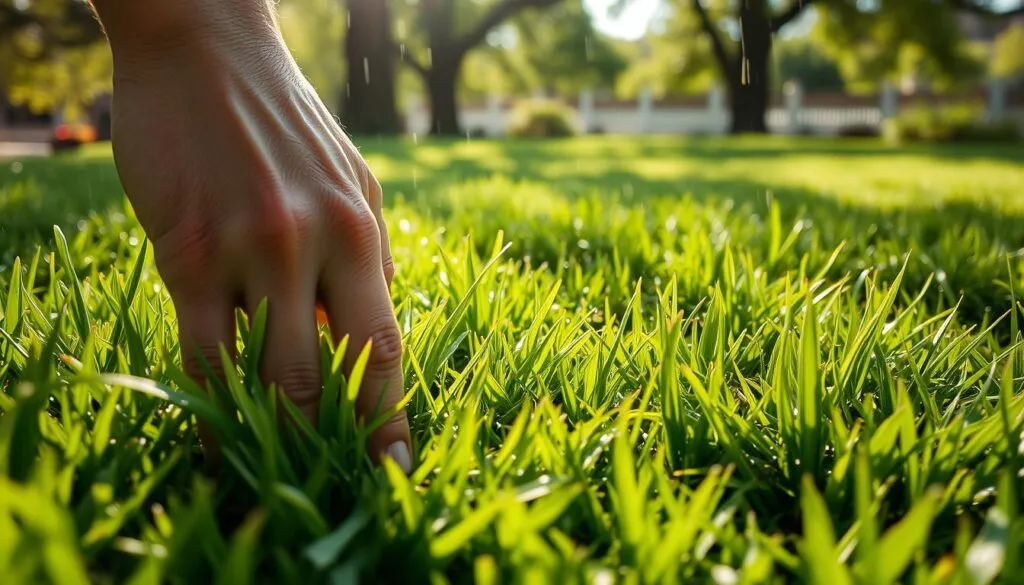
Simple field tests help determine if your grass is ready. Walk across the lawn—if footprints remain visible or water squishes underfoot, conditions are too wet.
When blades spring back immediately after walking, you’ve found the ideal time for cutting. Touch individual grass blades to check for dampness or visible water droplets.
The screwdriver test reveals soil moisture levels. If the tool sinks easily into soft ground, the lawn needs more drying time. Firm resistance indicates adequate conditions.
Assessing Weather and Soil Conditions
Consider temperature, humidity, and sunlight exposure along with drainage characteristics. Sandy soil dries faster than clay-based ground.
The best time mow occurs when grass is hydrated but completely dry. Early morning after dew evaporation or early evening provides optimal conditions.
Avoid midday heat when grass recovers from heavy moisture. Proper timing protects your lawn’s health while delivering professional results.
Tips for Mowing Wet Grass Safely
Extended rainy seasons sometimes force homeowners into difficult yard care decisions. When you absolutely must address overgrown turf during damp periods, specific techniques minimize damage to your landscape.
These practical approaches help you navigate challenging conditions safely. They protect both your equipment and lawn health when waiting isn’t possible.
Slow Mowing Techniques
Reduced speed dramatically improves results when cutting wet grass. Rushing through saturated turf increases clumping and creates uneven cuts.
Moving deliberately gives blades time to slice rather than tear moisture-heavy vegetation. This controlled pace also enhances footing stability on slippery surfaces.
Your mower handles the heavier load more efficiently at slower speeds. The engine experiences less strain while processing damp material.
Elevated Mower Settings for Cleaner Cuts
Raise your cutting height to the highest setting before tackling wet conditions. Taller grass blades disperse more easily than shorter clippings.
This adjustment prevents dense clumps from smothering your turf. It also reduces stress on vulnerable grass plants during challenging mowing sessions.
Combine elevated settings with sharp blades for optimal performance. Freshly sharpened edges create clean cuts rather than ragged tears.
Essential practices for cutting wet grass include:
- Using side-discharge instead of mulching or bagging
- Stopping frequently to clear accumulated clippings
- Avoiding heavily waterlogged areas entirely
- Completing thorough equipment cleaning afterward
These methods transform a potentially damaging situation into manageable maintenance. They provide workable solutions during extended precipitation periods.
Adjusting Your Mower for Damp Conditions
Proper equipment preparation becomes your most valuable strategy when dealing with damp turf conditions. Specific adjustments protect both your lawn and machinery during challenging cutting sessions.
Raise your cutting height to the highest setting before starting. This simple change reduces stress on grass plants and prevents heavy clumping.
Cleaning the Mower Deck Regularly
Wet grass accumulation happens quickly during damp conditions. Stop periodically to remove clumps before they harden under the deck.
Immediate cleaning protects your investment significantly. Trapped moisture against metal surfaces initiates rust formation that damages equipment.
Essential maintenance steps include:
- Cleaning the mower deck after every wet session
- Verifying blade sharpness before starting
- Using fuel stabilizers for gasoline models
- Consulting your owner’s manual for modifications
Performing Routine Maintenance Checks
Sharp blades create clean cuts rather than ragged tears in moist vegetation. Dull blades make wet grass problems exponentially worse.
Gasoline mowers need fuel stabilizers to prevent humidity-related contamination. Electrical models risk serious damage since batteries aren’t waterproof.
Always check manufacturer guidelines before removing attachments. These changes affect both safety features and cutting performance.
Preventative Lawn Care and Post-Rain Maintenance
Productive lawn care continues even when the grass is too wet for cutting, focusing on vital soil and root health. This waiting period is ideal for tasks that improve your landscape’s long-term vitality.
You can tackle essential maintenance that benefits from or isn’t hindered by damp conditions. This approach turns a delay into an advantage for your property.
Weeding, Edging, and Aeration Strategies
Moist soil makes weed removal significantly easier. Roots release from damp ground with less effort, allowing for more complete extraction.
Edging and trimming work around walkways can proceed safely. This gives your lawn a manicured appearance even when the main cutting must wait.
If soil compaction has occurred, aeration helps relieve it. This process restores oxygen and water flow directly to grass roots, promoting stronger growth.
Establishing a Regular Mowing Schedule
Creating a consistent mowing calendar is one of the most effective preventative strategies. It prevents grass from growing so tall that you feel pressured to cut during inappropriate wet conditions.
Plan your sessions around typical weather patterns in your region. Mowing before predicted rain keeps your grass at the proper height.
Morning dew creates conditions similar to rain. Schedule your lawn care for late morning or afternoon after dew evaporation for optimal results.
A regular schedule maintains good organization and keeps your landscape under control. This proactive planning helps you avoid stressful situations.
Alternative Lawn Care Solutions on Rainy Days
When weather patterns disrupt your lawn maintenance schedule, professional services offer a practical solution. These experts handle your grass cutting needs when timing becomes challenging.
Trained technicians understand the science behind proper cutting timing. They make informed decisions about when your grass has dried sufficiently for safe cutting.
Hiring Professional Lawn Services
Professional companies bring commercial-grade equipment that performs better in marginal conditions than typical homeowner mowers. Their flexible schedules allow quick response when conditions improve.
These services offer comprehensive care beyond basic cutting. You receive weed control, fertilization, and aeration treatments addressing various lawn health issues.
For busy professionals or those with physical limitations, professional services eliminate scheduling stress. They prevent the lawn disease and soil compaction that result from improper cutting.
Investing in expert care saves money long-term by avoiding equipment damage and landscape problems. Your property maintains optimal health regardless of weather challenges.
Conclusion
Making informed decisions about landscape maintenance separates thriving lawns from struggling ones. The various problems with cutting wet grass affect your property’s health, equipment longevity, and personal safety.
While scheduling challenges create temptation, the risks far outweigh temporary convenience. Patience prevents uneven cuts, disease spread, and soil compaction.
Remember the timing guidelines: wait 24 hours after typical precipitation. Light showers may need only 2-5 hours for drying. Heavy storms could require two full days.
When circumstances demand action before complete drying, use damage-minimizing techniques. Slow speed, raised cutting height, and sharp blades help reduce problems.
Establishing a regular schedule and monitoring forecasts helps avoid wet grass dilemmas altogether. Your lawn’s quality and your safety depend on respecting moisture limitations.
FAQ
Is it safe to operate a lawn mower on wet grass?
Mowing wet grass presents significant safety hazards. Slippery conditions increase your risk of losing footing, and wet clippings can clog the mower deck, potentially leading to overheating or mechanical failure.
What kind of damage can cutting wet grass cause to my lawn?
Using your mower on a soaked lawn can lead to several problems. The heavy mower may compact the soft soil, harming grass roots. Wet grass blades tear instead of cutting cleanly, creating ragged edges that are more susceptible to disease. Clumped clippings can also smother the turf, promoting fungal growth.
How long should I wait after rainfall before mowing?
The best time to mow is when the grass is completely dry. Wait at least several hours after a light rain and potentially a full day after heavy downpours. You can test for dryness by walking on the lawn; if your feet get wet or you leave footprints, it’s still too soon.
Are there specific techniques for mowing damp grass if I absolutely have to?
If you must cut wet grass, take precautions. Mow at a slower pace and set your mower blades to a higher cutting height to reduce stress on the turf. Make sure the mower deck is clean to minimize clogging, and always wear sturdy, non-slip footwear for safety.
How does moisture affect my mower’s blades and engine?
Wet conditions are tough on lawn mowers. Damp grass clippings stick to the underside of the deck, which can cause rust and strain the engine. The moisture also accelerates the dulling of the cutting blade, leading to an uneven cut and requiring more frequent sharpening.
What are some good lawn care alternatives on a rainy day?
Instead of mowing after rain, focus on other tasks. You can edge your lawn borders, hand-pull weeds, or plan your aeration schedule. For consistent results, consider hiring a professional lawn service that has the right equipment and expertise to handle damp conditions safely.