
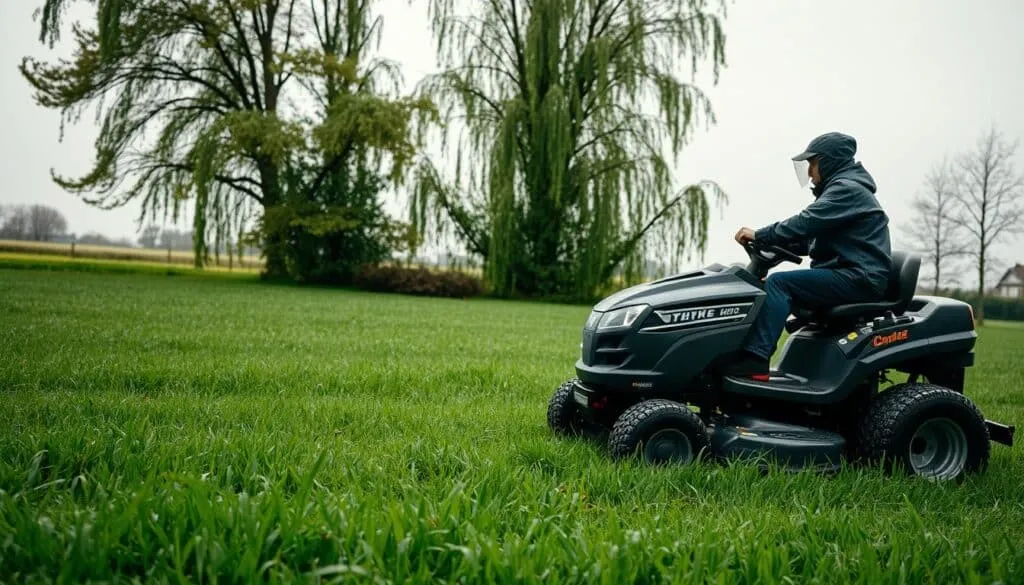
Have you ever stared at your overgrown yard after a rain shower, wondering if it’s a mistake to fire up the mower? This common dilemma pits your lawn care schedule against Mother Nature’s plans.
While pushing the mower across damp turf is technically possible, it often leads to more harm than good. The decision involves weighing risks to your lawn’s health, your equipment’s longevity, and even your personal safety.
This guide dives deep into the realities of mowing wet grass. We will explore the significant drawbacks and provide clear, expert-backed advice. You will learn practical techniques for those unavoidable situations when waiting simply isn’t an option.
Understanding the principles of proper timing and technique is crucial. It makes the difference between a thriving, beautiful landscape and one struggling with preventable damage and disease.
Key Takeaways
- Mowing damp turf poses risks to lawn health and mower performance.
- Ideal conditions involve waiting for the grass to dry completely.
- Equipment can clog and struggle on wet grass, causing strain.
- Personal safety becomes a concern due to slippery conditions.
- Specific techniques can minimize damage if mowing is unavoidable.
- Proper timing helps prevent lawn disease and promotes healthier growth.
Understanding the Risks of Mowing Wet Grass
Operating a mower on damp turf presents a host of hidden dangers that extend beyond a simple messy cut. The decision impacts your equipment’s longevity and personal well-being.
Damage to Mower Components and Engine Strain
Wet grass clippings are heavy and sticky. They clump together, clogging the mower deck and jamming the blades. This restricts airflow and forces the engine to work much harder, creating significant strain.
Water can also seep into critical areas. Infiltration into the fuel system causes malfunctions or complete failure. Constant moisture contact leads to rust on metal parts like the mower blades.
Electric models face unique challenges. They possess less torque, struggling with thick, wet grass. This makes their motors prone to burnout.
| Mower Type | Primary Risk | Potential Result |
|---|---|---|
| Gas-Powered | Engine Hydration & Clogging | Stalling, Costly Repairs |
| Electric (Corded) | Electrical Shock & Motor Burnout | Safety Hazard, Component Failure |
| Electric (Battery) | Reduced Torque & Clogging | Shortened Battery Life, Strain |
Increased Risk of Lawn Diseases and Safety Hazards
The safety risk is substantial. Slick surfaces increase the chance of slipping, especially on slopes.
According to the U.S. Consumer Product Safety Commission, an estimated 80,000 people are treated annually for lawn mower-related injuries.
Using corded electric mowers in these conditions introduces electrical hazards. Water and electricity are a dangerous mix, creating a shock risk.
For the lawn itself, mowing wet grass tears the grass blades unevenly. These wounds become entry points for fungal diseases that thrive in moisture.
How Wet Conditions Affect Your Lawn and Soil
Beyond the immediate mess, saturated ground conditions trigger long-term damage to your lawn’s ecosystem. The weight of equipment on waterlogged soil creates problems that extend deep below the surface.
Soil Compaction and Thatch Buildup
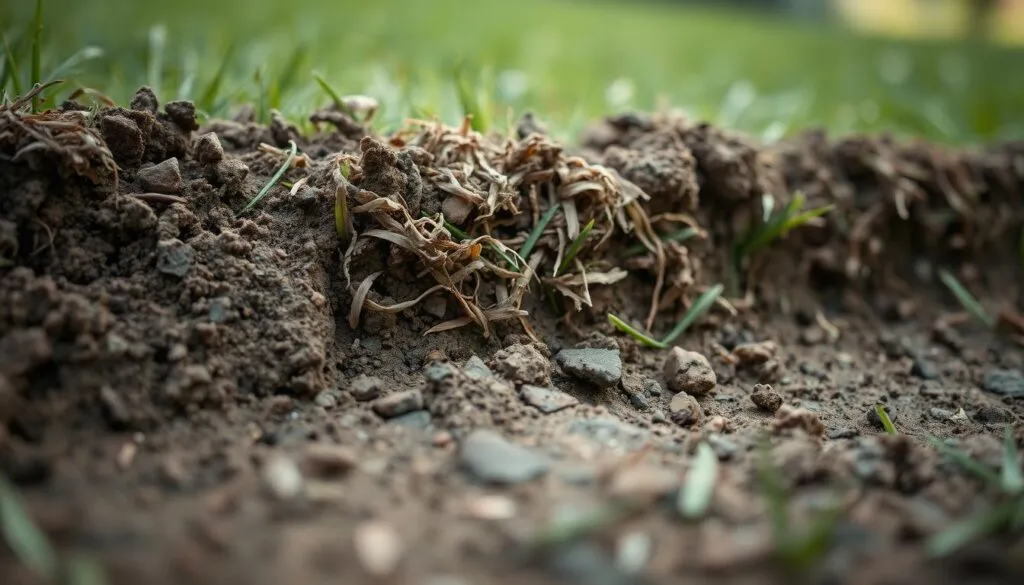
Heavy machinery presses soil particles together, reducing pore spaces. This compaction suffocates grass roots by cutting off their oxygen supply.
Visible ruts and depressions form in soft soil. These low spots collect standing water, creating mosquito breeding habitats.
Wet grass clippings form heavy clumps that block sunlight and air circulation. Left unattended, these masses decompose and kill the turf beneath.
Decomposing clumps contribute to thatch buildup. This dense layer prevents water and nutrients from reaching roots.
Severe soil compaction and thatch problems may require professional core aeration. This restores proper growing conditions for your lawn.
Can You Mow Lawn When Wet? Best Practices
Extended rainy periods often force a difficult decision between an overgrown lawn and the risks of mowing on damp turf. Sometimes, waiting for perfect conditions is not an option. Knowing the right techniques is essential for minimizing damage.
Adjusting Mower Height for Cleaner Cuts
The most critical step is raising the cutting height. Set your mower to its highest setting. This reduces the amount of grass blade surface cut at once.
Cutting damp turf too short causes severe tearing instead of a clean slice. Jagged edges turn brown and invite disease. Proper height minimizes clumping and strain on the machine.
Kansas State University Research and Extension recommends setting your mower as high as possible when dealing with wet conditions.
Mowing at a Slower Pace for Even Results
Speed is another vital factor. Move across the lawn at a significantly slower pace. Rushing leads to uneven cuts and heavy clumps that smother the turf.
A deliberate speed gives the blades more time to process each section. This results in a more even cut and better clipping distribution. It also reduces engine strain.
Purdue University guidance supports this approach. It notes that cutting slightly damp grass is better than letting it become excessively tall, which creates bigger problems later.
These tips help maintain your landscape during challenging weather. They are practical adjustments for unavoidable conditions.
Essential Techniques for Mowing Wet Grass
Mastering the mechanical settings on your equipment is crucial for navigating damp turf. The right approach minimizes strain on the machine and protects the landscape’s health.
Your strategy for handling clippings becomes the most important factor. Choosing the correct discharge method prevents most common problems.
Utilizing Side Discharge and Clipping Management
Engage the side discharge feature instead of mulching or using the bag. This setting expels wet grass clippings immediately, preventing them from accumulating under the mower deck.
Mulching kits struggle significantly. They require clippings to circulate for a fine chop, but damp grass simply clumps and sticks. Bagging presents similar issues, with heavy clippings clogging the chute and adding excessive weight.
Frequent stops to clear the deck are essential. Buildup happens quickly, reducing cutting efficiency and increasing engine strain. A clean deck ensures optimal performance.
Normal grasscycling fails because the clippings form heavy, matted clumps instead of dispersing evenly. These clumps block sunlight and can kill the turf beneath.
Purdue University’s Department of Horticulture and Landscape Architecture suggests double-cutting the area to reduce clippings and spread them more evenly.
This technique involves mowing the same strip twice in different directions. It helps break down large clumps. If the volume is too high, bagging the cut grass is a valid option; the material makes excellent compost or garden mulch.
Manually rake up any remaining clumps after finishing. This final step prevents dead spots and ensures a healthier lawn.
Choosing the Right Mower and Equipment for Wet Conditions
Your equipment selection becomes critical when dealing with damp turf conditions. Different mower types offer distinct advantages and limitations that impact performance and safety.
Self-Propelled versus Robotic Mowers
Self-propelled mowers provide significant benefits in challenging conditions. They move forward under their own power, reducing physical effort. This ensures consistent cutting speed and pressure across damp grass.
Heavier models present drawbacks in very wet conditions. They increase soil compaction risk and create deeper wheel ruts. Avoid using them on overly saturated ground.
Robotic mowers face limitations with moisture. Most models struggle with traction and cutting quality on consistently damp lawn surfaces.
Maintenance and Safety Accessories
Consult your owner’s manual before attempting any work. Manufacturers like Stihl USA and LawnMaster specifically advise against using their products on damp turf.
Electrical components in cordless mowers aren’t waterproof. Moisture exposure risks short circuits and major damage to the equipment.
Essential safety accessories become non-negotiable. Proper footwear with excellent traction prevents slips on slick surfaces. Protective eyewear shields against debris.
Regular maintenance practices gain importance. Sharp blades ensure cleaner cuts on damp grass. Frequent deck cleaning prevents clogging and strain on your mower.
Inspect electrical components after use in wet conditions. Look for moisture damage or corrosion to maintain equipment longevity and user safety.
Preventing Lawn Diseases When Mowing in Wet Weather>
Moisture-loving pathogens can quickly transform a healthy green space into a patchwork of discolored turf. These fungal issues thrive in damp conditions where torn grass blades provide perfect entry points.
Identifying Common Fungal Issues and Lawn Diseases
Several turf diseases flourish in moist environments. Red thread creates reddish-pink patches during cool, wet periods. Dollar spot forms silver-dollar-sized bleached areas.
Rust disease shows as orange powder on individual grass blades. Brown patch creates irregular circles with dark margins in humid conditions.
| Disease | Appearance | Conditions | Risk Level |
|---|---|---|---|
| Red Thread | Reddish-pink patches | Cool, wet weather | Medium |
| Dollar Spot | Bleached circular spots | Moist, low nitrogen | High |
| Brown Patch | Irregular brown circles | Hot, humid with dew | High |
| Rust Disease | Orange powder on blades | Moderate temperatures | Medium |
Steps for Minimizing Disease Spread
Equipment cleanliness is crucial for preventing disease transmission. Spores stick to wet grass and spread across the landscape during mowing.
Thoroughly clean the mower deck between uses. Disinfect blades when moving between infected and healthy areas. Avoid working with active disease symptoms present.
“A few plant diseases can be spread by equipment when the turf is wet, such as Pythium blight. If you see active disease in the morning, wait until the turf dries and mow your grass in the afternoon.”
Sharp mower blades create clean cuts that heal faster. This reduces vulnerability to fungal infections. Proper maintenance protects both equipment and turf health.
Weather Timing and Seasonal Considerations>
Determining the optimal window for lawn maintenance after precipitation involves understanding how various conditions affect drying rates. Multiple factors influence when your grass becomes ready for cutting.
Waiting Periods After Rain for Optimal Dryness
Following light rain, wait two to five hours before considering yard work. Heavy rainfall requires a full day or more for proper drying. These time frames ensure safer cutting conditions.
Perform a simple footprint test to assess moisture levels. Walk across the turf and observe if impressions remain visible. Immediate spring-back indicates dry enough conditions.
The shoe dampness test provides another reliable indicator. Noticeable wetness on footwear suggests additional waiting time is necessary. Dry shoes mean the grass has reached acceptable moisture levels.
| Factor | Effect on Drying | Typical Impact |
|---|---|---|
| Temperature | Higher temps speed evaporation | Reduces waiting time by 30-50% |
| Humidity | High humidity slows drying | Extends waiting period 2-3 hours |
| Sunlight Exposure | Direct sun accelerates process | Cuts drying time in half |
| Wind Conditions | Breezy weather helps moisture escape | Reduces needed time by 1-2 hours |
Seasonal patterns significantly influence drying schedules. Spring often brings extended moisture periods that challenge ideal timing. Clay soils retain water much longer than sandy varieties.
During consistently rainy seasons, perfect conditions may not occur. In these situations, apply wet grass techniques to minimize potential damage. Early morning dew requires similar consideration as light rainfall.
Expert Tips and Tricks for Mowing Wet Grass>
Learning from others’ mistakes can save you time and frustration when dealing with damp turf conditions. Real-world experiences provide invaluable insights that complement professional guidance.
Real-Life Experiences and Practical Adjustments
One homeowner shared a valuable lesson about morning dew. “I started early while dew still sparkled on the turf. Damp grass quickly clogged my mower blades, creating engine strain.”
The entire process slowed down significantly. After clearing dense clumps, waiting for proper drying became necessary. This experience highlights how patience pays off in lawn care.
Additional Professional Recommendations
Sharp blades are essential for cutting wet grass effectively. They create clean cuts that heal faster, reducing disease risk. Regular sharpening maintains optimal performance.
Raise the mower height to maximum settings. This adjustment minimizes clumping and equipment strain. Slow, deliberate movement ensures even results across the area.
| Technique | Effectiveness | Equipment Impact | Lawn Health |
|---|---|---|---|
| Side Discharge | High | Minimal strain | Good |
| Bagging | Low | High clog risk | Poor |
| Mulching | Very Low | Severe clogging | Very Poor |
| Frequent Deck Cleaning | Excellent | Optimal performance | Best |
Use side discharge exclusively for wet grass conditions. Avoid mulching and bagging functions that cause problems. Frequent deck cleaning prevents serious clogging issues.
These professional tips maintain reasonable standards despite imperfect conditions. Proper care minimizes damage when you must mow wet grass.
Conclusion
The final analysis reveals that timing your cutting schedule around weather patterns yields superior results for any property. While cutting wet grass remains technically possible, the numerous drawbacks make dry conditions the clearly preferable choice.
Substantial reasons to avoid this practice include soil compaction, disease spread, and potential equipment damage. These factors impact both immediate results and long-term turf health.
When unavoidable circumstances require working in damp conditions, specific techniques minimize negative consequences. Proper mower deck maintenance, reduced cutting height, and slower movement patterns help manage the situation.
Establishing “dry cutting” as your standard practice ensures better outcomes. For consistent challenges, professional lawn care services offer expertise in handling various conditions effectively.
Ultimately, informed decisions based on this comprehensive guidance lead to healthier landscapes and safer maintenance experiences.
FAQ
Is it safe to cut grass after it rains?
Mowing immediately after a storm presents several safety risks. Wet surfaces are slippery, increasing the chance of slips and falls. Water can also cause electrical shorts in corded mowers, creating a serious hazard. It is generally safer to wait for the area to dry.
What damage can occur to my mower from cutting wet grass?
A> Wet conditions put extra strain on your mower’s engine and deck. Heavy, water-logged clippings clump together, clogging the deck and discharge chute. This can lead to overheating and damage to the blades from the added strain of cutting through wet grass blades.
How does mowing a wet lawn affect the soil?
The added weight of your mower on saturated ground can cause significant soil compaction. This presses soil particles together, reducing air pockets and making it harder for water and nutrients to reach grass roots, which can weaken your lawn over time.
What is the best mower setting for damp grass?
For a cleaner cut in wet conditions, raise your mower’s cutting height. A higher setting removes less of each grass blade, reducing the volume of heavy clippings. Using the side-discharge setting instead of mulching or bagging can also help prevent clumping under the deck.
How long should I wait to mow after heavy rain?
For optimal results, wait at least 24 hours after rainfall. This allows the top layer of grass blades and soil to dry sufficiently. Mowing in the late afternoon, after the morning dew has evaporated, is often a good time during humid periods.
Can mowing wet grass spread lawn diseases?
Yes, mowing in wet weather can spread fungal spores that cause lawn diseases like brown patch and red thread. The mower blades can transfer these pathogens from infected blades to healthy ones, especially when the grass is damp and vulnerable.