
Have you ever wondered what truly brings your yard maintenance equipment to life? The answer lies in its core. Understanding the energy source is the first step to mastering your outdoor power tools.
This component is the heart of the machine. It pumps energy to the engine and blades. Knowing its specifications is critical for longevity and performance.
Specifications like voltage and capacity vary widely. A simple push unit might need a small power pack. A larger riding machine requires a much more robust energy source.
Getting this right means your equipment starts reliably. It runs efficiently all season long. This knowledge helps you save money and maintain optimal function for your entire lawn care routine.
This guide will cover everything from basic terms to advanced selection criteria. It applies to push, self-propelled, riding, and even robotic models. Modern technology offers better options than ever before.
Key Takeaways
- The power unit is essential for starting and running your equipment effectively.
- Understanding specifications helps you choose the right replacement and save money.
- Power requirements differ significantly between various types of yard machines.
- Modern energy storage technology provides superior performance and reliability.
- Knowing your equipment’s needs ensures a well-maintained and healthy lawn.
Lawn Mower Battery Fundamentals
Think of your equipment’s energy source as having its own unique personality, defined by its ratings. Grasping these terms empowers you to choose the perfect match for your machine and conditions.
Understanding Voltage, Amperage, and Capacity
Voltage (V) acts like electrical pressure. A higher number means more power is available to tackle tough jobs. Most units operate between 12V and 80V.
The amp-hour (Ah) rating indicates capacity. It tells you how long the unit can run on a single charge. Think of it as the size of the fuel tank.
These two specs work together. Higher voltage provides more cutting force, while a larger Ah rating extends your runtime.
Matching the correct specifications to your specific model is the single most important step for reliable performance.
Key Terminologies: CCA and Battery Ratings
Cold Cranking Amps (CCA) is a critical rating for starting power. It measures the energy available to crank the engine in cold weather, specifically at 0°F.
For most residential machines, a CCA rating between 145 and 300 is sufficient. This ensures dependable starts, especially in cooler climates.
| Specification | What It Means | Typical Range | Why It Matters |
|---|---|---|---|
| Voltage (V) | Electrical “pressure” or power level | 12V – 80V | Determines cutting power and capability |
| Amp-Hour (Ah) | Energy capacity or “fuel tank” size | 6Ah – 12Ah | Dictates how long you can mow per charge |
| CCA | Cold weather starting power | 145 – 300 | Ensures reliable engine starts in cool conditions |
Essential Specifications and Performance Factors
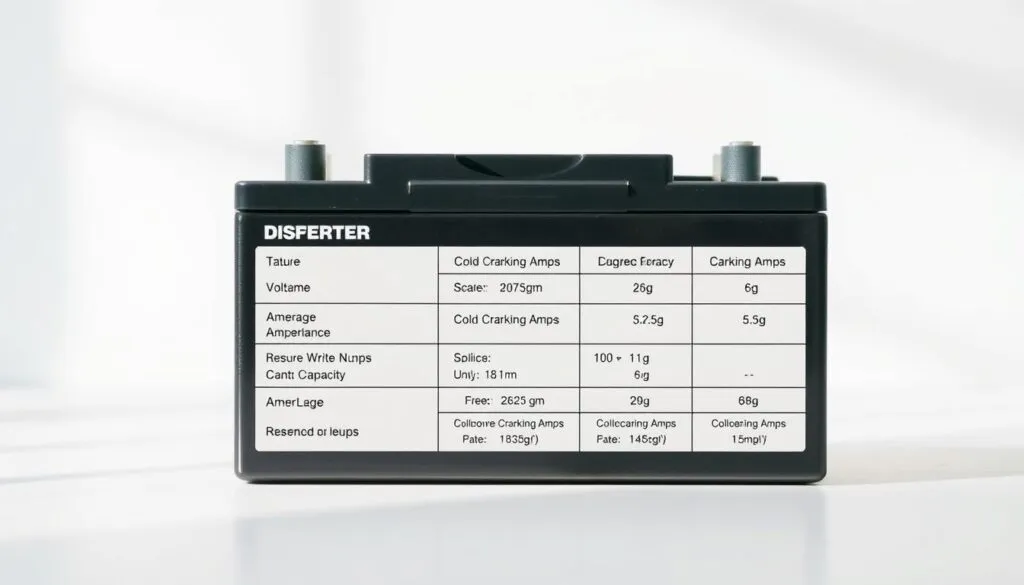
The performance of your yard maintenance tools hinges on properly matching technical specifications to your specific needs. Getting this right ensures your equipment operates efficiently throughout the cutting season.
Decoding Battery Voltage and Runtime
Voltage determines the electrical pressure available to your equipment. Higher numbers typically deliver more consistent cutting power. Most residential units operate between 12V and 80V systems.
This specification directly impacts runtime and cutting consistency. Proper voltage matching ensures your tool receives adequate energy throughout its discharge cycle.
Interpreting Amp-Hour (Ah) Ratings
The capacity rating, measured in amp-hours, indicates how long your equipment can run. Think of it as the size of your energy reservoir. Higher Ah values mean extended operation between charges.
For example, a 5 Ah unit powering equipment drawing 2.5 amps provides approximately two hours of runtime. Real-world conditions like grass density and terrain affect actual performance.
Matching both continuous operating current and peak starting requirements ensures optimal equipment performance and prevents premature failure.
| Specification | Function | Typical Range |
|---|---|---|
| Voltage (V) | Determines cutting power consistency | 12V – 80V |
| Amp-Hour (Ah) | Governs runtime duration | 6Ah – 12Ah |
| Peak Output | Handles startup surges | 100-200+ amps |
Understanding these factors helps you select the right energy source for reliable operation. Proper specification matching prevents inadequate power delivery during demanding tasks.
how many amps is lawn mower battery
The electrical current needed varies significantly across different types of cutting machines. Each category has specific power requirements that determine its performance capabilities.
Typical Amp-Hour Ratings for Different Mowers
Different equipment types require distinct energy capacities. Compact push units typically use smaller power sources, while riding tractors need substantial energy reserves.
| Equipment Type | Voltage Range | Amp-Hour Rating | CCA Rating |
|---|---|---|---|
| Push Models | 20V-80V | 2.0-6.3 Ah | Not Required |
| Self-Propelled | 36V-80V | 4.0-9.0 Ah | 200-415 |
| Riding Tractors | 12V-80V | 10-60 Ah | 230-700 |
| Robotic Units | 18V-36V | 2.0-5.0 Ah | Not Required |
How Amperage Affects Mower Startup and Runtime
Starting current differs greatly from running requirements. Gas-powered equipment with electric ignition needs substantial burst power for initial engagement.
This surge can reach 100+ amps for just seconds. Once running, the continuous draw drops to 5-15 amps. The CCA rating ensures reliable cold-weather starting capability.
Capacity ratings determine operational duration between charges. Matching these specifications to your yard size prevents frequent recharging issues.
Comparing Battery Types for Modern Lawn Mowers
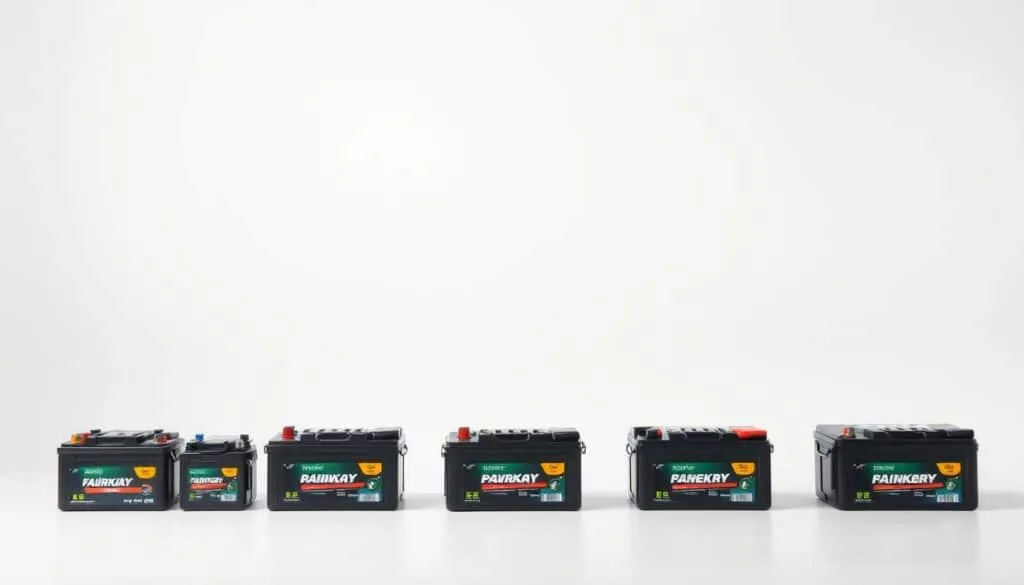
Modern outdoor power equipment offers three primary chemistry options for energy storage systems. Each technology brings distinct advantages to your yard maintenance routine.
Understanding these differences helps you make an informed choice. The right selection impacts performance, longevity, and overall value.
Lead-Acid vs. Lithium-Ion vs. LiFePO4
Traditional lead-acid units remain the most affordable option. They typically cost between $50 and $200+. However, they carry significant weight and last only 2-3 years.
Flooded types require regular maintenance. Sealed varieties offer more convenience but share the same limited lifespan.
Lithium-ion technology represents a major upgrade. These power sources provide the same capacity in smaller, lighter packages. They typically last 3-5 years with minimal maintenance needs.
LiFePO4 batteries offer superior performance characteristics. This advanced chemistry weighs up to 50% less than lead-acid equivalents. They deliver exceptional longevity, often lasting 5-10 years.
Performance consistency differs significantly between these options. Lithium-based varieties maintain steady voltage throughout discharge. This ensures consistent power until nearly depleted.
While LiFePO4 costs over three times more initially, their extended lifespan makes them economical long-term. They also operate reliably in temperature extremes where other types struggle.
Environmental considerations favor lithium iron phosphate technology. These units contain fewer heavy metals and toxic materials. This makes them more sustainable choices for eco-conscious users.
Optimizing Your Battery’s Longevity
Strategic maintenance routines can double the useful life of your power source while maintaining peak performance. Proper care ensures your equipment remains reliable season after season.
Maintenance and Charging Best Practices
Recharge after each use rather than waiting for complete discharge. This simple habit keeps your power unit fresher. Avoid draining beyond 20% capacity when possible.
Shallow discharges significantly reduce aging in all battery types. Use quality chargers designed for your specific chemistry. Prevent overcharging with automatic shut-off features.
Flooded lead-acid units need regular electrolyte checks. Sealed lithium options require minimal attention. Proper maintenance extends lead-acid life from 2-3 years to its maximum potential.
Tips for Winterizing and Storage
Remove batteries from equipment during extended storage. Store spare units between 40-80% charge in cool, dry locations. Avoid temperature extremes that accelerate capacity loss.
Check charge levels monthly during off-season periods. Consistent voltage monitoring helps identify when replacement becomes necessary. With prudent care, LiFePO4 batteries can retain over 80% original capacity after five seasons.
These practices protect your investment and ensure reliable starts every spring. Proper storage and charging habits make a significant difference in overall battery life.
Choosing the Right Battery Charger
Selecting the perfect partner for your power source is the final, critical step in ensuring its longevity and performance. A mismatched charger can cause irreversible damage or even create safety hazards.
It is just as important as choosing the correct energy cell for your equipment.
Understanding Charger Compatibility
The most vital rule is matching the charger’s chemistry to your power source. Using a lead-acid charger on a lithium-ion or LiFePO4 unit is dangerous.
Each chemistry has unique voltage cutoffs and multi-stage charging requirements. Smart chargers automatically detect the type and adjust parameters.
They stop charging at full capacity, preventing overvoltage damage. This feature is essential for safety and cell health.
| Charger Type | Best For | Key Feature |
|---|---|---|
| Lead-Acid Smart Charger | Traditional, maintenance-type batteries | Desulfation mode to break down sulfate crystals |
| Lithium-Ion Charger | Modern, lightweight power sources | Precise voltage regulation for lithium chemistry |
| Multi-Chemistry Smart Charger | Households with multiple battery types | Auto-detection and optimized profiles for each chemistry |
Charging rate is another key consideration. While fast charging is convenient, slower rates generally extend the overall life of your power source.
For routine maintenance, a charger rated at 10-15% of the energy cell’s Ah capacity is ideal. It provides a good balance of speed and gentle treatment.
Investing in a quality, compatible battery charger protects your investment. It ensures reliable performance and maximizes the lifespan of your equipment’s energy core.
Installation and Troubleshooting Guide
When your equipment fails to start, knowing how to properly replace the power source can save you time and money. This guide walks you through safe installation and common troubleshooting scenarios.
Step-by-Step Battery Replacement Tips
Begin by moving your equipment to a dry, flat surface. Open the compartment carefully. Always disconnect the negative (black) terminal first during removal.
Reconnect the positive (red) terminal first when installing the new unit. Tighten all connections securely. This sequence prevents electrical shorts.
Clean corroded terminals before installation. Ensure tight connections that won’t vibrate loose. Proper orientation in the compartment is crucial.
Safety first: Always wear protective gloves and eyewear when handling power sources. Electrical systems demand respect.
| Common Issue | Solution | Prevention Tip |
|---|---|---|
| Corroded terminals | Clean with baking soda solution | Apply anti-corrosion spray |
| Loose connections | Tighten with proper wrench | Check monthly during season |
| Wrong fit | Verify model specifications | Consult equipment manual |
If problems persist after replacement, check fuses and starter function. For jump-starting, use proper cables and correct connection order.
Recycle old units at approved facilities. Never dispose of them in regular trash. This protects our environment.
Advanced Insights into Efficient Lawn Care
Your lawn care success depends on more than just choosing the right equipment specifications. Environmental conditions and maintenance practices significantly impact overall performance and longevity.
Cold temperatures dramatically affect starting reliability. Units with higher CCA ratings perform better when temperatures drop below freezing. This cold cranking power becomes essential for consistent operation in cooler climates.
Maximizing Battery and Mower Performance
Proper maintenance reduces strain on your equipment. Sharp blades decrease motor load, while avoiding wet grass cutting conserves power. Multiple passes for overgrown lawns prove more efficient than single heavy cuts.
Terrain directly influences runtime requirements. Slopes and thick grass demand more energy from your power source. Understanding these factors helps optimize mowing patterns for your specific lawn conditions.
Impact of Environmental Conditions on Battery Life
Temperature extremes challenge all power sources. Summer heat accelerates degradation, while winter cold reduces available capacity. Proper storage and seasonal preparation extend useful life significantly.
| Environmental Factor | Impact on Performance | Recommended Action |
|---|---|---|
| Cold Temperatures | Reduces cranking power capacity | Choose higher CCA rating |
| Hot Conditions | Accelerates degradation process | Provide shade during storage |
| Hilly Terrain | Increases power consumption | Plan efficient mowing routes |
| Thick Grass | Requires more cutting energy | Maintain regular mowing schedule |
Seasonal considerations affect both equipment and results. Understanding these relationships ensures reliable year-round operation and optimal lawn health.
Conclusion
Your investment in outdoor power equipment deserves the right energy partner for optimal results. Understanding specifications like voltage, capacity, and cold cranking power ensures reliable performance. This knowledge transforms your entire yard maintenance experience.
Amp-hour ratings vary significantly across different equipment types. Small push units may need only 2.0 Ah, while large riding mowers require up to 60 Ah. Matching these specifications to your specific needs prevents premature failure.
Battery type dramatically affects longevity and value. LiFePO4 technology offers superior performance despite higher initial costs. Proper maintenance can double the useful life of your power source.
Selecting units with adequate CCA ratings is crucial for cold climate operation. Consider your specific lawn care requirements, equipment type, and environmental conditions. This thoughtful approach pays dividends in reliability and long-term savings.
Investing time to understand these fundamentals empowers informed decisions. Your equipment will deliver consistent performance season after season. The right choice ensures your lawn remains healthy and well-maintained.
FAQ
What does the Cold Cranking Amps (CCA) rating mean for my mower battery?
The Cold Cranking Amps (CCA) rating tells me the power a battery can deliver to start my engine in cold weather, specifically at 0°F. A higher CCA rating generally means more reliable starting power, which is crucial for riding mowers, especially in cooler climates.
How do I choose between a lead-acid and a lithium-ion type battery?
I consider my needs and budget. Traditional lead-acid batteries are more affordable but require maintenance. Lithium iron (LiFePO4) batteries offer a longer life, faster charge times, and are maintenance-free, making them a great investment for hassle-free lawn care.
What is a typical battery voltage for a riding lawn mower?
Most riding mowers use a 12-volt system, similar to a car. This standard voltage provides the necessary power for both starting the engine and running electrical accessories. Push mowers might use smaller batteries with lower voltage.
How long do lawn mower batteries usually last?
The lifespan depends heavily on the battery type and how well I maintain it. A standard lead-acid battery might last 3-4 years, while advanced LiFePO4 batteries can last 5-8 years or more with proper care and charging habits.
Can I use any battery charger for my mower’s battery?
No, I always check for charger compatibility. Using the wrong charger can damage the battery. I look for a smart charger designed for my specific battery type (e.g., lead-acid, AGM, or lithium) to ensure a safe and efficient charge.
What maintenance is required to extend my battery’s life?
For lead-acid batteries, I check fluid levels and clean terminals regularly. For all types, proper storage is key. I make sure to fully charge the battery before storing it for the winter and keep it in a cool, dry place to preserve its capacity and power.