
Have you ever wondered if cutting your freshly installed turf too soon could undo all your hard work and investment? This is a critical question for any homeowner who has just transformed their outdoor space.
Establishing a healthy, vibrant lawn requires precise timing for that initial cut. The right moment ensures your grass develops deep roots and thrives for years. Rushing this step can lead to significant damage.
This guide will walk you through the essential factors that signal readiness. You will learn how to check root development and understand the establishment period. Proper techniques protect your landscape investment and promote lush growth.
Patience during this early care phase is non-negotiable for long-term success. We will cover everything from testing the sod’s firmness to adjusting your mower for a perfect first trim.
Key Takeaways
- Timing the first cut is vital for the long-term health of your grass.
- Strong root development is the primary indicator that the turf is ready.
- Proper mowing techniques prevent damage to the young, tender grass.
- Patience in the initial weeks protects your financial investment in the landscape.
- Adjusting your mower’s height is crucial for that first, careful mowing session.
- A well-established lawn starts with correct care immediately after installation.
Understanding New Sod and Its Establishment
Successful turf care hinges on one fundamental principle: allowing adequate time for the root system to knit itself firmly into the earth. This establishment phase is the most critical period for your landscape investment.
Importance of Root Development
The health of your grass is entirely dependent on its roots. After installation, the primary goal is for these roots to establish a connection with the soil beneath. This process anchors the turf, preventing it from shifting or peeling.
More importantly, a strong root system allows the grass to access water and nutrients directly from the ground. This self-sufficiency is what leads to vigorous growth and long-term health.
The establishment timeline follows a clear pattern:
- First 2 Weeks: Shallow roots begin to develop. The turf is extremely fragile during this time.
- Around 6 Weeks: A deep, robust root system forms, signaling the turf is fully established.
Observing Weather and Soil Conditions
Environmental factors heavily influence how quickly roots can establish. Ideal soil conditions are loose and well-aerated, allowing for easy penetration.
Proper drainage is non-negotiable. Water-logged soil suffocates developing roots and can severely delay the entire process. Consistent moisture, without saturation, encourages deep root growth.
Patience during these initial weeks is the key to a resilient and beautiful lawn.
When Can I Mow My New Sod: Guidelines and Best Practices
A simple, hands-on test provides the clearest signal that your turf is prepared for its first encounter with the mower. This method removes guesswork and protects your investment.
Testing Sod Stability by Tugging
The most reliable check is the tug test. Gently pull on a corner of the grass. If the piece resists and feels anchored to the ground, the roots have established.
This means the sod is ready for its initial trim. Perform this test in several areas of the lawn. Consistent resistance across the yard indicates uniform root development.
If a section lifts easily, the roots need more time to connect with the soil. Wait a few more days before testing again.
Recommended Waiting Period and Factors Affecting It
Plan on a waiting period of at least two weeks after installation. Some situations may require a full three weeks or slightly longer.
The season plays a major role. Warmer growing seasons often lead to faster establishment. Cooler weather can slow down the process.
Proper soil preparation and consistent weather are also key factors. Even after the first cut, the roots will continue to strengthen over the following weeks.
Preparing Your Mower and Adjusting Mowing Techniques
The quality of your mower’s blades directly impacts the health and appearance of your establishing lawn. Proper equipment preparation prevents unnecessary stress on developing turf.
Mower Blade Maintenance and Sharpness
Sharp mower blades create clean cuts that heal quickly. Dull blades tear grass instead of slicing it cleanly. This tearing creates open wounds that invite disease.
Torn grass blades develop a whitish, ragged appearance. This visual sign indicates potential damage to your turf. Professional sharpening services ensure optimal blade performance.
| Blade Condition | Cut Quality | Grass Health Impact | Appearance |
|---|---|---|---|
| Sharp Blades | Clean, precise cuts | Quick healing, reduced disease risk | Vibrant green color |
| Dull Blades | Ragged, torn edges | Slow healing, disease entry points | Dull, whitish appearance |
| Moderately Worn | Slightly uneven cuts | Moderate stress on grass | Faded color in patches |
“A sharp blade is to a lawn what a sharp knife is to a chef – essential for clean, healthy results.”
Setting Mower Height for First Cuts
Always set mower to the highest setting for initial trimming. This conservative approach minimizes stress on developing roots. The ideal cutting height ranges from three to four inches.
Taller grass blades support photosynthesis and nutrient storage. This extra length helps the sod maintain vitality during establishment. Proper height settings prevent removing too much growth at once.
Gradual adjustment of mower settings protects against shock. This careful approach ensures your landscape investment thrives for years.
Watering, Soil, and Environmental Considerations
Environmental factors play a crucial role in determining the perfect moment for that initial lawn trim. Proper water management and soil conditions directly impact mowing success.
Adjusting Watering Schedule Before Mowing
Stop your watering routine one full day before planning to cut the grass. This pause allows the soil to firm up sufficiently. Constant moisture during establishment creates soft conditions that cannot support heavy equipment.
Without this drying period, you risk sinking into the turf. This can create permanent ruts and damage the developing root system. Proper drainage affects how quickly your lawn becomes stable after irrigation.
Even established turf benefits from skipping water before mowing. This simple adjustment protects your landscape investment throughout every season.
Choosing the Best Time of Day to Mow
Schedule mowing sessions during cooler parts of the day. Early morning after dew evaporates or late afternoon works best. Avoid midday heat that stresses tender grass.
Never cut grass immediately after rainfall or when heavy dew is present. Wet conditions cause clippings to clump together. This messy situation can spread disease across your vulnerable sod.
Mowing during optimal daylight hours reduces stress on both you and your establishing lawn. These careful timing choices ensure healthy growth for your new sod investment.
Essential Tips for a Healthy New Lawn
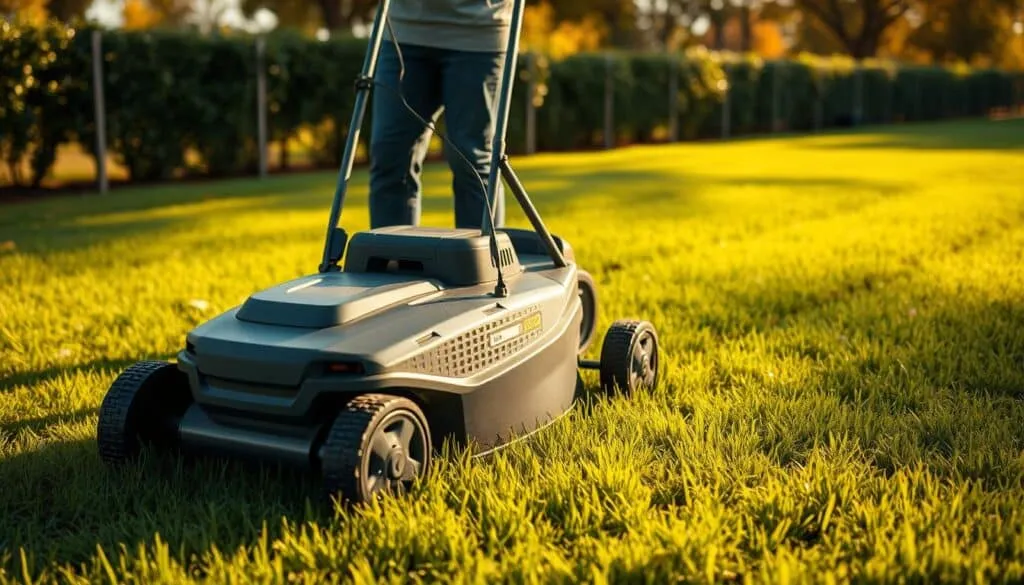
Two fundamental practices separate successful lawn establishment from disappointing results. Proper cutting techniques and clippings management work together to build turf resilience.
Following the 1/3 Mowing Rule
Never remove more than one-third of the grass blade height during any single cutting session. This rule prevents excessive stress on developing turf.
Cutting too much signals the plant to prioritize top growth over root development. Deep roots are essential for long-term lawn health and drought resistance.
If the turf has grown exceptionally tall, mow at a higher setting first. Wait several days before making a second pass at a slightly lower height.
| Mowing Practice | Root Development | Grass Health | Weed Resistance |
|---|---|---|---|
| Following 1/3 Rule | Strong, deep system | Vibrant growth | Excellent prevention |
| Cutting Too Short | Shallow, weak system | Stressed, pale grass | High weed invasion |
| Irregular Schedule | Uneven development | Patchy areas | Moderate vulnerability |
Bagging Clippings vs. Leaving Them on the Lawn
Bag grass clippings during the first month after installation. This prevents smothering tender blades and allows better air circulation.
Clippings can enrich your compost pile with valuable nutrients. Once the turf establishes firmly, leaving clippings provides natural fertilization.
This transition typically occurs after four to six weeks of consistent growth. The established lawn then benefits from the nutrient recycling.
Conclusion
Your investment in fresh turf reaches its first milestone with careful preparation for cutting. The two to three week waiting period allows roots to anchor firmly in the soil. This patience prevents unnecessary stress on developing grass.
The simple tug test confirms when your lawn is ready. Proper mower preparation with sharp blades ensures clean cuts. Following the one-third rule protects against damage during this critical first time.
View sod installation as a complete system. Each element contributes to long-term success. Proper care during establishment creates a resilient landscape that resists weeds.
Your attention to detail transforms the yard into a beautiful green space. The initial effort pays off with years of enjoyment. This systematic approach ensures your outdoor investment thrives.
FAQ
How long should I wait after installation before the first mowing?
I typically wait about two to three weeks after the sod installation. This timeframe allows the grass roots to establish firmly in the soil. The exact time can vary based on factors like the season, weather, and soil conditions. I always perform a tug test to check if the turf is securely anchored before starting my mower.
What is the best way to check if my new lawn is ready for mowing?
I perform a simple tug test. I gently tug on a corner of the sod. If it resists being lifted, the root system has started to grow into the ground, and it’s likely safe to proceed. If it lifts easily, I delay mowing and continue my watering schedule to encourage deeper root growth and prevent damage.
What height should I set my mower blades for the first cut?
For the initial mow, I set my mower to a higher setting to avoid stressing the young grass. I never remove more than one-third of the grass blade’s height. A cut that leaves the lawn about 3 inches tall is a good starting point for promoting healthy growth and discouraging weeds.
Should I bag the grass clippings or leave them on my new lawn?
I prefer to bag the clippings for the first few mows. This prevents the cuttings from smothering the new sod and blocking sunlight, which is crucial for establishment. Once the lawn is fully established and healthier, I can switch to mulching the clippings to return nutrients to the soil.
How does my watering schedule relate to the first mow?
Proper watering is critical. I ensure the soil is moist but not soggy before I mow. I avoid mowing right after a heavy watering or rain, as wet soil can be compacted by the mower’s weight, and wet grass can tear unevenly. I adjust my watering so the ground is firm for the best results.
Why is mower blade sharpness so important for a new sod lawn?
Sharp mower blades are essential. Dull blades tear the grass instead of cutting it cleanly. These ragged tears can stress the new turf, making it more susceptible to disease and slowing its growth. I always sharpen my blades before the first mow to ensure a clean cut for my lawn’s health.