
That familiar sound of drizzle on the window pane often brings a homeowner’s weekend plans to a screeching halt. I’ve faced this dilemma countless times, staring at a lush, overgrown yard that desperately needs a trim. The temptation to just get it done is powerful, especially when the schedule is tight.
My own experience taught me a hard lesson about firing up the equipment under these conditions. What seems like a simple time-saver can lead to significant problems. This guide explores the critical question of tackling yard maintenance when moisture is present.
We’ll dive into the real risks, backed by data showing thousands of annual injuries related to this machinery. Experts consistently advise waiting after precipitation stops. A simple footprint test on your turf is a reliable indicator of readiness.
Understanding the effects on your lawn’s health and your machine’s longevity is essential. While the general advice is clear, we’ll also cover those nuanced situations where you might feel compelled to proceed.
Key Takeaways
- Operating machinery on wet turf significantly increases safety hazards.
- Waiting at least a full day after heavy rain is the safest approach.
- A simple walk test can determine if your grass is dry enough.
- Cutting damp grass can harm its health and lead to an uneven cut.
- Wet conditions can cause clumping and potential damage to your equipment.
- There are specific scenarios and alternatives for managing a damp lawn.
- This advice combines expert research with practical, real-world experience.
Understanding the Challenges of Mowing Wet Grass
A slick, rain-soaked lawn fundamentally alters the safety and effectiveness of any mowing activity. What is normally a straightforward chore becomes a task requiring extreme caution.
My research into lawn care safety revealed a startling statistic: over 250,000 injuries related to this equipment occurred in a single year. Wet conditions significantly contribute to this number.
Safety Hazards and Slippery Conditions
The primary danger is loss of footing. Wet grass creates a slippery surface, making it easy to lose control of the machine, especially on slopes. A fall near spinning mower blades can have severe consequences.
Different mowers present unique risks. Riding mowers can skid and lose traction. Corded electric models pose a serious risk of electrical shock if water contacts the cord or connections.
Visibility is another major concern. Damp, tall grass can hide objects like toys or rocks, which can then be turned into dangerous projectiles by the mower.
Uneven Cuts and Grass Damage
The health and appearance of your turf suffer greatly. Water causes grass blades to bend and clump. Instead of a clean cut, the mower tears them, resulting in a ragged, uneven look.
This tearing action weakens each plant, making the entire lawn more susceptible to disease and stress. The result is often brown, damaged tips that make the yard look worse than before you started.
| Factor | Wet Grass | Dry Grass |
|---|---|---|
| Cut Quality | Torn, ragged blades | Clean, sharp cut |
| Lawn Appearance | Patchy, brown tips | Even, healthy green |
| Clumping | Heavy clumps left on turf | Fine, even dispersal |
| Plant Health | Increased stress and disease risk | Minimal stress, strong growth |
The mechanical challenge of achieving a clean cut on saturated turf is immense. The machine struggles, and the lawn pays the price.
Once the moisture evaporates, the patchy results become even more apparent, often necessitating a second pass. This damage to the grass blades is a key reason experts advise against mowing wet grass.
Impact of Wet Conditions on My Lawn’s Health
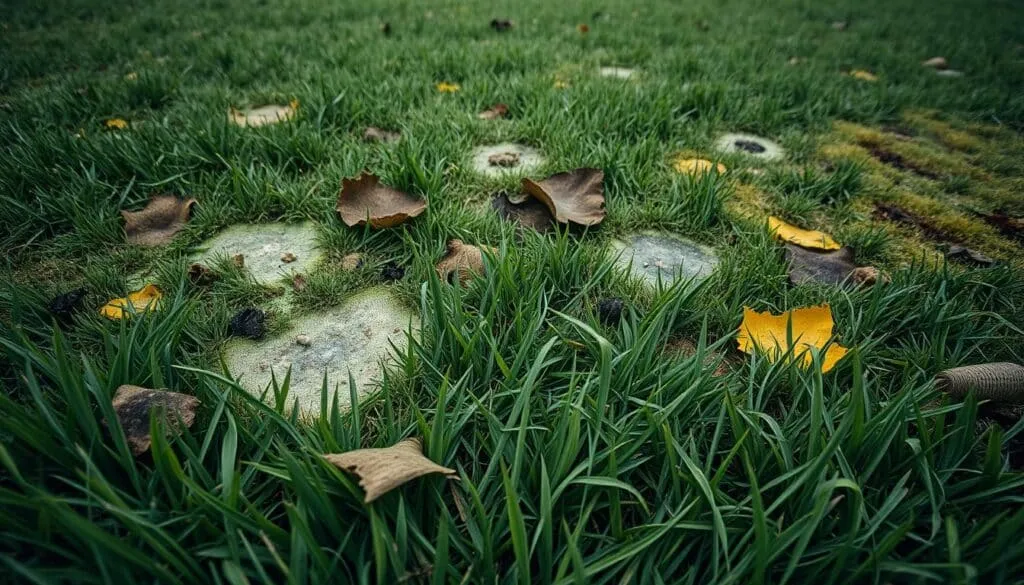
Discovering how fungal infections spread through saturated yards transformed my approach to lawn maintenance. Torn grass blades create open wounds that allow pathogens to enter. Moist conditions then provide the perfect breeding ground for these organisms.
Dr. Aaron J. Patton from Purdue University explains the risk clearly. “A few plant diseases can be spread by equipment when the turf is wet,” he states. Common issues include dollar spot, rust disease, and brown patch. Each creates distinctive discoloration patterns across the lawn.
Wet grass clippings sticking to mower components become disease carriers. They distribute spores to healthy areas during future cutting sessions. This turns small infections into widespread problems.
The long-term consequences include thinning grass and bare patches. Restoring lawn quality often requires costly treatments. Proper timing prevents this damage to your soil and turf health.
Assessing Mower Performance in Wet Weather
Operating machinery on saturated turf revealed hidden costs that went beyond just an uneven cut. The mechanical strain became apparent through unexpected equipment failures.
Dulling Blades and Engine Strain
Sticky, moisture-laden grass acts like sandpaper on cutting edges. My mower blades dulled significantly faster than during dry conditions.
This accelerated wear forces the engine to work harder. Clumped vegetation jams the rotating components, creating excessive strain.
The lawn mower struggles against this resistance. Overheating becomes a real risk when airflow gets blocked by wet clippings.
Clogging Issues in the Mower Deck
The mower deck becomes a collection point for problematic buildup. Wet grass clippings stick to every surface inside the deck.
This accumulation blocks the vacuum action essential for proper cutting. The machine bogs down and may stall completely.
Moisture from this wet grass promotes rust on metal components. Electrical connections face corrosion risks from water exposure.
Immediate cleaning after working with damp grass prevents long-term damage. Letting clippings dry only worsens the adhesive effect.
Practical Tips for Mowing When Rain Persists
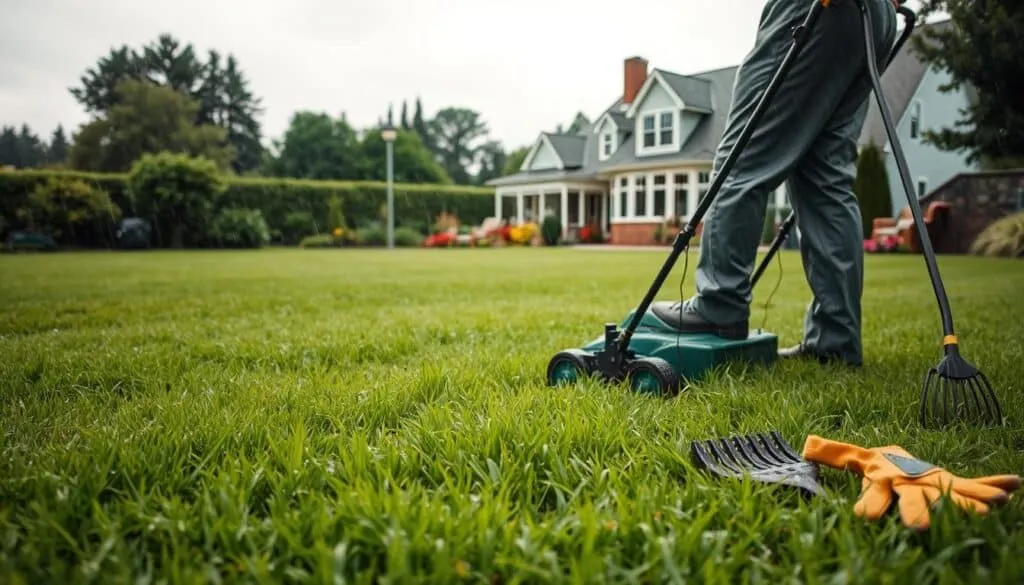
When continuous precipitation delays regular cutting schedules, alternative approaches become necessary. University research confirms that trimming slightly damp turf beats allowing excessive growth during extended wet periods.
Kansas State University experts recommend specific adjustments for these challenging conditions. Their guidance helps minimize damage while maintaining yard appearance.
Adjusting Mower Height and Settings
Raising cutting height represents the most critical first step. Higher settings reduce the volume of damp vegetation processed at once.
Sharp blades make cleaner cuts even on moist turf. Dull equipment tears grass blades, increasing disease vulnerability.
Slow, deliberate movement allows better processing. Rushing through the job creates clumping and uneven results.
Using Side Discharge to Minimize Clogging
Side discharge proves essential for handling wet clippings. This setting prevents buildup in mulching chambers and collection bags.
Frequent cleaning stops grass from accumulating under the deck. Built-up moisture promotes rust and reduces cutting efficiency.
| Method | Wet Grass Application | Dry Grass Application |
|---|---|---|
| Cutting Height | Highest setting recommended | Standard height appropriate |
| Blade Sharpness | Essential for clean cuts | Important but less critical |
| Discharge Method | Side discharge mandatory | Mulching or bagging optional |
| Movement Speed | Slow, deliberate pace | Normal operating speed |
| Cleaning Frequency | After each use required | Regular maintenance sufficient |
Walking across the turf provides a simple moisture test. Visible footprints indicate conditions remain too wet for optimal cutting.
These techniques balance immediate needs with long-term yard health. Proper implementation reduces risks when perfect conditions remain elusive.
Can You Mow the Lawn in the Rain? Key Considerations
The evidence from lawn care experts presents a clear verdict on this common homeowner dilemma. Extensive research confirms that cutting saturated turf creates multiple problems.
Several compelling reasons exist to avoid this practice. Safety hazards include slippery surfaces and electrical risks. Lawn health suffers from torn blades and disease spread. Equipment faces clogging and premature wear.
A simple risk-benefit analysis helps make the decision. Weigh the urgency against potential damage. Overgrown turf might justify proceeding with caution.
Timing guidelines provide practical guidance. Wait 24 hours after heavy precipitation. Light rain or dew requires 2-5 hours drying time.
The footprint test offers reliable assessment. Walk across your grass and check for visible impressions. Damp shoes indicate conditions remain unsuitable.
Regional factors influence drying rates. Humid climates and poor drainage extend waiting periods. Spring deluges versus summer showers require different approaches.
When growth becomes excessive, adjustments minimize harm. Raise cutting height and use side discharge. These techniques reduce risks during unavoidable situations.
Preventing Soil Compaction and Muffling Ruts
Many homeowners overlook the hidden damage occurring beneath the surface when they operate heavy equipment on soaked ground. This subsurface harm often proves more lasting than visible surface issues.
Heavy machinery pressing down on saturated earth compresses soil particles together. This compaction eliminates essential air spaces that grass roots need for healthy growth.
Managing Mower Weight on Saturated Soil
Riding mowers and self-propelled models exert significant pressure on soft ground. Their substantial weight creates deep impressions that remain long after the area dries.
Wet grass clippings collected in bagging systems add considerable extra load. This additional burden increases soil compression and reduces equipment efficiency.
Ruts form when wheels sink into softened earth. These grooves create uneven terrain that complicates future maintenance. Deep depressions can hold standing water, becoming mosquito breeding sites.
Areas with poor drainage or clay-based soil are particularly vulnerable. Recognizing compaction signs early prevents long-term damage. Look for water pooling, thin patches, and struggling growth despite proper care.
Strategies to Minimize Lawn Diseases and Fungal Risks
The connection between mower hygiene and lawn health became clear when I battled recurring turf diseases. Proper equipment care and timing decisions form the foundation of effective prevention.
Cleaning and Maintaining Mower Components
Sharp, clean mower blades create precise cuts that heal quickly. Torn edges from dull equipment invite fungal diseases to enter grass plants.
After each session, remove all clippings from the deck and undercarriage. Moisture-laden debris promotes spore growth between uses. This cleaning routine proves especially vital after working in wet conditions.
Choosing the Right Time to Mow
Dr. Aaron J. Patton highlights morning humidity as a key risk factor. Diseases like Pythium blight spread rapidly during hot, damp periods.
Wait until afternoon when dew evaporates completely. Avoid cutting when grass shows active infection symptoms. This timing strategy significantly reduces disease transmission across your property.
Healthy turf resists pathogens more effectively. Combine proper lawn mowing schedules with balanced nutrition for lasting protection.
Conclusion
After extensive research and personal experience, the verdict on tackling saturated turf is clear. The evidence overwhelmingly shows that mow wet grass operations should generally be avoided. This practice significantly increases risk to personal safety while causing damage to lawn health and equipment.
However, I understand homeowners sometimes face persistent wet conditions where they must mow. When cutting wet grass becomes necessary, proper precautions minimize problems. Raise the mower height, use side discharge, and clean equipment thoroughly after each session.
Check if grass is still wet using the footprint test before proceeding. For those consistently struggling with timing, professional services offer reliable lawn maintenance regardless of weather. Patience and proper timing always yield superior results with less frustration.
FAQ
Is it safe to operate a lawn mower on wet grass?
I consider it a significant safety hazard. Wet conditions create slippery surfaces, increasing the risk of losing footing. The combination of water, electricity, and spinning mower blades presents a real danger that I always try to avoid.
What kind of damage can cutting wet grass cause to my lawn?
Mowing when the turf is still wet leads to an uneven cut, as grass blades tend to bend over instead of being cleanly sliced. This can tear and bruise the grass, leaving a ragged appearance and making the area more susceptible to fungal diseases.
How does mowing wet grass affect my lawn mower?
Wet grass clippings are heavy and sticky, leading to frequent clogging under the mower deck. This buildup strains the engine and can prematurely dull the cutting blades. The moisture also increases the risk of rust and corrosion on the machine’s components.
Can mowing a wet lawn lead to soil problems?
Absolutely. The weight of the mower on saturated soil causes compaction, which restricts water and air from reaching the grass roots. This pressure can also create unsightly ruts and depressions in the lawn that are difficult to repair.
Are there any tips for mowing if I absolutely must cut wet grass?
If you must mow wet, I recommend raising the cutting height to reduce stress on the grass. Using the side-discharge setting instead of mulching or bagging can help minimize deck clogging. Always clean the mower thoroughly immediately after use to prevent damage.
What is the best time to mow after rainfall?
I wait until the grass is completely dry. This typically means waiting at least 24 hours after a good rain, or until the morning dew has fully evaporated. A dry lawn ensures a cleaner cut and protects both the turf and the equipment.