
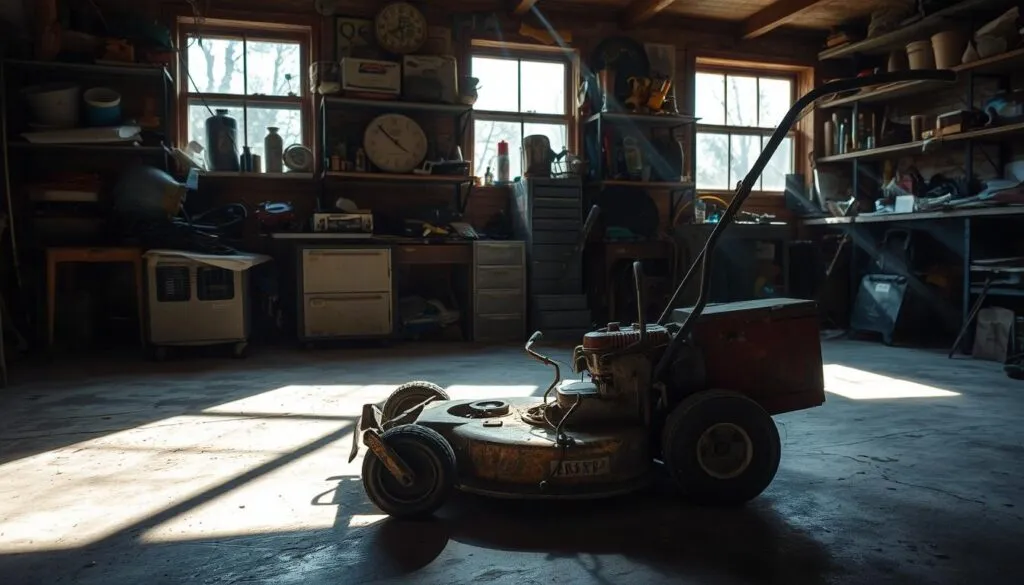
Have you ever stared at a piece of equipment in your garage, wondering what its next chapter should be? That was me with my trusty lawn mower. It had served me well for years, but its time had come. The challenge was clear: I needed a proper way to handle this bulky item.
I felt a wave of confusion. Is it okay to just leave it by the curb? Could someone else use it? I didn’t know the rules or the best options. My journey began with simple questions. Was the machine still functional? What did my local area allow?
This personal mission led me to discover a world of responsible disposal methods. I’ve compiled everything I learned into this guide. My goal is to turn your confusion into clarity. Let’s find the best path for your outdated garden tool together.
Key Takeaways
- Proper disposal of lawn equipment is essential for environmental safety and freeing up space.
- Assessing if your mower is still working is the critical first step before choosing a disposal method.
- Multiple local options exist, from recycling centers to donation programs.
- Responsible disposal prevents harmful chemicals from contaminating the environment.
- This guide provides a clear, step-by-step process based on real-world experience.
- You can often give a functional machine a second life, benefiting your community.
Introduction: My Journey to Disposing of an Old Lawn Mower
My decision to part ways with aging yard equipment stemmed from a simple truth: efficiency had given way to frustration. What was once a reliable machine had transformed into a constant source of maintenance headaches.
My motivation for letting go of an outdated mower
The final straw came during a particularly humid Saturday. My trusty lawn mower sputtered to a halt for the third time that month. I realized the repair costs were exceeding the value of the equipment itself.
This machine required constant attention just to perform basic lawn care tasks. It consumed more time fixing than actually mowing. The space it occupied in my garage became a reminder of inefficiency rather than utility.
The benefits of a clutter-free garage
Once I removed the outdated equipment, the transformation was immediate. My garage suddenly felt spacious and organized. I could actually walk around without navigating obstacles.
The mental relief was significant. No more staring at a broken machine every time I entered the space. My entire lawn care routine became more streamlined and efficient.
This decision opened opportunities for modern solutions. I could now consider upgrading to more efficient equipment that would save time and effort. The garage became a functional space rather than a storage unit for outdated tools.
Understanding the Importance of Proper Lawn Mower Disposal
The true cost of an outdated piece of yard equipment isn’t just the space it takes up; it’s the potential harm it can cause if handled incorrectly. I quickly learned that responsible disposal is a critical step, not an afterthought.
Environmental and safety considerations
My research was an eye-opener. Gas-powered models, even when broken, can leak hazardous materials like fuel and oil. These substances don’t just vanish. They can seep into the soil, threatening groundwater and local ecosystems.
I also discovered the air quality impact. These machines emit pollutants that contribute to broader environmental issues. Proper waste management ensures these toxins are contained and processed safely.
The safety risks were equally concerning. A machine past its prime often has worn blades and exposed wiring. This poses a serious injury threat to anyone who might handle it unsuspectingly.
How responsible disposal protects local communities
Choosing the right disposal path does more than just clear your garage. It actively safeguards your neighborhood. Preventing soil and water contamination protects public health and preserves natural resources.
It also reduces risks for sanitation workers and prevents dangerous items from entering the general waste stream. This conscientious approach to handling materials like batteries and fluids creates a safer environment for everyone.
Ultimately, it’s about stewardship. Properly managing this type of waste is a direct contribution to a cleaner, healthier community. It’s a simple action with a significant positive ripple effect.
Where to Get Rid of Old Lawn Mower: My Personal Options
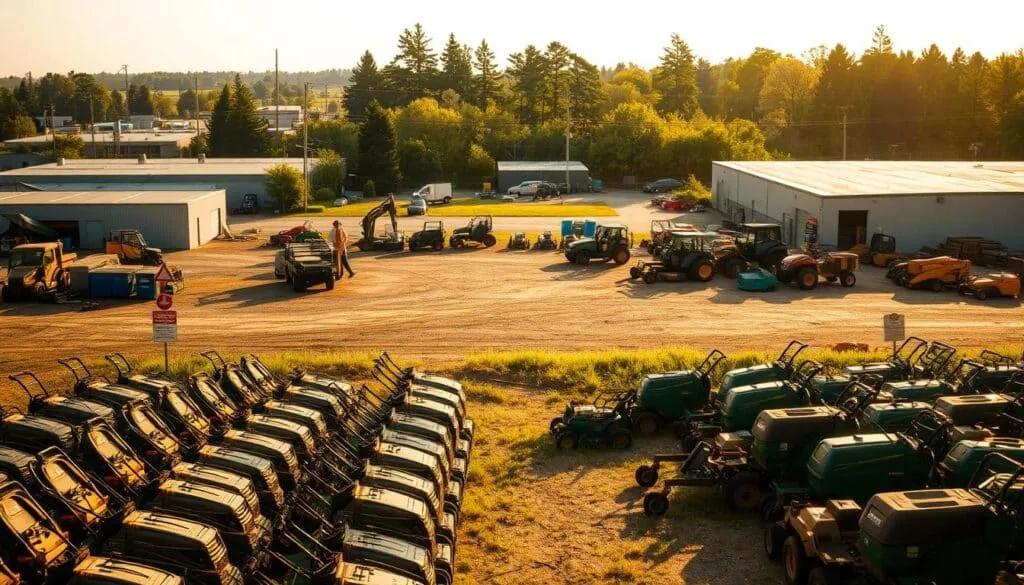
I discovered that my city offered several official pathways for handling bulky items. My research led me to two primary solutions that proved both effective and responsible.
Exploring Local Recycling Centers and Pickup Services
My first stop was the Earth911 website. This resource quickly identified nearby facilities that accept garden equipment. I found a recycling center just a short drive away.
Next, I contacted my municipal waste management department. Their website listed specific dates for large-item pickup. I learned I needed to schedule this service in advance.
The scheduling process was straightforward. I provided details about the machine’s type and condition. This ensured the disposal crew was prepared.
Advantages of Choosing Responsible Disposal Methods
I appreciated knowing that metal and aluminum parts would be repurposed. This recycling process gives materials a new life. It was a far better option than the landfill.
Some services charge a small fee. I found this cost minimal compared to the environmental benefit. The staff at the center were helpful and ensured everything was handled correctly.
This effort provided significant peace of mind. I was confident I made an eco-friendly choice. Supporting local recycling initiatives felt like the right decision.
| Option | Process | Cost | Best For |
|---|---|---|---|
| Municipal Pickup | Schedule a curbside collection | Often free or low fee | Convenience, no transport needed |
| Recycling Center Drop-off | Transport item to a facility | Possible small fee | Ensuring materials are recycled |
| Junk Removal Service | Professional pickup and hauling | Higher fee | Immediate removal, hands-off approach |
Recycling, Scrapping, and Alternative Services
My exploration of disposal methods led me to discover specialized services beyond basic recycling. These professional options offered different benefits depending on my specific situation.
Recycling versus scrapping: What I learned
I discovered that true recycling requires significant deconstruction work. The process involves separating plastic body parts from metal components. This careful separation ensures materials get properly processed.
Scrap yards offered another path for gas-powered equipment. They accept broken machines and may pay for valuable metal parts. The payment depends on the machine’s size, age, and condition.
Using junk removal and dumpster rental for large projects
When I had multiple items to clear out, junk removal services became appealing. Companies like 1-800-GOT-JUNK? handle pickup and transportation. They prioritize environmentally responsible disposal methods.
For major garage cleanouts, I considered roll-off dumpster rentals. This option works well when disposing of several broken yard tools. Preparation requires removing gasoline, oil, and batteries first.
| Service Type | Preparation Required | Cost Factor | Best Situation |
|---|---|---|---|
| Professional Recycling | Full deconstruction needed | Often free or small fee | Single machine, environmental priority |
| Scrap Yard | Basic breakdown and sorting | Possible payment for metal | Gas mowers with valuable components |
| Junk Removal Service | Minimal preparation | Based on truck space used | Multiple items, convenience needed |
| Dumpster Rental | Hazardous material removal | Flat rental fee | Large cleanout projects |
Methods for Disposal of a Working Lawn Mower
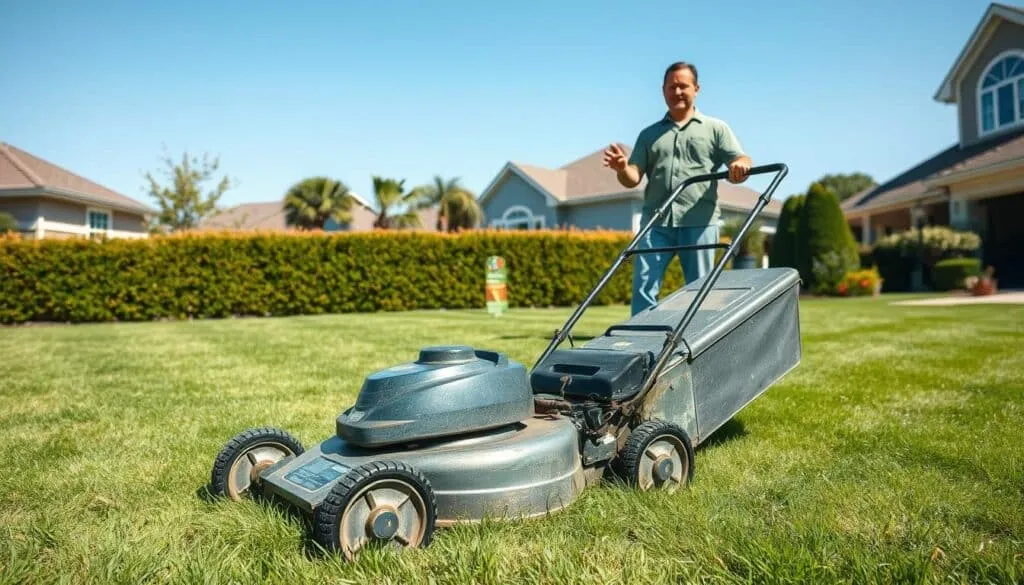
A functional machine deserves more than the landfill. That realization sparked my search for meaningful alternatives. I discovered several rewarding paths for equipment that still operates well.
Selling online and donating to community organizations
I successfully sold my working lawn mower through Facebook Marketplace. Detailed photos from every angle proved essential. I included the serial number and was completely transparent about the machine’s condition.
This honesty built trust with potential buyers. I researched similar models to set a fair price. The process attracted serious inquiries quickly.
Donation offered another excellent option. Habitat for Humanity ReStore accepts gently used yard equipment. Many local charities welcome functional garden tools.
Creative ways to repurpose or trade in your mower
Home improvement stores like Home Depot often run trade-in programs. These exchanges provide discounts on new equipment. It’s a convenient upgrade path.
I also considered creative repurposing. The engine could power a small go-kart. Salvaging parts like wheels and blades supports future repairs.
Even the mower deck transforms into a unique garden cart. These approaches extend the machine’s usefulness beyond its original purpose.
Steps to Prepare Your Lawn Mower for Disposal
Safety became my top priority when I began preparing my equipment for its final journey. I started by wearing thick work gloves to protect against sharp metal edges and plastic fragments. This simple precaution prevented several potential cuts during the process.
The most critical step involved handling hazardous materials properly. I needed to drain all fuel and oil from the gas-powered mower. Since I lacked experience with this task, I consulted a professional to ensure safe removal.
Draining fluids and removing hazardous materials safely
I carefully disconnected the spark plug first for safety. Then I drained the oil and gasoline into approved containers. Removing the battery was next, followed by detaching the brake cable and various linkages.
My community had designated drop-off sites for these hazardous materials. This prevented environmental contamination from fluid leaks during transport. Proper disposal of these substances was essential for community safety.
Cleaning and organizing components for efficient processing
After draining fluids, I thoroughly cleaned the mower deck and components. Removing grass clippings and dirt made the machine more presentable. This also helped prevent spreading pests or diseases.
I organized all removable parts and checked for personal items. Gathering the owner’s manual and warranty documents proved valuable later. Complete documentation significantly improved my resale options.
The preparation time invested paid dividends throughout the disposal process. A well-prepared machine moves smoothly through recycling or resale channels.
Navigating Local Regulations and Safety Tips
I almost made a costly mistake by assuming disposal rules were universal across different cities. My initial research revealed dramatic variations in municipal guidelines for handling yard equipment.
Checking local waste management websites became essential. I discovered specific collection events and designated drop-off points for large items. Some municipalities completely prohibit placing these machines in regular trash pickup.
Checking local waste management guidelines
Understanding permit requirements and disposal fees saved me from potential fines. I learned that rules vary significantly between states and even neighboring counties. Proper research ensured I followed all local regulations.
For electric lawn mowers, I needed to verify which facilities accept lawn equipment with electrical components. Battery handling requires special attention at designated waste collection points.
Personal safety measures during disassembly
I invested in quality protective gloves and eyewear before starting disassembly. Residual fluids and sharp edges present real hazards during this process.
Using the right tools proved crucial for safe breakdown. Basic wrenches, pliers, and screwdrivers helped me avoid damaging components. Consulting the manufacturer’s manual provided specific safety precautions I wouldn’t have considered otherwise.
Online resources like Manuals Online helped when my original documentation was missing. Taking time to make sure I understood each step prevented accidents and ensured efficient processing.
Conclusion
What started as a simple garage cleanup evolved into an educational experience about sustainable practices. My journey through various disposal methods revealed multiple responsible paths for outdated lawn care equipment.
From recycling centers to junk removal services, each option serves different needs. Proper preparation remains essential regardless of your chosen method. Draining fluids protects both workers and the environment.
This process benefits our communities and natural spaces. The extra effort creates cleaner neighborhoods and conserves resources. Your yard equipment can find new purpose through donation or creative repurposing.
You now have the knowledge to handle this task confidently. Choose the service or method that aligns with your values and situation. Making an informed decision brings peace of mind and environmental benefits.
FAQ
What is the easiest way to dispose of a lawn mower that no longer works?
I found that taking it to a local scrap metal yard or a specialized equipment recycling center is often the most straightforward path. Many of these facilities accept lawn mowers and will handle the components properly. You can also check if your municipal waste service offers a large-item pickup day.
Can I just put my old mower out with the regular trash?
Generally, no. Most trash collection services will not accept lawn care equipment like mowers because they contain hazardous materials such as fuel and oil. Putting it in the trash can result in a fine, and it’s harmful to the environment. Proper disposal at a designated center is essential.
How do I prepare my mower for recycling or disposal?
My first step is always safety. I make sure to drain all the gasoline and engine oil from the machine. If it’s a model with a battery, I remove that as well. These items usually need separate disposal. Giving the mower a quick clean helps the recycling process and makes it safer to handle.
Are there places that will pay me for my old lawn mower?
Yes, if your mower has valuable metal parts, a scrap yard might pay you by weight. For a mower that is still in working condition, you have better options. I’ve had success selling functional equipment online or to local lawn care businesses looking for spare parts.
What should I do with a broken electric lawn mower?
Electric mowers require careful handling due to their battery and electrical components. I look for an e-waste recycling facility or check with the manufacturer, as some brands have take-back programs. Never dispose of lithium-ion batteries in regular trash because they are a fire hazard.
Can I donate a lawn mower that still runs?
A> Absolutely. Many charities, community gardens, or neighborhood tool libraries gratefully accept working lawn mowers. It’s a fantastic way to give your equipment a second life and support your community. Just call ahead to confirm they are currently accepting such donations.