
Have you ever wondered if that beautiful, instant green carpet in your yard is truly ready for its first trim? Many homeowners face this critical decision after installation. The answer is more nuanced than a simple calendar date.
Freshly laid turf provides immediate visual gratification. It transforms a bare patch into a lush, inviting space. However, this instant coverage comes with a unique responsibility. The grass and its root system need a specific period to anchor firmly into your soil.
This establishment phase is delicate. Proper care during these initial weeks sets the stage for long-term vitality. A misstep with the mower can undo all your hard work and investment. The goal is to encourage deep root growth for a thick, resilient turf.
I will guide you through the essential steps for determining the perfect moment for that first cut. We will explore testing methods, optimal mowing techniques, and equipment choices. This ensures your green investment thrives for years, becoming a durable centerpiece for your outdoor living.
Key Takeaways
- Freshly installed turf requires a special establishment period before the first mowing.
- The timing for the initial cut is crucial for strong root development and overall lawn health.
- Proper care from the start prevents damage and promotes a thick, resilient grass cover.
- This guide provides a complete roadmap from installation through the first mow and beyond.
- Avoiding common mistakes early on saves time and money in the long run.
- The right techniques ensure your yard can withstand family activities and seasonal changes.
Understanding New Sod Installation and Initial Care
While sod installation delivers instant gratification with its lush appearance, the underlying biological processes need time to synchronize with your soil. This pre-grown grass arrives with a thin layer of soil and developing roots, creating an immediate green carpet. The installation provides quick erosion control and visual appeal compared to traditional seeding methods.
The Importance of Root Establishment
The critical phase after installation focuses on root development. Shallow roots begin forming within approximately two weeks. However, a fully established system requires about six weeks to anchor deeply.
During this period, the grass remains vulnerable to damage. The fragile root structure cannot withstand heavy equipment or excessive traffic. Proper care ensures strong growth and long-term lawn health.
| Establishment Phase | Timeframe | Root Development | Care Requirements |
|---|---|---|---|
| Initial Adaptation | Week 1-2 | Shallow root formation begins | Daily watering, minimal disturbance |
| Active Growth | Week 3-4 | Roots penetrate deeper into soil | Reduced watering frequency |
| Full Establishment | Week 5-6 | Strong, deep root system | Regular maintenance schedule |
Proper Watering and Stress Prevention
Water management is crucial during the establishment period. The first week requires daily irrigation to keep the topsoil consistently moist. This prevents stress on the developing grass.
During the second week, transition to watering every other day. Adjust frequency based on weather conditions, increasing during hot, dry periods. This approach encourages roots to seek moisture deeper in the ground.
After four to six weeks, adopt a regular watering schedule as the roots establish themselves. Proper hydration during these critical weeks sets the foundation for a resilient turf that can withstand environmental challenges.
Determining How Soon Can You Mow New Sod
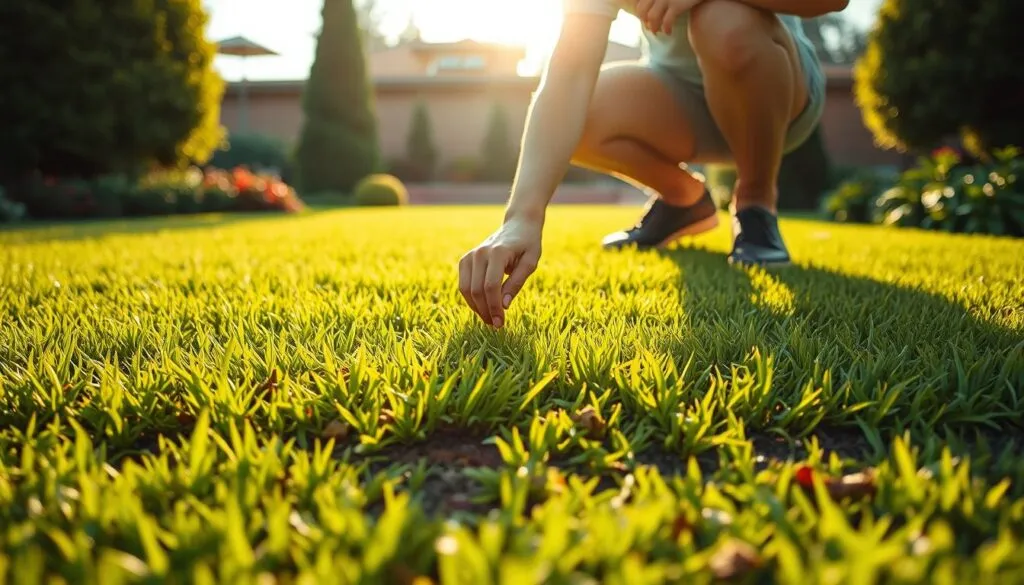
As your recently laid turf begins to establish itself, specific indicators will reveal when it’s prepared for its debut trim. The general timeframe falls between two to three weeks after installation. Some experts advocate waiting the full three weeks for optimal root development.
Weather conditions and installation quality can affect this timeline. Monitoring growth becomes essential rather than relying solely on calendar dates.
Testing Root Stability by Gently Tugging
Perform a simple tug test to check if your sod is ready. Gently pull on a corner section of the grass. If it lifts easily, the roots need more time.
Resistance indicates successful anchoring into the soil. This method provides reliable confirmation that mowing can proceed safely.
Identifying the Ideal Grass Height
Watch for the grass to reach three to four inches tall. This height signals sufficient strength to withstand cutting. The blades have developed enough length for a healthy first trim.
Look for vibrant green color throughout the lawn. Uniform growth without yellowing or wilting shows the turf is thriving. These visual cues complement the physical tug test.
Patience during this waiting period prevents damage to developing roots. Rushing the process risks uneven growth and vulnerability to lawn problems. Proper timing ensures long-term health for your investment.
Mowing Techniques and Equipment Considerations
Proper mowing practices begin with the right tools and a gentle strategy. The initial cut requires careful planning to protect developing roots.
I will guide you through selecting equipment and establishing a schedule that promotes thick, healthy growth.
Choosing the Right Mower and Maintaining Sharp Blades
Equipment choice is your first critical decision. A lightweight push mower is ideal for the first few mowing sessions.
Heavy riding mower models can compact soil and harm fragile root systems. The goal is minimal disturbance.
Sharp mower blades are non-negotiable for a healthy lawn. Dull blades tear the grass, creating open wounds for disease.
This tearing results in a ragged, white appearance at the tips. A clean cut heals quickly and maintains vibrant color.
Setting the Correct Mower Height and Schedule
Your mower‘s height setting is crucial. Always set mower decks to the highest setting for the first cut.
This typically means leaving the grass at about three to four inches. Never remove more than one-third of the blade height.
Exceeding this stresses the plant, shifting energy to top growth instead of roots. If the lawn is too tall, make multiple passes over several days.
| Mowing Factor | Recommendation | Benefit |
|---|---|---|
| Time of Day | Early morning or late afternoon | Avoids heat stress on the grass |
| Lawn Condition | Completely dry surface | Prevents clumping and disease spread |
| Clipping Management | Bag clippings for the first month | Reduces matting while sod establishes |
Choose a cool part of the day for mowing. Stop watering one day prior to let the ground firm up.
Vary your mowing direction each time to encourage upright growth and prevent soil compaction. This technique ensures an even, professional look all season long.
Additional Tips for Ongoing Sod and Lawn Maintenance
After the inaugural mowing session, your installed sod enters a critical maturation phase requiring refined maintenance strategies. Consistent attention during this period solidifies the foundation for a durable and vibrant lawn.
Post-Mowing Watering and Nutrient Management
Adjust your watering routine after the first cut. Gradually reduce frequency but increase the amount of water applied each time. This encourages roots to grow deeper into the soil.
Schedule irrigation for early morning. This timing minimizes evaporation and helps prevent fungal disease.
Limit foot traffic for the first few weeks. Walking on the young grass can compact the soil and harm delicate root systems.
Managing Weeds, Pests, and Seasonal Care
Effective long-term care involves proactive monitoring. Hand-pull weeds initially to avoid chemical stress on the establishing sod.
For pest control, inspect regularly for damaged blades. Consider introducing beneficial insects as a natural solution.
Aeration is a vital annual task. It alleviates compaction, allowing essential elements to reach the root zone and promote healthy growth.
| Season | Primary Focus | Key Action |
|---|---|---|
| Spring | Revitalization & Growth | Apply balanced fertilizer; begin regular mowing schedule. |
| Summer | Heat & Drought Management | Deep, infrequent watering; raise mowing height slightly. |
| Fall | Root Strengthening | Core aeration; apply winterizing fertilizer. |
Spring and early fall offer the best conditions for sod establishment. This seasonal approach ensures your lawn remains resilient year-round.
Conclusion
Achieving proper timing for the inaugural grass cutting after turf installation ensures long-term lawn vitality. This critical milestone typically occurs two to three weeks following placement, when roots have firmly anchored.
The gentle tug test and monitoring blade height to three or four inches provide reliable readiness indicators. Using sharp blades on the highest setting prevents stress on developing grass. Following the one-third rule maintains healthy growth patterns.
Your patience during this establishment period pays dividends for years. Consistent care transforms your investment into a resilient, beautiful landscape. This foundation supports family enjoyment through every season.
FAQ
What is the most important factor before the first mow?
The most critical factor is root establishment. I wait until the sod has firmly knit to the soil beneath it. This usually takes about two weeks after installation. If the turf lifts easily when I tug on a corner, the roots aren’t ready, and I postpone mowing to avoid damaging the new lawn.
How do I know my sod is ready for its first cut?
I perform two simple checks. First, I gently tug on a section of grass. If it resists being lifted, the roots are established. Second, I check the grass height. Most types are ready when they reach about 3 to 4 inches tall. This height indicates healthy growth and signals it’s time for that initial mowing.
What is the safest way to mow new sod for the first time?
I always set my mower to its highest setting for the first cut. I never remove more than one-third of the grass blade height to prevent stress. Using a mower with sharp blades is non-negotiable, as dull blades tear the young grass, making it vulnerable to disease. I also mow when the ground is dry to avoid ruts.
How does watering schedule relate to mowing new sod?
Proper watering is essential before and after mowing. I keep the soil consistently moist to encourage deep root growth prior to the first mow. After cutting, I water lightly to help the grass recover from the mild stress. A good rule I follow is to adjust my watering based on the season, providing more in summer and less in fall.
What ongoing maintenance is crucial after the first mow?
After the first successful cut, I focus on consistent maintenance. This includes regular mowing on a schedule, always sharpening my mower blades, and managing nutrients with a proper fertilization plan. I also keep an eye out for weeds and pests, addressing them early to maintain the health and beauty of my lawn.