
What if the secret to a lush, green lawn isn’t just what you feed it, but when you cut it? Many homeowners struggle with this exact timing puzzle, trying to balance their lawn care routine for the best results.
I’ve seen countless beautiful yards suffer because of a simple scheduling mistake between mowing and fertilization. The relationship between these two tasks is crucial for lawn health. Getting the sequence right makes a huge difference.
This guide will clear up the confusion. The answer depends on several factors, including the type of product used and proper techniques. I will share the knowledge I’ve gained from helping many people achieve their dream turf.
Proper timing ensures your grass gets the full benefit of essential nutrients. A misstep can lead to wasted effort and a patchy lawn. Let’s explore how to coordinate these tasks perfectly.
Key Takeaways
- Timing between mowing and applying nutrients is critical for lawn health.
- The type of product used directly influences the recommended waiting period.
- Mowing too soon can reduce the effectiveness of your lawn treatment.
- A best practice is often to cut the grass before feeding it.
- Proper scheduling prevents wasted money and effort.
- This guide provides clear, step-by-step instructions for optimal results.
Understanding Lawn Fertilization and Mowing Basics
Building a healthy lawn requires mastering two fundamental practices that work in harmony. Proper cutting techniques create the ideal conditions for nutrients to benefit your turf effectively.
Mowing Techniques That Promote Healthy Grass
Following the one-third rule prevents stress on your turf. Never remove more than one-third of the grass blade height during any single cutting session.
Different grass varieties need specific cutting heights. Cool-season types like fescue prefer taller settings than warm-season varieties such as Bermuda grass.
| Grass Type | Ideal Mowing Height | Growth Pattern |
|---|---|---|
| Kentucky Bluegrass | 2.5-3.5 inches | Cool-season, spreading |
| Tall Fescue | 3-4 inches | Cool-season, clumping |
| Bermuda Grass | 1-2 inches | Warm-season, aggressive |
| Zoysia Grass | 1-2.5 inches | Warm-season, dense |
Changing your mowing pattern each time encourages upright blade development. Sharp blades create clean cuts that heal quickly rather than tearing grass.
How Fertilization Affects Soil Nutrients and Growth
Soil nourishment provides essential elements for vigorous turf development. These nutrients support root strength and overall plant health.
Proper cutting practices maximize nutrient absorption. Healthy grass blades can better utilize the nourishment provided by soil treatments.
Coordinating these activities ensures optimal results for your landscape. The timing between applications influences their effectiveness significantly.
Ideal Timing Between Mowing and Fertilizing
A well-timed lawn care schedule prevents wasted product and promotes uniform, vigorous growth across your entire yard. The sequence of these tasks directly impacts how effectively your grass utilizes nutrients.
Benefits of Mowing Before Fertilizing
I recommend cutting the grass a day or two before you plan to apply any treatment. This strategy creates an ideal surface for the product to reach the soil.
Shorter blades allow granules or spray to contact the ground more easily. It also removes clippings that might block the nutrients.
Guidelines for Safely Mowing After Fertilizer Application
If you need to cut the grass following a treatment, patience is essential. The required waiting period depends on the type of product used.
Granular options need more time to dissolve and settle. Liquid treatments require less time but must be completely dry.
| Fertilizer Type | Safe Waiting Period | Key Consideration |
|---|---|---|
| Granular Fertilizer | 24-48 hours | Allows granules to break down and absorb |
| Liquid Fertilizer | Until completely dry (a few hours) | Prevents product from sticking to mower |
Cutting too soon risks physically removing the treatment, especially with a bagging mower. This leads to uneven nutrient distribution and patchy turf.
If an unexpected situation forces an early cut, lightly water the lawn afterward. This helps any remaining product soak into the soil instead of being wasted.
Planning your schedule for the week is the best approach. When in doubt, mow first and treat second for optimal results.
Can I Mow After Fertilizer? Essential Considerations
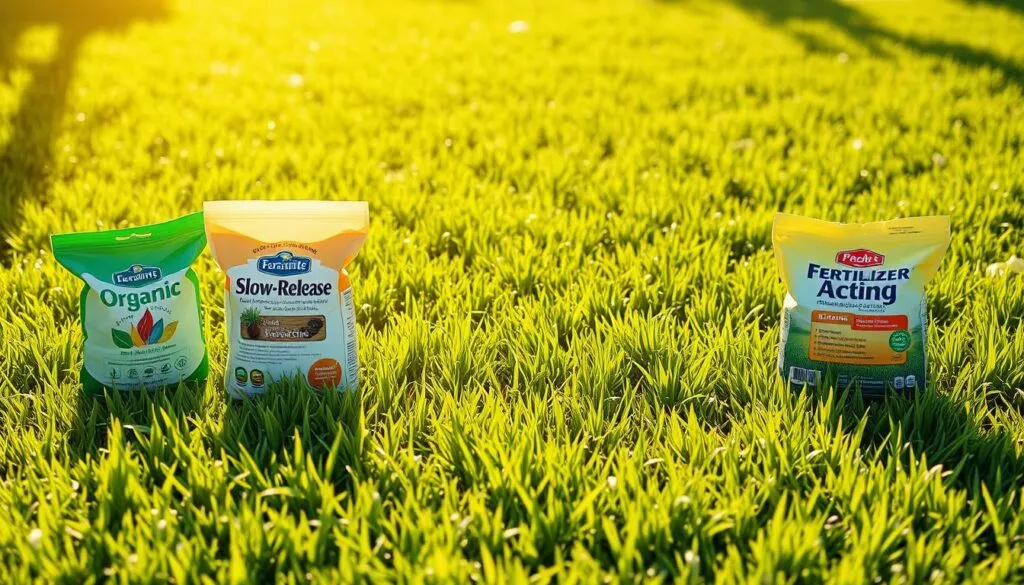
Your choice between liquid and granular products directly shapes your weekly yard work schedule. Each formulation offers distinct advantages that affect your maintenance routine.
Risks of Mowing Too Soon: Fertilizer Burn and Uneven Application
Cutting grass prematurely after treatment creates two primary hazards. First, the mower blades can physically remove granules before they dissolve properly.
Second, wet liquid treatments may stick to equipment and distribute unevenly. This leads to patchy nutrient coverage across your landscape.
Selecting the Right Fertilizer and Mower Settings
I recommend matching your product selection to both your grass variety and maintenance schedule. Consider this comparison when choosing between main options:
| Fertilizer Type | Waiting Period | Best For |
|---|---|---|
| Liquid Formula | 4+ hours (until dry) | Quick results, even coverage |
| Granular Type | 24-48 hours | Long-lasting nutrition, economy |
Liquid options work well for immediate turf needs but cost more. Granular products provide extended feeding at lower prices.
Your mower height setting should complement your grass variety. Cool-season types need taller cuts than warm-season varieties for optimal health.
Proper equipment adjustment ensures clean cuts that support vigorous turf development. This synergy between treatment and cutting promotes lush, resilient lawn growth.
Step-by-Step Guide for Mowing and Fertilizing Effectively
Mastering the sequence of lawn care activities transforms good results into exceptional ones. I developed this systematic approach through years of helping homeowners achieve their ideal turf.
Pre-Fertilization Preparations and Weather Checks
Always review your specific lawn fertilizer instructions before beginning. Weather conditions significantly impact how well nutrients absorb into the soil.
Choose a day with mild temperatures and no rain forecast for 24 hours. Proper timing ensures your grass receives maximum benefit from the fertilization process.
Mowing Steps to Optimize Nutrient Absorption
Cut your grass one to two days before applying any treatment. This creates the ideal surface for nutrients to reach the soil effectively.
Remove no more than one-third of the grass blade height during this preparatory cut. Clean cuts allow better penetration of essential elements.
Post-Fertilization Lawn Care Tips
Patience becomes crucial after you fertilize lawn areas. The waiting period allows nutrients time absorb properly into the root system.
Granular products require 24-48 hours before any lawn activity. Liquid treatments need only until completely dry, typically four hours or more.
Watering helps granular fertilizer dissolve and carry nutrients deeper. Avoid foot traffic during this critical absorption window.
Monitor your turf for signs of successful treatment like greening and vigorous growth. Proper care during these hours ensures your investment delivers optimal results.
Expert Tips for Perfect Lawn Maintenance
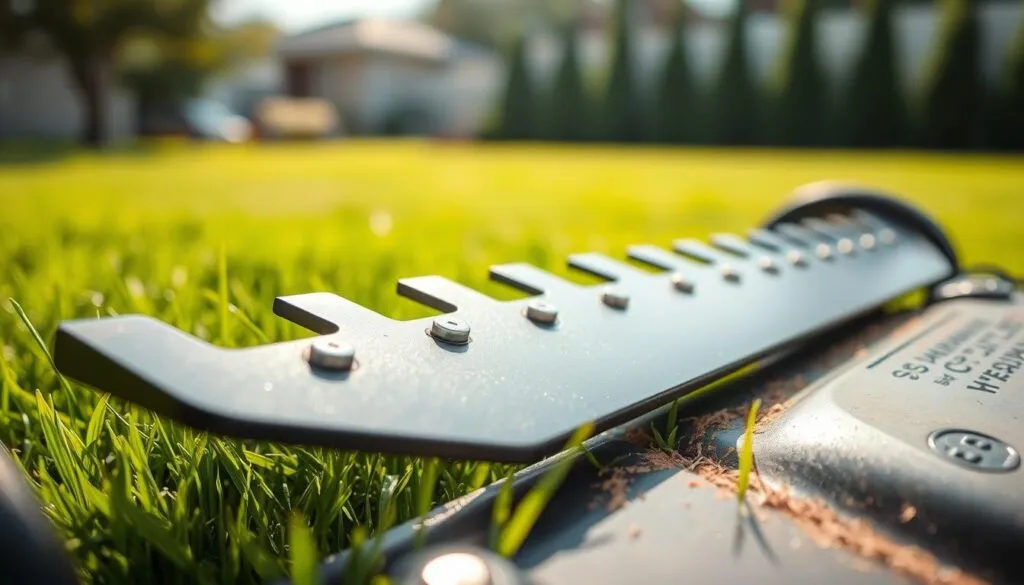
The sharpness of your cutting equipment plays a crucial role in how your grass responds to nutrients. Many people focus on timing and product selection but overlook this fundamental aspect of lawn care.
Proper blade maintenance ensures your investment in lawn fertilizer delivers maximum results. Dull mower blades tear grass instead of cutting cleanly, creating ragged edges that turn brown.
Maintaining Sharp Mower Blades for a Clean Cut
Sharp blades create clean cuts that heal quickly and maintain vibrant green tips. This reduces stress on grass plants, especially important for a fertilized lawn absorbing nutrients.
I recommend sharpening mower blades every 20-25 hours of use. Torn grass blades invite disease and pests, compromising your best lawn efforts.
When planning lawn fertilizing schedules, always mow lawn areas the day before application. This ensures freshly cut grass can better utilize the nutrients.
For recently treated turf, wait hours mowing based on your lawn fertilizer type. Granular products need 24-48 hours, while liquid lawn fertilizing requires complete drying.
Modern solutions like eufy robot mowers maintain consistent blade sharpness automatically. Their AI navigation ensures optimal cutting patterns for healthy growth.
Conclusion
Your lawn’s ultimate beauty hinges on the delicate dance between two key tasks. The clear answer is that cutting the grass is possible following a treatment, but only after a specific waiting period. This allows essential nutrients to absorb fully into the soil.
The optimal strategy is actually to reverse the order. Performing the cutting task first creates the ideal surface for the product to reach the root zone. This sequence prevents wasting your lawn care investment.
Rushing the process risks removing the treatment or causing uneven growth. Patience during absorption periods ensures your grass receives the full benefit. Following these simple principles will lead to a lush, green, and thriving landscape.
FAQ
How long should I wait to mow my lawn after applying fertilizer?
I recommend waiting at least 24 to 48 hours after your lawn care treatment. This gives the soil and grass blades enough time to absorb the nutrients properly. Mowing too soon can disrupt the fertilizer application and lead to an uneven cut.
Is it better to mow before or after I fertilize my lawn?
In my experience, mowing a day or two before you fertilize is the best practice. Cutting the grass first removes debris and allows the fertilizer granules to reach the soil directly. This helps the nutrients get to the root zone for optimal growth.
What are the risks of mowing immediately after fertilization?
The main risks include fertilizer burn and an uneven application. Freshly cut grass blades are more vulnerable, and mower blades can kick up the product, preventing it from working effectively. It’s crucial to wait to avoid damaging your lawn.
What type of mower settings should I use on a fertilized lawn?
I always advise using a sharp mower blade set to a higher cutting height. A clean cut is essential to avoid stressing the grass, especially when it’s actively absorbing nutrients. Never cut more than one-third of the grass blade length at one time.
Should I leave the grass clippings on the lawn after mowing post-fertilization?
Yes, leaving the clippings can be beneficial. They act as a natural mulch, returning valuable nitrogen and other nutrients back to the soil. This complements the fertilizer and supports healthy growth between applications.