
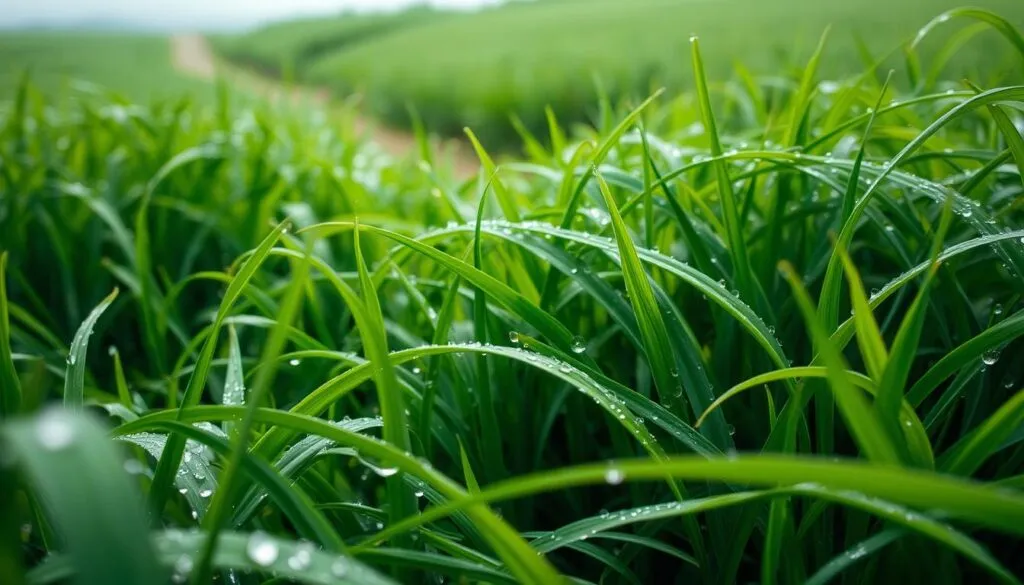
Maintaining a lush, healthy lawn can be challenging, especially during rainy seasons. One common dilemma homeowners face is whether it’s safe to mow their lawn during or after rainfall.
Cutting wet grass can pose significant risks to both your lawn’s health and your mower’s functionality. Professional landscapers typically avoid mowing in wet conditions due to these potential hazards.
Before deciding to mow a wet lawn, it’s essential to consider several factors, including grass type, soil conditions, and equipment specifications. Our expert advice will help you make informed decisions about lawn maintenance during rainy seasons.
Key Takeaways
- Understand the risks associated with mowing wet grass.
- Learn about the factors to consider before mowing a wet lawn.
- Discover expert tips for maintaining your lawn during rainy seasons.
- Find out when it’s safe to mow your lawn after rainfall.
- Explore the impact of mower type on cutting wet grass.
The Risks of Mowing Wet Grass
When grass is wet, the simple task of mowing can become a complex issue with several negative consequences. Mowing wet grass can lead to a variety of problems, affecting both the lawn and the mower.
Uneven Cuts and Lawn Damage
Wet grass blades clump together and bend over, making it difficult for the mower to cut them evenly. This results in an uneven cut and can cause the mower to tear or pull out the grass, damaging the lawn.
Increased Risk of Lawn Disease
Moisture on the grass can accelerate the spread of lawn diseases. When you mow wet grass, you’re not only potentially damaging your lawn but also creating an ideal environment for diseases to thrive.
Equipment Damage Concerns
Wet grass clippings can clog the mower deck, restricting airflow and potentially causing the engine to strain or overheat. Moreover, moisture can lead to rusting of metal components if wet clippings are left inside the mower.
To illustrate the potential risks and consequences, consider the following table that outlines common issues associated with mowing wet grass:
| Issue | Description | Potential Consequence |
|---|---|---|
| Uneven Cuts | Wet grass clumps, leading to uneven cutting | Lawn Damage, Aesthetic Issues |
| Lawn Disease | Moisture facilitates disease spread | Lawn Health Deterioration |
| Mower Clogging | Wet clippings clog mower deck | Mower Damage, Engine Strain |
Safety Hazards When Mowing in Wet Conditions
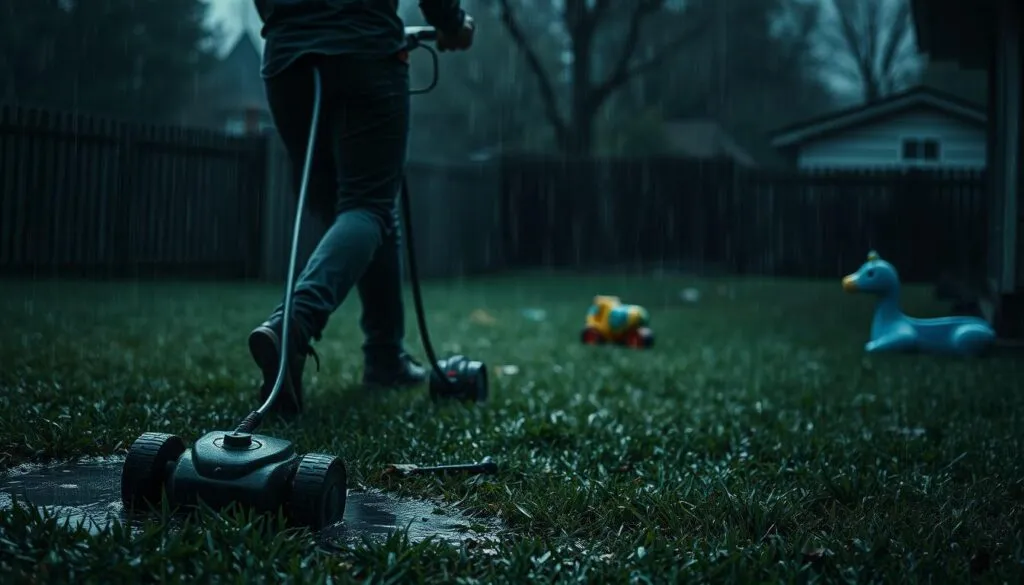
The dangers of mowing wet grass are multifaceted, ranging from slippery surfaces to electrical hazards. When the lawn is wet, it becomes a hazardous environment for both the person mowing and the mower itself.
Slippery Surfaces and Fall Risks
Wet grass is extremely slippery, making it difficult to maintain footing, especially on slopes and uneven ground. A fall can lead to serious injuries, including sprains, cuts, or even devastating harm if one lands too close to the mower blade.
Reduced Visibility and Hidden Obstacles
High or wet grass can obscure visibility, making it hard to spot obstacles like toys, sprinkler heads, or debris. This can lead to accidents where the mower hits an object, potentially creating projectiles.
Electrical Hazards with Corded Mowers
Using corded electric mowers in wet conditions poses significant electrical shock risks. Water can compromise electrical connections and safety features, especially if cords are frayed or damaged.
Lawn Health Issues from Wet Mowing
The practice of mowing wet grass can result in several health issues for your lawn. When you mow your lawn while the grass is wet, it can lead to a range of problems that affect its overall health and appearance.
Clumping and Thatch Problems
Mowing wet grass often results in clippings clumping together, which can lead to thatch buildup. Thatch is a layer of dead and living plant material that accumulates on the soil surface, potentially causing drainage issues and creating an environment conducive to disease.
Soil Compaction and Rut Formation
Wet conditions make the soil more susceptible to compaction when walked upon or driven over by lawn mowers. This compaction can prevent air, water, and nutrients from reaching the roots of your grass, potentially leading to rut formation and long-term damage.
Common Lawn Diseases in Wet Conditions
Wet conditions are ideal for the development of various lawn diseases. Some common diseases include dollar spot, rust disease, and brown patch. When grass blades are torn during wet mowing, it creates an entry point for fungal diseases. These diseases can manifest as spots, patches, or threads on the grass blades.
| Disease | Symptoms |
|---|---|
| Dollar Spot | Small, silver-dollar-sized spots of straw-colored grass |
| Rust Disease | Orange or yellowish spots on grass blades |
| Brown Patch | Irregular circles of brown grass |
To maintain your lawn’s health, it’s crucial to avoid mowing when the grass is wet, especially if you notice signs of disease. Waiting until the turf dries before mowing can significantly reduce the risk of spreading disease and causing further damage.
Can I Mow in the Rain? When It’s Acceptable
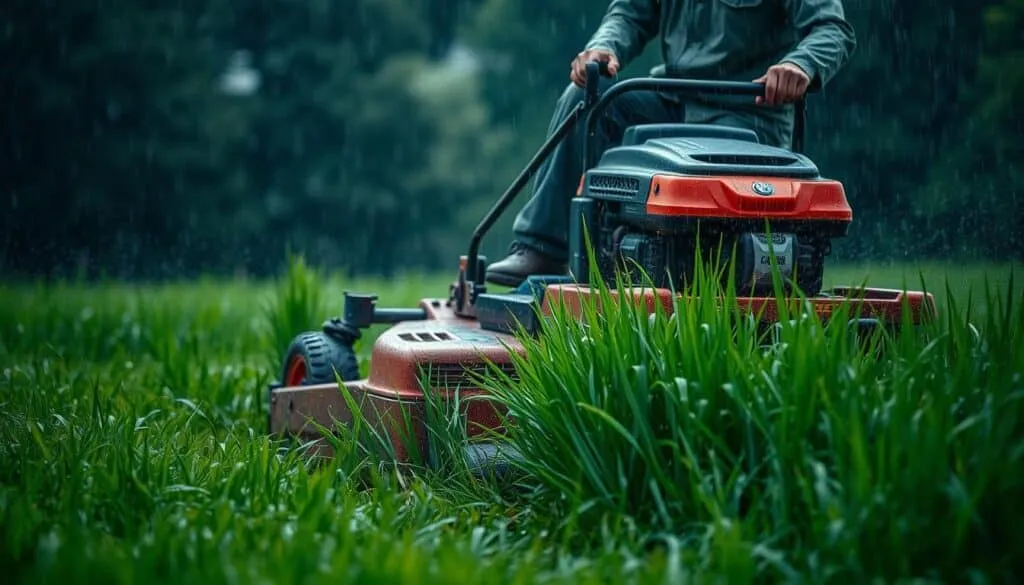
While it’s generally advised to avoid mowing wet grass, there are situations where it might be necessary. We will explore the conditions under which mowing in the rain could be acceptable and how to minimize potential damage to your lawn.
Assessing Moisture Levels
Before deciding to mow, it’s crucial to assess the moisture level of your lawn. A simple test is to walk across the lawn; if your footprints remain visible and the grass doesn’t spring back, it’s still too wet to mow. Waiting at least 24 hours after rain is a good rule of thumb.
Weather Considerations
Weather conditions play a significant role in determining whether it’s safe to mow your lawn. If the rain is expected to continue, it might be better to mow to prevent the grass from becoming too long. However, if the rain is followed by dry weather, it’s best to wait.
When Waiting Isn’t an Option
There are situations where mowing wet grass is preferable to letting it grow too long, such as before special events or when dealing with excessive growth. In these cases, it’s essential to take precautions to minimize damage, such as using a sharp mower blade and mowing at a higher setting.
In conclusion, while mowing in the rain is generally not recommended, there are instances where it might be necessary. By assessing moisture levels, considering the weather, and understanding when waiting isn’t an option, you can make an informed decision about mowing your lawn.
Best Practices for Mowing Wet Grass
When mowing wet grass is unavoidable, following best practices can minimize damage to your lawn and mower. Mowing wet grass requires careful adjustments to prevent stressing your lawn.
Adjusting Mower Height Settings
One key adjustment is raising the mower height to avoid cutting too much grass at once. This helps reduce clumping and damage to the grass blades. Higher settings also promote healthier grass by allowing it to recover more quickly.
Slowing Down Your Mowing Pace
It’s essential to slow down your mowing pace when dealing with wet grass. This reduces clumping and helps the mower blades cut more evenly. Slowing down also gives you better control over the mower, reducing the risk of accidents.
Proper Maintenance After Wet Mowing
After cutting wet grass, it’s crucial to clean your mower thoroughly to prevent rust and component damage. Remove wet clippings from the mower deck and discharge areas, and check the mower blades for any debris. Regular maintenance, including sharpening the blades, will extend the life of your mower and ensure it remains in good working condition.
By following these best practices, you can minimize the risks associated with mowing wet grass and maintain a healthy, well-manicured lawn.
Different Mower Types and Wet Conditions
Understanding the strengths and limitations of various mower types is essential for navigating the challenges of mowing in wet conditions. The right mower can make a significant difference in maintaining a healthy and visually appealing lawn.
Gas-Powered vs. Electric Mowers
When deciding between gas-powered and electric mowers for wet grass, several factors come into play. Gas-powered mowers are generally more powerful and can handle thicker, wetter grass more effectively. However, they are typically heavier, which can lead to soil compaction and rut formation. Electric mowers, including cordless models, offer a lighter alternative but may struggle with very wet conditions and require more frequent maintenance. Some manufacturers, like Stihl USA and LawnMaster, advise against using their cordless mowers on wet grass due to the risk of electrical damage.
Self-Propelled Mowers on Wet Lawns
Self-propelled mowers can ease the physical burden of mowing, especially on wet lawns, by moving forward on their own. They provide added precision and steady cutting. However, heavier models can cause soil compaction and wheel ruts, particularly in wetter conditions. These mowers are well-suited for medium-sized lawns and moderate slopes but should be used cautiously on overly saturated soil to avoid damage.
Robotic Mowers and Wet Grass
Modern robotic mowers are equipped with sensors that can detect rainfall and pause operations automatically, making them a viable option for lawns that experience frequent wet conditions. Their lightweight design reduces the risk of soil compaction and rut formation. Quality robotic mowers often feature waterproofing that enhances their resilience in damp environments. When programming a robotic mower, considerations should be made for climates with frequent rainfall to optimize performance and lawn health.
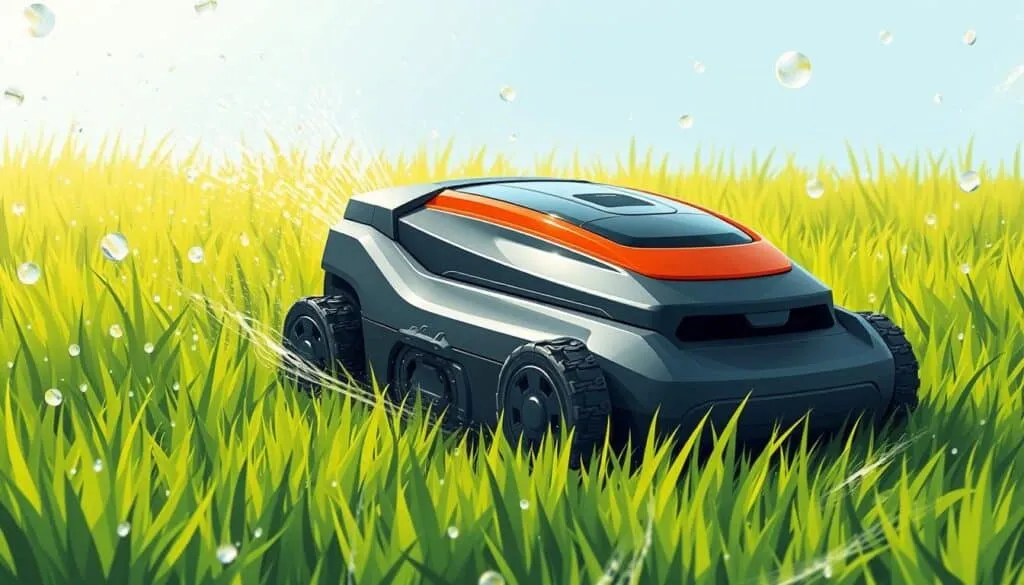
As smart lawn care technology continues to evolve, robotic mowers are becoming increasingly adept at handling wet conditions, offering a promising solution for homeowners seeking to maintain their lawns effectively even in challenging weather.
Conclusion: Making the Right Decision for Your Lawn
To make an informed decision about mowing your lawn in wet conditions, consider the potential risks and necessary precautions. We have discussed the primary risks to both lawn health and mower equipment when mowing wet grass, including disease susceptibility, soil compaction, and equipment damage.
When assessing your specific situation, consider factors like grass height, weather forecasts, and mower type. While mowing wet grass is generally not recommended, there are circumstances where it might be necessary with proper precautions. To minimize damage, adjust your mower settings, slow down your mowing pace, and maintain your equipment properly.
By prioritizing both lawn health and practical maintenance needs, you can make informed decisions about mowing your lawn in less-than-ideal conditions. Proper equipment maintenance is crucial to ensure optimal lawn care results.
FAQ
Is it safe to mow wet grass with a lawn mower?
Mowing wet grass poses several risks, including uneven cuts, lawn damage, and increased risk of lawn disease. We recommend waiting until the grass is dry to ensure a clean cut and prevent damage to our lawn.
What are the risks of mowing wet grass?
Mowing wet grass can lead to clumping and thatch problems, soil compaction, and rut formation. Additionally, wet conditions can foster the growth of lawn diseases. We should be cautious when mowing wet grass to avoid these issues.
How do I assess if my lawn is too wet to mow?
We can assess the moisture levels by checking if the grass blades are still wet from wet conditions. If the lawn is soggy or waterlogged, it’s best to wait until it dries out. We should also consider the weather forecast to determine if it’s likely to dry out soon.
What are the best practices for mowing wet grass?
When mowing wet grass, we should adjust our mower height settings to a higher setting to prevent clogging the mower deck. We should also slow down our mowing pace to ensure a clean cut and prevent accidents.
Can I use a gas-powered mower or an electric mower on wet grass?
Both gas-powered and electric mowers can be used on wet grass, but we need to exercise caution. Electric mowers pose a risk of electrical shock, while gas-powered mowers can be heavy and difficult to maneuver on slippery surfaces. We should choose the right mower for the job and take necessary precautions.
How do I maintain my mower after mowing wet grass?
After mowing wet grass, we should clean the mower deck and blades to prevent clogging and rust. We should also check the mower for any damage and perform routine maintenance to ensure it’s in good working condition.
Are robotic mowers suitable for wet grass?
Robotic mowers can be used on wet grass, but we should check the manufacturer’s guidelines first. Some models are designed to handle wet conditions, while others may not be. We should also ensure the mower is properly maintained to handle wet grass.