
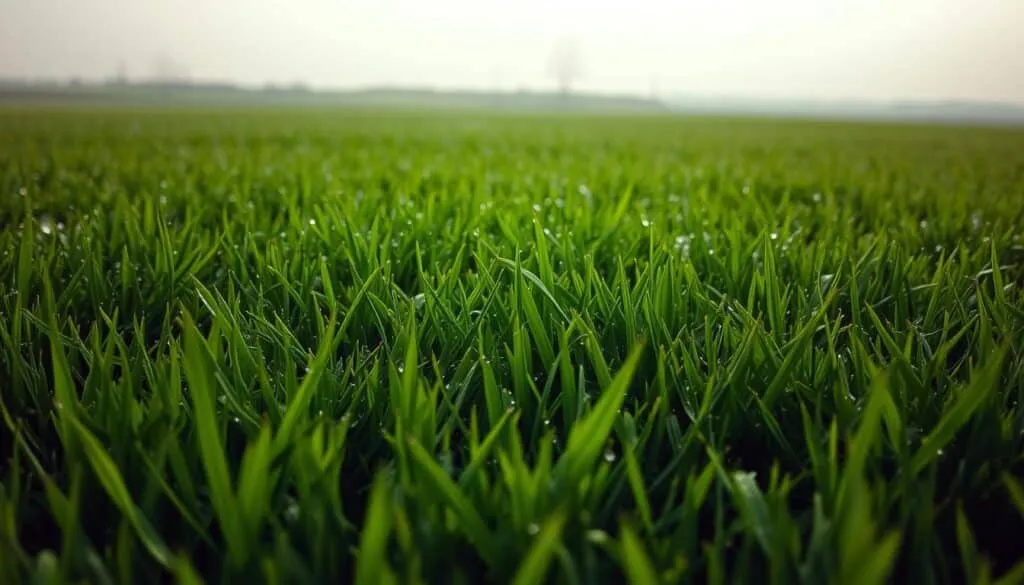
Have you ever stood in your yard, looking out at the wet grass, wondering if it’s safe to fire up your lawn mower? Many of us have been there, torn between maintaining our regular mowing schedule and avoiding potential damage to our lawn.
Mowing the lawn in wet conditions can be hazardous, not just for you, but also for your equipment and the health of your grass. It’s a common dilemma that homeowners face, especially during rainy periods.
We’ll explore the implications of mowing in wet conditions and provide guidance on how to navigate this challenge while prioritizing safety.
Key Takeaways
- Understand the risks associated with mowing wet grass
- Learn how to determine if your lawn is too wet to mow
- Discover essential safety tips for mowing in wet conditions
- Explore the impact of mowing on lawn health and equipment
- Find out how to balance mowing schedules with lawn care
The Risks of Mowing Wet Grass
Mowing wet grass can be a hazardous task, posing risks to both the operator and the lawn. When grass is wet, it becomes slippery, and the risk of accidents increases.
Safety Hazards for the Operator
Mowing wet grass poses significant safety risks to the operator. The slippery surface can cause falls, and the reduced visibility due to wet clippings can lead to accidents. Moreover, the risk of electrocution increases when using electric mowers on wet terrain.
Potential Damage to Your Lawn
Mowing wet grass can lead to lawn damage, including uneven cutting and tearing of grass blades. The weight of water causes grass blades to bend, resulting in an uneven cut. Additionally, wet clippings can clump together, smothering patches of lawn and potentially killing the grass if not removed promptly. The mowing wet process can also lead to soil compaction, restricting root growth and reducing lawn health.
Can I Mow Lawn When Wet? The Short Answer
Mowing your lawn when it’s wet is a decision that requires careful consideration. The condition of your lawn, particularly the moisture levels in the soil and grass, plays a crucial role in determining whether it’s safe to mow.
Understanding Moisture Levels
To determine if your lawn is too wet to mow, you need to understand the moisture levels. Check if the grass blades are wet but not soaked, and if the soil is damp but not waterlogged. Soil that’s saturated with water can be compacted by the mower, damaging the lawn’s root system.
When to Definitely Avoid Mowing
Avoid mowing when there’s standing water on the lawn or after heavy rainfall. Mowing in such wet conditions can lead to soil compaction, rutting, and the spread of fungal diseases. Additionally, it can cause poor quality cuts and visibility issues. The weight of the mower can also create deep ruts that affect drainage patterns.
- Mowing when the lawn is waterlogged can cause long-term damage.
- Wet grass is more prone to tearing, which can lead to disease.
- Operating a mower in wet conditions risks electrical issues.
How Wet Grass Affects Your Lawn

Mowing wet grass can have several detrimental effects on your lawn’s health and appearance. When grass is wet, it becomes more challenging to achieve a clean cut, and this can lead to various issues.
Uneven Cutting and Tearing
Wet grass is prone to tearing rather than cutting cleanly, resulting in an uneven lawn surface. This tearing can leave the grass vulnerable to disease and pests. Uneven cutting also makes the lawn look poorly maintained.
Soil Compaction and Rut Formation
Mowing wet grass can cause the lawn mower to compact the soil, especially if it’s heavy or if you’re using a ride-on mower. This compaction can lead to rut formation and poor drainage, affecting the overall health of the grass.
Clumping and Thatch Problems
Wet grass clippings tend to clump together, smothering the grass beneath and potentially killing it. These clumps also contribute to thatch buildup, creating a layer that prevents water and nutrients from reaching the soil. Regularly removing clippings and dethatching can help mitigate these issues.
- Clumps of wet clippings can block sunlight and air circulation.
- Decomposing clumps create ideal conditions for fungal growth.
- Excessive thatch necessitates mechanical dethatching.
Lawn Disease Risks When Mowing Wet Grass
Lawn diseases can spread rapidly when you mow wet grass. This is because wet conditions facilitate the transmission of fungal spores and bacteria from infected areas to healthy parts of your lawn.
Common Fungal Diseases
Some common fungal diseases that can affect your lawn include Pythium blight, which thrives in hot, humid conditions. Pythium blight can cause significant damage to your lawn if not managed properly. Other diseases can also be spread through wet mowing, highlighting the importance of careful lawn maintenance.
How Wet Mowing Spreads Disease
When you mow wet grass, the clippings can stick to your mower blades and mower deck, spreading disease spores across your lawn. The tearing of wet grass creates wounds that provide entry points for pathogens. To minimize disease transmission, it’s crucial to clean and disinfect your mower after use, especially when mowing wet grass. Key steps include:
- Removing grass clippings from the mower deck and blades
- Disinfecting the mower with a suitable solution
- Avoiding mowing when disease is active
Impact on Your Lawn Mower
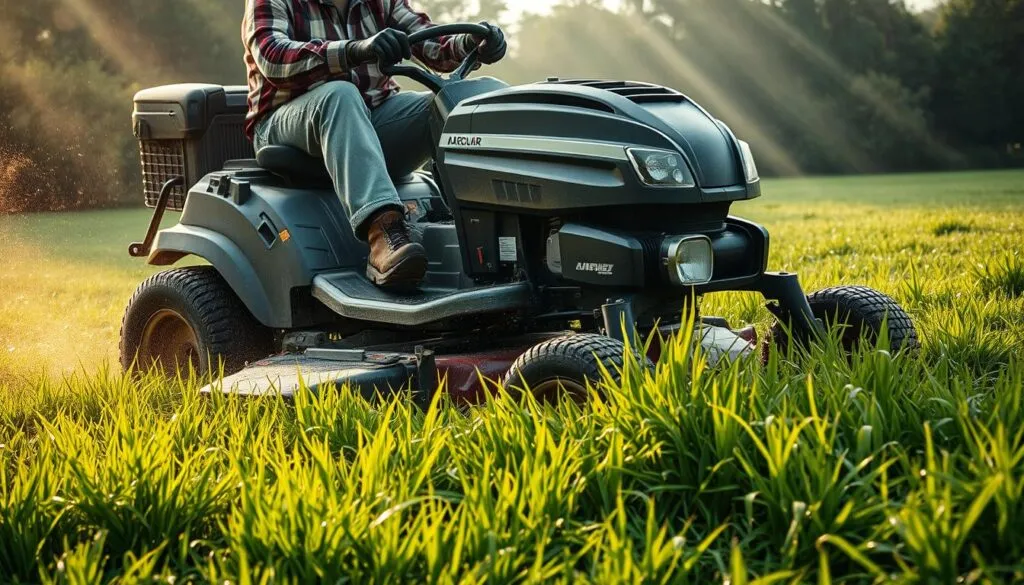
The impact of mowing wet grass on your lawn mower is often underestimated, leading to potential long-term damage. When you mow your lawn while it’s wet, you’re putting additional stress on your mower’s engine and blades.
Engine Strain and Performance Issues
Mowing wet grass can cause clumps to form and lodge in the mower deck, restricting airflow and jamming the blades. This can strain the engine, potentially causing it to overheat or stall. The increased resistance from wet grass also demands more power, further stressing the engine.
Blade Damage and Maintenance Concerns
Cutting wet grass can dull your mower blades more quickly due to the increased resistance and abrasive nature of wet grass. Wet clippings can stick to the blades and the underside of the deck, creating a buildup that can lead to corrosion if not promptly cleaned. Regular maintenance, including sharpening the blades and cleaning the mower deck, becomes even more critical when mowing wet grass.
| Maintenance Task | Importance When Mowing Wet Grass |
|---|---|
| Sharpening Blades | High |
| Cleaning Mower Deck | High |
| Checking for Clogs | Medium |
When Can You Mow After Rain?
Figuring out when to mow your lawn after a rain shower is crucial for maintaining its health. The key is to assess the moisture level of your lawn.
Light Rain vs. Heavy Downpours
The amount of rainfall your lawn has received plays a significant role in determining when it’s dry enough to mow. Light rain may not significantly impact your lawn’s dryness, whereas heavy downpours can leave it waterlogged for an extended period. As a general rule, it’s best to wait at least 24 hours after rain before mowing your lawn.
Testing Your Lawn for Dryness
To determine if your lawn is ready to be mowed, you can perform a few simple tests. The footprint test involves walking across your lawn; if your footprints remain visible, the lawn is still too wet. You can also use the paper towel test by blotting a grass blade with a paper towel to check for surface moisture. Additionally, observing the position of grass blades can help – upright blades indicate drier conditions, while bent or clumped blades suggest it’s still too wet.
| Test Method | Indicator for Mowing |
|---|---|
| Footprint Test | Footprints disappear |
| Paper Towel Test | Minimal moisture on towel |
| Grass Blade Position | Upright blades |
By using these tests, you can make an informed decision about when to mow your lawn after rain, ensuring you don’t damage your lawn or compromise its health due to wet grass conditions.
Different Types of Mowers and Wet Conditions
Different mowers perform variably in wet conditions, affecting both the lawn and the mowing experience. The choice of mower can significantly influence how well you can navigate wet grass, with some types being more suited to damp conditions than others.
Gas-Powered Mowers
Gas-powered mowers are generally more capable of handling wet grass due to their robust engines. However, they can be heavier, potentially leading to soil compaction if the ground is too wet. It’s essential to balance the need for cutting wet grass with the risk of damaging the lawn.
Electric and Cordless Mowers
Electric and cordless mowers offer a quieter and more environmentally friendly alternative. While they are typically lighter and easier to maneuver, they may struggle with very wet or thick grass. Their performance in wet conditions can be limited by battery power or cord length, requiring careful planning.
Self-Propelled Mowers
For those seeking more efficiency and control, self-propelled mowers ease the physical burden by moving forward on their own, providing added precision and steady cutting, even on wet grass. Heavier models, however, run the risk of soil compaction and wheel ruts, especially in wetter conditions. They are well-suited for medium-sized lawns and moderate slopes but should be avoided on overly saturated soil.
Self-propelled mowers can provide better traction control in slightly wet conditions, potentially resulting in more even cutting compared to push mowers. The additional weight of self-propelled mechanisms increases the risk of soil compaction and rutting when used on wet lawns. Different drive systems perform differently on wet grass, with rear-wheel drive typically providing better traction. Variable speed controls on self-propelled models can be adjusted to optimize performance in different moisture conditions, reducing operator fatigue when mowing wet grass.
Tips for Mowing Wet Grass When Necessary
When it’s unavoidable to mow wet grass, there are several precautions you can take to minimize potential damage to your lawn. Adjusting your mowing technique and taking care of your mower are crucial steps.
Adjusting Mower Height and Speed
Raise the mower blades to the highest setting to avoid cutting the grass too short, which can stress it further. Additionally, reduce your mowing speed to maintain control and prevent tearing the wet grass.
Proper Technique for Minimal Damage
To minimize damage, avoid making sharp turns or U-turns with your mower, as this can create ruts in the lawn. Instead, make smooth, gradual turns. It’s also beneficial to clean the mower deck frequently to prevent clogging with clippings.
Post-Mowing Lawn Care
After mowing wet grass, remove any clumps of clippings to prevent smothering the grass. Consider raking and composting them. Inspect your lawn for damage and apply a light fertilizer a few days later to aid recovery. Monitor for disease and adjust your watering schedule as needed to prevent additional stress.
Conclusion: Balancing Lawn Care Needs
Understanding when to mow and when to wait is key to maintaining your lawn’s health. While it’s ideal to mow dry grass, sometimes circumstances like extended rainy periods force us to make compromises. We must weigh the risks associated with mowing wet grass, including safety hazards, lawn damage, and mower strain.
To make informed decisions, consider the moisture levels in your lawn and the type of mower you’re using. Different mowers handle wet grass differently, and understanding these differences is crucial. Occasional mowing of slightly damp grass may be unavoidable, but making it a habit can lead to cumulative damage.
By planning your mowing schedule around weather conditions and maintaining your mower properly, you can minimize risks. When you must mow wet grass, adjust your mowing height and speed, and follow proper techniques to reduce damage. This balanced approach ensures your lawn remains healthy and safe to maintain.
FAQ
Is it safe to cut grass when it’s wet?
Cutting wet grass poses several risks, including slipping hazards for the operator and potential damage to the lawn due to uneven cutting, soil compaction, and rut formation.
How does mowing wet grass affect the mower?
Mowing wet grass can cause engine strain and performance issues, as well as blade damage and maintenance concerns, particularly if clippings clump and stick to the mower deck.
What are the risks of lawn disease when mowing wet grass?
Mowing wet grass can spread common fungal diseases like brown patch and other pathogens, as the moisture facilitates the transfer of spores from infected areas to healthy grass.
How can we minimize damage when mowing wet grass is unavoidable?
To minimize damage, we should adjust the mower height to a higher setting, reduce speed, and use proper technique to avoid tearing the grass, followed by post-mowing lawn care to promote recovery.
What type of mower is best suited for wet conditions?
Self-propelled mowers and those with high-clearance mower decks can be more effective in wet conditions, as they reduce strain on the operator and minimize the risk of clogging with wet clippings.
How do we determine if the lawn is dry enough to mow after rain?
To test for dryness, we can perform a simple walk test: if our shoes don’t get wet or stick to the ground, it’s likely safe to mow; otherwise, it’s best to wait until the lawn dries further.
Are there specific lawn care practices to follow after mowing wet grass?
After mowing wet grass, it’s essential to clean the mower deck thoroughly, inspect the lawn for damage, and consider applying a fungicide if necessary to prevent disease spread.