
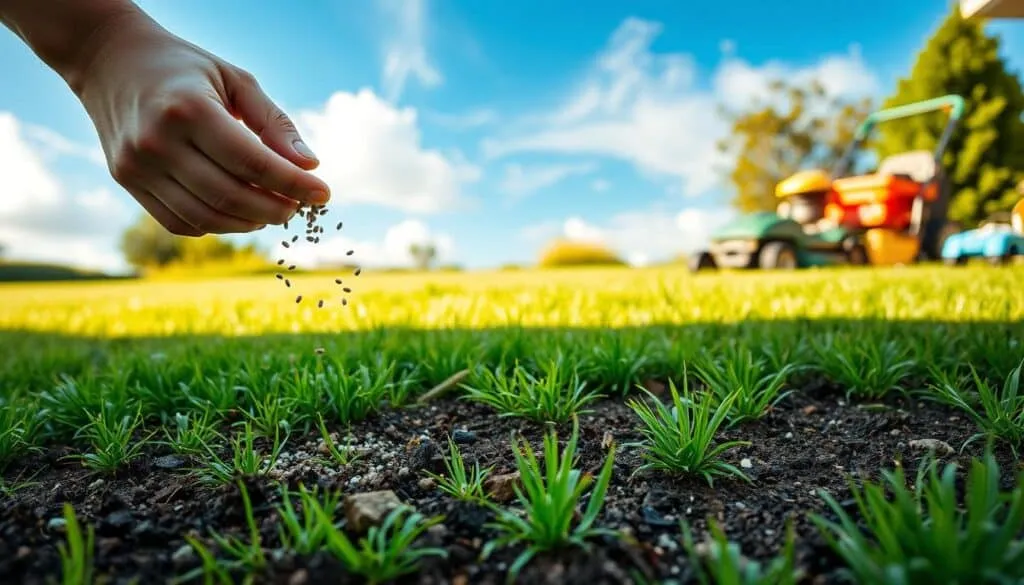
Have you ever wondered if that first trim could secretly sabotage your entire lawn renovation project? This is one of the most frequent questions I encounter from dedicated homeowners. The timing of your initial cut is a pivotal moment that demands careful consideration.
In my many years of professional lawn care, I’ve witnessed the heartbreak of a beautiful overseeding job ruined by a mower that came out far too early. This single misstep can waste your significant effort and investment. It’s a delicate balance between maintaining the established turf and protecting the fragile new seedlings.
My goal is to guide you through this critical phase. I will share the science behind grass growth after sowing new seed. This knowledge empowers you to make an informed decision about your lawn maintenance schedule. Understanding the process is the key to a thick, healthy, and vibrant yard.
This guide covers more than just the ideal moment for that first mow. I will also detail the proper cutting techniques and ongoing care strategies essential for success. Let’s ensure your hard work pays off with stunning results.
Key Takeaways
- Timing the first mow is critical to the success of an overseeding project.
- Mowing too soon can damage or destroy delicate new grass seedlings.
- A proper balance must be struck between maintaining existing grass and nurturing new growth.
- Understanding the science of grass growth is essential for making informed lawn care decisions.
- Correct mowing techniques and ongoing care are vital after the initial cut.
- A successful outcome protects your investment of time, effort, and money.
Introduction
Successful lawn rejuvenation hinges on more than just scattering seeds—it requires meticulous planning and perfect timing. This process transforms thin, patchy turf into a dense, vibrant carpet that becomes the neighborhood’s envy.
Overview of Overseeding
I define overseeding as spreading grass seed over existing turf to improve thickness and fill bare areas. This technique introduces resilient varieties while repairing damaged spots. Proper preparation ensures optimal results.
From my experience, successful overseeding demands thorough soil preparation. Eliminating weeds and removing thatch creates ideal conditions for germination. Core aerating loosens compacted earth, allowing roots to establish firmly.
“The difference between ordinary and extraordinary lawn care lies in the timing of each critical step.”
The Importance of Timing
Timing affects every aspect of the overseeding process. Choosing the right moment to spread seeds determines germination success. Understanding growth cycles helps appreciate why patience proves essential.
My approach balances the needs of establishing seedlings with maintaining existing turf. This careful coordination protects your investment while promoting healthy new grass development.
| Preparation Step | Purpose | Timing |
|---|---|---|
| Weed Elimination | Reduce competition | 2 weeks before seeding |
| Thatch Removal | Improve seed-to-soil contact | 1 week before seeding |
| Core Aeration | Loosen compacted areas | Same day as seeding |
| Mowing Height Reduction | Minimize turf competition | 2-3 days before seeding |
Each preparation step contributes to strong growth. Proper timing ensures seeds receive the ideal environment for establishment. This strategic approach maximizes your lawn’s potential.
Understanding Overseeding and Its Benefits
The transformation from sparse turf to lush greenery begins with understanding the overseeding process thoroughly. This technique offers significant advantages for lawn health and appearance.
What Is Overseeding?
I define overseeding as strategically introducing new grass varieties into existing turf. This approach enhances lawn density and fills bare patches effectively. The process improves overall turf resilience and beauty.
Preparing Your Lawn for New Grass
Proper preparation ensures successful germination. I start by addressing the thatch layer—dead grass covering the soil. This mat prevents seeds from making proper contact with the earth.
Mowing existing grass to 1-1/2 to 2 inches height reduces competition. This prevents established turf from shading vulnerable new seedlings. Core aeration loosens compacted soil for ideal germination conditions.
Choosing the Right Grass Seed
Seed selection depends on climate zone, sunlight exposure, and lawn usage. Cool-season varieties like Kentucky bluegrass suit northern regions. Warm-season types like Bermudagrass thrive in southern climates.
I always recommend high-quality seed from reputable suppliers. Cheap alternatives often contain weed seeds with lower germination rates. Proper seed choice dramatically improves success.
Can You Mow After Overseeding? Key Factors to Consider
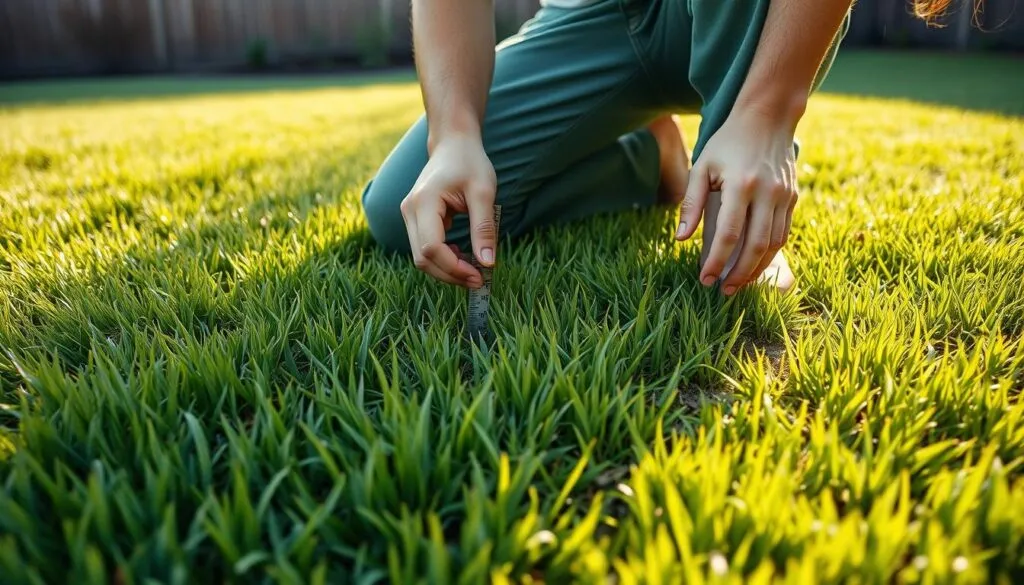
Determining the precise moment for that initial cut following overseeding is a nuanced decision. Rushing this step risks uprooting fragile seedlings, while waiting too long can weaken the established turf. The ideal timing balances these needs perfectly.
My strategy relies on observing specific growth indicators rather than just counting days on a calendar. This approach provides a more accurate and reliable guide for lawn maintenance.
Ideal Waiting Periods and Growth Indicators
I recommend a minimum waiting period of two to four weeks before the first mowing session. In some cases, this timeframe extends to six weeks. The exact duration depends heavily on grass type and local weather conditions.
Mild, rainy weather accelerates germination and growth. Hot, dry conditions significantly slow the process, demanding more patience.
“The most reliable mowing signal comes from the grass itself, not the calendar.”
The most critical indicator is grass height. New seedlings should reach at least three inches tall. A height of four inches provides even stronger establishment before cutting.
Assessing Grass Height and Root Development
Understanding root growth is essential. Grass develops two to three inches of root into the soil before the shoot even emerges. Within two weeks, roots may reach six inches deep.
I perform a simple tug test. Gently pull on a few new grass blades. If they lift easily from the soil, the root system needs more development time.
Different grass varieties grow at unique paces. This directly impacts when they are ready for maintenance.
| Grass Type | Germination Time (Days) | Typical First Mow Timeline |
|---|---|---|
| Ryegrass | 5-10 | ~2 weeks |
| Tall Fescue | 10-14 | 2-3 weeks |
| Kentucky Bluegrass | 14-30 | 3-4 weeks |
| Zoysiagrass | 14-21 | 5-6 weeks |
Combining height measurement with a root check ensures the mowing occurs at the optimal time for a healthy, resilient lawn.
Proper Mowing Techniques for New Grass
Proper mowing practices are just as critical as timing when dealing with newly established grass. The right approach protects delicate growth while maintaining lawn health.
My experience shows that technique separates successful lawn renovations from disappointing results. Each movement with the machine matters during this sensitive period.
Maintaining a Sharp Mower Blade
I always sharpen mower blades before the first cut. Dull blades tear rather than slice grass blades cleanly. This tearing action can uproot vulnerable seedlings from the soil.
A sharp lawn mower blade creates clean cuts that heal quickly. This minimizes stress on developing plants. I recommend professional sharpening for optimal results.
Following the One-Third Mowing Rule
The one-third rule is non-negotiable for new turf. Never remove more than one-third of the grass blade height in a single session. This practice maintains plant health and vigor.
Cutting too much stresses the grass and slows recovery. The mower setting should allow gradual reduction to the desired height over multiple sessions.
| Mower Setting | Blade Height | Recommended Use |
|---|---|---|
| Highest | 3-4 inches | First mow after overseeding |
| Medium | 2.5-3 inches | Second and third mows |
| Standard | 2-2.5 inches | Regular maintenance |
Walking Carefully and Avoiding Wet Grass
Move slowly and deliberately during mowing sessions. Pay extra attention when turning the mower to avoid catching tender blades. Wet conditions create additional hazards.
I never cut damp grass as moisture increases disease risk. Early morning sessions work best when dew has evaporated but heat hasn’t intensified.
These techniques ensure your new grass establishes strongly. Proper care during early mowing creates the foundation for a resilient lawn.
Post-Overseeding Lawn Care Essentials
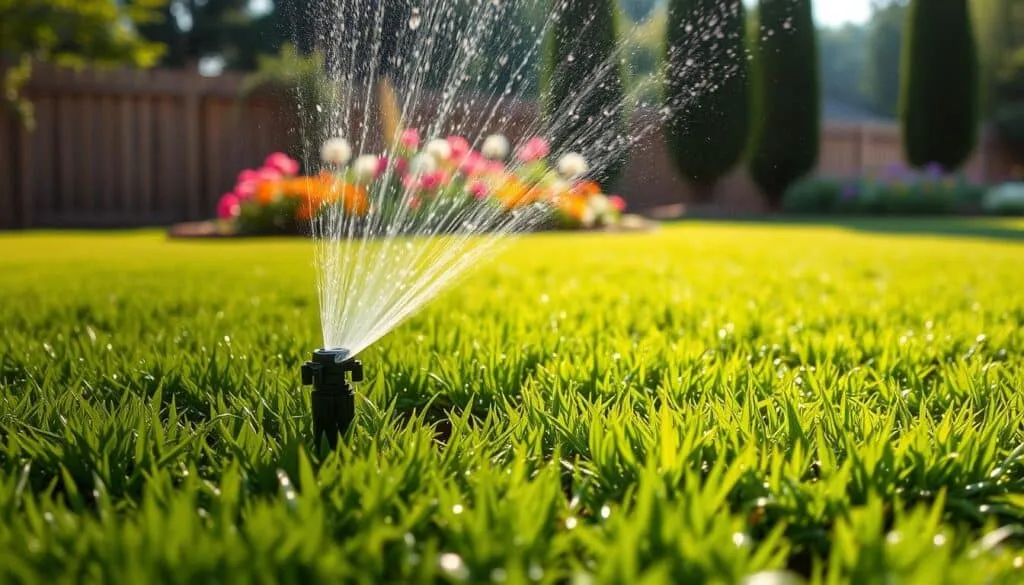
Proper post-overseeding maintenance separates thriving lawns from disappointing results. The establishment phase demands careful attention to moisture management and protection protocols. This period determines whether your investment yields a dense, healthy turf.
Watering and Soil Moisture Management
I maintain consistent moisture in the top two inches of soil during germination. This requires brief watering sessions twice daily for 10-14 days. The schedule prevents drying while avoiding oversaturation.
Established grass still needs deep weekly irrigation reaching 6-8 inches down. This dual approach supports both new seedlings and mature turf. Gradually reduce frequency once germination occurs across the lawn.
Fertilization and Weed Control Timing
Patience proves crucial with nutrient applications. I wait approximately six weeks before adding fertilizer beyond the initial starter mix. Applying too soon stimulates excessive growth in established grass.
My standard application uses one pound of nitrogen per 1,000 square feet. This timing allows new grass to develop strong roots first.
Weed control requires even greater delay. I avoid herbicides for 2-3 months after seeding. Young grass remains highly vulnerable to chemical damage during establishment.
- Protect seeded areas from foot traffic for at least one month
- Apply postemergence herbicides at half-strength after 3-4 mowings
- Monitor growth daily during the critical first two weeks
Advanced Insights on Overseeding Mowing Decisions
The most successful overseeding outcomes come from customized approaches rather than rigid timelines. My professional experience shows that understanding specific variables transforms generic advice into precise guidance. This knowledge ensures optimal turf establishment.
Adjusting for Different Grass Types
I tailor my recommendations based on grass variety planted in each yard. Cool-season types like Kentucky bluegrass typically allow maintenance within 2-4 weeks. Warm-season varieties need 5-6 weeks for adequate root development.
Different germination times significantly impact when that first mow becomes safe. I adjust mower deck settings based on specific grass needs. Some varieties tolerate lower cutting heights while others require more length for optimal health.
Weather Considerations and Mowing Patterns
Temperature and moisture conditions can accelerate or delay germination by a week or more. This directly affects how much time growth needs before mowing. Paying attention to local weather patterns provides more accurate predictions.
My approach to mowing patterns involves avoiding repetitive wheel traffic in the same spots. This prevents compaction issues that hinder root development in vulnerable areas. Understanding these factors creates informed, customized decisions for lawn mowing timing.
Conclusion
Your investment in lawn overseeding yields maximum returns when supported by informed care decisions. Protecting that initial seed investment requires strategic patience throughout the establishment phase.
I emphasize waiting until new grass reaches three inches tall before the first mowing lawn session. This allows roots to anchor securely. Proper lawn mowing techniques include sharp mower blades and the correct height setting.
Following these guidelines transforms your yard into resilient, healthy turf. A beautiful lawn emerges when new grass receives the protection it deserves. This approach ensures long-term health for your entire landscape.
FAQ
How long should I wait before mowing my lawn after overseeding?
I recommend waiting at least two to three weeks. This gives the new seedlings enough time to germinate and establish a strong root system. The exact timing depends on grass type and weather, but never mow until the turf is about 3 to 4 inches tall.
What is the proper mowing height for new grass?
For the first mow, I set my mower to a high setting to cut only the top third of the grass blades. Aim for a final height of around 3 inches. This protects the young roots and promotes healthy lawn growth without stressing the new seedlings.
Why is a sharp mower blade so important for a recently overseeded lawn?
Dull blades tear the tender grass instead of cutting it cleanly. This can damage the seedlings, weaken the turf, and make the lawn more susceptible to disease. I always sharpen my blades before that first crucial mowing session to ensure a clean cut for optimal lawn health.
Can weather conditions affect when I should mow?
Absolutely. Wet soil from rain or heavy watering can be problematic. Mowing on soggy ground can compact the soil and rip new roots right out. I wait for the lawn to dry completely. I also adjust my schedule based on temperature, as growth slows in cooler weather.
When is it safe to resume regular fertilization and weed control?
I hold off on these lawn care tasks for at least four to six weeks after overseeding. Applying fertilizer or herbicides too soon can harm the delicate new grass. The young plants need time to mature before they can handle these treatments effectively.