
Ever look out at your yard after a downpour and wonder if that scheduled trim is still a good idea? That damp, green carpet presents a real puzzle for many homeowners. I’ve faced this exact situation countless times.
This guide tackles that pressing question head-on. My advice comes from deep research and expert turfgrass recommendations. We’ll explore the critical factors affecting your lawn’s health and your mower’s performance.
Sometimes, waiting for perfect conditions isn’t an option. Busy schedules and unpredictable weather often force our hand. This article provides clear guidance for those necessary moments.
You’ll find practical solutions here, backed by university extensions and safety data. The goal is to help you make the smartest choice for your specific grass and circumstances.
Key Takeaways
- Mowing wet grass can harm your lawn’s health and create an uneven cut.
- Operating a mower on a soaked lawn raises significant safety concerns.
- Wet clippings can clump, clogging your machine and damaging the turf underneath.
- Ideal mowing conditions involve dry grass for a clean, healthy cut.
- Practical alternatives exist for when you absolutely must trim a damp lawn.
- Expert advice from turf specialists helps navigate this common dilemma.
- Your local weather patterns play a crucial role in timing your lawn care.
Introduction: The Dilemma of Mowing Wet Grass
The weekend lawn care plan often hits a soggy roadblock when morning dew or an unexpected shower leaves the turf damp. This creates a real scheduling conflict. The urge to proceed is strong, especially when the grass is long and time is short.
This dilemma is most common during spring and early summer. Frequent rain showers combine with rapid growth, creating a perfect storm. The desire for a neat yard clashes with concerns about the wet conditions.
The temptation affects everyone. It applies to owners of push mowers and riding mowers alike. Moisture from irrigation systems or heavy dew presents the same challenge as rainfall.
Understanding the full scope of risks is essential before deciding. The following sections detail why mowing wet grass creates problems. We will examine the impact on your lawn’s health, your equipment’s performance, and your personal safety.
| Factor | Dry Grass Conditions | Wet Grass Conditions |
|---|---|---|
| Cut Quality | Clean, even cut | Ragged, torn blades |
| Clipping Behavior | Evenly dispersed | Clumps and mats |
| Mower Performance | Optimal operation | Frequent clogging |
| Soil Impact | Minimal compaction | High risk of ruts |
Understanding the Risks of Mowing Wet Grass
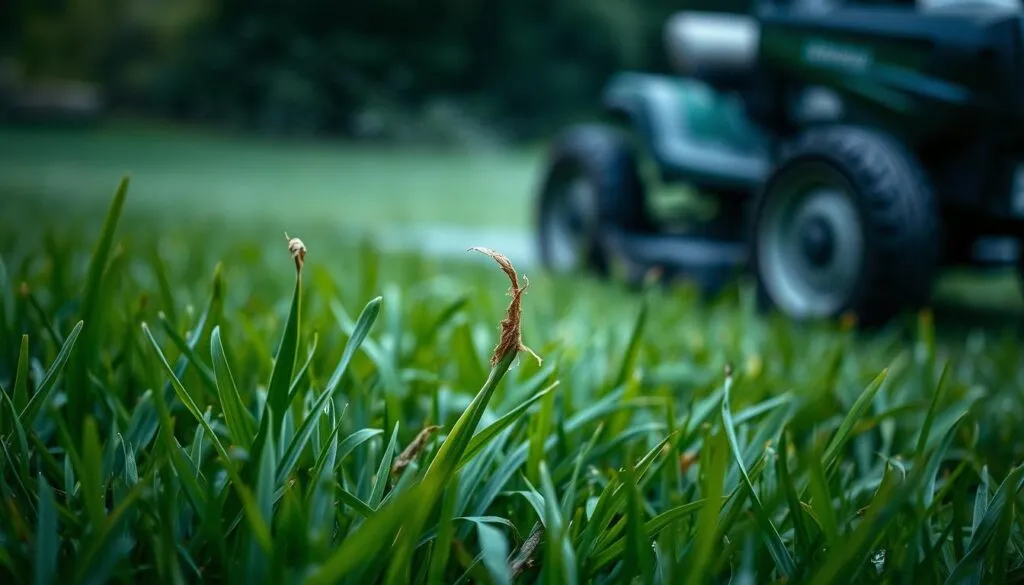
A damp lawn presents more than just an inconvenience; it creates conditions ripe for damaging your grass blades and compromising safety. The primary risk involves the physical state of the turf. Moisture causes individual grass blades to clump together and bend over instead of standing upright.
This posture prevents your mower from making a clean, even cut. Instead of slicing neatly, the blade tears through the heavy, wet foliage. This tearing creates jagged, brown tips and leaves the plant tissue vulnerable.
Uneven Cuts and Grass Blade Damage
The result is an uneven cut that looks choppy and unkempt. Once the lawn dries, the patchy appearance becomes even more obvious. This damage often necessitates a second pass to fix the messy result, further stressing the grass.
More critically, torn grass blades are open wounds. The combination of injury and moisture creates a perfect entry point for fungal diseases. These include dollar spot, brown patch, and rust disease, which can quickly spread across the lawn.
Increased Disease Exposure and Safety Hazards
Dr. Aaron J. Patton, a turfgrass specialist at Purdue University, advises against mowing wet grass when diseases are present. He notes that equipment can spread infections like Pythium blight during humid conditions.
The safety risk is equally serious. Wet grass is incredibly slippery, making it hard to maintain footing and control the mower. This is especially dangerous on slopes. The U.S. Consumer Product Safety Commission reports approximately 80,000 lawn mower-related ER visits yearly, with wet grass increasing this risk.
| Aspect | Dry Grass Result | Wet Grass Result |
|---|---|---|
| Blade Health | Clean cut, healthy tissue | Torn blades, damage lawn |
| Lawn Appearance | Uniform, manicured look | Patchy, uneven cuts |
| Disease Risk | Low vulnerability | High exposure to diseases |
| Operator Safety | Stable footing, good control | Slippery conditions, high risk |
Can You Mow After Rain? Timing is Everything
Determining the perfect moment to cut the lawn following precipitation requires careful observation of several environmental factors. The waiting period depends entirely on rainfall amount and current weather conditions.
A general guideline suggests waiting at least 24 hours before operating equipment. This timeframe adjusts based on temperature, humidity, and sunlight exposure. Heavy rainfall may require a full day of drying time, while light showers might need just 2-5 hours.
How Long to Wait for the Grass to Dry
Practical tests provide the most accurate assessment of lawn readiness. Walk across the turf and observe whether footsteps leave visible impressions. Persistent footprints indicate excessive ground saturation.
Another reliable method involves checking how quickly the grass springs back after being walked on. Immediate recovery signals sufficient dryness for cutting. If blades remain matted down, postpone the task.
Also notice whether shoes become damp during this inspection. Moisture transfer to footwear suggests the lawn needs additional drying time. Direct sunlight accelerates evaporation, while shaded areas retain water longer.
Afternoon typically offers the best conditions for mowing following morning rain. Morning dew or evening temperature drops can prolong moisture retention. Proper timing protects both your grass and equipment.
How Wet Conditions Impact Your Mower’s Performance
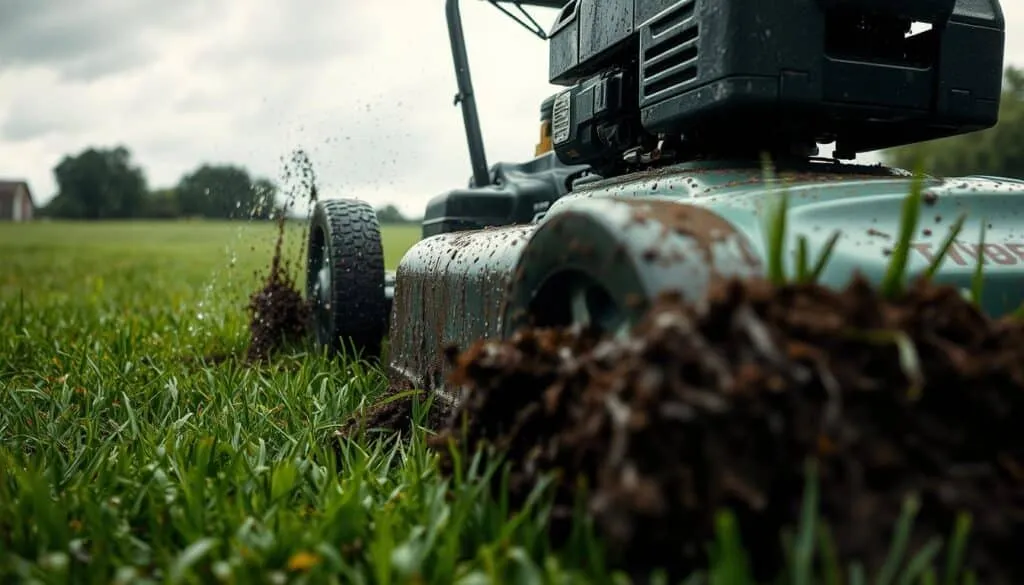
Wet grass conditions transform a routine mowing task into a potential maintenance nightmare for your equipment. The moisture creates challenges that affect both immediate operation and long-term durability.
Understanding these mechanical stresses helps prevent costly repairs. Proper equipment care becomes essential when dealing with damp vegetation.
Clogged Mower Deck and Dull Blades
Wet grass clippings clump together inside the mower deck. This restricts essential airflow needed for proper cutting action.
The sticky mass jams the blades and forces the engine to work harder. This strain leads to overheating or complete stalling during operation.
Moisture from the vegetation causes premature dulling of mower blades. Sharp edges become rounded faster than with dry cutting conditions.
Built-up clippings in the deck introduce rust and corrosion issues. Metal components deteriorate quickly when exposed to constant moisture.
Soil Compaction and Mower Strain
Heavy lawn mower wheels press down on water-saturated ground. This compression reduces pore spaces in the soil structure.
Air, water, and nutrients struggle to reach grass roots after compaction. The lawn suffers from reduced health and vitality.
Deep ruts form in soft, wet soil under mower weight. These depressions create tripping hazards and uneven mowing surfaces.
Electric mowers face particular challenges in wet conditions. Their lower torque makes them more prone to bogging down with heavy clippings.
Expert Tips for Mowing in Less-Than-Ideal Conditions
When persistent rainfall creates unavoidable mowing situations, strategic adjustments become essential for protecting your lawn and equipment. Purdue University research supports cutting slightly damp grass rather than letting it become overgrown during extended wet spells.
Adjusting Mower Height and Speed
Kansas State University recommends setting your mower at its highest cutting position for damp conditions. This approach reduces stress on both the grass plants and mower engine.
Slower movement allows blades more time to cut through heavy, wet vegetation effectively. Sharp mower blades create cleaner cuts even when dealing with moist grass.
Using side discharge instead of mulching or bagging prevents clogging issues. These maintenance tips help distribute clippings evenly across the lawn surface.
Maintaining Your Mower for Better Performance
Regular cleaning of the mower deck after each use prevents wet grass buildup. This simple maintenance step extends equipment life significantly.
Periodic stops during mowing allow for clearing accumulated clippings. Inspecting for rust or corrosion ensures all components remain in optimal condition.
Proper storage includes ensuring all parts are completely dry. These practices maintain mower performance during challenging mowing conditions.
| Setting | Dry Grass Approach | Wet Grass Strategy |
|---|---|---|
| Cutting Height | Standard recommended height | Maximum height setting |
| Mowing Speed | Normal operating pace | Reduced, deliberate pace |
| Blade Condition | Regular sharpening schedule | Extra-sharp blades essential |
| Discharge Method | Mulching or bagging preferred | Side discharge recommended |
Alternatives When Mowing Wet Grass Isn’t an Option
Sometimes the calendar and weather simply refuse to cooperate for ideal lawn maintenance. Busy schedules often conflict with dry conditions needed for proper lawn care. This reality affects many homeowners trying to maintain their yard.
When personal availability doesn’t align with optimal time to mow, professional services offer a practical solution. These experts handle various weather conditions with commercial-grade equipment.
Hiring Professional Lawn Care Services
Experienced professionals bring valuable expertise to lawn care challenges. Their equipment performs better in damp conditions than residential mowers. This approach prevents damage to your lawn during wet periods.
Comprehensive services extend beyond basic mow lawn tasks. Professionals provide weed control, aeration, and disease management. These additional services prove particularly valuable during rainy seasons.
Rescheduling and Other Lawn Care Practices
Flexibility in scheduling represents another smart approach to lawn care. Postponing mow lawn activities until conditions improve protects turf health. This patience ultimately saves money on repairs and treatments.
Wet periods offer opportunities for alternative yard maintenance. Property owners can focus on garden beds or equipment maintenance. Sharpening blades and cleaning mowers prepares for the next dry time to mow.
Adjusting expectations during rainy seasons maintains proper lawn health. Sometimes appearance must temporarily yield to practical grass preservation. The right time for a clean cut grass operation will eventually arrive.
Additional Lawn Care Tips for Rainy Conditions
Rainy seasons bring unique lawn care challenges that require different management strategies. I’ve learned that proper handling of wet conditions prevents long-term damage to your turf.
Wet grass clippings form dense clumps that block essential resources. These masses prevent sunlight, water, and airflow from reaching the soil.
Preventing Fungal Diseases and Thatch Build-up
Thatch development becomes a serious concern during extended wet periods. Undispersed clippings decompose into a thick layer that suffocates healthy grass.
Purdue University experts recommend double-cutting slightly damp areas. This technique involves mowing twice in different directions to reduce clipping size.
Proper distribution of clippings during wet conditions maintains lawn health and prevents disease development.
Bagging becomes necessary when clumping exceeds manageable levels. Removing excessive clippings prevents dead spots and thatch accumulation.
Monitor your lawn for fungal disease symptoms during rainy spells. Look for dollar spot, brown patch, and rust disease indicators.
| Problem | Immediate Solution | Long-Term Prevention |
|---|---|---|
| Clipping Clumps | Double-cut or bag clippings | Improve drainage and aeration |
| Thatch Build-up | Remove heavy clumps manually | Regular dethatching schedule |
| Fungal Diseases | Monitor for early symptoms | Avoid evening watering |
| Soil Compaction | Delay mowing until drier | Annual core aeration |
Preventive measures include improving drainage in problem areas. Ensure adequate air circulation by maintaining proper mowing height during wet seasons.
Conclusion
Proper lawn maintenance involves recognizing when patience yields better results than immediate action. While cutting wet grass remains technically possible, the numerous risk factors make waiting for dry conditions the wisest choice.
Establish a personal rule to only operate your lawn mower when the grass passes simple dryness tests. Wait 2-5 hours following light precipitation or 24 hours after heavier downpours.
The consequences of mowing wet grass include torn blades inviting disease, clogged mower decks, and slippery safety hazards. During extended wet periods, consider professional services with appropriate equipment.
Patience in yard care protects your lawn’s health and extends your mower’s lifespan. Waiting for the right time to mow lawn prevents costly repairs and maintains personal safety.
FAQ
How long should I wait to mow my lawn after it rains?
I recommend waiting at least 24 hours for the lawn to dry. The grass blades and soil moisture need time to evaporate. Mowing too soon increases the risk of damage.
What are the main dangers of cutting wet grass?
The primary hazards include uneven cuts that tear grass blades, soil compaction from the mower’s weight, and clogged mower decks. Wet conditions also promote fungal diseases in your yard.
Can mowing a wet lawn damage my mower?
Yes, it absolutely can. Wet grass clippings clump and stick to the mower deck, causing strain on the engine and dulling the blades faster. This leads to more frequent maintenance.
Are there any safety tips for mowing in damp conditions?
A> Safety is my top concern. Always wear shoes with strong grip to prevent slipping. Be extra cautious on slopes and never remove safety guards from your lawn mower.
What should I do if I must mow and the grass is still wet?
If you have no choice, raise the mower height for a lighter cut and move at a slower speed. Clean the mower deck thoroughly immediately after use to prevent rust and buildup.
How does wet grass contribute to lawn diseases?
A> Wet grass clippings left on the lawn create a moist environment that fungi love. This can lead to thatch build-up and diseases like brown patch, harming your lawn’s health.