
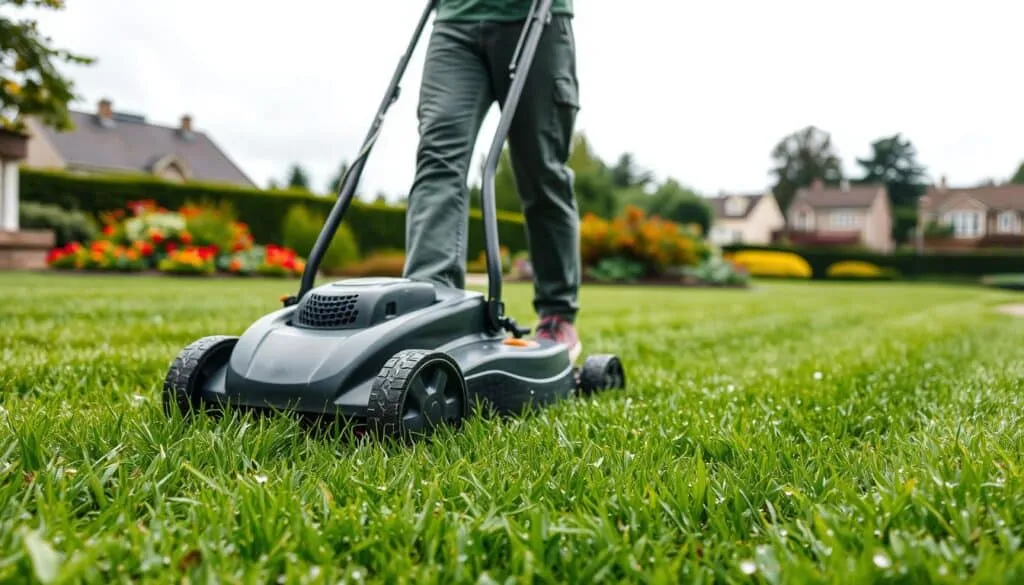
Maintaining a lush lawn can be challenging, especially when faced with unpredictable weather conditions. One common dilemma homeowners face is whether it’s safe to mow their grass when it’s damp.
Many of us have experienced the uncertainty of deciding when to mow our lawn during rainy seasons or in regions with frequent precipitation. The concern isn’t just about the appearance of the lawn; it’s also about the potential damage to the lawn and the mower.
Understanding the risks and best practices for mowing wet grass is crucial for maintaining lawn health and safety. In this article, we’ll explore the factors to consider when deciding whether to mow your lawn when it’s damp.
Key Takeaways
- Assess the moisture level of your lawn before deciding to mow.
- Understand the risks associated with mowing wet grass.
- Learn the best practices for mowing your lawn safely.
- Discover how to maintain your mower for optimal performance.
- Find out when it’s best to wait for dry conditions.
The Risks of Mowing Damp Grass
The practice of mowing damp grass is fraught with potential hazards that can significantly impact your lawn’s health and appearance. Mowing wet grass creates significant risks for your lawn, with damage occurring in several distinct ways.
Damage to Your Lawn
When grass is wet, the blades tend to bend rather than stand upright, resulting in uneven cuts that create a ragged appearance once the lawn dries. Moreover, wet grass blades tear more easily than dry ones, leaving jagged edges that are more susceptible to disease and stress.
Uneven Cuts and Torn Grass Blades
Uneven cuts not only affect the aesthetic appeal of your lawn but also make it more vulnerable to diseases. Torn grass blades provide an entry point for pathogens, potentially leading to infections.
Soil Compaction and Rut Formation
The weight of mowing equipment on wet soil leads to compaction issues, reducing air circulation to grass roots and potentially creating long-lasting damage to your lawn’s foundation. Wheel ruts form more easily in wet conditions, creating depressions that collect water and disrupt the even appearance of your lawn.
Potential Lawn Disease Spread
Disease transmission becomes a serious concern when mowing wet grass, as wet conditions allow fungal spores to spread more easily across your lawn via mower blades.
Common Diseases: Red Thread, Dollar Spot, and Rust
Common lawn diseases like Red Thread, Dollar Spot, and Rust thrive in moist conditions and can quickly infect torn grass blades. Red Thread causes reddish-pink patches of dead grass, while Dollar Spot creates small, silver-dollar-sized spots of bleached, straw-colored grass. Rust disease causes orange or yellowish spots on individual grass blades.
How Moisture Promotes Disease Growth
The combination of moisture and physical damage creates ideal conditions for fungal growth, potentially turning a simple mowing job into a long-term lawn health issue. Understanding these risks is essential for making informed decisions about when to mow and when to wait for drier conditions.
| Disease | Symptoms | Conditions Favoring Growth |
|---|---|---|
| Red Thread | Reddish-pink patches of dead grass | Moist conditions, poor nutrition |
| Dollar Spot | Small, silver-dollar-sized spots of bleached grass | High humidity, moderate temperatures |
| Rust | Orange or yellowish spots on grass blades | Moist conditions, warm temperatures |
Equipment Concerns When Mowing Wet Grass
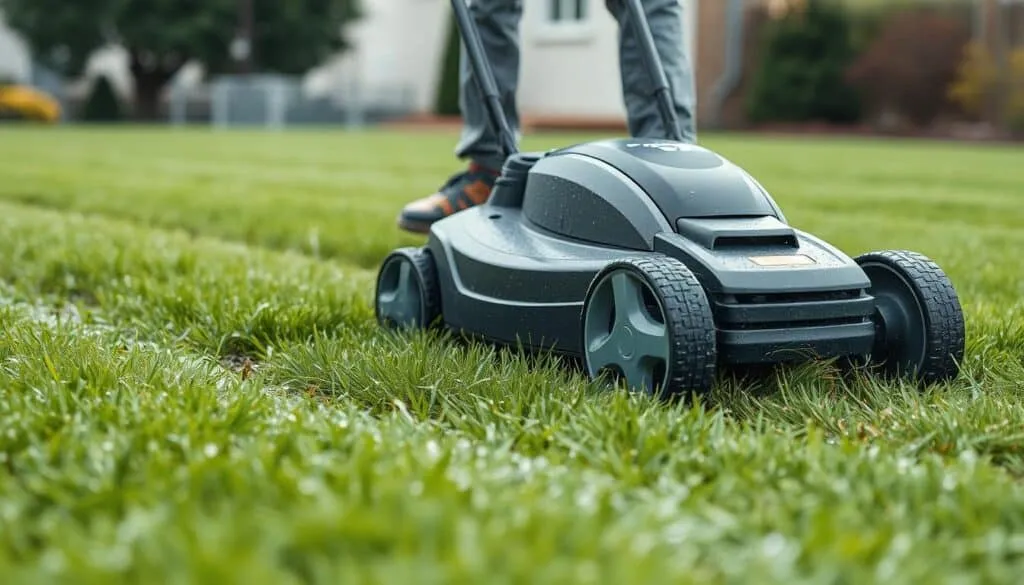
When mowing wet grass, several equipment concerns come to the forefront. The challenges posed by wet conditions can significantly impact your lawn mower’s performance and longevity.
Strain on Your Mower Engine
Mowing wet grass puts exceptional strain on your lawn mower’s engine as it struggles to cut through heavy, water-laden grass. The increased resistance requires more power, potentially leading to overheating issues that can damage internal components and shorten your mower’s lifespan.
Clogging and Overheating Issues
Wet grass clippings tend to clump and stick to the underside of the mower deck, creating clogs that further strain the engine and reduce cutting efficiency. These clumps can block proper airflow around the engine, exacerbating overheating problems and potentially causing the mower to stall repeatedly.
Damage to Mower Components
The moisture from wet grass can cause significant damage to your mower’s components. Rust and corrosion are major concerns, as moisture trapped in the mower deck can accelerate the deterioration of metal parts, including crucial components like blades and bearings.
Rust and Corrosion Risks
| Component | Risk | Consequence |
|---|---|---|
| Mower Blades | Rust and Corrosion | Reduced Cutting Efficiency |
| Bearings | Corrosion | Increased Friction, Potential Seizure |
| Engine | Moisture Ingress | Internal Damage, Potential Failure |
Safety Hazards
Mowing wet grass also introduces several safety hazards. Electric mowers face additional risks, as moisture can damage electrical components and potentially create dangerous short circuits. The combination of wet grass and electricity poses serious safety hazards, particularly with corded electric models.
Electrical Risks with Electric Mowers
The risk of electrical shock is a significant concern when using electric mowers on wet grass. Moisture can compromise the electrical integrity of the mower, posing a risk to the operator.
Slipping Hazards on Wet Grass
Slippery conditions increase the risk of accidents, as operators may lose footing on wet slopes or uneven terrain. This can lead to injuries and other safety issues.
When Can You Mow Damp Grass?
The decision to mow damp grass should be based on careful assessment of moisture levels and timing considerations. Mowing wet grass can be detrimental to your lawn’s health if not done correctly.
Assessing Moisture Levels
To determine if your grass is dry enough to mow, you need to assess its moisture levels. One simple method is the touch test.
The Touch Test Method
Walk across your lawn and check if your shoes get wet. If they do, it’s likely that the grass is too wet for mowing. This method provides a straightforward way to gauge the moisture level of your lawn.
Difference Between Morning Dew and Rain-Soaked Grass
Morning dew and rain-soaked grass present different challenges. Dew typically dries more quickly and may allow for mowing later in the morning. In contrast, rain-soaked grass requires significantly more drying time, depending on the intensity and duration of the rainfall.
Timing Considerations
Timing is crucial when it comes to mowing damp grass. The waiting period after rain and the ideal time of day for mowing are critical factors to consider.
Waiting Periods After Rain
As a general guideline, wait 2-5 hours after light rain before attempting to mow your lawn. After heavy rainfall, it’s best to wait a full 24 hours to allow both the grass blades and underlying soil to dry sufficiently.
Ideal Times of Day for Mowing
The ideal time for mowing is mid-morning or late afternoon when natural dew has evaporated but before evening moisture settles. Seasonal considerations also matter, as summer rain may dry more quickly than spring or fall precipitation due to higher temperatures and increased evaporation.
| Condition | Waiting Period | Ideal Mowing Time |
|---|---|---|
| Light Rain | 2-5 hours | Mid-morning |
| Heavy Rainfall | 24 hours | Late Afternoon |
| Morning Dew | Until dew evaporates | After dew has dried |
Understanding these timing considerations helps you make better decisions about when it’s appropriate to mow damp grass, ensuring a healthier lawn and a more efficient mowing process.
Best Practices for Mowing Damp Grass
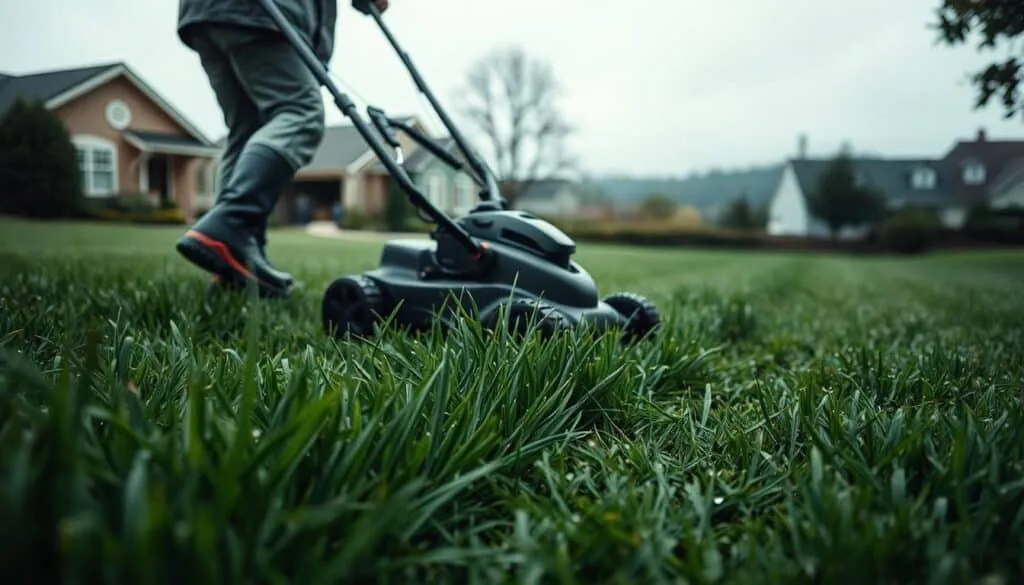
To safely mow damp grass, it’s crucial to follow best practices that protect both your lawn and your mower. Mowing damp grass can be challenging due to the potential for lawn damage and equipment strain. However, by preparing your mower properly, adjusting your mowing technique, and managing grass clippings effectively, you can achieve a clean cut without compromising your lawn’s health.
Mower Preparation
Proper preparation of your mower is essential when you must cut damp grass. Ensuring your mower is in good condition will help prevent damage to your lawn and reduce the risk of equipment failure.
Blade Sharpening
Sharp mower blades are critical for making clean cuts rather than tearing the grass. Dull blades can leave your lawn vulnerable to disease and pests. Regularly sharpening your mower blades will help maintain a healthy cut.
Deck Cleaning and Treatment
Before mowing, apply a silicone spray or specialized mower deck treatment to create a non-stick surface. This helps prevent wet clippings from adhering to and building up under the deck, reducing the risk of rust and corrosion.
Adjusting Your Mowing Technique
Adjusting your mowing technique is vital when dealing with damp grass. This includes raising your mowing height and slowing down your pace to ensure an even cut.
Height Adjustment
Raise your mower height by at least one to two settings higher than your normal cutting height. This reduces strain on the mower and minimizes lawn stress. Following the ‘one-third’ rule is crucial; never remove more than one-third of the grass blade length in a single mowing session.
Slower Pace and Overlapping Passes
Slow your pace significantly when mowing wet grass to allow the mower blades sufficient time to cut through the heavier, moisture-laden blades. Consider using overlapping passes (covering 30-50% of the previous path) to ensure more even cutting and reduce the likelihood of missed patches.
Managing Grass Clippings
Effective management of grass clippings is crucial when mowing damp grass. Wet clippings can be heavy and prone to clumping, so it’s essential to manage them properly.
Side Discharge vs. Bagging
When managing clippings, side discharge may work better than mulching in wet conditions, as mulching requires more power and is more likely to cause clumping. Using a bagger attachment can also help provide a cleaner finish.
Frequent Bag Emptying
If using a bagging attachment, empty the bag much more frequently than usual. Wet clippings are significantly heavier and fill the bag more quickly. Frequent emptying helps protect your equipment by reducing the strain on your mower’s engine and drive system.
By following these best practices, you can minimize the risks associated with mowing damp grass and maintain a healthy, well-manicured lawn.
Types of Mowers for Wet Conditions
The type of lawn mower you use on wet grass can significantly impact your lawn’s health and your safety. Different types of lawn mowers offer varying advantages and disadvantages when dealing with wet grass conditions.
Self-Propelled Mowers
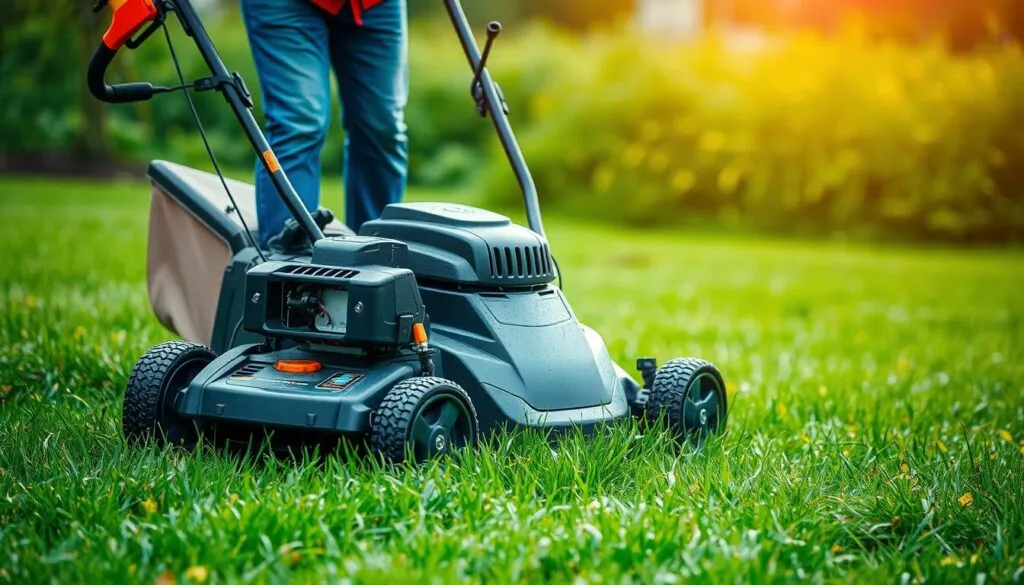
Self-propelled mowers ease your physical burden by moving forward on their own, providing added precision and steady cutting, even on wet grass. They are particularly useful for medium-sized lawns and moderate slopes.
Benefits and Limitations
While self-propelled mowers provide better traction and more consistent cutting in damp conditions, their added weight can lead to soil compaction and wheel ruts, especially on already-wet ground. Therefore, it’s crucial to avoid using them on overly saturated soil.
Gas vs. Electric Mowers
Gas-powered mowers generally perform better in wet conditions than electric models due to their higher torque and ability to handle the increased resistance of wet grass. However, electric mowers, particularly corded models, present significant safety hazards when used on wet lawns due to the risk of electrical shock.
Safety Considerations
If you use an electric lawn mower, especially one with an extension cord, there’s a risk of electric shock when operating in wet conditions. Water and electricity are a dangerous mix, and mowing wet grass increases the likelihood of a mishap. Battery-powered electric mowers eliminate the cord hazard but still face performance challenges in wet grass.
Robotic Lawn Mowers
Robotic lawn mowers offer an interesting alternative for wet conditions, as many models can be programmed to mow during optimal dry periods without human intervention. Some advanced robotic mowers include moisture sensors that prevent operation when grass is too wet, automatically resuming when conditions improve.
Automated Solutions for Challenging Conditions
When selecting a mower for frequently wet conditions, consider models with wider wheels that distribute weight more evenly and reduce the risk of creating ruts. The ideal mower for wet conditions balances power, weight distribution, and safety features to minimize both lawn damage and operator risk.
Creating a Well-Drained Lawn
To minimize the challenges associated with mowing wet grass, it’s vital to create a lawn that drains effectively. A well-drained lawn is essential for maintaining healthy grass and reducing the need for frequent mowing after rainfall.
Addressing Soil Compaction
Soil compaction is a significant issue that leads to poor drainage. When soil is compacted, it leaves little room for water to percolate through, resulting in waterlogged conditions. Core aeration is a highly effective method for addressing soil compaction.
Core Aeration Benefits
Regular core aeration removes small plugs of soil from your lawn, creating pathways for water to drain and allowing roots to access oxygen. For optimal results, aerate your lawn at least once annually, with twice-yearly aeration recommended for heavily used lawns or those with clay soil.
Grass Types for Wet Regions
Selecting the right grass type for your climate and moisture conditions is crucial. Certain grass types are more tolerant of wet conditions than others.
Fescues and Ryegrasses
Fescues and ryegrasses are excellent choices for regions with frequent rainfall. They can withstand some periods of waterlogging, making them ideal for wet conditions.
Bermuda and St. Augustine Options
Bermuda grass is suitable for open, sunny areas that experience seasonal heavy rain. St. Augustine grass offers a good balance for wet regions with mixed sun and shade, though it struggles with standing water.
Improving Drainage Solutions
Beyond grass selection and aeration, consider installing French drains or dry wells in areas where water consistently pools after rain.
| Drainage Solution | Description | Benefits |
|---|---|---|
| French Drains | A trench filled with gravel and a perforated pipe that redirects water | Effective for areas with heavy rainfall, reduces waterlogging |
| Dry Wells | A covered, gravel-filled pit that collects and disperses water | Ideal for managing runoff from roofs or paved areas |
Long-Term Lawn Health
By combining proper grass selection, regular aeration, and drainage improvements, you can create a lawn that dries more quickly and requires less waiting time before mowing. This approach not only enhances the health of your lawn but also makes maintenance easier.
Conclusion
The decision to mow damp grass should be made carefully, considering both the potential risks to your lawn and equipment. Throughout this guide, we’ve explored the complexities of mowing wet grass, highlighting the risks of uneven cuts, soil compaction, and disease spread. Proper timing is crucial; waiting 2-5 hours after light rain or a full day after heavy rainfall allows your lawn to dry sufficiently.
When you must mow wet grass, implementing best practices like raising the cutting height and sharpening mower blades can minimize damage. Choosing the right equipment, such as mowers with higher torque, improves results in wet conditions. Long-term solutions like improving drainage and selecting appropriate grass types create a more resilient lawn. By balancing patience with practical techniques, you can maintain your lawn effectively even during challenging weather patterns.
FAQ
What are the risks of mowing wet lawn?
Mowing wet lawn can cause soil compaction, leading to poor drainage and potentially harming the health of our lawn. It can also spread lawn diseases and create an ideal environment for weeds to grow.
How do I assess if my lawn is too wet to mow?
We check the moisture levels by observing if our lawn is still soggy or has standing water. If it’s too wet, we wait until it dries out a bit before mowing to avoid damaging the lawn mower and our lawn.
What type of mower is best suited for wet conditions?
Self-propelled mowers and robotic lawn mowers are good options for wet conditions as they can handle wet terrain with ease. We also consider using gas-powered mowers as they tend to be more effective in wet conditions than electric mowers.
How can I prevent soil compaction when mowing a wet lawn?
To minimize soil compaction, we avoid using heavy mowers and try to mow in different directions each time to distribute the weight evenly. We also consider using a mower with a high-clearance deck to reduce the pressure on the soil.
What are some tips for managing grass clippings when mowing a wet lawn?
We make sure to leave the clippings on the lawn to act as a natural fertilizer, but we also ensure they’re not too long or matted down, which can create more problems. We consider using a mulching mower to chop the clippings into fine pieces that can easily decompose.
How often should I maintain my lawn mower to ensure it’s ready for wet conditions?
Regular lawn mower maintenance is crucial, especially when mowing in wet conditions. We check and replace the mower blades regularly, clean the mower deck, and perform routine checks on the engine and other components to ensure it’s in good working condition.