
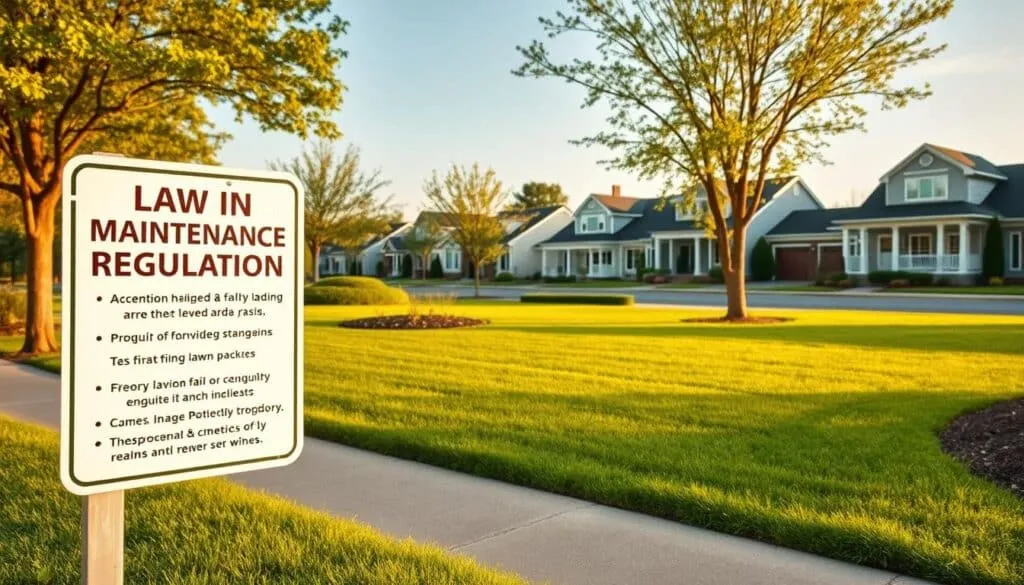
We’ve all been there – driving through a neighborhood and noticing a lawn that’s grown a bit too wild. Overgrown lawns can be more than just an eyesore; they can create safety hazards and harbor pests, potentially decreasing property values.
Many of us become frustrated when neighboring properties aren’t properly maintained, leading to questions about what recourse is available through local authorities. Understanding local regulations is the first step in addressing concerns about unmaintained lawns in your neighborhood.
In the United States, most municipalities have specific ordinances regulating lawn maintenance, with maximum allowed grass heights ranging from 8-12 inches. We’ll explore the legal framework surrounding lawn maintenance requirements and the reporting process.
Key Takeaways
- Lawn maintenance regulations vary by municipality.
- Overgrown lawns can pose safety hazards and attract pests.
- Understanding local ordinances is crucial for addressing unmaintained lawns.
- Property owners may face consequences for non-compliance.
- Reporting violations is a mechanism available through local authorities.
Understanding Lawn Maintenance Ordinances
Municipal codes typically define maximum grass height limits, which are enforced by local government departments. For instance, cities like Green Bay and Wheeling have set the maximum grass height at 8 inches, while Lynchburg allows up to 12 inches.
These ordinances are part of broader property maintenance codes designed to maintain community standards and protect property values. Local government entities establish these ordinances to ensure that neighborhoods remain aesthetically pleasing and property values are maintained.
As noted by lawn care experts,
“Maintaining your lawn is not just about keeping your property looking good; it’s also about complying with local regulations.”
Failure to comply can result in fines and penalties. It’s essential for homeowners to be aware of the specific ordinances in their area to avoid such issues.
The enforcement of lawn maintenance ordinances typically falls under departments such as Public Works, Code Enforcement, or Community Development. Homeowners should familiarize themselves with these departments and their roles to understand how ordinances are enforced in their locality.
- Lawn maintenance ordinances are part of broader property maintenance codes.
- Maximum allowable grass heights vary by municipality.
- Ordinances address issues beyond grass height, including weed control and yard waste.
In conclusion, understanding and complying with lawn maintenance ordinances is crucial for homeowners. By being aware of the specific regulations in their area, homeowners can maintain their properties in accordance with local laws, avoiding potential fines and contributing to the overall aesthetic of their community.
Can You Report Someone for Not Mowing Their Lawn?
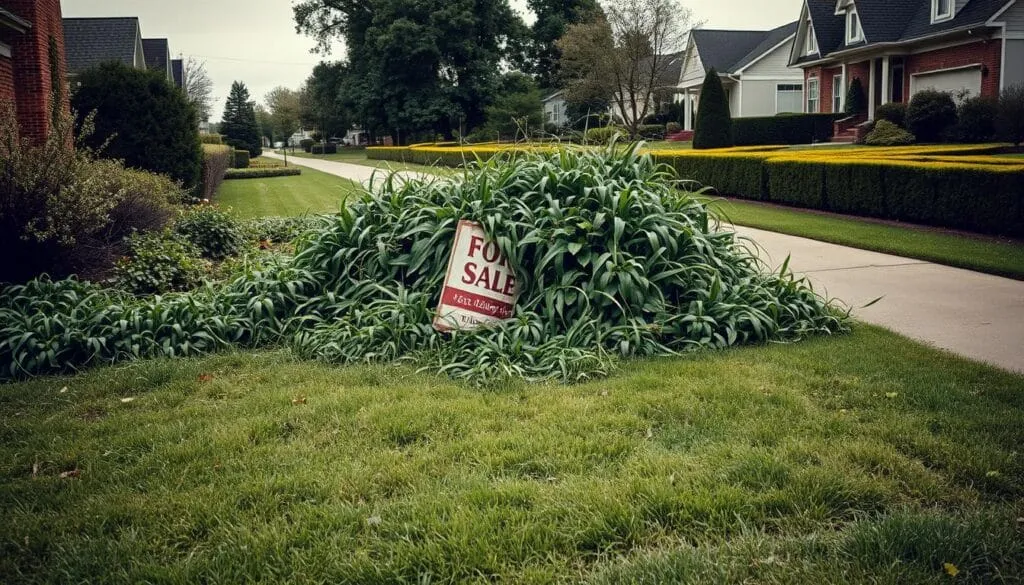
If you’re wondering whether you can report someone for not mowing their lawn, the answer depends on where you live and local regulations. According to the Green Bay FAQ, residents are encouraged to first speak with neighbors about lawn maintenance issues before filing a formal complaint.
We can report properties with unmaintained lawns that violate local ordinances in most municipalities, though the specific process varies by location. Before making a formal report, many cities encourage residents to attempt a neighborly conversation about the issue.
- Reporting neighbors for unmaintained lawns is possible in most cities.
- A neighborly conversation is often recommended before filing a formal complaint.
When filing a report, we typically need to provide the property address and a description of the violation. Providing contact information may be necessary for follow-up or if the case proceeds to a formal hearing.
How to Report Unmaintained Lawns
Reporting unmaintained lawns is a straightforward process that varies by municipality. The first step typically involves documenting the violation, which may include taking photos and noting the duration of the issue, sometimes measured in minutes since the problem was first observed.
Different cities have different procedures for reporting unmaintained lawns. For instance, in Green Bay, complaints can be filed through the GB Services website or by calling the Department of Public Works at 920-448-3535. In Wheeling, residents can contact Community Development at (847) 459-2620. Meanwhile, in Lynchburg, complaints can be filed by calling 434-856-2489 or through the Citizens First page online.
| City | Contact Method | Phone Number/URL |
|---|---|---|
| Green Bay | GB Services website or DPW | 920-448-3535 |
| Wheeling | Community Development | (847) 459-2620 |
| Lynchburg | Citizens First page online or Phone | 434-856-2489 |
When making a report, residents should be prepared to provide specific details, including the property address, a description of the violation, and the duration of the issue. After a report is filed, a code enforcement officer will typically inspect the property within a few business days to verify the violation. The property owner is then notified and given a specific timeframe to correct the issue.
Consequences of Not Maintaining Your Lawn
Unmaintained lawns can result in a series of escalating penalties. The city may perform the mowing job and invoice the owner. Repeat offenders may face citations and monetary penalties. In severe cases, liens can be placed on properties, affecting future sales or refinancing.
FAQ
What are the typical government regulations regarding lawn maintenance?
We find that most local governments have ordinances requiring property owners to maintain their lawns, often specifying maximum grass heights and weed control measures.
How do I report a neighbor’s unmaintained lawn to the authorities?
We recommend contacting our local government’s code enforcement or public works department, usually via phone or online complaint form, to initiate the process.
What are the consequences for property owners who fail to maintain their lawns?
We observe that penalties can range from fines to court-ordered maintenance, and in some cases, the local government may perform the necessary work and bill the property owner.
How long does it typically take for the government to respond to a complaint about an unmaintained lawn?
We note that response times vary, but most government agencies aim to address complaints within a few days to a few weeks, depending on the jurisdiction and workload.
Are there any exceptions to lawn maintenance ordinances, such as for government or job-related reasons?
We understand that some exceptions may apply, such as for properties under government ownership or those affected by job-related circumstances, but these vary by jurisdiction.
Can a complaint about an unmaintained lawn be made anonymously?
We see that some jurisdictions allow anonymous complaints, while others require identifying information, so it’s best to check with our local government for their specific policy.
How often should lawns be mowed to comply with typical ordinances?
We find that the frequency of mowing depends on factors like climate, grass type, and local regulations, but a common standard is to maintain grass at a height of 6-10 inches, often requiring mowing every 7-10 days during the growing season.
What is the typical fine or penalty for not maintaining a lawn, and are there any additional costs?
We observe that fines can range from to 0 or more per incident, and additional costs may be incurred if the government performs the necessary work, which can include administrative fees and the cost of mowing or other maintenance.