
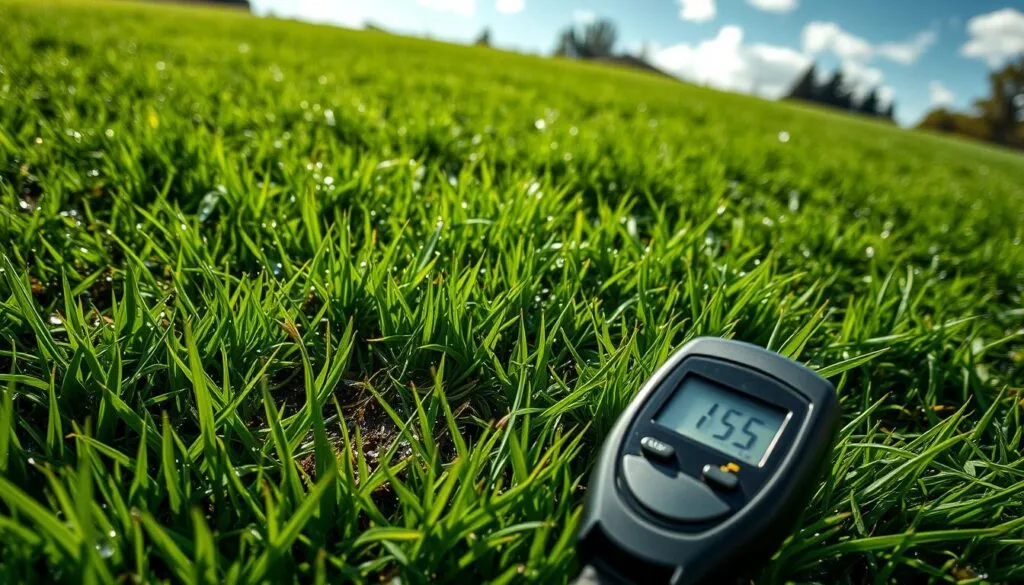
Have you ever wondered if that quick trim after a rain shower is helping your yard or secretly harming it? Many homeowners face this dilemma, often rushing to cut the grass without considering the moisture level. The decision you make can have a lasting impact.
Understanding the right conditions for cutting your lawn is crucial for its long-term health. Mowing at the wrong time can lead to more than just an uneven cut. It can create serious problems for your turf and even damage your equipment.
This guide will help you make an informed choice. You will learn to recognize the signs that indicate your lawn needs more time to dry. Protecting your investment starts with knowing when to wait.
Key Takeaways
- Mowing on a soaked lawn can cause significant damage to grass blades and soil structure.
- Proper timing prevents disease, fungal growth, and uneven cutting results.
- Assessing moisture levels protects your lawn mower from clogging and strain.
- Informed decisions lead to a healthier, more attractive yard over time.
- Simple tests can help you determine if conditions are safe for mowing.
Introduction to Mowing Wet Grass
The condition of your grass before you start mowing is just as critical as the act itself. Rushing the process can undo all your hard work. Proper timing protects your lawn’s vitality and appearance.
Importance of Timing for Lawn Health
Correctly scheduling your mowing sessions is fundamental for a vibrant, disease-resistant yard. Cutting at the wrong moment, especially after rain, invites trouble.
Damp blades clump together and bend. Your mower then tears and pulls them instead of making clean cuts. This creates a ragged look and opens the door for fungal infections.
Weather Impact on Your Lawn
Weather patterns directly control moisture levels in your turf. Understanding this relationship helps you plan effectively.
Extended rainy periods often mean you cannot wait for perfectly dry conditions. You must learn to assess when the lawn is dry enough for a safe cut. This knowledge allows you to schedule sessions that promote healthy growth, not damage.
Understanding the Dangers of Mowing Wet Grass
Operating a lawn mower on moisture-laden turf creates a cascade of problems that threaten your yard’s health. The risks extend far beyond cosmetic issues to include permanent damage to your grass and potential safety hazards.
When wet grass blades are heavy with water, they bend and clump together. Your mower cannot make clean cuts. Instead, it tears and pulls at the vegetation. This ragged cutting weakens each blade and leaves your lawn vulnerable.
Torn grass creates open wounds where fungal diseases can enter. Moist conditions provide the perfect environment for pathogens to thrive. What begins as minor damage can quickly spread across your entire lawn.
The physical strain on your equipment increases significantly. Mowing damp vegetation demands more power from the engine. This can lead to overheating, stalling, or premature wear on critical components.
Safety risk escalates dramatically under these conditions. Wet surfaces increase slip hazards while handling heavy machinery. Understanding these dangers helps you make informed decisions about when to postpone your mowing schedule.
How wet is too wet to mow: Factors to Consider
Evaluating your lawn’s moisture level requires a simple, hands-on approach for accurate assessment. You need to look beyond surface dampness to understand the complete picture.
This involves checking both the grass blades and the underlying ground. Proper evaluation prevents damage and ensures a healthy cut.
Soil Moisture and Grass Condition
The soil beneath your turf plays a critical role. Saturated ground is soft and easily damaged by heavy equipment.
When the soil holds too much water, it can rut under mower wheels. This leads to compaction, which harms root health.
Different soil types drain at varying rates. Clay-heavy earth retains moisture much longer than sandy compositions.
Assessing the grass itself is equally important. Look for signs of deep moisture penetration, not just morning dew.
Assessing the Effects of Rain
A standard guideline is to wait at least 24 hours after rain stops. This timeline can change based on temperature and humidity.
Perform a simple walk test. If your footsteps leave visible impressions, the lawn remains too saturated for cutting.
When the grass springs back immediately, conditions are generally suitable. This indicates sufficient drying has occurred.
Postpone your mowing session if the turf appears waterlogged. Protecting your lawn from damage is the top priority.
Mowing Techniques for Wet Conditions
Sometimes, waiting for your lawn to dry completely isn’t an option. You can still protect it with the right mowing techniques. Proper adjustments minimize harm to your turf and equipment.
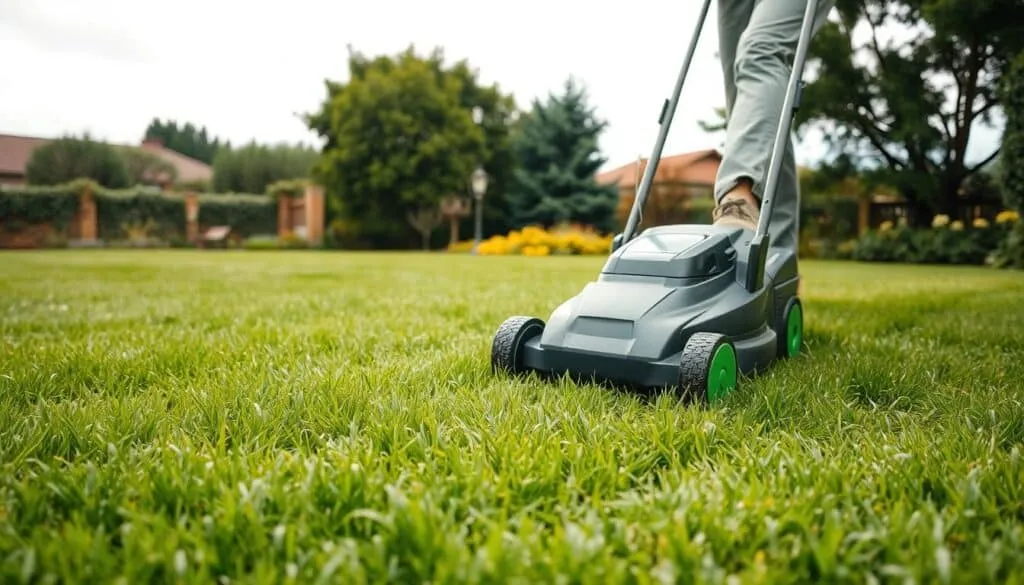
Employing a slow, deliberate pace is the first critical step. This method gives your mower’s blades time to process clumped vegetation effectively. Rushing leads to uneven cutting and excessive strain.
Slow and Steady Approaches
Reducing your speed is essential for mowing wet turf. A slower pace allows for cleaner cuts and significantly reduces clumping. This careful way of cutting wet grass protects the grass blades from being torn.
Height Adjustment Strategies
Raising your mower‘s deck is equally important. Set the height one or two settings higher than normal. This strategy prevents removing too much grass at once.
Adhere strictly to the one-third rule. Never remove more than the top third of the grass blade in a single session. Cutting wet grass too short causes severe damage.
| Technique | Dry Condition Approach | Damp Condition Adjustment | Primary Benefit |
|---|---|---|---|
| Mowing Speed | Standard Pace | Significantly Slower | Reduces Clumping & Strain |
| Cutting Height | Usual Setting | 1-2 Settings Higher | Prevents Scalping & Tearing |
| Grass Removed | Up to One-Third | Strictly One-Third or Less | Minimizes Plant Stress |
These techniques help you cut wet grass more safely. They reduce the risk of disease and keep your mower running smoothly. Patience and proper height adjustment make a significant difference.
Preparing Your Lawn for a Wet Mowing Session
Your preparation routine determines whether wet grass cutting becomes problematic or productive. Taking time to prepare your lawn before mowing significantly improves results. This approach reduces potential damage to both your turf and equipment.
You can remove excess surface water with simple household items. Dragging a garden hose across your lawn in a squeegee motion pushes standing water toward the edges. This technique works well for surface moisture from dew or light rain.
Dealing with Excess Moisture
Another effective method involves using a wide, soft-bristle broom. Gently sweep water off grass blades toward your lawn’s perimeter. This reduces the moisture level enough to make mowing more manageable.
These preparation techniques work best for surface moisture rather than deeply saturated ground conditions. When the soil holds too much water, longer drying periods become necessary.
Spending ten to fifteen minutes preparing your lawn saves significant cleanup time later. You’ll experience less clumping and better cut quality. The grass will accumulate less in your mower deck.
Proper preparation demonstrates that even suboptimal conditions can yield good results. Taking proactive steps protects your lawn’s long-term health while making the immediate task easier.
Essential Mower Maintenance for Wet Grass
Proper equipment upkeep is your first line of defense against the challenges of trimming a moisture-heavy lawn. Consistent care prevents costly repairs and ensures a cleaner cut.
Damp clippings are sticky and clump together. These clumps lodge inside the mower deck, restricting airflow. This jams the blades and strains the engine, risking overheating.
Cleaning the Mower Deck
You must clean the mower deck thoroughly after each session. Letting wet clippings dry inside leads to rust on metal components.
Before you start cutting, ensure the deck is clean. Applying a non-stick spray coating helps prevent clippings from adhering. This simple step reduces clogging issues significantly.
Sharpening the Blades Regularly
Sharp mower blades are absolutely essential for cutting wet grass. Dull blades tear and shred rather than cut cleanly. This multiplies damage to grass plants.
Trimming damp turf dulls mower blades much faster. You will need to sharpen or replace them more often. Regular sharpening ensures clean cuts even in challenging conditions.
| Maintenance Task | Frequency | Key Benefit | Risk of Neglect |
|---|---|---|---|
| Deck Cleaning & Coating | Before & After Each Use | Prevents Clogging & Rust | Engine Strain & Corrosion |
| Blade Sharpening | Every 20-25 Hours of Use | Ensures Clean, Healthy Cuts | Torn Grass & Disease Spread |
| Under-Deck Inspection | Weekly During Wet Seasons | Early Problem Detection | Unexpected Equipment Failure |
Implementing this rigorous schedule extends your mower‘s lifespan. It also protects your lawn’s health during necessary mowing in less-than-ideal conditions.
Choosing the Right Equipment and Mower Type
Your choice of lawn equipment dramatically affects how well you can handle moist turf conditions. The proper tools can mean the difference between a clean cut and lasting damage to your property.
Different mower types offer distinct advantages for various situations. Understanding these differences helps you select equipment that matches your specific needs.
Self-Propelled versus Manual Mowers
Self-propelled models provide significant benefits when dealing with damp vegetation. They move forward under their own power, ensuring consistent cutting speed.
This steady pace helps prevent clumping and uneven results. The added weight of these mowers creates a trade-off though.
Heavier equipment increases soil compaction risks on saturated ground. You should avoid using them when the earth feels waterlogged.
Manual push mowers offer lighter weight alternatives. They reduce compaction concerns but demand more physical effort.
Benefits of Robotic Mowers
Robotic mowers like the Husqvarna Automower® represent innovative solutions. They handle routine maintenance automatically during optimal conditions.
These systems can operate without direct involvement. They typically work when grass is driest, minimizing moisture-related issues.
Your final selection should consider lawn size, terrain, and typical weather patterns. The right equipment protects your investment while maintaining beautiful lawns.
Safety Precautions When Mowing in Wet Conditions
The combination of moisture and machinery creates unique hazards that require specific precautions. Your personal protection becomes the highest priority when dealing with slippery surfaces.
Slick grass dramatically increases the potential for accidents. Understanding these dangers helps you implement effective safety measures.
Proper Footwear and Secure Grip
Your footwear choice directly impacts stability on damp terrain. Select shoes with aggressive tread patterns designed for wet surfaces.
Maintain a firm, two-handed grip on your mower handles at all times. Sudden slips or resistance from heavy vegetation can cause loss of control.
Proper equipment handling reduces injury risk significantly. Always move deliberately and avoid rapid direction changes.
Handling Mowers on Sloped Terrain
Slopes present additional challenges when the ground is saturated. Gravity combined with slippery conditions creates dangerous situations.
Always mow diagonally across inclines rather than straight up or down. This technique improves stability and reduces rollover risk.
Self-propelled mowers offer better control on sloped terrain. Their consistent forward momentum requires less pushing effort from you.
Never attempt to cut steep slopes when conditions are unfavorable. The combination of weight and slippery grass creates unacceptable risks.
Avoiding Lawn Damage and Soil Compaction
When your mower wheels sink into saturated ground, they’re not just cutting grass—they’re compressing the very foundation your lawn needs to thrive. This soil compaction represents one of the most serious consequences of working in poor conditions.
Compacted soil prevents essential air, water, and nutrients from reaching grass roots. The weight of your equipment presses soil particles tightly together. This eliminates the air spaces that roots require for healthy development.
Your mower can create deep ruts in soft, saturated soil. These depressions remain visible long after the ground dries. They create tripping hazards and make future mowing more challenging.
Deep ruts collect rainwater, creating stagnant pools. These become breeding sites for mosquitoes and other pests. Preventing this damage protects your outdoor enjoyment.
| Prevention Technique | Implementation Method | Primary Benefit | Equipment Consideration |
|---|---|---|---|
| Proper Drying Wait | Allow 24+ hours after rainfall | Preserves soil structure | All mower types benefit |
| Lighter Equipment Use | Choose push mowers over riders | Reduces ground pressure | Manual mowers preferred |
| Mowing Pattern Variation | Change direction each session | Distributes weight evenly | Works with any mower |
| Soil Aeration | Core aerate annually | Reverses existing compaction | Separate equipment needed |
Understanding that compaction damage accumulates over time helps you make better decisions. Protecting your soil structure ensures long-term lawn health and vitality. Your careful approach today prevents problems tomorrow.
Managing Clumping and Thatch from Wet Grass
Those unsightly piles of grass left behind after cutting a damp lawn signal more than just a messy job. They represent a genuine threat to your turf’s health. When clumping occurs, it creates conditions that can damage your lawn beneath the surface.
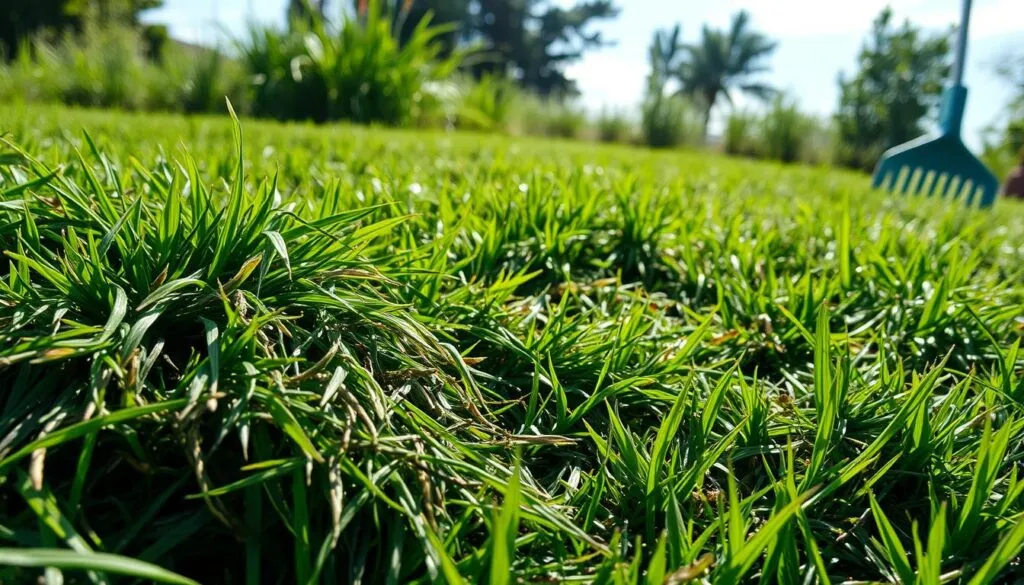
Thick clumps of wet grass block essential sunlight and air from reaching the living plants below. This smothering effect causes yellowing and can kill the covered turf completely. The decomposing material contributes to thatch buildup.
Clearing Mower Clippings Effectively
You need proactive strategies to manage clippings during damp mowing sessions. Several techniques help prevent problematic accumulation.
- Double-cut areas with heavy growth to break large clumps into smaller pieces
- Use a bagger attachment to collect clippings before they form troublesome piles
- Stop frequently to clear accumulated grass from your mower deck
- Repurpose collected grass as compost or mulch for garden beds
These methods require more effort but prevent long-term damage. Your mower performs better when the deck remains clear of heavy, wet material. Consistent attention to clumping issues maintains both your equipment and lawn health.
Tips for Reducing the Spread of Lawn Disease
Fungal diseases can quickly turn a healthy lawn into a patchy mess when conditions are right. Torn grass blades create perfect entry points for pathogens. The combination of damage and moisture allows infections to establish rapidly.
Several common diseases thrive in damp conditions. Dollar spot creates small, bleached circles on your turf. Rust disease shows as orange spots on individual blades.
Preventing Fungal Growth
Brown patch forms irregular circles of dead grass. Red thread causes reddish patches with visible fungal threads. These diseases spread easily through wet grass clippings.
Your mowing equipment can transfer spores across the entire lawn. When you notice active disease symptoms, wait until the turf dries completely. Cutting damp vegetation spreads infections further.
Follow these essential tips for disease prevention. Clean your mower thoroughly after each session. This simple practice prevents cross-contamination between healthy areas.
Proper mowing timing protects your lawn investment. These tips help avoid expensive fungicide treatments later. Your careful approach maintains a vibrant, disease-resistant yard.
Post-Mowing Lawn Care in Wet Conditions
What you do immediately after finishing a damp mowing job can make the difference between healthy turf and lasting damage. Proper aftercare protects your investment in both your equipment and your lawn.
This maintenance routine becomes especially important when dealing with moisture-heavy conditions. Your attention to detail now prevents problems later.
Cleaning Equipment After Use
Thorough care of your mower begins right after you finish cutting. Damp grass clippings stick to surfaces and promote rust.
Remove all accumulated debris from the deck, blades, and undercarriage. This prevents corrosion and keeps your equipment functioning properly.
Allow no wet clippings to dry on metal components. Regular cleaning extends your mower‘s lifespan significantly.
Inspecting Your Lawn for Damage
Walk your property carefully after completing the task. Look for areas where the grass was torn instead of cleanly cut.
Check for ruts, compacted zones, and smothered turf from clumping. Early detection allows for quick corrective care.
Monitor for disease signs like discoloration or unusual spots. Addressing issues promptly protects your entire lawn from spreading problems.
This post-mowing inspection takes little time but provides big benefits. It transforms a potentially damaging activity into manageable maintenance.
Addressing Equipment Risks and Mower Damage
Your mower faces substantial risks when tackling grass that hasn’t fully dried after precipitation. The hidden costs extend beyond just an uneven cut to potential equipment failure.
Damp clippings create serious problems for your machinery. They clump together and jam the mower deck, restricting airflow. This forces the engine to work harder, potentially causing overheating or stalling.
The abrasive nature of wet grass dulls blades much faster than dry conditions. You’ll need more frequent sharpening or replacement, increasing maintenance costs significantly.
Moisture from clippings seeps into critical components. This includes bearings, belts, and metal surfaces. Rust and corrosion can lead to premature part failure.
Electric mowers present particular hazards. Cordless models have batteries and electrical parts that aren’t waterproof. Using them on damp turf risks short circuits and major damage.
Most manufacturers explicitly warn against this practice. Stihl USA and LawnMaster manuals specifically prohibit cutting wet grass with their products. Violating these guidelines may void your warranty.
Corded electric mowers create even greater dangers. Electricity and water form a hazardous combination that risks shock or fire. Understanding these equipment risks helps you make informed decisions about when to postpone mowing.
Optimizing Mowing Schedule in Changing Weather Conditions
A well-crafted schedule that accounts for precipitation cycles prevents the need for emergency trimming in poor circumstances. Strategic planning ensures your lawn receives proper care during optimal periods.
This approach protects your grass health and equipment longevity. You avoid unnecessary stress on both your turf and machinery.
Identifying the Best Times to Mow
Mid-morning represents an ideal window for cutting your grass. Early dew has evaporated by this time. The afternoon heat hasn’t peaked yet.
Late afternoon offers another excellent opportunity. Morning moisture has dried completely. Temperatures become more moderate for comfortable work.
Wait at least 24 hours after rain stops before considering mowing. This allows sufficient drying time for grass blades and soil. Perform the footprint test to confirm conditions are suitable.
Monitoring Local Weather Patterns
Regularly check extended forecasts in your region. Look for multi-day dry periods that allow complete lawn maintenance. This planning reduces rushed sessions.
In areas with frequent precipitation, adaptation becomes necessary. Sometimes waiting a full day between rain and cutting isn’t feasible. Adjust your techniques accordingly during wet seasons.
| Weather Scenario | Recommended Timing | Key Considerations | Alternative Approach |
|---|---|---|---|
| After Light Rain | 24+ hours post-rainfall | Footprint test verification | Partial cutting if necessary |
| Dewy Morning | Mid-morning (10 AM-12 PM) | Natural evaporation complete | Late afternoon session |
| Frequent Rain Periods | First dry window available | Raised mower height setting | Slow, careful cutting pace |
| Dry Spell | Early morning or evening | Avoid peak heat stress | Standard maintenance routine |
Consistent weather monitoring helps maintain regular cutting intervals. You minimize exposure to challenging circumstances. Your lawn stays healthier throughout the growing season.
Conclusion
Mastering lawn maintenance means knowing when to push the mower and when to pause. Your lawn care decisions directly impact your property’s health and appearance.
Balancing multiple factors helps you determine the right approach. Soil moisture, weather patterns, and equipment limitations all play crucial roles.
While cutting damp vegetation is never ideal, proper techniques minimize damage when waiting isn’t possible. Slower speeds and raised cutting heights protect your grass during challenging sessions.
Every choice represents a trade-off between schedule maintenance and long-term lawn health. Following these tips develops your judgment for informed decisions.
Your property deserves protection through careful timing and appropriate methods. This way ensures vibrant lawns regardless of weather challenges.
FAQ
What are the main risks of cutting wet grass?
Mowing when the lawn is too wet can cause significant damage. You risk tearing the grass blades instead of making clean cuts, which can lead to brown, frayed tips. Wet conditions also promote soil compaction, create ruts from the mower’s weight, and increase the chance of spreading lawn diseases like fungus.
How can I tell if my grass is too wet to mow?
A simple test is the “footprint test.” Walk across your lawn. If you leave deep, visible footprints and the soil feels soggy or water squishes up, it’s too wet. Also, if water droplets cling heavily to the grass blades after rain or heavy dew, it’s best to wait for the lawn to dry.
What is the best type of mower to use on damp grass?
A mower with high-wheel clearance and a powerful engine, like a self-propelled model, handles moisture better. Robotic mowers can also be a good option for maintaining a schedule between rains. Avoid using heavy riding mowers, as their weight is more likely to cause soil compaction and ruts on soft, wet ground.
How should I adjust my mowing technique for a damp lawn?
If you must mow, raise the cutting height of your mower deck to reduce stress on the grass. Go slower than usual to prevent clumping and to give the blades more time to process the wet clippings. Overlapping your mowing passes less can also help minimize the accumulation of heavy, wet grass clippings.
How do I prevent clumping when the grass is wet?
To manage clumping, mow more frequently so you are never cutting off too much length at once. You can also make a second pass with the mower, perpendicular to your first pass, to break up any large clumps of clippings left behind. Ensuring your mower blades are sharp is critical for a cleaner cut that resists clumping.
What safety precautions are important when mowing in wet conditions?
Your safety is paramount. Always wear shoes with excellent traction to prevent slipping on wet grass. Be extra cautious on slopes, as a mower can easily slide. Be aware that wet clippings can clog the discharge chute, so turn off the engine completely before clearing any blockages to avoid injury from the blades.
How should I care for my mower after cutting wet grass?
Post-mowing maintenance is crucial. Thoroughly clean the underside of the mower deck with a brush or hose to remove all wet grass clippings. This prevents rust and corrosion. It’s also a good time to check and sharpen the blades, as cutting damp grass can dull them faster.