
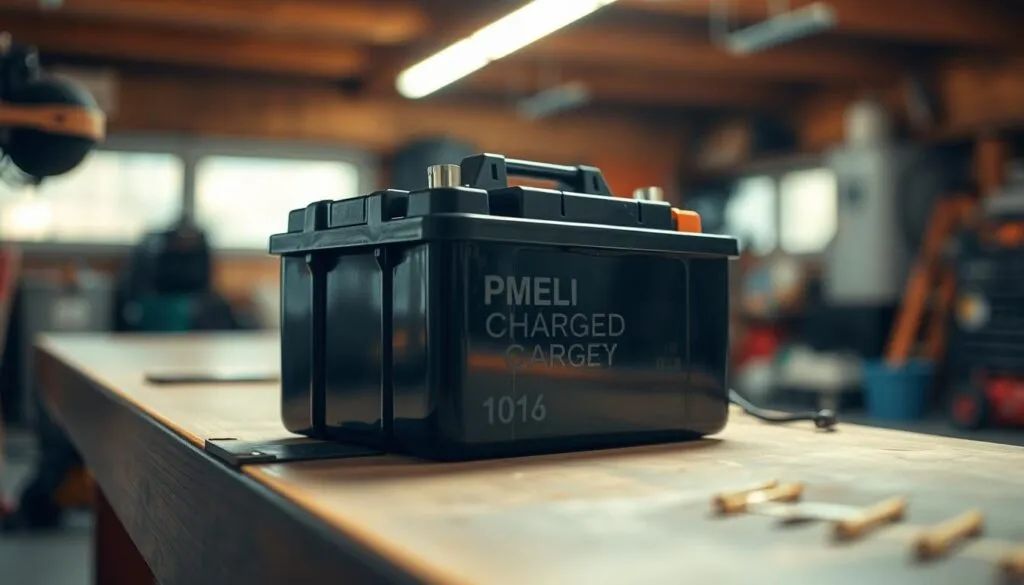
Is your lawn mower battery secretly costing you more than just money? Many owners focus on sharp blades and clean decks, but the heart of your equipment’s power often gets overlooked. A healthy battery is the key to a reliable machine.
This component is essential for starting your equipment and keeping it running smoothly all season. Without proper care, it can drain unexpectedly, leaving you with a half-cut lawn and a major inconvenience. Understanding the basics prevents damage and extends the life of your entire setup.
Our comprehensive guide provides the knowledge you need. We will walk you through identifying your specific battery type and avoiding common mistakes that can shorten its lifespan. Whether you are a first-time owner or just need a refresher, this article offers clear, step-by-step guidance.
You will learn about vital safety precautions, effective maintenance routines, and even alternative power methods. Proper care stops unexpected breakdowns and saves you both time and cash. Different models and battery chemistries require unique approaches, and we cover them all in detail.
Key Takeaways
- A well-maintained battery is crucial for keeping your lawn healthy and your equipment running.
- Correct charging practices are vital for your safety and the long-term functionality of your mower.
- This guide covers everything from battery identification to avoiding frequent charging errors.
- You’ll gain practical knowledge on charging times, safety steps, and upkeep tips.
- Proper battery care prevents mid-job failures and extends the life of your machine.
- Different battery types and mower models need specific charging strategies.
Understanding Your Lawn Mower Battery
Proper battery identification prevents costly mistakes and ensures your outdoor power tools function optimally. Before connecting any charger, you must know your specific power source type and specifications.
Battery Types: Lead-Acid vs. Lithium-Ion
Traditional lead-acid batteries power most gas-powered riding mowers and lawn tractors. These affordable units resemble small car batteries but require regular maintenance like fluid checks and terminal cleaning.
Modern lithium-ion batteries dominate electric push mowers with lighter weight and faster charging. They need specialized chargers but offer reduced upkeep compared to lead-acid options.
Identifying Battery Voltage and Specifications
Check the label or casing for voltage information—most modern equipment uses 12V systems. Using incorrect voltage chargers causes serious damage to your components.
Electric push mowers feature removable battery packs, while riding models use larger, fixed units. Knowing your specifications ensures proper charger selection and extends battery life.
Preparing for a Safe Charging Process
Safety preparation is your first defense against battery-related accidents. Establishing proper protocols protects both you and your equipment from potential hazards.
Personal Safety and Workspace Setup
Always wear safety glasses and gloves when handling your mower battery. These protect against sparks and corrosive materials.
Choose a dry, well-ventilated area with a flat surface. Keep metal objects away from your workstation to prevent accidental shorts.
Proper ventilation is critical, especially with lead-acid batteries that release flammable hydrogen gas. Never charge in enclosed spaces or near open flames.
“Safety isn’t expensive, it’s priceless. Proper preparation prevents poor performance when working with electrical components.”
Choosing the Right Battery Charger
Selecting appropriate chargers ensures your lawn mower battery receives optimal power. Match the charger’s voltage to your battery specifications.
Most modern lawn equipment uses 12V systems. Using incorrect voltage can cause serious damage to your mower battery.
Automatic chargers with shutoff features provide the safest operation. They prevent overcharging and require less monitoring than manual options.
| Charger Type | Best For | Safety Features | Charging Speed |
|---|---|---|---|
| Automatic Smart Charger | All battery types | Auto shutoff, diagnostics | Medium to Fast |
| Manual Charger | Experienced users | Basic protection | Variable |
| Trickle Charger | Long-term maintenance | Continuous low power | Very Slow |
Make sure your charger’s amperage stays below 10 amps for smaller mower batteries. This prevents overheating and extends battery life.
How to Charge Your Lawn Mower Battery Safely
Correct terminal attachment forms the foundation of secure electrical work with your equipment. Proper procedures prevent accidents and extend component lifespan.
Key Safety Precautions to Follow
Always wear protective gear when handling electrical components. Choose a well-ventilated workspace away from flammable materials.
Never allow charger clamps to touch once the unit receives power. This creates dangerous sparks that can cause burns or fire.
Handle terminals carefully without excessive force. Avoid using metal tools that might cause short circuits.
Proper Connection of Charger Terminals
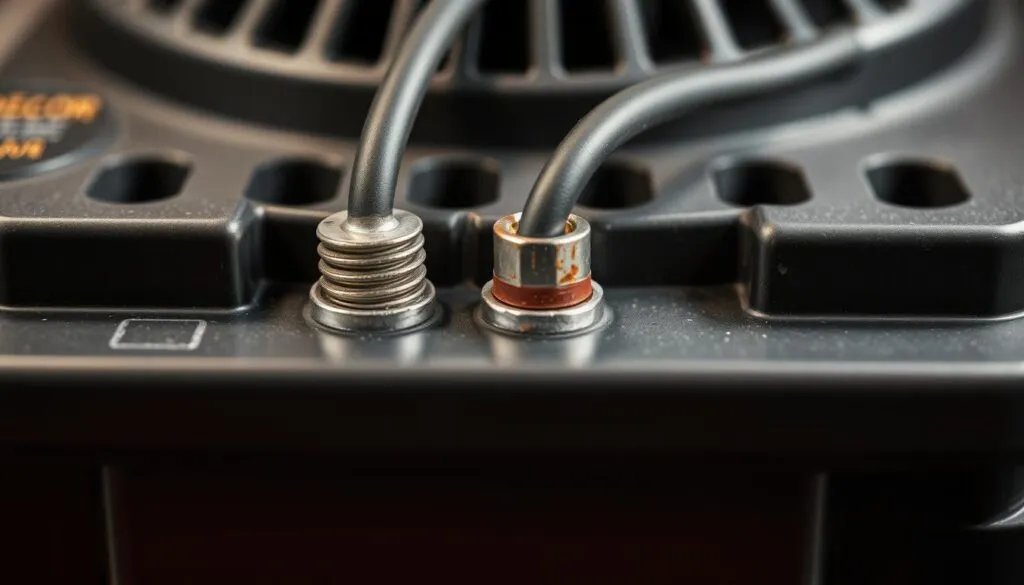
Always connect the red clamp to the positive terminal first. Then attach the black clamp to the negative terminal.
Make sure the power source remains off during connection. Secure all cables firmly without over-tightening.
When disconnecting, reverse the sequence. Remove the negative cable first, then the positive one.
This systematic approach minimizes spark risk. It protects both user and equipment from potential damage.
Step-by-Step Charging Guide
Executing a proper charging sequence transforms a routine task into a reliable maintenance ritual. This systematic approach ensures consistent results while protecting your equipment investment.
Preparing Your Battery and Charger
Begin by gathering safety glasses and gloves in a well-ventilated area. Turn off your equipment and remove the ignition key before accessing the power source.
Locate the component under the seat or hood of riding models. Decide whether to work in place or remove the unit entirely for safer handling.
Match your charger’s voltage to the specifications, typically 12V. Select a unit with appropriate amp-hour rating around 10Ah for optimal performance.
Monitoring the Charging Process
Connect the red clamp to the positive terminal first, then the black to negative. Ensure the power source remains off during this critical step.
Set manual units to low amp settings between 2-10 amps for healthier charging. Never touch or adjust clamps once the process begins.
Resist checking progress by attempting to start your equipment. Proper monitoring means observing without interference until completion.
Disconnect by unplugging from the wall first, then removing negative followed by positive clamps. Lead-acid types require a five-minute waiting period before final removal.
how long to charge a lawn mower battery
Multiple elements determine the restoration period for your equipment’s energy source. The duration depends on capacity, discharge level, and charger output.
Factors Affecting Charging Time
Your power unit’s size and how drained it was impact the wait. Larger capacities need more hours to reach full capacity.
Charger amperage plays a crucial role. Lower settings take longer but protect component health. Higher outputs work faster but may reduce lifespan.
Typical Timeframes for Different Mower Models
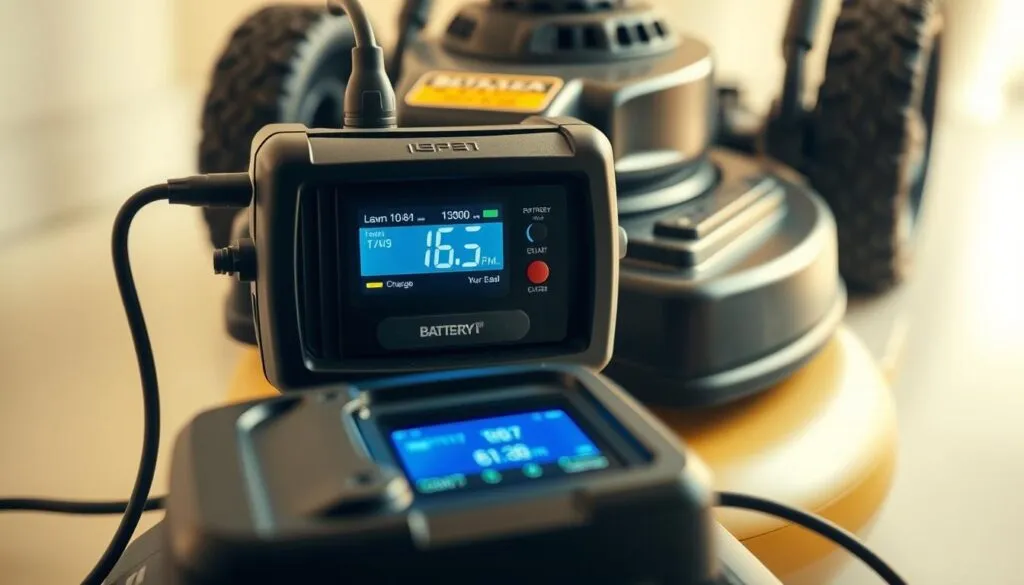
Standard riding equipment with 12-volt systems typically requires 4-8 hours. This assumes moderate charger output between 2-10 amps.
Smaller electric models complete much faster. Some need just 30 minutes while larger commercial units can take half a day.
| Mower Model | Battery Type | Charging Duration | Runtime |
|---|---|---|---|
| Snapper Push Mower | Lithium-ion | 30 minutes | 25-30 minutes |
| Sun Joe Light Mower | Lithium-ion | 1.5-2 hours | 45 minutes |
| Cub Cadet Sit-on Mower | Lithium-ion | 4 hours | 1-1.5 hours |
| Weibang Commercial | Lithium-ion | 12 hours | 2.5 hours |
Trickle units operate at very low power for maintenance. They can take 10+ hours but prevent overcharging during storage.
Always check your charger’s indicators for completion signals. These estimates may vary based on age and temperature conditions.
Tips for Maintaining Optimal Battery Life
Proper care routines can significantly extend the functional lifespan of your outdoor power equipment. Consistent attention beyond occasional power restoration ensures reliable performance season after season.
Routine Battery Care and Maintenance
Regular inspections every few weeks during active months protect your investment. Look for swelling, cracks, or terminal corrosion that could affect performance.
Clean terminals with a wire brush and apply petroleum jelly to prevent buildup. This simple step maintains efficient power transfer to your equipment.
Remove the power source from the maintainer immediately once full. Overexposure to electrical current reduces overall longevity.
Proper Storage and Seasonal Considerations
Winter months require special attention for energy cell preservation. Disconnect the component from your equipment and store in a cool, dry place above freezing.
Lead-acid types naturally lose capacity when unused. Keep them powered before seasonal storage to maintain electricity retention ability.
“A well-maintained power source is like insurance for your equipment—it ensures readiness when you need it most.”
| Maintenance Practice | Frequency | Benefit | Season |
|---|---|---|---|
| Terminal Cleaning | Monthly | Prevents corrosion | Year-round |
| Storage Preparation | Before winter | Preserves capacity | Fall |
| Monthly Use | Once per month | Maintains charge | Off-season |
| Visual Inspection | Every 2 weeks | Early problem detection | Mowing season |
Consider a smart maintainer for extended idle periods. These devices provide optimal power levels without risk of overexposure.
Common Charging Mistakes to Avoid
Many equipment owners unknowingly sabotage their own power sources through simple charging errors. These common blunders can permanently damage your components or create safety hazards.
Understanding these pitfalls helps protect your investment. Proper awareness prevents costly replacements and dangerous situations.
Reversing Cable Connections
Connecting clamps incorrectly ranks among the most damaging errors. Always attach the red clamp to the positive terminal first.
The black clamp goes to the negative terminal. Reversing this sequence even briefly can destroy both your battery and charger.
This mistake causes immediate electrical damage. Double-check your connections before applying power.
Overcharging and Unsafe Charging Practices
Using automotive chargers at full power overwhelms smaller components. These units deliver excessive amperage designed for car batteries.
If you must use a car charger, select the lowest setting available. This prevents overheating and extends your equipment’s lifespan.
Manual chargers left connected too long can boil electrolytes. This reduces capacity and creates fire risks.
“An ounce of prevention is worth a pound of cure when working with electrical systems.”
Choose well-ventilated areas away from flames. Lead-acid types release flammable gases during the process.
| Mistake | Consequence | Prevention |
|---|---|---|
| Reversed cables | Permanent damage | Color-code verification |
| High-amperage charging | Overheating risk | Use proper charger |
| Dirty terminals | Poor connection | Regular cleaning |
| Indoor charging | Gas buildup | Outdoor ventilation |
Clean terminals ensure proper contact and efficient power transfer. Dirty connections prevent your component from holding energy effectively.
Alternative Charging Options and Advanced Methods
Innovative charging approaches provide independence from conventional electrical sources. These solutions work when standard outlets aren’t accessible or during power outages.
Jump-Starting with a Car Battery
Your vehicle can serve as a temporary power source for compatible equipment. This method requires matching 12V systems and proper cable connections.
Park both units close together with the ignition turned off. Connect red clamps to positive terminals first, then black clamps to negative points.
Start the vehicle and let it run for several minutes. This transfers sufficient energy to begin operation.
Using Solar Chargers and Portable Power Stations
Modern portable units offer complete off-grid charging capabilities. Jackery models feature safe battery technology and ergonomic designs.
Solar generators combine panels with power stations for renewable energy. They absorb sunlight and convert it to usable electricity.
These systems provide reliable power anywhere on your property. They’re ideal for large lawns or remote locations without electrical access.
Conclusion
With the right approach to battery care, your lawn equipment becomes a reliable partner rather than a source of frustration. This knowledge saves you time and prevents unexpected expenses from premature replacements.
Whether maintaining lead-acid or lithium-ion types, consistent practices keep your mower running strong. You now understand proper identification, charger selection, and safety precautions that protect both you and your equipment.
Regular maintenance extends beyond occasional power restoration. Routine inspections, clean terminals, and smart storage ensure your machine starts reliably season after season.
Your commitment to these practices represents an investment in equipment longevity and lawn health. This comprehensive guide empowers you with confidence for all your future lawn care needs.
FAQ
What is the typical timeframe for a full charge?
The time it takes varies greatly. A standard 12-volt lead-acid battery often needs 6 to 8 hours with a smart charger. Lithium-ion models usually charge faster, often in 1 to 2 hours. Always check your manual for specific recommendations.
Can I use a car battery charger for my mower?
You can, but it’s not ideal. Car chargers deliver higher amperage, which can damage small mower batteries. A dedicated 1-2 amp trickle charger is safer and prolongs battery life.
How do I know when the battery is fully charged?
Many modern chargers have an indicator light that turns green. You can also use a multimeter to check the voltage. A fully charged 12V battery should read around 12.6 to 12.8 volts when not connected to the charger.
What are the risks of overcharging?
Overcharging can severely damage your battery. It causes excessive heat, which leads to fluid loss in lead-acid types and can permanently reduce capacity in lithium-ion batteries. Using a smart charger that automatically switches to a maintenance mode prevents this.
How should I store the battery during winter?
For long-term storage, remove the battery from the mower. Clean the terminals and store it in a cool, dry place. It’s best to keep a lead-acid battery on a trickle charger to maintain its charge. Lithium-ion batteries should be stored at about a 50% charge level.
Is it safe to jump-start a mower with a car?
This is risky and generally not recommended. A car’s electrical system is much more powerful and can easily overwhelm your mower’s battery and electrical components, causing costly damage. It’s safer to use a proper battery charger.