
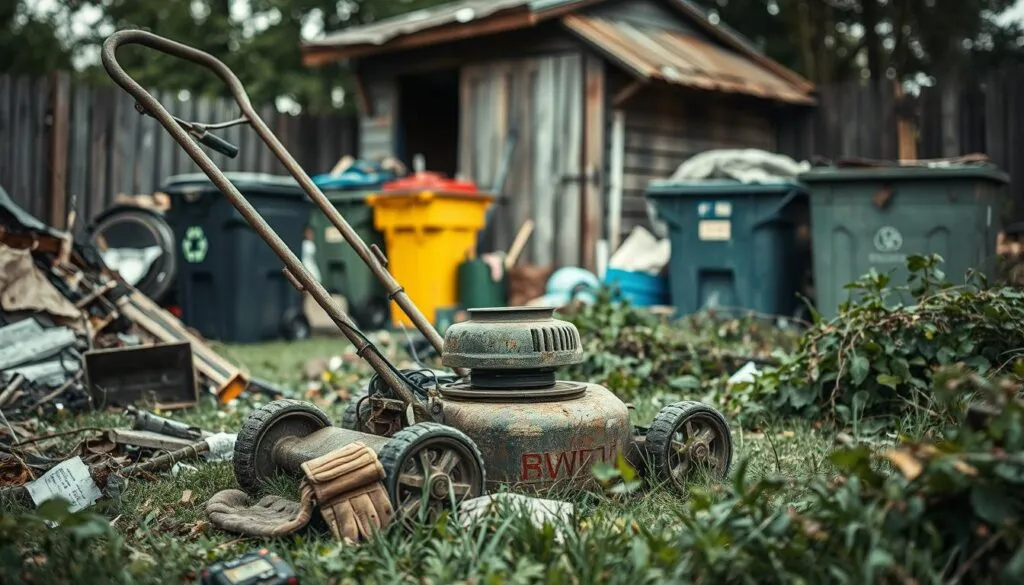
Have you ever considered that your rusty lawn equipment might be worth more than just scrap metal? That aging machine sitting in your garage could hold unexpected value or creative potential.
I’ve faced this exact situation with my own outdated mower. Through research and experience, I discovered numerous options beyond simple waste disposal. This guide shares everything I learned about responsible handling of lawn care equipment.
Proper disposal matters for both environmental safety and potential financial return. Your mower’s current condition determines the best path forward. Working models might find new homes through donation or sale.
Non-functional equipment often contains valuable materials like metal and plastic. Recycling centers frequently accept these components. I’ll show you how to prepare your machine safely by draining fluids and handling electrical parts.
Creative repurposing offers another exciting avenue for those willing to experiment. Let’s explore all these possibilities together.
Key Takeaways
- Assess your equipment’s condition before choosing a disposal method
- Always prioritize safety when handling fluids and electrical components
- Working models can be sold or donated to charities and new owners
- Recycling centers accept metal and plastic components from non-working mowers
- Creative repurposing offers unique opportunities for functional parts
- Check local regulations and services for proper disposal options
- Professional services are available for convenient pickup and handling
Understanding What to Do with Your Old Push Mower
That grass-cutting equipment gathering dust in your storage area deserves thoughtful handling. Through my own journey, I discovered several paths forward for these machines.
Why Proper Disposal Matters for Safety and Environment
I learned through experience that aging cutting equipment presents real dangers. Mechanical failures develop over seasons of use. These issues increase accident risks during operation or transport.
Blades lose their precision yet remain dangerously sharp. I’ve seen how these components can cause serious injuries when handled carelessly. Fuel systems deteriorate and create leakage problems.
“Proper recycling turns waste into resources, protecting our environment while conserving materials.”
Older models frequently fail current emissions standards. They contribute to air pollution during operation. Recycling ensures metals and plastics find new life in other products.
This process minimizes landfill waste significantly. It supports sustainability within the lawn care industry. Keeping non-functional equipment occupies valuable garage space.
That area could store more useful tools or seasonal items. Machines requiring constant repairs drain your time and energy. Replacement often proves more efficient than repeated fixes.
Assessing Your Equipment’s Current Condition
Evaluating your machine’s state determines the best approach. I follow a simple inspection process that anyone can perform.
First, check if the engine starts and runs consistently. Listen for unusual noises or vibrations. Note any smoke or leaking fluids during operation.
Examine the cutting blades for damage or excessive wear. Look at the overall physical condition of the deck and handles. Rust spots indicate metal degradation that might affect performance.
This assessment helps decide between repair versus disposal options. Understanding the condition guides you toward recycling, donation, or creative repurposing.
| Condition Indicator | Assessment Method | Recommended Action |
|---|---|---|
| Engine Performance | Start and run for 5 minutes | Repair if minor issues, recycle if major |
| Blade Sharpness | Visual inspection and touch test | Sharpen or replace if worn |
| Fuel System | Check for leaks and smell | Professional repair or recycling |
| Body Rust | Surface examination | Clean and treat or recycle |
| Electrical Components | Test spark plug and wiring | Replace parts or full recycling |
Salvageable components might include metal parts and certain plastics. These materials attract recycling centers and potential buyers. Even non-working machines contain value through their materials.
Your evaluation results guide the next steps perfectly. This careful assessment ensures you choose the most appropriate solution for your situation.
Essential Safety Preparation Before Disposal
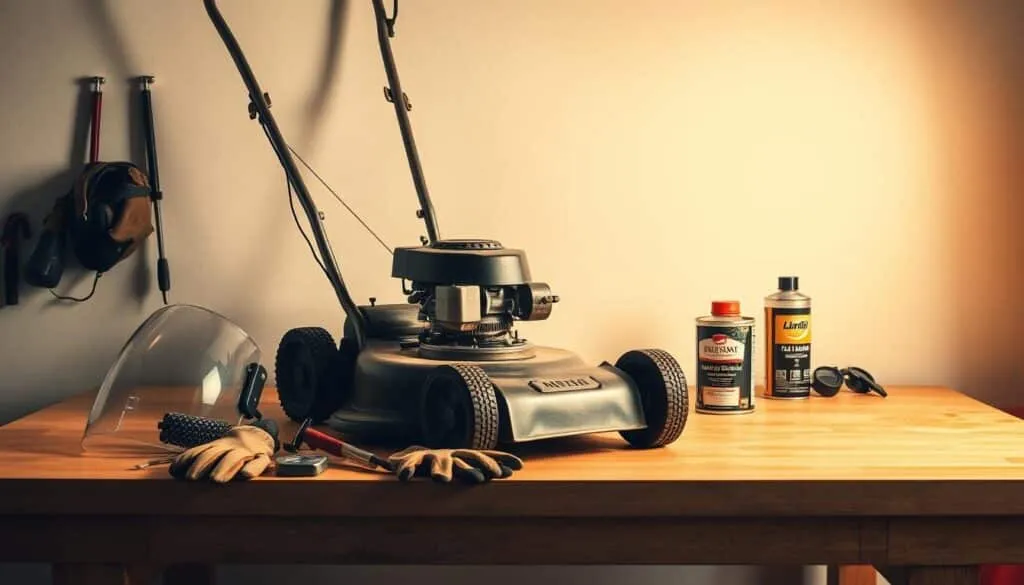
The most critical phase in managing your outdated lawn equipment involves thorough safety measures before any disposal method. I’ve learned through experience that skipping these steps can lead to accidents or environmental harm.
Proper preparation ensures safe handling during transportation and processing. It also prevents contamination at recycling facilities. These steps protect both people and the environment.
Draining Fluids: Gas and Oil Removal
My first priority is always fluid drainage. Gasoline and oil represent hazardous materials that demand careful handling. I never transport equipment with these fluids intact.
Landfills strictly prohibit hazardous waste inclusion. I run the engine until the fuel tank empties when possible. This consumes remaining gasoline safely.
For oil removal, I position a drain pan beneath the engine. I carefully unscrew the drain plug using proper tools. All collected fluids go to approved disposal locations.
“Proper fluid management separates responsible disposal from environmental negligence.”
Battery removal comes next for electric models. I disconnect terminals carefully to avoid sparks. Each component requires specific handling protocols.
Disconnecting Electrical Components Safely
Electrical safety prevents accidental ignition during handling. I always detach spark plug wires first. This eliminates any chance of unexpected engine starting.
Spark plug removal follows wire detachment. I use the proper socket size for clean extraction. These components often contain valuable metals for recycling.
I inspect all wiring for damage or wear. Frayed wires require careful handling with insulated gloves. Proper disconnection ensures complete electrical safety.
Cleaning and Debris Removal Process
Thorough cleaning makes the equipment safer to handle. I remove all grass clippings and accumulated dirt. This prevents contaminant spread during recycling.
I always wear heavy work gloves during this process. Metal and plastic edges can be unexpectedly sharp. Protective gear prevents cuts and injuries.
My cleaning routine includes:
- Scraping built-up grass from the cutting deck
- Brushing away loose dirt and debris
- Wiping down surfaces to remove oil residue
- Checking for hidden debris in hard-to-reach areas
This preparation ensures the mower arrives clean at recycling centers. It also makes component separation more efficient. Proper cleaning completes the safety preparation process.
These steps have served me well through multiple disposal projects. They ensure environmental responsibility and personal safety throughout the process.
Recycling Your Old Lawn Mower Responsibly
I discovered recycling offers the most environmentally friendly way to handle non-working equipment. This process transforms waste into valuable resources while keeping materials out of landfills. My experience taught me that proper preparation makes all the difference.
Finding Local Recycling Centers That Accept Mowers
Locating facilities that accept lawn care equipment requires some research. I use Earth911’s online database to find nearby options. This resource provides current information about acceptance policies.
Always contact recycling centers before visiting. Ask about their specific requirements for mower recycling. Some facilities offer pickup services for larger items.
Municipal waste disposal programs sometimes include special collection events. Check your city’s website for scheduled dates. Many communities host seasonal recycling drives.
“Proper separation of materials ensures maximum recycling efficiency and environmental benefit.”
Disassembly Steps for Effective Recycling
Deconstruction begins with removing the plastic outer body. I use basic hand tools for this process. Screwdrivers and wrenches handle most fasteners.
Gas models require careful component separation. The engine must be detached from the metal frame. This allows proper handling of different materials.
Electric mowers need special attention to electrical components. Battery removal comes first for safety. Wiring systems require careful disconnection.
Riding mowers demand extra time and effort. Their larger size means more components to separate. I recommend scheduling a full afternoon for this project.
Separating Metal, Plastic, and Electronic Components
Proper sorting maximizes recycling potential. Metals like steel and aluminum go to scrap facilities. Plastics require different processing methods.
Electronic components need specialized handling. Batteries contain hazardous materials that demand proper disposal. Many centers have separate collection areas.
Some facilities focus specifically on small engines and scrap metals. These specialized centers often help with engine removal. They have the equipment and expertise for safe processing.
| Material Type | Separation Method | Recycling Destination |
|---|---|---|
| Metal Frame | Detach from plastic components | Scrap metal facility |
| Plastic Body | Remove all metal attachments | Plastics recycling center |
| Engine Assembly | Detach from main frame | Small engine specialist |
| Battery Pack | Careful disconnection | Electronic waste program |
| Wiring System | Remove from all components | E-waste collection point |
I always schedule appointments after completing preparation. Centers appreciate knowing what materials you’re bringing. This ensures they have proper staffing and equipment ready.
Following these steps has helped me recycle multiple machines successfully. Each component finds its way to the appropriate processing facility. This approach supports sustainability while clearing garage space.
Selling or Donating Your Working Mower
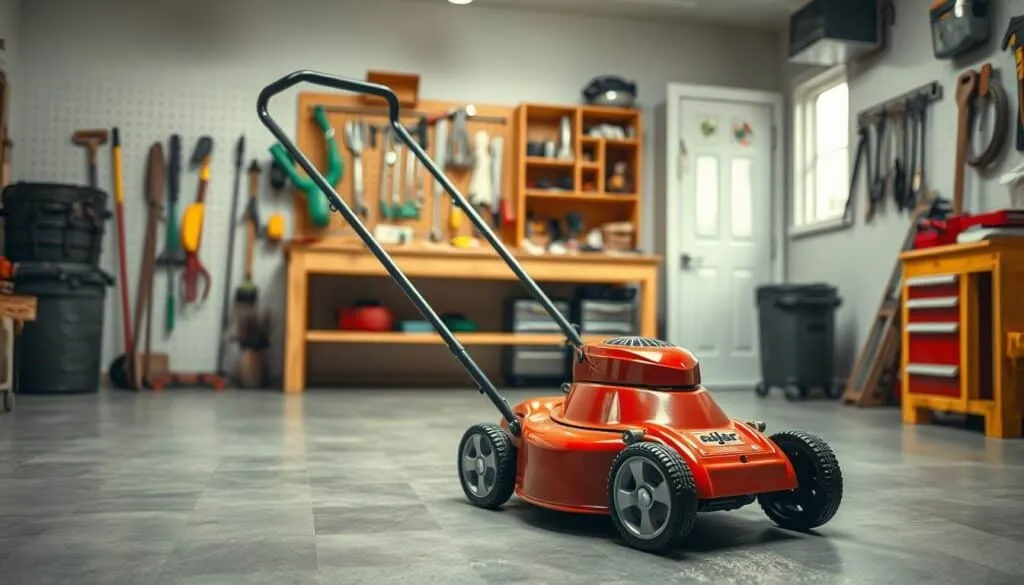
Your functional grass-cutting machine holds real value for someone else. I found several rewarding ways to pass along equipment that still performs well.
Both selling and donating offer excellent solutions. Each approach serves different needs and situations. I’ve personally used these methods successfully.
Online Marketplaces for Lawn Equipment Sales
Digital platforms make finding new owners surprisingly easy. Facebook Marketplace became my go-to choice for local sales. Craigslist also reaches many potential buyers in your area.
I always take multiple clear photos from various angles. Showing the serial number builds trust with serious shoppers. Full transparency about any damage prevents misunderstandings later.
Pricing requires careful research on similar models. I check recent sales of comparable equipment. Fair pricing based on actual condition helps sell faster.
These platforms connect you directly with local buyers. Many people search specifically for affordable lawn care tools. Your listing might help someone maintain their yard economically.
Local Donation Options: Charities and Community Programs
Giving your machine to worthy organizations brings personal satisfaction. Habitat for Humanity ReStore often accepts working lawn equipment. They resell these items to support their housing missions.
Local charities frequently need functional yard maintenance tools. Community gardens appreciate donated mowers for their grounds. Schools sometimes welcome equipment for their maintenance teams.
I always contact organizations before showing up with donations. Policies vary regarding acceptance of lawn care items. Confirming first saves time and ensures your gift gets used.
“Donating working equipment supports community programs while keeping useful items out of landfills.”
Well-known national chains usually cannot accept these tools. Goodwill and Salvation Army typically decline lawn mowers. Focus on local organizations that specifically need yard equipment.
Preparing Your Mower for Its Next Owner
Proper preparation shows respect for the recipient and ensures longer service life. I start with a thorough cleaning of the entire machine.
Remove all grass clippings and debris from the cutting deck. Wipe down handles and surfaces to remove dirt and grime. A clean appearance makes a much better impression.
Basic maintenance demonstrates your care for the equipment. Sharpening blades improves cutting performance immediately. Fresh oil changes show mechanical responsibility.
Gather any original manuals or documentation you still have. These materials help the new owner understand proper operation. Include any extra parts or accessories that came with the machine.
For family members or friends, I offer quick operating instructions. Showing basic starting procedures and safety features helps them begin confidently. This personal touch makes the transfer more meaningful.
Professional Disposal Services and Options
When life gets busy, professional services offer a stress-free solution for your outdated lawn equipment. I discovered these options during a major garage reorganization project last spring. They provide excellent alternatives when DIY methods don’t fit your schedule.
These services handle everything from single item pickup to complete property cleanouts. I’ll share my experiences with different service types and their requirements. Understanding these options helps you choose the best solution.
Junk Removal Services for Convenient Pickup
Full-service companies like 1-800-GOT-JUNK? handle all types of unwanted items. They collected my non-working lawn mower along with other garage clutter. Their team arrived promptly and handled all the heavy lifting.
These services typically recycle whatever materials they can. They follow environmentally responsible disposal methods for remaining items. The convenience comes at a price that varies by equipment size and labor involved.
Most companies have minimum truck space requirements. You might pay extra if your items don’t fill their minimum capacity. I found pricing transparent when I requested quotes online.
“Professional junk removal turns overwhelming cleanup projects into simple, scheduled appointments.”
Dumpster Rental for Larger Cleanout Projects
Renting a dumpster works perfectly for comprehensive cleanouts involving multiple items. I used this option when clearing my entire garage of broken yard tools and accumulated junk. You can toss your mower alongside other unwanted materials.
Preparation remains crucial even with dumpster rentals. You must remove all hazardous materials before loading. This includes gasoline, oil, and batteries from your equipment.
Larger riding mowers might require partial disassembly. Some rental companies offer different bin sizes for various projects. I recommend measuring your equipment before selecting a container size.
Understanding Service Costs and Requirements
Costs vary significantly based on your location and specific needs. Junk removal services typically charge by volume and labor time. Dumpster rentals use daily or weekly rate structures.
Always check with local providers about their specific requirements. Some haulers accept tires with an added charge while others refuse them. Ask about recycling policies to ensure environmentally responsible disposal.
I created this comparison table based on my research and personal experience:
| Service Type | Best For | Cost Factors | Preparation Needed |
|---|---|---|---|
| Junk Removal | Single items or small loads | Volume, labor, location | Basic hazard removal |
| Dumpster Rental | Large projects multiple items | Size, rental duration | Full hazard removal |
| Municipal Pickup | Budget-friendly option | City fees schedules | Often requires disassembly |
| Scrap Metal Services | Metal-heavy equipment | Weight, metal type | Complete separation |
Many cities offer special bulk item pickup through their waste disposal programs. These services often have specific guidelines about preparation and scheduling. I always check local municipal websites for these options first.
Professional services provide valuable time-saving solutions for busy homeowners. They handle the heavy work while ensuring proper disposal methods. This option works especially well when dealing with multiple unwanted items.
Creative Repurposing Ideas for Old Mower Parts
Transforming retired cutting equipment into functional art and practical tools brings unexpected rewards. I discovered that imagination turns discarded components into valuable resources.
My garage became a workshop where I gave new life to mechanical pieces. This approach reduces landfill contributions while creating unique items. The process combines practicality with creative expression.
Salvaging Useful Components for Future Projects
Careful inspection reveals which pieces remain functional. I examine engines, wheels, and handles for wear and damage. These components often outlast the main machine.
Starter motors can power other mechanical creations. Wheels make excellent bases for mobile workstations. Handles transform into sturdy grips for various tools.
“One person’s discarded machinery becomes another’s treasure through thoughtful repurposing.”
Proper storage maintains component quality. I organize salvaged pieces in labeled containers. This system helps me find specific parts for future projects.
Local repair shops sometimes seek quality used components. DIY enthusiasts appreciate finding rare mechanical pieces. Online marketplaces connect salvaged parts with interested buyers.
DIY Garden Tool Ideas from Mower Parts
Mower blades become exceptional garden implements when reshaped. I grind them into custom cultivating tools for specific planting needs. Their durable steel holds an edge better than commercial options.
Wheels transform into mobile planting containers or compost tumblers. The axle system provides smooth rotation for easy movement. This creates functional garden accessories from discarded materials.
Handlebars make excellent frames for small trellises or plant supports. Their curved shape guides climbing vegetables beautifully. I’ve created unique garden structures that last for seasons.
Art and Decorative Uses for Metal Components
Metal pieces become striking outdoor sculptures when arranged creatively. I weld components into abstract shapes that weather beautifully in gardens. These creations add industrial character to green spaces.
Engine parts make interesting conversation pieces when displayed on shelves. Their mechanical complexity fascinates visitors and sparks discussions about reuse. I clean and seal them against rust for indoor display.
Small components become unique hardware for furniture projects. Gears and bolts add mechanical flair to tables and cabinets. This approach blends industrial and rustic design elements beautifully.
Creative repurposing extends component life dramatically. It reduces waste while adding personal touches to your environment. This sustainable approach brings satisfaction beyond simple disposal.
Conclusion: Choosing the Right Disposal Method for You
Through my experience, I found numerous paths for handling retired lawn care equipment. Each method serves different needs based on your machine’s condition and available time.
Working models find new homes through sales or donations. Non-functional equipment offers valuable metal and plastic for recycling centers. Creative repurposing turns components into unique yard tools.
Always prioritize safety during preparation. Remove fuel, oil, and battery before any disposal method. Check local guidelines for proper waste disposal procedures.
The best choice balances environmental responsibility with practical considerations. Some options even provide financial return through sales or scrap metal value.
Your decision should reflect both personal circumstances and community sustainability goals. Every responsible choice makes a positive impact.
FAQ
Where can I recycle my old lawn mower?
I check local recycling centers or waste disposal facilities. Many accept lawn equipment. Some even offer pickup service for larger items.
How do I prepare my mower for disposal?
I drain all fuel and oil first. Then I disconnect the battery if it has one. Cleaning off debris makes the process safer and easier.
Can I sell my used lawn mower?
Yes, if it’s in working condition. I list it on platforms like Facebook Marketplace. Local buyers often look for affordable lawn care equipment.
What parts of a mower can be recycled?
Metal components like the deck and blade are highly recyclable. Plastic parts and electronic elements may need separate handling at specialized centers.
Are there donation options for old mowers?
Absolutely. I contact local charities or community programs. Some organizations refurbish equipment for those in need of lawn care tools.
How do junk removal services work?
I schedule a pickup with a service like 1-800-GOT-JUNK?. They handle the heavy lifting and ensure proper disposal, though costs vary.
Can I repurpose parts from my old mower?
Definitely. I salvage blades for garden tools or use the metal for art projects. It’s a creative way to reduce waste and reuse materials.