

Have you ever purchased a new lawn mower, only to discover that its blades aren’t as sharp as you expected? This common experience raises an important question: should new mower blades be sharpened before their first use?
Some manufacturers, like Oregon, produce blades such as the Gator blades, which come with a painted finish and may not be razor-sharp right out of the box. This has sparked debate among homeowners about the necessity of initial sharpening.
Proper blade maintenance is crucial for your lawn’s health and your mower’s performance. In this article, we’ll explore whether new blades require sharpening, the implications of using a “factory edge,” and how to optimize your lawn care routine.
Key Takeaways
- Understanding the concept of “factory edge” on new mower blades
- Determining if your new mower blades need sharpening before first use
- The impact of blade sharpness on lawn health and mower performance
- Practical tips for maintaining your mower blades
- The relationship between blade maintenance and fuel efficiency
Do I Need to Sharpen New Mower Blades? The Truth Revealed
New mower blades often come with a surprising truth – they may not be as sharp as expected. Many homeowners assume that a brand-new mower blade is ready to use straight out of the box, but the reality can be different.
The manufacturing process of new mower blades involves several steps, including forming, heat-treating, and finishing. During the finishing process, some manufacturers apply a protective coating or paint to the blades, which can affect their initial sharpness.
The Manufacturing Process of New Mower Blades
The production of mower blades begins with the selection of appropriate materials, typically steel alloys for their durability and strength. The blades are then cut to size, shaped, and heat-treated to achieve the desired hardness. Finally, they are finished with a sharpening process, though this may not always result in an optimally sharp edge.
Factory Edge vs. Optimal Cutting Edge
The factory edge on new mower blades is often functional but not necessarily optimal for cutting. An optimal cutting edge requires a specific angle and sharpness that may not be achieved in the manufacturing process. For instance, New Oregon Gator blades often come with paint and aren’t particularly sharp from the factory.
Different Types of New Blades and Their Sharpness Levels
Various types of mower blades are available, including standard, mulching, and specialized designs like Gator blades. The sharpness of these blades can vary significantly based on their intended use and manufacturing priorities. Premium mower blade models might come sharper than standard ones, affecting their initial performance.
In conclusion, while new mower blades may appear ready for use, their sharpness can vary. Understanding the manufacturing process and the type of blade you’re using can help you determine if sharpening is necessary for optimal lawn care.
How to Assess if Your New Mower Blades Need Sharpening
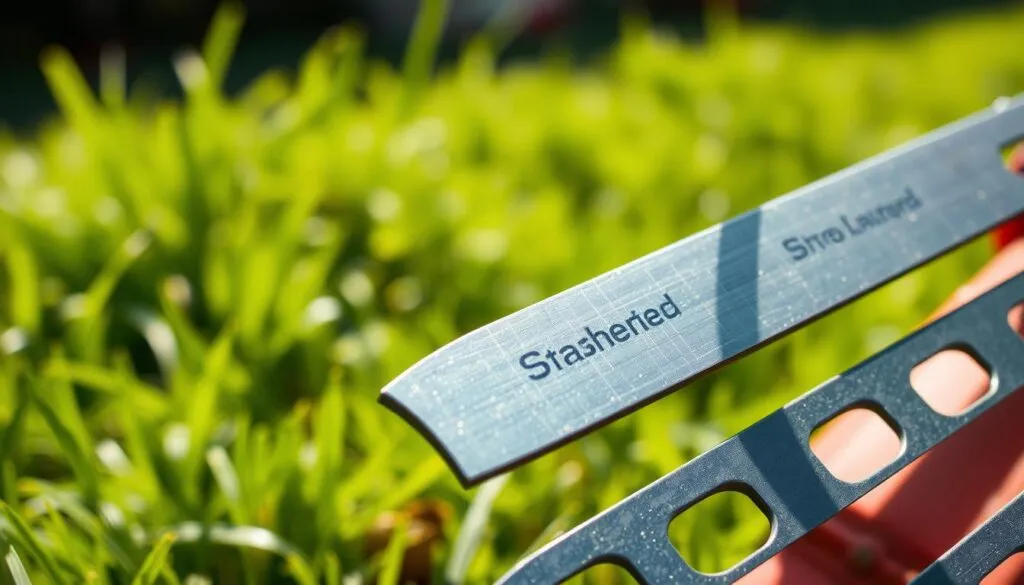
Assessing whether your new mower blades need sharpening is crucial for maintaining a healthy lawn. Sharp blades are essential for a clean cut, which helps prevent grass damage and promotes healthy growth. We will guide you through the process of determining if your new mower blades require sharpening.
Visual Inspection Techniques
One of the simplest ways to assess blade sharpness is through visual inspection. Look closely at the cutting edge of the blade. A sharp blade will have a clean, even edge, while a dull blade may show signs of wear, such as nicks or a rounded edge. Inspecting the blade visually can give you an initial indication of its sharpness.
The Paper Test for Blade Sharpness
The paper test is a practical method to check blade sharpness. Hold a sheet of paper perpendicular to the blade and gently move it along the cutting edge. If the blade is sharp, it should cut the paper cleanly. If it tears or doesn’t cut the paper, the blade may need sharpening. This test provides a quick and effective way to assess blade sharpness.
Signs of Poor Cutting Performance with New Blades
If your new mower blades are not sharp enough, you may notice signs of poor cutting performance. These can include torn or uneven grass tips, a generally messy appearance of the lawn, or the need to make multiple passes to achieve a clean cut. If you observe these issues, it may indicate that your blades need sharpening. Additionally, different types of grass may require different levels of blade sharpness for optimal results.
| Signs of Poor Cutting | Possible Cause | Solution |
|---|---|---|
| Torn or uneven grass tips | Dull blades | Sharpen the blades |
| Messy lawn appearance | Dull blades or misaligned mower | Sharpen blades or adjust mower |
| Multiple passes needed | Dull blades or incorrect mowing height | Sharpen blades or adjust mowing height |
By using these assessment techniques, you can determine if your new mower blades need sharpening and ensure they are performing optimally for your lawn’s health.
The Essential Process of Sharpening New Mower Blades
The process of sharpening new mower blades involves several critical steps that must be followed carefully to ensure safety and effectiveness. Sharpening your mower blades properly can significantly impact the health of your lawn and the performance of your mower.
Safety Precautions Before Starting
Before you begin sharpening your lawn mower blades, it’s crucial to take necessary safety precautions. This includes disconnecting the spark plug to prevent accidental start-ups and wearing protective gear such as gloves and safety glasses. Ensuring your safety is paramount when working with sharp objects and power tools.

Step-by-Step Blade Sharpening Guide
Sharpening your mower blade can be done using various methods, including a bench grinder, angle grinder, or file. First, remove the blade from the mower, taking care to note its original position. If your new blade has a protective coating, you may need to remove this before sharpening. Use your chosen tool to sharpen the blade, maintaining the manufacturer’s recommended angle, typically between 30-45 degrees.

After sharpening, check the balance of the blade to prevent vibration, which can damage your mower’s engine. Reinstall the blade, ensuring it’s securely fastened.
Maintaining the Proper Cutting Angle
Maintaining the correct angle when sharpening your blade is crucial for optimal cutting performance. The ideal angle can vary depending on the type of blade you have. Using a grinder or file, carefully sharpen the blade to the recommended angle, checking frequently to avoid over-sharpening, which can weaken the blade structure.
Tools and Equipment for Proper Blade Maintenance
Effective lawn care starts with the proper maintenance of your mower’s blades. To keep your mower performing at its best, you’ll need the right tools and equipment for the job.
Manual Sharpening Tools
For those who prefer a hands-on approach or are dealing with budget constraints, manual sharpening tools are a viable option. These include files, sharpening stones, and blade balancers that are easily accessible to most homeowners. Manual sharpening tools allow for basic blade maintenance and can be effective for keeping your mower blades in good condition.
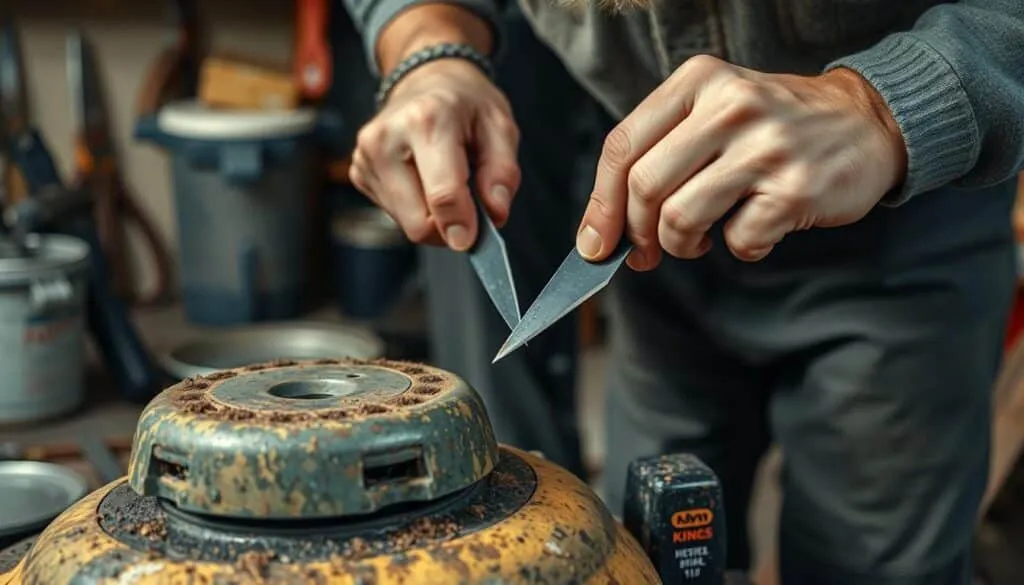
Power Tools for Efficient Blade Sharpening
For a more efficient sharpening process, power tools are the way to go. Bench grinders, angle grinders, and specialized blade sharpening attachments make quick work of sharpening mower blades. These power tools are particularly useful for those with multiple mowers or for professionals who need to sharpen blades regularly.
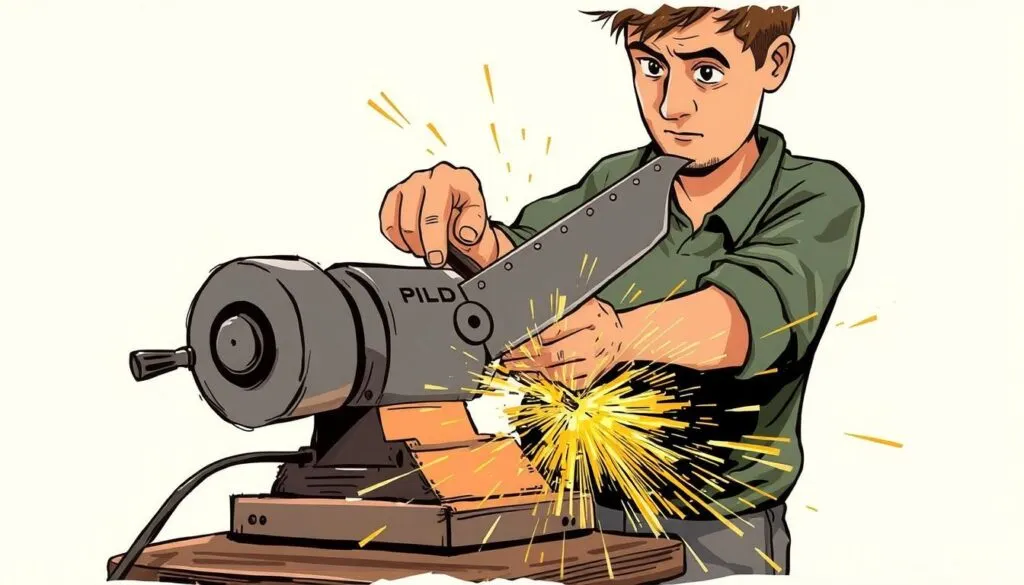
Professional Sharpening Services: When to Consider Them
While DIY sharpening is cost-effective, there are times when it’s better to leave the task to professionals. If you have high-end or specialized mower blades, or if you’re not comfortable with the sharpening process, consider using a professional sharpening service. These services have the equipment and expertise to ensure your blades are sharpened correctly, maintaining your mower’s performance and prolonging the life of your blades.

By choosing the right tools and equipment for blade maintenance, you can ensure your mower continues to perform well and your lawn remains healthy. Whether you opt for manual sharpening tools, power tools, or professional services, the key is to maintain your mower blades regularly.
The Impact of Sharp Blades on Lawn Health and Mower Performance
Sharp mower blades play a vital role in ensuring a healthy, well-manicured lawn and optimal mower functionality. When your blades are sharp, you can expect a significant improvement in both the health of your lawn and the performance of your mower.
How Sharp Blades Improve Cutting Quality
Sharp blades improve cutting quality by making clean cuts through grass blades, rather than tearing them. This results in a more attractive lawn appearance and reduces the risk of grass damage. Clean cuts promote healthy grass growth, while torn grass can lead to browning and stress.
Preventing Lawn Disease and Stress
Dull blades can lead to increased lawn disease susceptibility and stress on grass plants. When grass is torn rather than cut cleanly, it becomes more vulnerable to disease entry points. By maintaining sharp blades, you can reduce the risk of lawn disease and promote overall lawn vitality.
Extending Your Mower’s Lifespan and Efficiency
Sharp blades also contribute to more efficient mowing, reducing the strain on your mower’s engine and improving fuel efficiency. Proper blade maintenance can extend your mower’s lifespan by reducing vibration, preventing uneven wear on bearings, and minimizing stress on the engine.
By understanding the impact of sharp blades on lawn health and mower performance, you can take steps to maintain your mower blades effectively, leading to a healthier, more attractive lawn and a longer-lasting mower.
Conclusion: Maintaining Your Mower for Optimal Performance
In conclusion, maintaining your mower blades is crucial for optimal lawn health and mower performance. As we’ve discussed, the sharpness of new blades can significantly impact your lawn’s appearance and overall health.
To achieve the best results, it’s essential to incorporate regular blade maintenance into your lawn care routine. This includes sharpening, balancing, and replacing blades as needed. By investing time in proper care, you’ll not only improve your lawn mower’s efficiency but also extend its lifespan.
We recommend developing a maintenance schedule that includes regular checks on your mower blades. By doing so, you’ll be able to identify potential issues before they become major problems. With the right approach and tools, even beginners can master basic blade maintenance.
By prioritizing mower blade care, you’ll enjoy a healthier, more attractive lawn over time. So, take the first step today and make blade maintenance a part of your regular lawn care routine.
FAQ
How often should we sharpen our lawn mower blades?
We recommend sharpening our lawn mower blades at least once a year or after every 25 hours of mowing to maintain optimal cutting performance.
What are the signs that our mower blades need sharpening?
Signs that our mower blades need sharpening include torn or ripped grass, uneven cutting, and increased vibration while mowing.
Can we sharpen our mower blades ourselves or should we hire a professional?
We can sharpen our mower blades ourselves using manual or power tools, but if we’re unsure or uncomfortable, we can consider hiring a professional sharpening service.
What is the proper cutting angle for sharpening mower blades?
The proper cutting angle for sharpening mower blades varies depending on the blade type, but a common angle is between 20-30 degrees.
How can we maintain our mower blades to prevent damage?
To maintain our mower blades, we should regularly inspect for nicks and damage, clean the blades after use, and store them properly to prevent rust.
What are the benefits of having sharp mower blades?
Sharp mower blades improve cutting quality, prevent lawn disease and stress, and extend our mower’s lifespan and efficiency.
Can dull mower blades cause damage to our lawn mower?
Yes, dull mower blades can cause increased vibration, which can lead to engine damage and reduced mower performance over time.
How can we check if our mower blades are balanced after sharpening?
We can check if our mower blades are balanced by using a blade balancer or by checking for vibration while mowing.