

When it comes to maintaining a healthy and visually appealing lawn, the sharpness of your lawn mower blades plays a crucial role.
Sharp blades ensure a clean cut, which is vital for the health of your grass, as tearing can lead to disease and stress on the lawn.
We will explore whether new mower blades require sharpening before their first use, and why this matters for proper lawn care.
Key Takeaways
- The importance of sharp lawn mower blades for a healthy lawn.
- How factory manufacturing processes affect blade sharpness.
- What to expect from this comprehensive guide on mower blade sharpness.
- Our testing methodology and experience with various mower blades.
- Tips on maintaining sharp blades for optimal lawn care.
The Truth About New Mower Blades
The assumption that new mower blades are razor-sharp is not always accurate. When purchasing a new mower blade, it’s essential to understand its condition and the level of sharpness to expect.
Factory Sharpness: What to Expect
Most manufacturers provide recommendations in their product manuals, specifying how thick the cutting edge should be before replacing. New lawn mower blades are typically sharpened to a certain level, but this may not always be optimal for cutting grass effectively.
Manufacturing Processes and Their Impact
The manufacturing process for mower blades prioritizes durability, which can affect initial sharpness. Different methods are used to produce blades, and the material, often metal, impacts both initial sharpness and edge retention. Mass production techniques might leave blades with adequate but not perfect cutting edges.
Why Sharp Mower Blades Matter for Your Lawn
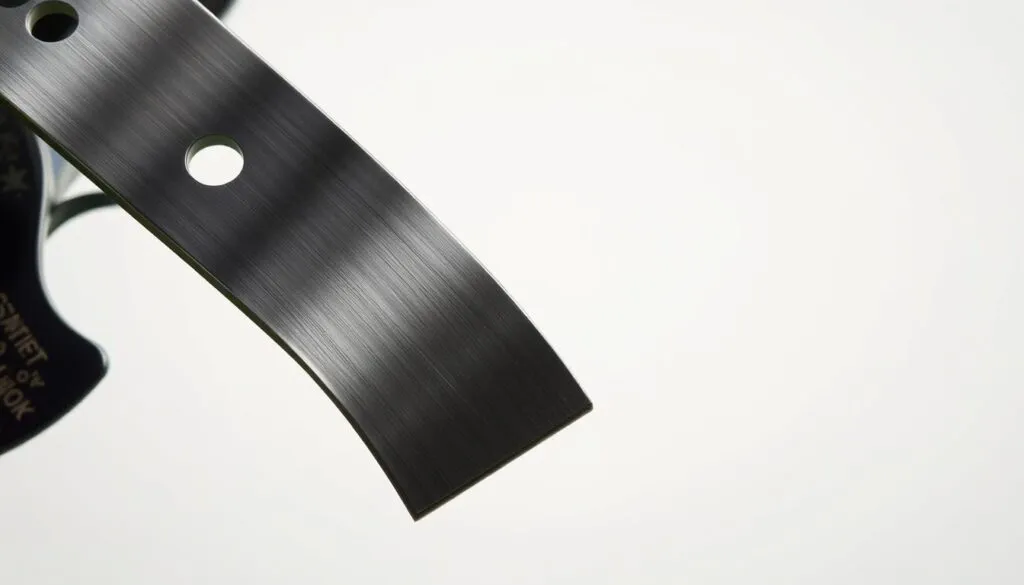
Sharp mower blades play a crucial role in maintaining the overall health and appearance of your lawn. When you mow with a sharp blade, you ensure a clean cut that helps maintain the quality of your lawn.
Clean Cuts vs. Torn Grass
Dull mower blades, on the other hand, shred grass, leaving it with frayed ends. This not only makes your lawn look uneven but also causes stress to the grass. Clean cuts made by sharp blades help in maintaining better moisture retention and present a more uniform appearance. In contrast, torn grass tips lead to increased water loss and stress on the plant.
Preventing Lawn Diseases and Browning
Ragged cuts from dull blades create entry points for common lawn diseases and fungal infections. According to the Virginia Cooperative Extension, “The quickest way to improve lawn quality is to mow with a sharp blade.” By using sharp mower blades, you can prevent the browning of grass tips that occurs when dull blades tear the grass. This not only improves the aesthetics of your lawn but also contributes to its overall health.
Proper cutting with sharp blades results in thicker, more resilient turf that can better withstand environmental stressors. Turf management professionals emphasize the importance of clean cuts for overall lawn health, making sharp mower blades an essential tool in lawn care.
Do New Mower Blades Need Sharpening?
As we explored the world of lawn mowing, we discovered that the sharpness of new mower blades can be a complex issue. The assumption that new blades are always sharp enough for immediate use isn’t always accurate.
Our Testing and Observations
We conducted a series of tests to compare the performance of factory-new blades against those we sharpened before first use. Our methodology included visual inspections and performance evaluations on various grass types.
The results were telling: while some new blades performed admirably right out of the box, others left much to be desired in terms of cutting quality.
| Blade Type | Cutting Quality | Grass Type |
|---|---|---|
| Factory-New | Good | Thin Grass |
| Sharpened | Excellent | Thick Grass |
| Factory-New | Poor | Thick Grass |
When Immediate Sharpening Makes Sense
There are specific scenarios where sharpening new mower blades before first use is beneficial. For instance, if you’re maintaining a premium lawn or dealing with certain grass varieties, immediate sharpening can make a significant difference.
Factors such as grass thickness, lawn size, and mowing frequency also play a crucial role in deciding whether to sharpen new blades. Our observations suggest that for most homeowners, sharpening new blades before first use can lead to a healthier, more visually appealing lawn.
How to Check if Your New Blades Need Sharpening
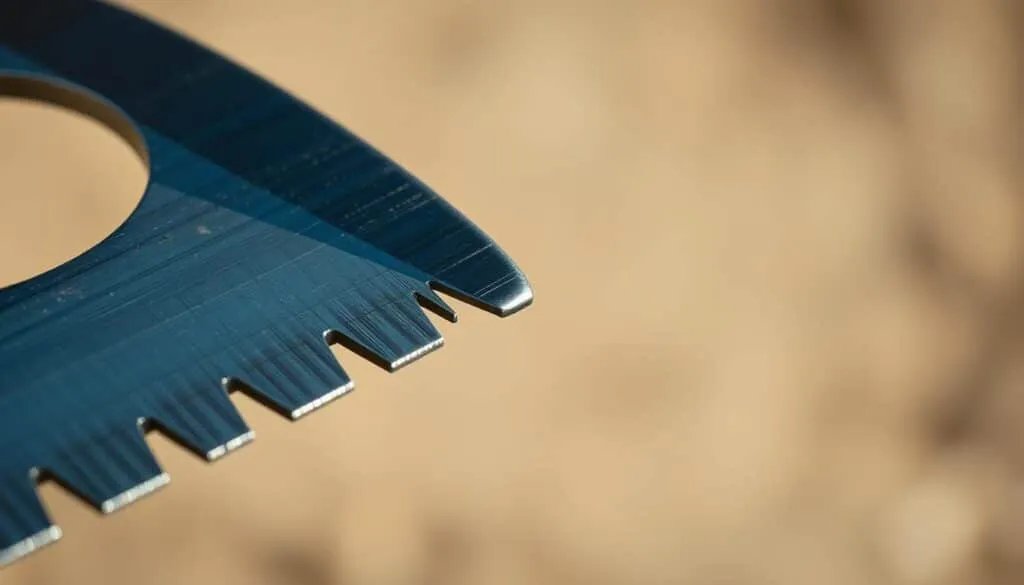
Before installing new mower blades, it’s essential to assess their sharpness to ensure optimal performance. A sharp blade is crucial for a healthy lawn, as it cuts the grass cleanly rather than tearing it.
Visual Inspection Techniques
To check the sharpness of your new mower blades, start with a visual inspection. Look closely at the cutting edge of the blade. A sharp blade will have a smooth, even edge with minimal reflectivity. You can also check for any manufacturing burrs or rough spots along the edge.
- Examine the blade under good lighting conditions.
- Check for any visible nicks or dents along the cutting edge.
- Run your finger (carefully) along the edge to feel for any rough spots.
Performance-Based Assessment
If your visual inspection doesn’t provide a clear answer, you can perform a practical test-cut on a small section of your lawn. Observe how the grass reacts to being cut. A sharp blade will leave clean, even cuts, while a dull blade will result in torn or uneven grass tips.
- Mow a small test area.
- Inspect the grass tips for signs of tearing or uneven cutting.
- Compare the results to your expectations for a clean cut.
By combining visual inspection techniques with a performance-based assessment, you can make an informed decision about whether your new mower blades need sharpening before use on your entire lawn.
Sharpening Your Mower Blades: Step-by-Step Guide
A sharp mower blade is vital for a clean cut and a healthy lawn. Sharpening your mower blades may seem daunting, but with the right precautions and tools, it’s a manageable task.
Safety Precautions Before You Begin
Before sharpening, ensure your safety by wearing gloves and eye protection. Always disconnect the spark plugs to prevent accidental start-ups.
Tools You’ll Need
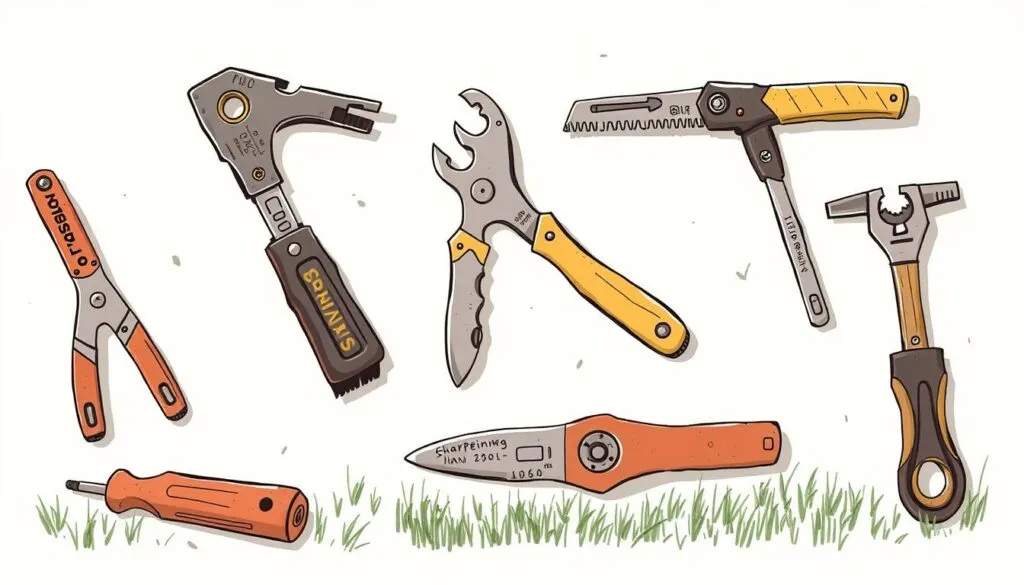
You’ll need a few basic tools: a file or a grinder for sharpening, and a balance tool to ensure even weight distribution after sharpening.
The Sharpening Process
Start by removing the blade and cleaning it to remove any debris. Use your chosen tool to sharpen the blade, maintaining the original angle. After sharpening, balance the blade to prevent vibrations.
Maintaining Blade Sharpness Throughout the Season
To keep your lawn looking its best, maintaining blade sharpness is crucial throughout the mowing season. A dull blade can tear the grass, leaving it vulnerable to disease and pests.
Regular maintenance ensures a clean cut and promotes healthy lawn growth. As As reported by lawn care professionals, “A well-maintained blade is key to a healthy lawn.”
Optimal Sharpening Schedule
It’s generally recommended to sharpen your lawn mower blades after 25 hours of mowing, or about 1 to 2 times a year. However, this frequency may vary depending on your lawn size, grass type, and mowing frequency.
Preventative Measures for Longer Blade Life
To extend the life of your mower blades, clear your lawn of debris before mowing, and adopt proper mowing techniques. Regularly cleaning the mower deck after use prevents buildup that can accelerate blade wear and corrosion. Proper storage of your lawn mower during the off-season also helps maintain blade quality.
Conclusion
Upon completing our analysis of new mower blades, it becomes clear that the decision to sharpen them before first use depends on several factors, including lawn type and mower quality.
Sharp blades are crucial for maintaining a healthy, attractive lawn. We recommend inspecting your blades visually and assessing their performance to make an informed decision. Regular maintenance is key to keeping blades sharp throughout the mowing season. By doing so, you’ll not only enhance your lawn’s appearance but also contribute to its overall health and the longevity of your lawnmower.
FAQ
How often should we sharpen our lawn mower blades?
We recommend sharpening your lawn mower blades at the start of the mowing season and after every 25 hours of use. This frequency helps maintain a clean cut and prevents lawn damage.
What are the signs that our mower blades need sharpening?
If you notice that your lawn is looking torn or frayed, or if the mower is leaving behind uneven cuts, it’s likely that your blades need sharpening. Additionally, if you see an increase in lawn diseases or browning, dull blades might be the cause.
Can we sharpen our mower blades ourselves, or should we hire a professional?
We can sharpen our mower blades ourselves with the right tools, such as a grinder or a file. However, if you’re not comfortable with the process or if you’re unsure about the sharpness, consider consulting a lawn care professional.
How can we safely sharpen our mower blades?
To safely sharpen our mower blades, we should first disconnect the spark plug wire to prevent accidental engine start. Then, we can use a vise to secure the blade and a grinder or file to sharpen the cutting edge, following the manufacturer’s guidelines.
What are some tips for maintaining our mower blades throughout the season?
To maintain our mower blades, we should regularly inspect them for nicks and debris, clean them after each use, and store them properly during the off-season. This care helps extend the life of our blades and keeps them in good condition.
When should we replace our mower blades instead of sharpening them?
We should replace our mower blades when they’re excessively worn, bent, or damaged beyond repair. Typically, mower blades need to be replaced every 1-2 years, depending on usage and maintenance.