
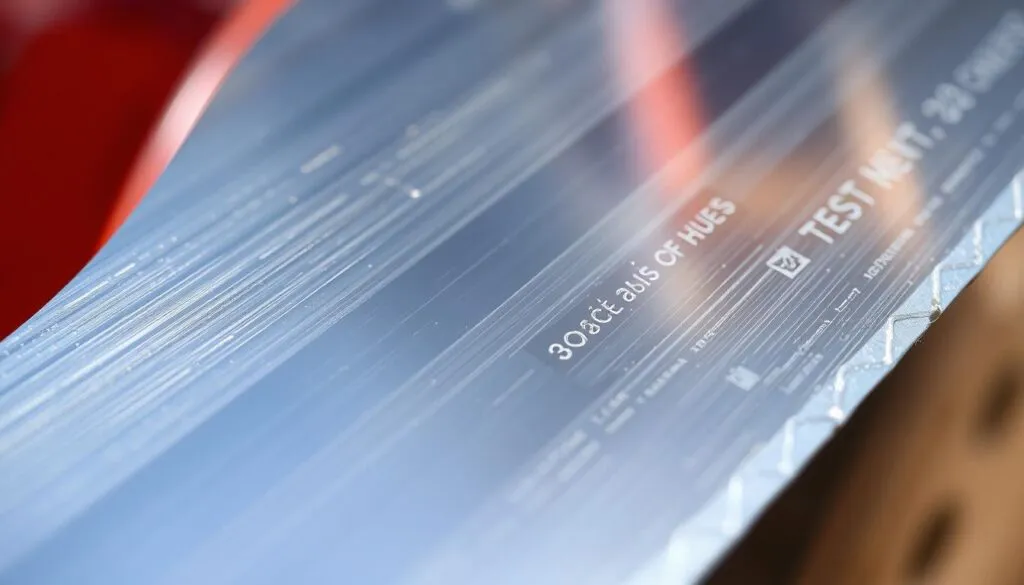
When you purchase a lawn mower, you expect the blade to be ready for use straight out of the box. But is that really the case? We often assume that a new mower blade is sharp enough to cut our lawn effectively. However, the truth is that many mower blades aren’t as sharp as they should be when new.
Using a dull blade can tear the grass, leaving it vulnerable to disease and pests. In fact, a dull mower blade can even pull weak seedlings from the soil, as we’ve discussed in our article on how long to wait to mow after overseeding a fescue. So, it’s essential to ensure your lawn mower is equipped with a sharp blade from the start.
Key Takeaways
- A new mower blade may not always be sharp enough for effective cutting.
- Using a dull blade can damage your lawn and stress new seedlings.
- Sharpening your mower blade before use can improve cutting efficiency.
- A sharp blade reduces strain on your lawn mower and promotes healthy lawn growth.
- Proper blade maintenance is crucial for maintaining a healthy and attractive lawn.
The Truth About New Mower Blades
New mower blades often come with a surprising secret: they’re not as sharp as you might expect. Most manufacturers provide recommendations in their product manuals, specifying how thick the cutting edge should be before replacing. They also typically include instructions for sharpening, hinting that the blade may not be ready to use straight out of the box.
The disparity between the expected sharpness of a new mower blade and its actual condition can be attributed to several factors, including manufacturing processes and safety considerations.
Factory Sharpness vs. Optimal Sharpness
The edge on a new mower blade is often not as sharp as it could be. Factory sharpness is typically a compromise between providing a sufficiently sharp edge for cutting grass effectively and ensuring the blade can withstand the rigors of shipping and handling.
A comparison between factory sharpness and optimal sharpness reveals that new blades often have a thicker edge than ideal, which can lead to tearing grass rather than cutting it cleanly.
| Sharpness Level | Edge Thickness | Cutting Performance |
|---|---|---|
| Factory Sharpness | Thicker Edge | Tends to tear grass |
| Optimal Sharpness | Thinner Edge | Cuts grass cleanly |
What Manufacturers Don’t Tell You
Manufacturers prioritize safety and shipping concerns over providing the sharpest possible edge on new blades. The manufacturing process involves grinding and sharpening, but the final quality of the edge can vary.
What they don’t tell you is that achieving optimal sharpness often requires additional sharpening after purchase. Understanding the quality indicators of a mower blade can help consumers make informed decisions.
Why Sharp Mower Blades Matter
Using a sharp mower blade is vital for maintaining your lawn’s appearance and overall health. Sharp blades make a significant difference in the quality of your lawn care.
Impact on Lawn Health
Dull mower blades shred grass, leaving it vulnerable to disease and pests. In contrast, sharp blades make clean cuts that promote healthier grass growth and recovery. This results in a more even and visually appealing lawn.
Efficiency and Fuel Consumption
Sharp mower blades also improve mowing efficiency and reduce fuel consumption. By cutting grass cleanly, sharp blades decrease the workload on your mower engine, potentially saving fuel and extending equipment life. This efficiency can also reduce your overall mowing time and effort.
| Benefits of Sharp Mower Blades | Effects of Dull Mower Blades |
|---|---|
| Promotes healthier grass growth | Leaves grass vulnerable to disease |
| Reduces fuel consumption | Increases fuel consumption |
| Decreases mowing time | Increases mowing time and effort |
Proper blade maintenance is crucial for consistent lawn height and appearance. By keeping your mower blades sharp, you can achieve a professional-looking lawn with minimal effort.
Does a New Mower Blade Need to Be Sharpened?
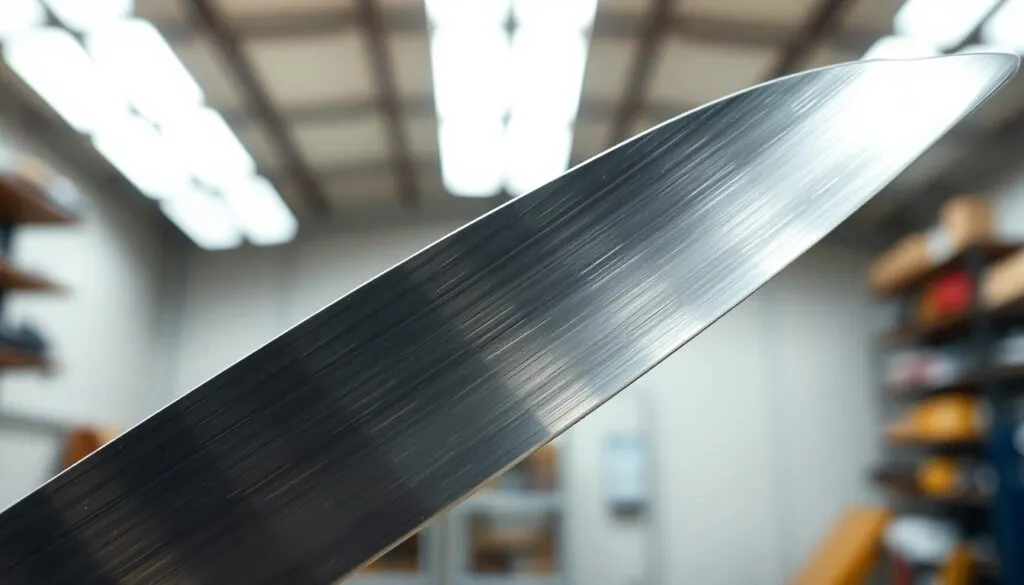
Many homeowners wonder if a brand-new mower blade requires sharpening before its first use. The answer depends on several factors, including the quality of the blade and the type of lawn you’re mowing.
Examining Factory Edges
Most new mower blades come with a factory edge that’s been sharpened to some degree. However, the sharpness can vary between manufacturers and even between different models from the same brand. We recommend examining the edge of your new blade closely to determine if it’s sufficiently sharp for your lawn’s needs.
When Immediate Sharpening Is Beneficial
There are situations where sharpening a new mower blade immediately can be beneficial. For instance, if you have a thick or tall lawn, a sharper blade will cut more efficiently, reducing strain on your lawnmower and improving overall cutting performance. Additionally, if your new blade is of a lower quality or has a dull factory edge, sharpening it before use can make a significant difference.
Signs Your Mower Blade Needs Sharpening
To keep your lawn looking its best, it’s essential to recognize the signs that your mower blade needs sharpening. A dull blade can lead to various issues that affect both the appearance and health of your lawn.
Visual Indicators on Your Lawn
One of the primary indicators that your mower blade needs sharpening is the condition of your grass after mowing. If your grass has torn or ripped tips, it may turn brown or become discolored. Inspect your lawn closely for these signs. Dull blades will not cut your grass cleanly; instead, they tear it, leaving jagged edges.
Performance Changes During Mowing
A dull mower blade can also affect the performance of your mower. You might notice that your mower is taking longer to cut your lawn, or it may be leaving some areas uncut or flattened. Increased mowing time and fuel consumption are also indicators that your blade needs sharpening. By paying attention to these changes, you can determine when it’s time to sharpen your mower blade.
How to Properly Sharpen Mower Blades
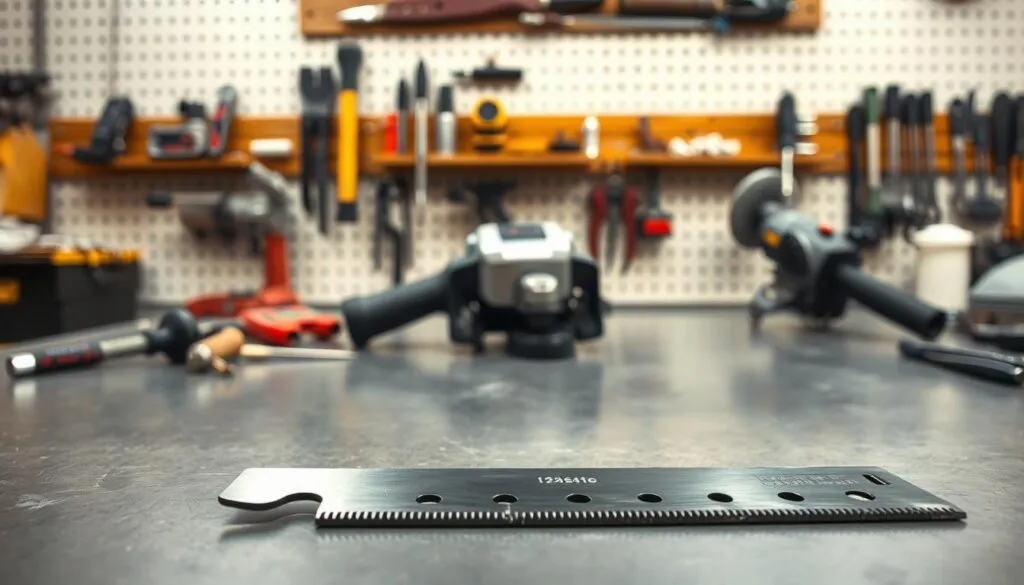
Sharpening your mower blade is a crucial maintenance task that ensures a clean cut and promotes healthy lawn growth. A sharp blade cuts grass cleanly, whereas a dull blade tears it, potentially leaving your lawn vulnerable to disease and pests.
Tools You’ll Need
To sharpen your mower blade effectively, you’ll need a few essential tools: a file or grinder to sharpen the edge, safety gloves to protect your hands, and a blade balancer to ensure the blade is properly balanced after sharpening.
| Tool | Purpose |
|---|---|
| File or Grinder | Sharpening the blade’s edge |
| Safety Gloves | Protecting hands from injury |
| Blade Balancer | Ensuring the blade is balanced |
Step-by-Step Sharpening Process
Begin by removing the mower blade and cleaning it thoroughly. Use a file or grinder to sharpen the edge, maintaining the original angle to ensure optimal performance.
Balancing the Blade After Sharpening
After sharpening, it’s crucial to balance the blade to prevent vibration during use, which can damage your mower. Use a blade balancer to check the balance and make adjustments as necessary.
By following these steps, you can keep your mower blade in top condition, ensuring a healthy and well-manicured lawn.
Sharpening vs. Replacing: Making the Right Choice
Understanding when to sharpen and when to replace your mower blade is crucial for maintaining your lawn’s health. The decision hinges on the blade’s condition and performance.
When Sharpening Is Sufficient
Sharpening is sufficient when the blade has minor damage, such as small dings or chips. Regular sharpening can maintain the blade’s effectiveness and prolong its lifespan. It’s a cost-effective way to keep your mower performing well.
Signs It’s Time for Replacement
If your mower blade shows significant damage, such as cracks, missing pieces, or substantial rust, it’s time to replace it. Unusual noises during mowing can also indicate that the blade needs to be replaced.
| Condition | Action |
|---|---|
| Minor dings or chips | Sharpen |
| Cracks, missing pieces, or substantial rust | Replace |
By evaluating the condition of your mower blade, you can make an informed decision about whether to sharpen or replace it, ensuring your lawn remains healthy and well-manicured.
Safety Precautions for Blade Maintenance
Lawnmower blade maintenance isn’t just about keeping your equipment in good condition; it’s also about ensuring your safety. When working with sharp blades and powerful machinery, it’s crucial to take the right precautions to avoid injuries.
Proper Disconnection Procedures
Before starting any maintenance, disconnect the spark plug to prevent accidental engine start-ups. This simple step can significantly reduce the risk of injury. Ensure you understand how to properly disconnect the power source for your specific lawnmower model.
Protective Equipment and Safe Handling
Wearing protective gear is essential when handling sharp mower blades. Gloves and eye protection can prevent cuts and debris from causing harm. Always handle blades with care, and consider using a blade removal tool to minimize direct contact.
By following these safety guidelines, you can ensure a safe and effective blade maintenance process.
Conclusion
By prioritizing mower blade sharpness, you can achieve a more vibrant and resilient lawn. Regular maintenance is essential for optimal lawn health and mower efficiency. We recommend checking your blade condition frequently and sharpening as needed. Remember to follow safety precautions when handling mower blades. By doing so, you’ll enjoy a healthier lawn and extend the life of your lawnmower.
FAQ
How often should we sharpen our lawnmower blades?
We recommend sharpening your lawnmower blades at least once a season or after every 25 hours of mowing time to maintain optimal cutting performance and promote healthy lawn growth.
What are the signs that our mower blade needs sharpening?
If you notice that your lawn is developing torn or frayed grass tips, or if your mower is leaving behind uneven or ragged cuts, it’s likely that your blade needs sharpening. Additionally, an increase in mowing time or difficulty cutting through thick grass can also indicate a dull blade.
Can we sharpen our mower blade ourselves, or should we seek professional service?
While it’s possible to sharpen your mower blade yourself using the right tools, such as a file or grinder, it’s essential to follow proper safety precautions and techniques to avoid damaging the blade or causing injury. If you’re unsure, consider consulting a professional for assistance.
How do we know when it’s time to replace our mower blade instead of sharpening it?
If your blade is excessively worn, damaged, or has been sharpened multiple times, it may be more cost-effective to replace it. Additionally, if you notice significant rust or corrosion, it’s likely time for a new blade to ensure optimal performance and prevent damage to your mower.
What are the benefits of maintaining sharp mower blades?
Sharp mower blades promote healthy lawn growth by cutting grass cleanly, reducing the risk of disease and pests. They also improve mowing efficiency, reduce fuel consumption, and result in a more even cut, making lawn maintenance easier and more effective.
Are there any specific safety precautions we should take when sharpening or replacing our mower blade?
Yes, when performing blade maintenance, ensure the mower is turned off, the spark plug wire is disconnected, and you’re wearing protective gear, such as gloves and safety glasses, to prevent injury from sharp edges or accidental start-ups.