
Ever wondered if your quest for a perfect yard is secretly annoying everyone on your street? That peaceful Saturday morning can be shattered by the roar of a lawn mower. It’s a common conflict for homeowners.
You want to beat the summer heat and get your lawn care done early. But starting your mowing routine too soon risks more than just sweat. It can lead to fines and unhappy neighbors.
Most communities have rules for this exact reason. Typical start times are around 7 or 8 a.m. on weekdays. Weekend hours often begin a bit later. This guide will help you navigate these rules.
Finding the right balance is key. You can maintain a beautiful lawn while being a considerate member of your community. Let’s explore how to mow lawn responsibly.
Key Takeaways
- Mowing too early can disrupt your neighbors’ peace and may violate local noise ordinances.
- Most areas have specific quiet hours that restrict early morning lawn maintenance.
- Gas-powered mowers are significantly louder than many people realize.
- Balancing your schedule with community consideration is essential for harmony.
- This guide provides practical advice for choosing the best mowing times.
- Understanding local regulations helps you avoid potential fines.
- Proper timing contributes to both a great-looking yard and good neighborly relations.
Understanding Local Lawn Mowing Regulations
The roar of a lawn mower during quiet morning hours can quickly turn neighbors into adversaries. Municipalities establish specific rules to maintain community peace and safety.
These ordinances serve multiple important purposes beyond simple convenience.
Noise Control and Neighborhood Harmony
Gas-powered equipment generates significant sound levels that exceed health recommendations. Typical mowers produce 80-95 decibels, well above the 70-decibel safety standards.
This excessive noise during early hours disrupts sleep and reduces quality of life. Clear local noise ordinances help prevent disputes between residents.
Safety and Environmental Considerations
Mowing during low visibility periods increases accident risks. Dusk and dawn conditions make it harder to see obstacles or uneven terrain.
Some areas implement environmental rules during drought conditions. These may restrict watering or specify optimal mowing hours for conservation.
| Regulation Type | Primary Purpose | Typical Restrictions |
|---|---|---|
| Noise Ordinances | Community peace and health protection | 7 AM – 10 PM operating hours |
| Safety Standards | Accident prevention | Daylight-only operation requirements |
| Environmental Rules | Resource conservation | Drought-specific hour limitations |
Understanding these different ordinances helps you maintain your property responsibly. Compliance supports both community harmony and personal safety.
Exploring Optimal Lawn Mowing Times
Choosing the right moment for cutting your grass impacts both its health and your relationship with the community. Strategic timing ensures your turf recovers properly while maintaining neighborhood harmony.

Morning Versus Afternoon Mowing Benefits
Mid-morning represents the best time for this task. Between 8:00 and 10:00 a.m., morning moisture has evaporated completely. This allows for clean cuts without clumping or tearing.
Late afternoon offers a solid alternative for your schedule. From 4:00 to 6:00 p.m., temperatures have cooled significantly. Your grass remains dry and has time to heal before nightfall.
Avoid cutting during peak heat hours. Midday sun stresses plants and can cause visible damage. Early sessions before dew evaporation also create problems for turf health.
Seasonal Timing Tips for Your Lawn
Adjust your routine as seasons change. Spring growth may require more frequent attention. Summer heat demands careful timing to prevent stress.
Fall brings cooler temperatures but shorter days. Plan your sessions to finish before dusk. Winter typically requires minimal cutting in most regions.
Watch weather patterns closely. Avoid mowing right after rainfall or during extreme heat. Your lawn will show appreciation through lush, healthy growth.
What Time Can I Mow My Lawn
Local governments establish clear operational windows for residential landscaping equipment. These regulations protect community quiet hours while allowing necessary property maintenance.
Local Ordinances and Legal Considerations
Finding your specific rules requires checking municipal resources. City websites typically list noise ordinances under “public peace” or “environmental health” sections.
Homeowner associations often impose stricter hours than city codes. Rural areas generally offer more flexibility for early morning starts.
“Consistent enforcement maintains neighborhood harmony while respecting property owners’ needs.”
Common Start and End Times
Typical weekday operations begin at 7:00 a.m. in many jurisdictions. Weekend mornings often delay starts until 8:00 or 9:00 a.m.
Evening cutoffs usually fall between 8:00-9:00 p.m. daily. Sundays frequently feature the latest permitted start times.
| City | Weekday Hours | Weekend Hours |
|---|---|---|
| Alexandria, VA | 7:00 a.m. – 9:00 p.m. | 9:00 a.m. – 9:00 p.m. |
| Los Angeles, CA | 7:00 a.m. – 9:00 p.m. | 8:00 a.m. – 9:00 p.m. |
| Atlanta, GA | 8:00 a.m. – 8:00 p.m. | 8:00 a.m. – 8:00 p.m. |
Violations carry fines from $100-$1,000 initially. Repeat offenses may reach $10,000 in strict communities.
Tips for Mowing Without Disturbing Neighbors
Building positive relationships with your community starts with being mindful of how your lawn care activities affect others. Simple adjustments to your equipment and schedule can make a significant difference.
Using Quieter Lawn Mowers
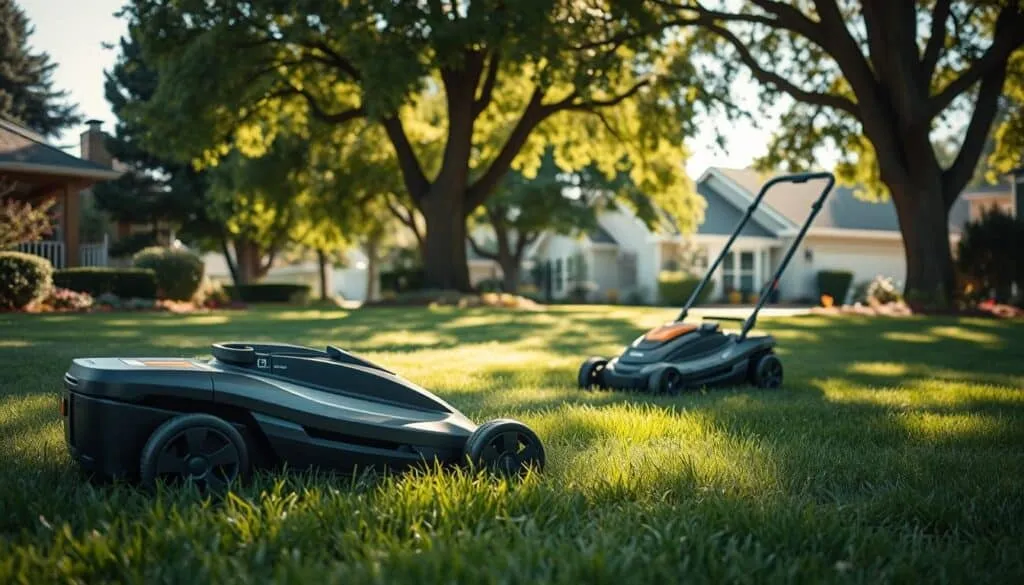
Electric walk-behind mowers offer the quietest operation for residential use. Battery-powered models provide excellent alternatives that reduce both noise pollution and emissions.
Manual reel mowers represent the most neighbor-friendly option available. These tools operate almost silently while providing a clean cut.
| Mower Type | Noise Level (Decibels) | Neighbor Impact |
|---|---|---|
| Electric Walk-Behind | 60-75 dB | Minimal disturbance |
| Battery-Powered | 65-80 dB | Low impact |
| Gas-Powered Riding | 90-105 dB | High disturbance |
| Manual Reel Mower | 50-60 dB | Nearly silent |
Adjusting Your Mowing Schedule
Consider your neighbors‘ schedules when planning your lawn mowing sessions. Avoid early hours if you know someone works late shifts or has young children.
Mid-afternoon often works well for minimizing disruption. Most people are awake, and the time falls comfortably within accepted hours.
Communication remains key to maintaining good relationships. Discuss your plans with adjacent homeowners to find mutually agreeable mowing windows.
These practical tips help ensure your beautiful lawn doesn’t come at the expense of community harmony. Thoughtful equipment choices and scheduling demonstrate consideration for those around you.
Integrating Lawn Care Maintenance and Safety
Proper lawn maintenance blends equipment upkeep with understanding your grass’s specific health requirements. This approach ensures your turf thrives while keeping your equipment in optimal condition.
Proper Equipment Care and Turf Health
Follow the one-third rule for cutting. Never remove more than one-third of the blade length at once. This reduces stress on your grass and promotes healthier growth.
Sharp mower blades create clean cuts instead of ragged tears. Dull blades damage grass, leaving openings for diseases like brown patch and leaf spot.
Avoid mowing wet grass. Moist conditions cause tearing rather than cutting. Wait until the turf dries completely for the best results.
During drought, adjust your approach. Raise the mower deck for a higher cut. This provides more shade for soil and encourages deeper roots.
Different grass types prefer specific temperatures. Cool-season varieties grow best at 60-75°F. Warm-season grasses thrive at 90-95°F.
Allow 24 hours for recovery after cutting before resuming foot traffic. Heat tracking damage appears like chemical burns but reverses with proper care.
Your safety matters during this work. Wear sun protection and stay hydrated. Choose clear visibility conditions for the safest mowing experience.
Embracing Advanced Lawn Mowing Solutions
The latest innovation in yard care eliminates the traditional challenges of scheduling and noise management. Robot lawn mowers offer a sophisticated approach to maintaining your outdoor space.
Benefits of Robot Lawn Mowers
These automated mowers provide hands-free lawn care that operates on your schedule. Models like the eufy E18 cover up to 1200m² with AI visual navigation.
You can program them for optimal lawn mowing sessions. This ensures consistent maintenance without manual effort.
Innovative Features for Noise Reduction
Electric power makes these devices significantly quieter than traditional options. They generate minimal disturbance during operation.
This feature allows for broader usage time windows. Your grass receives proper care without bothering neighbors.
Automated Lawn Care Advantages
Automation ensures regular mowing lawn sessions maintain ideal turf height. The technology handles the work while you focus on other tasks.
In addition to convenience, these systems make lawn maintenance accessible to more people. They represent a smart addition to modern home care.
Conclusion
Your beautiful yard should complement your neighborhood, not create tension with those around you. Understanding proper mowing hours ensures your lawn care enhances community harmony.
Most communities permit starting around 7:00-8:00 a.m. on weekdays and 8:00-9:00 a.m. on weekends. Evening cutoffs typically fall between 8:00-9:00 p.m. The best time for grass health remains mid-morning after dew evaporates or late afternoon when temperatures moderate.
Avoid early morning sessions when grass is wet and noise carries farther. Gas-powered equipment produces 80-95 decibels that can disturb neighbors. Consider quieter electric options or automated solutions for consistent maintenance.
Always verify local regulations specific to your area. Respect both written rules and community standards. With thoughtful planning, you can maintain healthy lawns throughout the seasons while being a considerate neighbor.
FAQ
What are the typical hours when I can operate my lawn mower without breaking local noise rules?
Most areas set standard hours, often starting around 8 or 9 a.m. on weekdays and 10 a.m. on weekends, and ending by 7 or 8 p.m. You must check your specific local noise ordinances, as these times can vary significantly between towns and cities.
Why is it better to cut grass in the late morning or afternoon instead of early?
Mowing in the late morning, after the dew has dried, is ideal. This allows for a cleaner cut and prevents wet grass clippings from clumping. Afternoon mowing is also effective, but you should avoid the hottest part of the day to reduce stress on both you and your turf.
How can I reduce the noise from my mower to be a better neighbor?
Consider investing in a newer, quieter model like a Honda or EGO mower, which often have lower decibel ratings. Electric and battery-powered mowers are generally much quieter than gas-powered ones. You can also adjust your schedule to more neighbor-friendly times.
Are there any benefits to using a robotic lawn mower for my property?
Yes, robot mowers from brands like Husqvarna Automower offer significant advantages. They operate very quietly, often below 60 decibels, and can be programmed to work during optimal daylight hours without disturbing anyone. This provides consistent lawn care with minimal effort.
What should I do if my lawn maintenance schedule conflicts with my neighbor’s needs?
Open communication is key. Talk to your neighbors about your planned mowing times and be willing to adjust your schedule slightly. Being considerate about early mornings, evenings, and weekends helps maintain neighborhood harmony and avoids complaints.
Does the time of year affect when I should be cutting my grass?
Absolutely. During the hot summer months, it’s best to mow in the cooler parts of the day to avoid heat stress on the grass. In spring and fall, you have more flexibility, but you should still adhere to local noise standards and avoid mowing when the turf is wet.