
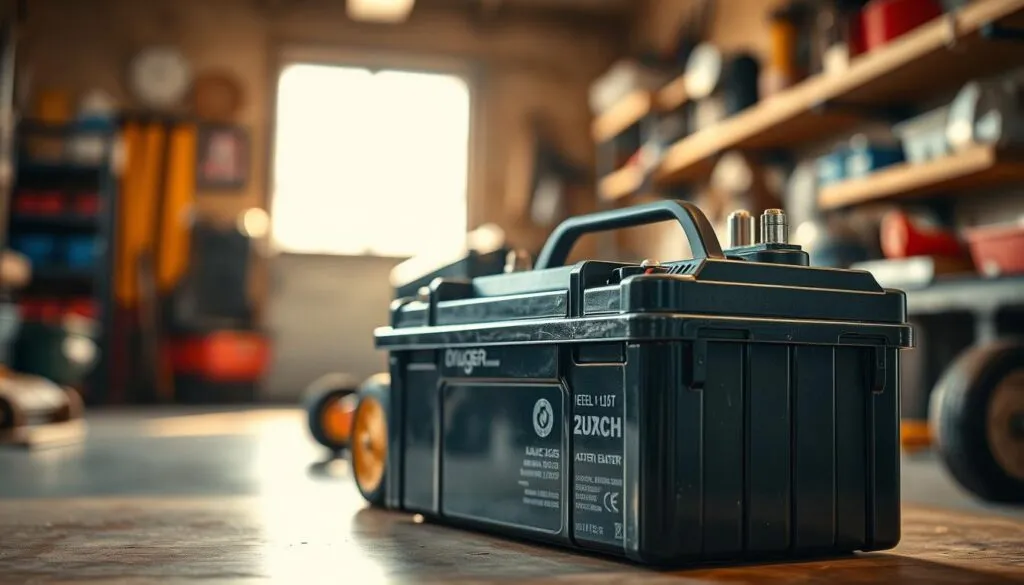
Have you ever wondered if your quiet, electric mower is secretly costing you more than you think? Many people invest in battery-powered equipment for the convenience, only to face premature power unit failure. This guide tackles that very concern head-on.
Your power source’s lifespan is not a mystery. It depends heavily on the technology you choose. Options like lead-acid and lithium-ion offer vastly different performance timelines. Understanding this difference is crucial for planning your yard care budget.
This article provides realistic expectations for your equipment’s endurance. You will learn what truly influences its performance. We cover everything from charging routines to proper storage techniques.
Our goal is to empower you with knowledge. You can then make smart maintenance choices. These decisions will help you get the most value from your investment. Proper care also ensures safety and peak efficiency for your machine.
Key Takeaways
- Battery lifespan varies significantly, typically between 3 and 10 years.
- The type of technology (lead-acid vs. lithium-ion) is a major factor.
- Your charging habits directly impact long-term performance.
- Correct storage conditions are essential for preserving power.
- Proactive maintenance extends the useful life of your equipment.
- Understanding these factors helps with budgeting for future replacements.
- Proper care ensures safer and more efficient operation.
Introduction to Lawn Mower Batteries
Your equipment’s electrical heart determines whether you’ll finish your grass care efficiently. This power source delivers the energy needed for consistent operation. Understanding its function helps you maintain peak equipment performance.
Why Battery Health Matters to You
Maintaining your power unit’s condition directly impacts reliability. A healthy energy source prevents frustrating interruptions during yard work. It ensures you complete tasks without unexpected shutdowns.
Proper care extends your equipment’s useful life significantly. This translates to better value from your investment over time. You’ll enjoy more consistent cutting results season after season.
The Role of Batteries in Lawn Mower Performance
Your energy unit supplies critical starting power measured in Cold Crank Amps (CCA). This amperage activates the solenoid to initiate engine startup. Sufficient CCA ensures quick, reliable ignition every time.
During operation, the power source maintains consistent blade rotation. This delivers even cutting performance across your entire property. Thick grass conditions demand stable energy output for optimal results.
| Feature | Battery-Powered Equipment | Traditional Gas Mowers |
|---|---|---|
| Fuel Source | Rechargeable energy cells | Gasoline requiring frequent refills |
| Maintenance Needs | Simple charging routines | Oil changes, spark plug replacement |
| Operational Convenience | No cords, quiet operation | Loud noise, emission concerns |
| Environmental Impact | Zero emissions during use | Regular fuel combustion |
Modern energy units eliminate gas station trips and fuel spills. They offer cord-free convenience while maintaining excellent cutting power. This makes grass care simpler and more enjoyable.
how long does lawn mower battery last
When investing in electric yard equipment, knowing the anticipated operational timeline helps with long-term planning. Your power source’s endurance varies significantly based on technology selection and maintenance practices.
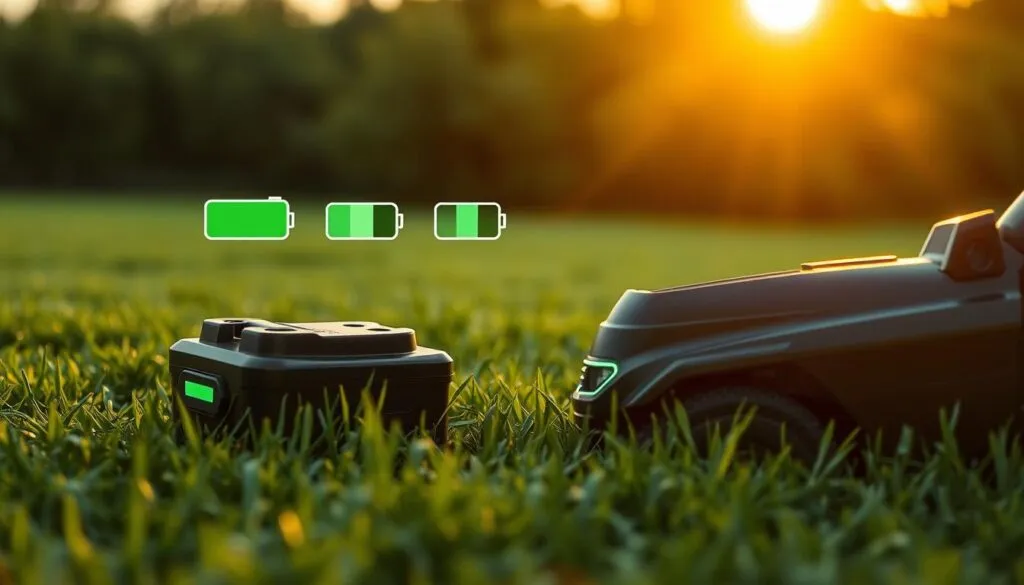
Expected Lifespan by Battery Type
Different technologies offer distinct performance timelines. Lead-acid units typically provide 3-5 years of service with proper care. Their capacity gradually declines after the first year.
Lithium-ion options deliver superior longevity of 7-10 years. They maintain consistent performance throughout their service life. This justifies their higher initial investment for many property owners.
Factors Influencing Battery Life
Multiple elements affect your power unit’s duration. Mowing frequency, grass thickness, and terrain difficulty all play roles. Proper equipment maintenance significantly extends operational time.
Environmental conditions dramatically impact performance. Extreme temperatures reduce effectiveness. Optimal operation occurs between 40-80°F for most energy cells.
You’ll typically achieve approximately 500 charging cycles before noticeable degradation. This translates to several seasons of regular grass care with proper management.
Exploring Different Types of Lawn Mower Batteries
The evolution of yard care equipment has introduced diverse power solutions, each with unique benefits for different property needs. You have two primary battery types to consider for your equipment. Understanding their distinct characteristics helps you make an informed choice.
Lead-Acid Batteries Overview
Traditional lead-acid batteries represent the conventional choice for powering equipment. These dependable units have served property owners reliably for decades. They offer a lower initial purchase price that appeals to budget-conscious homeowners.
You’ll typically get 3-5 years of service from lead-acid batteries with proper maintenance. A single charge provides 1-2 hours of mowing time for most properties. Their capacity gradually declines after the first year of operation.
These traditional power sources are heavier than modern alternatives. They require more regular maintenance, including periodic water level checks. Despite this, they remain cost-effective for smaller yards.
Lithium-Ion Batteries Advantages
Modern lithium-ion batteries offer superior efficiency with minimal maintenance requirements. They deliver 7-10 years of consistent performance that justifies their higher upfront cost. You’ll appreciate their steady power output throughout their lifespan.
For demanding applications, LiFePO4 (lithium iron phosphate) batteries are specifically recommended. They’re engineered for power-hungry equipment using an iron phosphate cathode. This technology provides superior durability and safety for yard care needs.
Lithium-ion batteries maintain consistent performance until near the end of their life cycle. This contrasts with lead-acid types that gradually lose capacity over time. The advanced technology makes them more economical for long-term use.
Key Factors Affecting Battery Lifespan
Understanding the elements that determine your power unit’s endurance helps you make smarter maintenance decisions. Several key factors work together to either extend or shorten its useful time.

Impact of Temperature and Storage
Environmental conditions play a massive role. Extreme temperatures are a primary threat to your energy cell’s health.
High heat accelerates internal chemical wear. Extreme cold reduces available power and performance. You should aim to operate and store your unit between 40-80°F (4-27°C).
Proper storage during off-seasons is critical. An uninsulated garage or shed exposes the unit to damaging temperature swings. A cool, dry, climate-controlled space is ideal for preservation.
Usage Patterns and Charging Habits
Your mowing routine directly influences longevity. Frequently cutting large properties or tough terrain strains the system. This forces faster drainage and reduces the total number of charge cycles.
Your charging routine is equally important. Consistently draining the unit too low before recharging causes stress. Overcharging also contributes to a diminished capacity over time.
| Factor | Positive Influence | Negative Influence |
|---|---|---|
| Temperature | Storage & use at 40-80°F (4-27°C) | Exposure to extreme heat or freezing cold |
| Storage Charge Level | 40-50% charge for long-term storage | Stored fully charged or completely dead |
| Usage Intensity | Mowing dry, level lawns | Frequent use on wet, thick grass or hills |
| Charging Depth | Recharging before capacity drops below 20% | Regularly deep discharging the unit |
Best Practices to Extend Your Battery Life
Adopting strategic maintenance habits ensures your investment continues delivering reliable service. These practices help your power source perform optimally season after season.
Regular attention to key areas prevents premature degradation. This approach maximizes your equipment’s operational timeline.
Maintaining a 20-80% Charge Strategy
The 20-80% rule significantly extends your power unit’s lifespan. Recharge when capacity drops to approximately 20%. Stop charging at 80% rather than 100%.
This strategy minimizes stress on the internal components. Always allow your unit to cool after yard work before charging.
Smart chargers automatically switch to float mode. This prevents overcharging that damages cells over time.
Cleaning and Caring for Battery Terminals
Terminal maintenance is crucial for efficient power transfer. Dirt and corrosion create resistance that forces your unit to work harder.
Inspect terminals monthly for buildup. Clean them with a brush and baking soda solution when needed.
Ensure all connections remain tight and secure. Loose terminals reduce efficiency and can cause power loss.
| Maintenance Practice | Benefit | Frequency |
|---|---|---|
| 20-80% Charge Rule | Reduces cell stress, extends lifespan | Every use |
| Terminal Cleaning | Improves conductivity, prevents power loss | Monthly |
| Cool-Down Period | Prevents heat damage during charging | After each mowing session |
| Connection Check | Ensures optimal power transfer | Before starting equipment |
Proper care makes your equipment last longer. Sharp blades reduce power demand during lawn care. Always use the manufacturer-recommended charger for optimal performance.
Managing Off-Season Battery Care
Proper off-season maintenance protocols are essential for protecting your investment when grass cutting ceases. Extended inactivity can significantly impact your equipment’s performance if not handled correctly.
Manual Charging vs. Smart Charging Options
Manual charging involves connecting your power unit every few weeks during winter months. This maintains adequate charge levels without constant stress on the cells.
Smart chargers offer superior convenience and protection. They automatically manage your equipment’s charge state, stopping when fully charged and resuming when capacity drops.
Trickle chargers provide gentle, steady charging over extended periods. This approach is safer for long-term health than rapid charging methods.
Proper Storage Techniques for Extended Lifespan
Always remove your power source from the equipment after the final seasonal use. Store it separately in a cool, dry place to prevent environmental damage.
The ideal storage approach maintains 40-50% charge at 40-80°F temperatures. Avoid storing units when they are completely empty or fully charged.
Battery maintainers automatically keep healthy charge levels during winter storage. This eliminates the need for manual schedules while preventing deep discharge damage.
Before reinstalling your power unit for the new season, ensure it’s fully charged. This guarantees maximum capacity for your initial cutting tasks.
Troubleshooting Battery Issues
Recognizing early warning signs can save you from unexpected equipment failure during critical yard work. Your power unit often provides clear indicators before complete shutdown occurs.
Listen for distinctive clicking sounds when starting your equipment. This noise signals insufficient power to crank the engine properly. It represents one of the most common failure indicators.
Identifying Signs of a Dying Battery
Regular voltage checks using a multimeter provide crucial diagnostic information. Readings consistently below 12 volts indicate serious capacity loss. This measurement helps determine when replacement becomes necessary.
Performance degradation manifests as reduced cutting efficiency and uneven operation. Your equipment may struggle with grass that previously posed no challenge. These changes suggest the power source cannot deliver consistent energy.
Dramatically shortened runtime serves as a critical warning sign. If operation time drops from 40-60 minutes to just 10-15 minutes, replacement urgency increases. This indicates severe capacity deterioration.
Step-by-Step Troubleshooting Tips
Begin by inspecting terminal connections for visible corrosion. This buildup appears as white, green, or blue crusty deposits. Clean affected areas with a brush dipped in baking soda solution.
Check your charger’s functionality if the unit fails to hold power. Ensure proper connection and adequate charging duration. Faulty charging equipment can mimic battery failure symptoms.
Examine external factors like grass conditions and blade sharpness. Wet vegetation or dull blades increase power demand. These elements can accelerate perceived performance decline.
For lead-acid types, regularly inspect water reservoir levels. Consistent low levels despite proper maintenance indicate approaching end-of-life. Address this promptly to prevent permanent damage.
Conclusion
Mastering your equipment’s power source management transforms your yard care experience from frustrating to consistently reliable. You now understand that proper care extends operational life significantly.
Your lawn mower battery can deliver excellent service for many years when you follow proven maintenance strategies. Lithium-ion technology offers superior performance compared to traditional options.
Implementing the right tips protects your investment from premature failure. Regular care ensures peak performance season after season.
Your commitment to proper storage and charging habits directly translates into extended equipment lifespan. This knowledge empowers you to maximize value from your yard care tools.
FAQ
What is the average lifespan of a lawn mower battery?
The typical lifespan ranges from 3 to 5 years. This depends heavily on the battery type, your maintenance habits, and how often you use your mower. Lithium-ion batteries often last longer than traditional lead-acid batteries.
How can I make my mower’s battery last longer?
You can extend its life by following a few key tips. Store it in a cool, dry place, avoid letting it fully discharge, and keep the terminals clean and free from corrosion. Using a smart charger that prevents overcharging is also highly beneficial.
What is the best way to store a battery during the off-season?
For long-term storage, you should fully charge the battery first. Then, disconnect it from the mower and store it in a cool, dry location away from extreme temperatures. It’s a good practice to check the voltage every few months and give it a boost charge if needed.
What are the signs that my battery needs replacement?
Look for clear indicators like the mower struggling to start, a noticeable drop in power and runtime, or visible damage to the case and terminals. If your battery can’t hold a charge for more than a day or two, it’s likely nearing the end of its lifespan.
Are lithium-ion mower batteries better than lead-acid?
Lithium-ion batteries generally offer significant advantages. They are lighter, hold their charge longer when not in use, have a longer overall life, and require less maintenance. While the initial cost is higher, their performance and capacity often make them a better value over time.