
Are you wondering when it’s safe to mow your newly laid sod for the first time? Installing new sod is a great way to achieve a lush, green lawn instantly. However, the care it receives in the initial period is crucial for its long-term health and stability.
Proper care involves understanding that sod isn’t fully established immediately after installation. It’s essential to allow it sufficient time to develop a strong root system before the first mow. Cutting too early can damage the fragile roots and hinder the grass from thriving.
We will guide you through the best practices for mowing your new sod and help you achieve a beautiful, healthy lawn that will last for years to come.
Key Takeaways
- New sod requires careful maintenance in the initial period.
- The timing of the first mow is critical for the health of the sod.
- A strong root system is essential for a thriving lawn.
- Proper mowing techniques are vital for the long-term health of new sod.
- Patience during the establishment period is key to a healthy lawn.
Understanding New Sod and Its Establishment Process
Understanding the establishment process of new sod is key to its long-term success. New sod, once installed, undergoes a critical period of development before it becomes a fully integrated part of your lawn. During this time, it’s essential to understand what makes new sod different from established lawns and how its root system develops.
What Makes New Sod Different from Established Lawns
New sod is distinct from established lawns primarily in its root development stage. Initially, the sod is a layer of grass and soil that has been grown elsewhere and then laid down on your lawn. It takes time for the roots to grow into the underlying soil, securing the sod in place. This process is crucial for the sod’s survival and its ability to withstand normal lawn stresses.
The Root Development Timeline
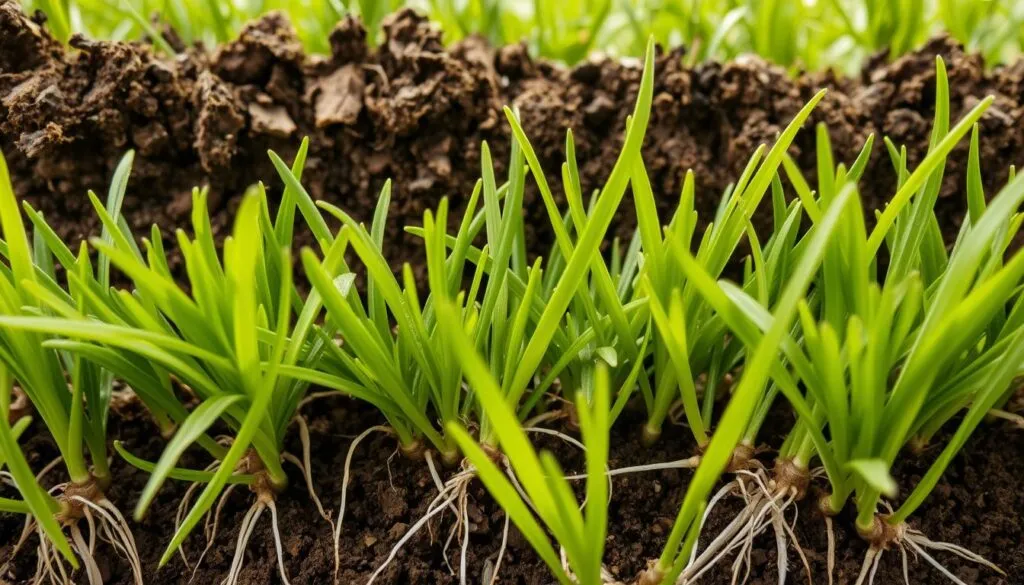
The root development of new sod follows a predictable timeline. During the first 10-14 days, shallow roots begin to form and penetrate into the soil beneath. These initial roots are delicate and provide minimal anchoring. By weeks 2-4, the root system becomes more substantial, with roots growing deeper into the soil. Complete establishment typically takes about 6 weeks, at which point the root system is robust enough to support normal lawn maintenance activities.
Factors such as soil quality, temperature, season, and watering practices can influence this root development timeline. Checking root development by gently tugging on a corner of the sod can help assess whether it’s becoming properly anchored to the ground.
How Long Should You Wait to Mow New Sod
Determining the ideal time to mow new sod is crucial for its establishment and long-term health. The waiting period before the first mow is critical for allowing the sod to develop a strong root system that anchors it firmly into the soil.
The Two-Week Minimum Waiting Period
Generally, it’s recommended to wait at least two weeks before mowing new sod. This period allows the sod to start establishing its roots into the underlying soil. Waiting for this minimum period is crucial as it ensures the sod has a chance to begin its root development without the stress of being cut.
After laying new sod, the initial two weeks are vital for root establishment. During this time, it’s essential to keep the sod moist and avoid heavy traffic to prevent damaging the new grass.
Testing if Your Sod is Ready for Its First Mow
After the two-week mark, you can test your sod to see if it’s ready for its first mow. To do this, gently tug on a corner of the sod in several areas. If it feels firmly anchored and resists your pull, it’s ready to be mowed. However, if it lifts up easily, you should wait longer.
- The sod should be tested in multiple areas to ensure uniform root development.
- If the sod resists being pulled, it indicates that the roots have established well.
- Another sign of readiness is when the grass has grown to about 3-4 inches in height.
For more information on lawn care after overseeding, you can visit this guide on waiting to mow after overseeding a fescue.
| Indicator | Ready to Mow | Not Ready to Mow |
|---|---|---|
| Root Establishment | Firmly anchored | Lifts up easily |
| Grass Height | 3-4 inches | Less than 3 inches |
Proper Care During the Waiting Period
Before we can mow our new sod, we must ensure it’s receiving the right conditions to establish a strong root system. Proper care during this period is crucial for the long-term health and appearance of our lawn.
Watering Requirements for New Sod
Watering is one of the most critical aspects of caring for new sod. It’s essential to keep the soil consistently moist during the first few weeks after installation. We recommend watering our new sod lightly but frequently, especially during hot weather, to prevent drying out. An irrigation system can be particularly helpful in maintaining the right moisture levels. As our sod begins to establish, we can gradually reduce the frequency of watering, encouraging the roots to grow deeper into the soil.
Avoiding Traffic and Stress on New Sod
It’s also important to minimize traffic on our new sod during the waiting period. Heavy foot traffic or pet activity can cause stress to the establishing grass, potentially leading to damage or disease. By keeping the area around our new sod clear of obstacles and minimizing activity, we can help ensure it establishes a strong and healthy lawn.
Fertilization Considerations
Fertilizer plays a significant role in promoting healthy growth and establishing a robust root system. Most professional installers apply a starter fertilizer during installation, which should suffice for the initial period. If additional lawn care is needed, we should wait until after the first mow. Liquid fertilizers are often recommended for new sod as they can penetrate the soil effectively. We should choose a fertilizer specifically formulated for new lawns, following the application instructions carefully to avoid over-fertilizing.
Preparing for the First Mow
Preparing for the first mow of new sod involves more than just firing up the mower; it demands a thoughtful approach to lawn care. Proper preparation is crucial for minimizing stress on the new sod and ensuring a healthy start for your lawn.
Reducing Water the Day Before Mowing
Before you mow, it’s advisable to reduce watering the day before. This helps the soil firm up, making it easier to mow and reducing the risk of tearing the grass. By controlling the moisture level, you’re also helping your lawn recover more quickly from the mowing process.
Checking Your Mower Blades and Equipment
It’s essential to check your mower blades and ensure they are sharp. Dull blades can tear the grass, causing unnecessary stress and potentially damaging your new sod. Here are some key points to consider when preparing your mower:
- Ensure your mower blades are sharp and properly balanced.
- Clean your mower deck to prevent the spread of diseases or weeds.
- Check that your mower wheels are adjusted to the same height and move freely.
Proper mower preparation is just as important as lawn preparation for the first mow. A well-maintained mower will help you achieve a clean cut, reducing the risk of damage to your new sod.
| Mower Preparation Task | Importance Level | Action Required |
|---|---|---|
| Sharpening Mower Blades | High | Use a sharpening kit or replace dull blades. |
| Cleaning Mower Deck | High | Scrape off debris and dirt. |
| Checking Mower Wheels | Medium | Ensure wheels are at the same height and move freely. |
By following these steps and ensuring your mower is in good condition, you’ll be well-prepared for the first mow of your new sod, setting your lawn up for success.
Best Practices for the First Mow of New Sod
As we prepare to mow our new sod for the first time, it’s essential to understand the best practices to ensure its health. The first mow is a critical step in the sod’s establishment, and doing it correctly can promote root growth and a lush, vibrant lawn.
Setting the Proper Mower Height
Setting the mower to the correct height is crucial for the first mow. Keep the mower blade at a height of 2.5 to 3 inches to avoid stressing the new sod. This height helps in promoting healthy growth and prevents the sod from being shocked by drastic cutting.
Following the 1/3 Rule for Grass Cutting
It’s vital to follow the 1/3 rule when mowing new sod. Never remove more than one-third of the grass blade in a single mowing. This rule helps prevent shocking the grass and allows it to continue growing healthily. Removing too much grass at once can stress the sod, leading to disease or pest issues.
Mowing Patterns and Techniques for New Sod
When mowing new sod for the first time, use a gentle, methodical approach. Mow in straight lines and make slow turns to avoid disrupting the developing root system. Alternating mowing directions with each subsequent mow can also encourage upright grass growth.
Conclusion: Ongoing Care After the First Mow
With the first mow done, it’s time to focus on the ongoing care that will make your sod thrive. Your new lawn requires continued attention to develop into a mature, resilient lawn.
Gradually transition to a normal watering schedule, reducing frequency while increasing duration to encourage deeper root growth. Resume regular fertilization according to your grass type and season, typically applying a balanced fertilizer 3-4 weeks after the first mow.
Implement a consistent mowing schedule, continuing to follow the 1/3 rule while gradually lowering the cutting height to the optimal level for your grass variety. Monitor for weeds and implement appropriate control measures. Plan to aerate your lawn within 6-12 months to prevent soil compaction and promote healthy root development.
By following these lawn care guidelines and adjusting your practices seasonally, your new sod will develop into a beautiful, healthy lawn that enhances your property for years to come.
FAQ
What is the ideal time to mow new sod after installation?
We recommend waiting for at least two weeks after installation before mowing your new sod. This allows the roots to establish themselves in the soil.
How can I determine if my new sod is ready for its first mow?
To check if your sod is ready, gently tug on the grass. If it resists being pulled out, the roots have taken hold, and it’s time for the first mow.
What are the watering requirements for new sod during the waiting period?
We suggest watering your new sod frequently during the first few weeks, keeping the soil consistently moist but not waterlogged. As the sod establishes, you can gradually reduce the frequency of watering.
Can I fertilize my new sod before the first mow?
It’s generally recommended to avoid fertilizing your new sod until after the first mow. This allows the sod to establish itself without additional stress.
What is the proper mower height for the first mow of new sod?
For the first mow, we recommend setting your mower to a height of 2.5-3 inches to avoid stressing the new sod. This height helps promote healthy growth.
Are there any specific mowing patterns or techniques for new sod?
Yes, to prevent creating ruts and to ensure even cutting, we suggest varying your mowing pattern with each mow. Additionally, make sure to mow when the sod is dry to prevent tearing the grass.
What are the best practices for ongoing care after the first mow?
After the first mow, continue to maintain your sod with regular mowing, proper watering, and fertilization as needed. Regular maintenance will help your sod continue to thrive.