
Have you ever wondered if your lawn care routine is actually working against you? Many homeowners pour time and money into fertilizing, only to see lackluster results. The secret often lies not in the product itself, but in the critical window following its application.
Getting the timing right between feeding your grass and cutting it is essential. Mowing too soon can strip away the valuable nutrients before they penetrate the soil. This mistake leads to wasted product, patchy growth, and can even cause fertilizer burn.
This guide will walk you through the key factors that determine the ideal waiting period. The type of fertilizer you use—liquid or granular—plays a major role. Weather conditions and your specific grass type also influence the schedule.
By understanding these elements, you can transform your lawn care efforts. You will achieve a thicker, greener, and healthier lawn while making your routine more efficient. Let’s explore how to maximize your fertilizer investment for stunning results.
Key Takeaways
- Proper timing between fertilizing and mowing is critical for lawn health.
- Mowing too soon can waste fertilizer and harm your grass.
- The ideal waiting period depends on the type of fertilizer used.
- Weather and grass species are important factors to consider.
- Following correct protocols leads to a lush, vibrant lawn.
- Avoiding common mistakes saves time, money, and effort.
Understanding the Importance of Timing in Lawn Care
Many homeowners overlook the critical relationship between application timing and nutrient effectiveness. The sequence of your lawn maintenance activities directly impacts how well your grass absorbs essential elements.
Why Timing Matters for Nutrient Absorption
Grass plants absorb nutrients primarily through their root systems. This process requires optimal conditions to work efficiently. Fertilizer needs adequate contact with soil to break down properly.
According to lawn care experts, turfgrasses require at least 16 essential nutrients. These include macronutrients like nitrogen, phosphorus, and potassium. Micronutrients such as iron and manganese are equally important for healthy growth.
The Impact of Mowing Order on Lawn Health
The order of operations significantly affects fertilizer distribution. Cutting grass immediately after application can remove valuable nutrients. This interruption reduces effectiveness and wastes your investment.
| Proper Timing | Improper Timing | Resulting Effect |
|---|---|---|
| Allow fertilizer to settle | Mow immediately after application | Nutrients reach soil effectively |
| Grass focuses on uptake | Grass recovers from cutting stress | Enhanced growth and vitality |
| Even distribution pattern | Fertilizer trapped on blades | Consistent lawn health |
Understanding these principles helps create informed maintenance schedules. Proper timing allows grass to focus energy on nutrient uptake rather than recovery. This leads to more robust growth and better overall lawn health.
Benefits of Mowing Before Fertilizing
A simple change in your maintenance order—mowing first—can dramatically improve fertilizer performance. This proactive approach sets the stage for optimal nutrient delivery and absorption.
Improved Fertilizer Distribution
Cutting the grass prior to your fertilizing helps create a level playing field. A uniform turf height allows your spreader to distribute nutrients consistently.
Tall blades can block granules or liquid from reaching the soil. Mowing eliminates this barrier, ensuring the application can spread evenly across the entire lawn surface.
Enhanced Soil Contact and Debris Removal
The act of mowing clears away leaves, twigs, and dead grass. This cleanup is crucial for allowing fertilizer to reach soil directly.
Without debris, nutrients make better contact with the earth. This leads to easier penetration and more effective absorption by the grass root system.
Completing this task beforehand also schedules your week efficiently. Your lawn gets undisturbed time to absorb the valuable nutrients for healthier growth.
How Long to Wait to Mow After Fertilizer
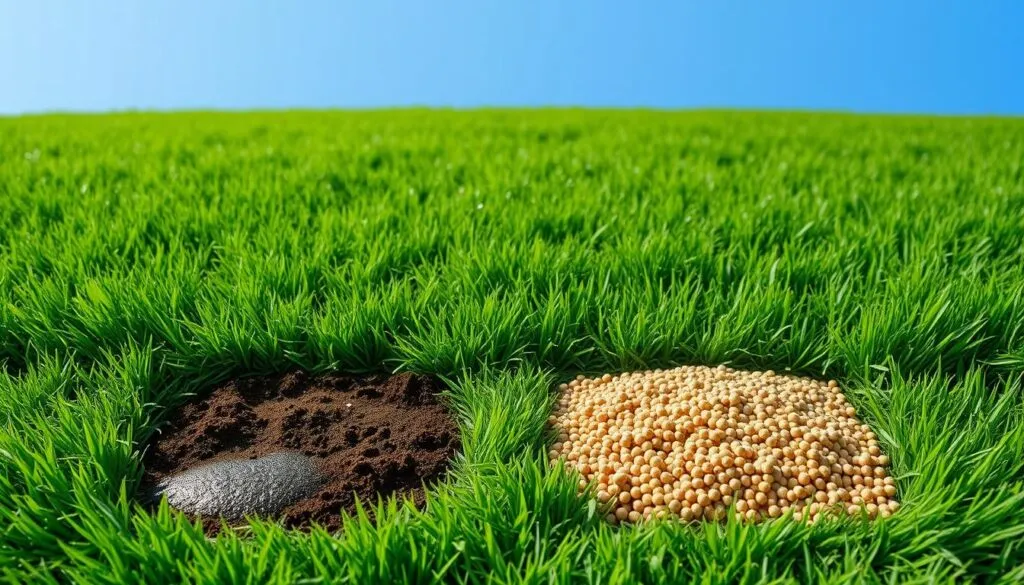
The most common question I receive about lawn care involves the precise timing between feeding and cutting. The answer is not one-size-fits-all. It depends heavily on the type of fertilizer you choose for your lawn.
Differences Between Liquid and Granular Fertilizers
Liquid formulations work quickly. They are absorbed through the grass blades and into the soil. You can typically mow once the lawn is completely dry.
This drying process often takes about four hours. Granular products operate differently. They are slow-release and need time to break down.
These granules require moisture to activate and penetrate the soil root zone. For this type of application, you must wait a minimum of 24 to 48 hours before mowing.
Preventing Nitrogen Burn and Uneven Growth
Cutting the grass too soon after fertilization poses real risks. Mowing wet grass coated in liquid fertilizer can spread the product unevenly. This leads to patchy growth and can increase the chance of nitrogen burn.
With granular lawn fertilizer, mowing too early physically removes the granules before they dissolve. This wastes your product and creates inconsistent results across your turf.
Always check the product label for specific instructions. When in doubt, wait a little longer. This extra time protects your investment and ensures your grass gets the full benefit.
Mowing After Fertilization: Best Practices
The period following your lawn’s feeding requires specific attention to mowing practices. Proper timing ensures your grass receives maximum benefit from the nutrients applied.
Ideal Waiting Period and Conditions
I recommend waiting at least 24 to 48 hours before cutting your grass. For optimal nutrient absorption, extending this period to three or four days yields even better results.
Your grass may grow longer than usual during this waiting time. When you finally mow, remove no more than one-third of the grass height to avoid stressing the turf.
The Role of Weather and Lawn Dryness
Weather conditions significantly impact your mowing schedule. Rain, humidity, and irrigation affect how quickly fertilizer absorbs and when your lawn dries sufficiently.
Always mow when the grass is completely dry. Wet conditions lead to clumping, uneven cuts, and can damage your mower. Schedule mowing for late afternoon when grass is naturally drier.
| Optimal Condition | Problematic Condition | Recommended Action |
|---|---|---|
| Grass springs back when walked on | Leaves moisture on shoes | Wait for complete dryness |
| No visible water droplets | Morning dew present | Schedule afternoon mowing |
| Forecast shows clear weather | Rain expected within 24 hours | Postpone fertilization |
This approach requires planning two separate days for lawn care activities. While less convenient than combining tasks, the results justify the extra effort with healthier, more vibrant grass.
Expert Tips for Mowing and Fertilizing Your Lawn
Professional lawn care relies on strategic equipment preparation and smart cutting techniques. These expert tips will help you maximize your maintenance results while protecting your investment.
Always begin by clearing your turf of debris. Remove leaves, twigs, and rocks before starting any work. This ensures your fertilizer application reaches the soil evenly.
Preparing Your Lawn for Maintenance
Sharp mower blades are non-negotiable for healthy turf. Dull blades tear grass rather than cutting cleanly. This creates stress and makes your lawn vulnerable to disease.
Stressed grass cannot effectively absorb nutrients from your fertilizer. Regular blade sharpening prevents browning and promotes quick healing after each cut.
Adjusting Mower Settings for Optimal Results
Proper cutting height varies by grass type. Cool-season varieties like Kentucky bluegrass thrive at 2-3 inches. Warm-season grasses like Bermuda can handle shorter cuts.
Never remove more than one-third of the blade height in a single session. This prevents shock and maintains strong root development.
| Grass Type | Ideal Height | Mowing Frequency |
|---|---|---|
| Cool-season | 2-3 inches | Weekly |
| Warm-season | 1-2 inches | 5-7 days |
| Mixed turf | 2.5 inches | Adjust as needed |
Changing Mowing Patterns for Even Growth
Alternate your cutting direction with each session. Use horizontal, vertical, and diagonal patterns sequentially. This prevents grass from leaning and encourages upright growth.
Leave grass clippings on the lawn whenever possible. They return valuable nutrients to the soil naturally. Just spread any clumps evenly with a rake.
When planning to mow and fertilize on the same day, always cut first. Wait 30-60 minutes before applying fertilizer. This reduces the risk of nitrogen burn on fresh cuts.
Avoid using a grass catcher after fertilizing. It removes residual fertilizer from your turf. This wastes your product and reduces effectiveness.
Common Lawn Care Mistakes and How to Avoid Them
Even experienced gardeners sometimes make basic lawn care errors that undermine their efforts. I often see well-intentioned maintenance routines actually harming turf health. Understanding these pitfalls helps prevent wasted time and resources.
Mowing Wet Grass and Its Consequences
Mowing wet grass creates multiple problems for your lawn. Moisture causes blades to clump together, resulting in ragged, uneven cuts. This stresses the turf and creates an unattractive appearance.
After fertilization, wet conditions become especially problematic. Fertilizer sticks to grass blades and mower equipment. The mower then redistributes or removes nutrients unevenly across your lawn.
Wet clippings form clumps that smother grass and block remaining fertilizer from reaching soil. Your mower also suffers from clogged decks and dulled blades. Always check that grass is completely dry before cutting.
Overcutting and Debris Buildup Issues
Removing more than one-third of grass height in a single session severely stresses your turf. This sudden reduction limits photosynthetic capacity and exposes the crown to damage. The stressed plants cannot effectively absorb nutrients.
Debris buildup creates additional barriers. Leaves, thatch, and clippings prevent fertilizer from reaching soil properly. They also harbor pests and diseases that damage your lawn.
For best results, clear debris before application and maintain proper mowing height. If you must complete both tasks on the same day, always mow first and wait before fertilizing.
Conclusion
Mastering the timing between cutting and feeding your turf transforms ordinary maintenance into exceptional lawn care. The proper sequence ensures your fertilizer investment delivers maximum benefit to the soil and grass.
I recommend separating mowing and fertilization by at least one day for best results. This approach prevents nitrogen burn and promotes healthy growth. Following these tips protects your lawn while optimizing nutrients absorption.
Your patience with proper timing will reward you with a vibrant, thriving landscape. Consistent care creates the beautiful outdoor space you deserve.
FAQ
What is the ideal waiting period before I mow after applying fertilizer?
I recommend waiting at least 24 to 48 hours after a granular fertilizer application. For liquid fertilizers, you can often mow once the lawn is completely dry, which may be just a few hours. This pause allows the nutrients to properly settle into the soil.
Why is it crucial to time mowing correctly after fertilization?
Proper timing is essential for nutrient absorption. Mowing too soon can disrupt the fertilizer, kicking granules off the grass blades or removing the liquid solution before it penetrates the soil. This can lead to uneven growth and wasted product.
Should I mow before or after I fertilize my lawn?
I always advise mowing a day or two before you fertilize. This removes excess growth, allowing the fertilizer to reach the soil directly and spread evenly across the turf for best results in your lawn maintenance routine.
How does the type of fertilizer affect when I can mow?
Granular fertilizers, like those from Scotts, need more time to dissolve and water in. Liquid options, such as those from Simple Lawn Solutions, dry faster. The formulation directly impacts the safe waiting period to prevent nitrogen burn.
Can mowing wet grass after fertilizing cause damage?
Absolutely. Mowing wet grass is problematic regardless of fertilization. Wet clippings clump, smothering the turf, and the mower can rip grass blades instead of cutting cleanly. Always ensure the lawn is dry for the healthiest cut.
What is the best mower blade height after a fertilization application?
I set my mower to a higher cutting height after fertilizing. Never remove more than one-third of the grass blade in a single session. This reduces stress on the turf and helps the lawn utilize the new nutrients for strong, deep root growth.