
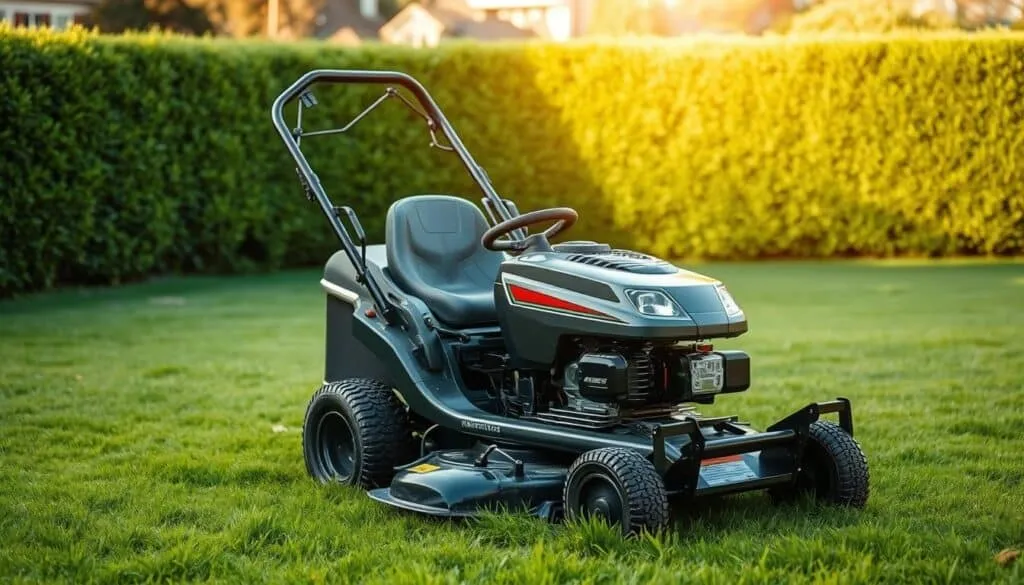
Have you ever wondered if the years on your calendar are the best way to measure the life of your lawn equipment? I decided to dig deep into this question. My research uncovered a more accurate method for predicting when your machine might need replacement.
I found that the true lifespan of this vital piece of lawn care equipment is measured in operating hours, not simply years of ownership. This makes perfect sense when you think about it. Usage varies so much from one property to another. A large property requires more mowing time than a small one.
Through my investigation, I learned that build quality and brand reputation play huge roles. A well-maintained residential lawn mower from a top brand can deliver over a thousand hours of reliable service. Commercial-grade mowers are built even tougher for longer endurance.
Understanding this hourly metric is powerful. It helps you make smarter decisions about maintenance and when to consider a new investment. This knowledge can save you both time and money in the long run.
Key Takeaways
- Mower longevity is best measured in hours of use, not calendar years.
- Superior build quality in premium brands significantly extends equipment life.
- There is a major difference in expected hours between residential and commercial mowers.
- Annual usage for most homeowners is lower than often assumed.
- Knowing your mower’s potential lifespan aids in planning for repairs or replacement.
- Proper maintenance is the key to reaching the maximum hours from your machine.
Introduction and My Personal Experience
My journey into understanding lawn mower longevity began with a simple observation about how differently people use their equipment. I noticed neighbors replacing their machines at various intervals, which sparked my curiosity about what really determines a mower’s useful lifespan.
The Purpose Behind My Research
I started this investigation after finding conflicting information online about equipment durability. The wide range of opinions motivated me to compile reliable data from multiple industry sources. This became particularly important for my own garden maintenance planning.
Through personal experience maintaining my equipment over the years, I learned that proper care dramatically affects performance. Most homeowners don’t track their operating time, making it difficult to know when equipment approaches its end.
Overview of Riding Mower Lifespans
My research revealed significant variation between residential and commercial mowers. Well-maintained residential lawn mowers typically deliver 1,000 to 1,500 hours of service. This translates to very different time periods based on usage patterns.
For example, using your machine one hour weekly during the growing season could yield 15-20 years of service. However, mowing several acres every weekend might reduce this to 8-10 years. This demonstrates why hours provide better measurement than calendar years.
Understanding these realistic expectations helps homeowners budget for equipment replacement. It also guides smarter maintenance decisions throughout the ownership period.
Factors Affecting Riding Mower Lifespan
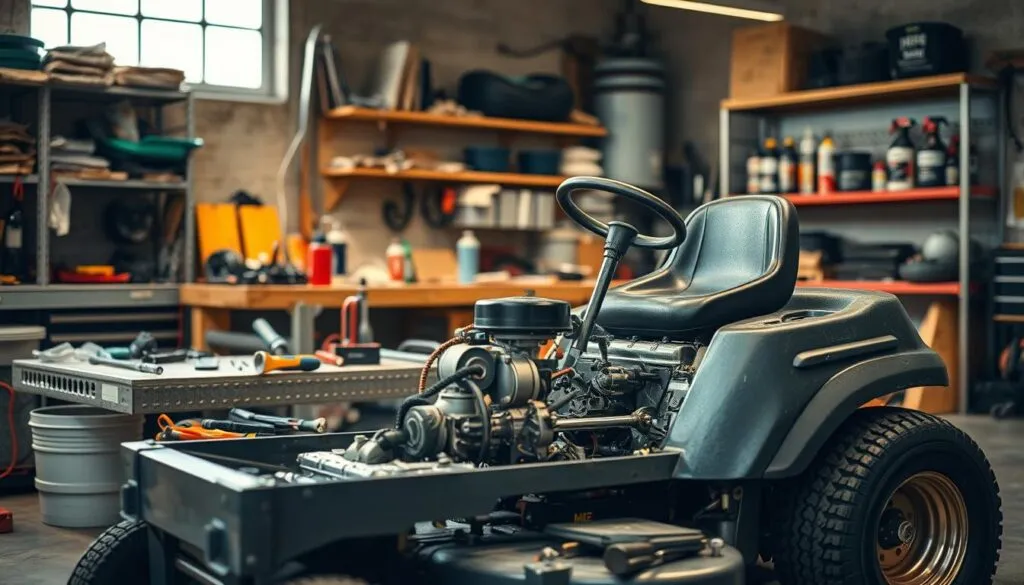
Beyond simple usage, I uncovered specific conditions that dramatically influence a mower’s operational longevity. Several key factors work together to determine the total hours you can expect from your machine.
Usage Frequency and Operating Hours
The most obvious factor is usage. My research confirmed that frequent operation on a large lawn adds wear quickly. The type of terrain also matters greatly.
Mowing rough, hilly land strains the engine and transmission more than a flat yard. This accelerates component deterioration.
| Usage Factor | Low Impact Scenario | High Impact Scenario |
|---|---|---|
| Annual Hours | 20-40 (Small, flat lawn) | 100+ (Large, complex property) |
| Terrain Type | Level, clear grass | Uneven, debris-filled area |
| Seasonal Consistency | Regular weekly use | Long periods of inactivity |
Maintenance, Repairs, and Part Replacements
Proactive maintenance is the most powerful tool for extending your mower’s lifespan. Regular oil changes and air filter replacements prevent internal engine wear.
Sharpening blades reduces strain on the machine. Addressing small repairs promptly stops them from becoming major, costly failures.
Environmental Conditions and Storage Practices
Where you keep your equipment is critical. Storing a lawn mower in a dry garage protects it from rain and sun. These elements cause rust and degrade rubber parts.
Consistent use during the mowing season is better than letting it sit for months. This prevents fuel system issues and seal deterioration.
Evaluating Maintenance and Service Strategies
Through trial and error, I’ve established a comprehensive care routine that significantly extends my mower’s operational life. This systematic approach to equipment maintenance has proven essential for maximizing performance.
Routine Care Techniques I Follow
Regular oil changes form the foundation of my maintenance strategy. I consider this the single most important task for preventing engine damage. Clean oil ensures proper lubrication and reduces internal wear.
Filter maintenance receives equal attention in my routine. I replace the oil filter, fuel filter, and air filter during every oil change. This simple rule keeps the engine breathing clean air and running efficiently.
Blade care is another critical component of my regimen. I sharpen blades three times during the growing season. Sharp blades cut grass cleanly while reducing strain on the engine.
| Maintenance Task | Recommended Frequency | Key Benefit |
|---|---|---|
| Oil Change | Every 50 hours | Prevents engine wear |
| Blade Sharpening | 3 times per season | Reduces engine strain |
| Spark Plug Replacement | Every 100 hours | Maintains ignition efficiency |
| Filter Replacement | With each oil change | Ensures clean air/fuel flow |
When to Opt for Professional Repairs
I handle basic maintenance tasks myself to save time and money. Simple repairs like belt replacement and spark plug changes are within my skill level.
For complex issues involving engine or hydraulic systems, I consult certified technicians. Their expertise prevents small problems from becoming major repair bills. Establishing a relationship with a reliable service provider offers peace of mind.
how many hours does a riding mower last
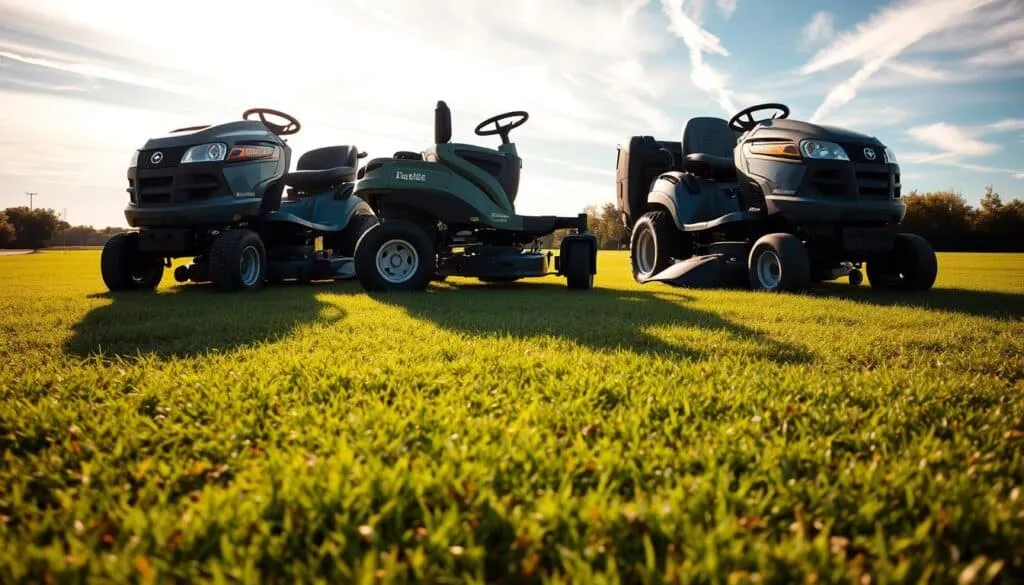
Comparing different mower applications helped me understand why lifespan expectations vary so widely. The distinction between residential and commercial equipment became particularly clear during my research.
Residential Versus Commercial Usage Insights
My findings show residential models typically provide 500 to 1,500 hours of service. Premium brands like John Deere often reach the upper end of this range. Commercial equipment lasts much longer, with 1,000 to 3,500 hours being common.
Homeowners typically use their equipment 20-120 hours annually. Commercial operators put 350-950 hours on their machines each year. This usage difference explains the durability gap between the two categories.
Impact of Terrain and Operator Practices
Terrain quality significantly affects how long mowers last. Flat, well-maintained lawns allow equipment to reach its full potential. Rough properties with obstacles accelerate wear dramatically.
Operator habits also influence performance and longevity. Careful users who avoid impacts and follow guidelines get substantially more service time from their machines.
| Specification | Residential Mower | Commercial Mower |
|---|---|---|
| Average Lifespan | 500-1,500 hours | 1,000-3,500 hours |
| Annual Usage | 20-120 hours | 350-950 hours |
| Key Difference | Lighter components | Heavy-duty construction |
Buyer’s Guide: Choosing a Long-Lasting Riding Mower
My research into long-lasting lawn equipment revealed that smart purchasing decisions are just as important as proper maintenance. Choosing the right machine from the start sets the foundation for years of reliable service.
Identifying Quality Brands and Models
Through my investigation, I found several manufacturers consistently producing durable equipment. John Deere, Kubota, Bad Boy, Altoz, and Husqvarna stood out for their superior construction.
Premium models from these brands feature reinforced decks and heavy-duty engines. This quality directly translates to extended operational lifespan compared to budget alternatives.
When evaluating options, examine warranty coverage and parts availability. These factors indicate the manufacturer’s confidence in their product and your long-term support.
Mower Maintenance Tips for Extended Lifespan
Proper care begins with routine cleaning after each use. Removing grass from the deck and undercarriage prevents rust and corrosion.
Blade maintenance is crucial for reducing engine strain. Quality blades from reputable manufacturers can last up to 400 hours with proper care.
Don’t overlook tire pressure and transmission care. These simple checks prevent uneven cutting and costly repairs to critical parts.
Storage practices significantly impact equipment longevity. Keeping your machine covered and protected ensures it’s ready for peak performance season after season.
Conclusion
My investigation into lawn care equipment longevity has revealed critical insights for homeowners. The true measure of a mower’s service life depends on operating hours rather than calendar years. This understanding transforms how we approach equipment care and replacement planning.
Recognizing end-of-life signs is essential for smart decision-making. Difficulty starting, unusual noises, and declining cutting performance indicate worn deck parts and internal wear. Minor repairs like belts and spark plugs make sense, but major engine issues on high-hour equipment often signal replacement time.
Proper maintenance throughout each year dramatically extends equipment performance. Regular care ensures your machine reaches its maximum potential lifespan. This proactive approach saves money and ensures reliable lawn service season after season.
Understanding these principles empowers homeowners to make informed choices about their garden equipment investment.
FAQ
What is the typical lifespan for a residential riding mower?
In my experience, a well-maintained residential riding mower can last between 1,000 and 1,500 hours. This translates to roughly 10 to 15 years for the average homeowner. Brands like John Deere and Husqvarna are often built to reach the upper end of that range with proper care.
How does commercial use impact a mower’s life?
Commercial lawn mowers face much heavier usage, which significantly shortens their lifespan. I’ve found that commercial equipment often lasts 500 to 800 hours. These machines require more frequent service, oil changes, and part replacements like blades and belts to maintain performance.
What are the most critical maintenance tasks I should perform?
Based on my research, the most vital tasks are changing the engine oil and replacing the air filter every season. I also make it a point to sharpen the mower blades regularly and keep the deck clean. This routine care prevents major repairs and extends the machine’s life.
What signs indicate my riding mower is nearing the end of its life?
I look for signs like excessive smoke from the engine, loss of power, and frequent, costly repairs. If the machine struggles to cut grass evenly or has persistent deck issues, it may be a sign of significant wear. At this point, investing in a new tractor might be more economical.
Does the type of terrain affect how long a mower lasts?
Absolutely. Mowing on hilly or rough terrain puts more strain on the engine and transmission. This type of usage can lead to faster wear on parts. I recommend choosing a mower designed for your specific garden landscape to ensure better longevity.
When should I seek professional service instead of DIY repairs?
I handle basic maintenance myself, but for complex engine problems, transmission issues, or electrical faults, I always take my equipment to certified technicians. Attempting major repairs without proper knowledge can lead to more damage and higher costs.