
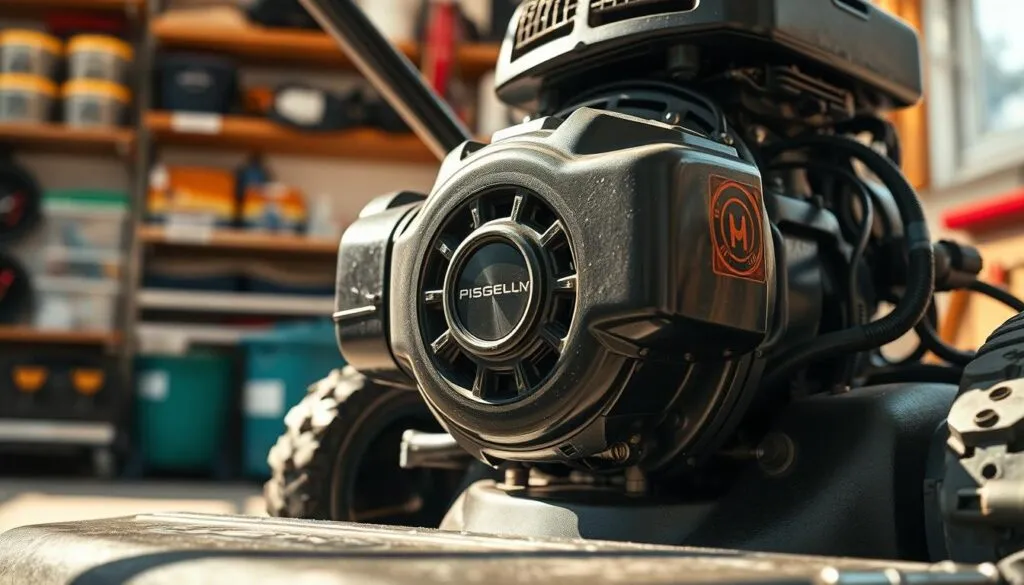
Are you wondering if your lawn mower is getting the right amount of oil to run smoothly?
Maintaining the correct oil level is crucial for the performance and longevity of your mower’s engine. Too little or too much oil can cause significant damage.
We’ll explore the importance of proper maintenance and guide you on determining the correct oil capacity for your push mower.
Key Takeaways
- Understand the importance of maintaining the correct oil level in your lawn mower.
- Learn how to determine the oil capacity for your specific push mower model.
- Discover the consequences of having too little or too much oil in your mower’s engine.
- Explore the different types of engines used in push mowers and their oil requirements.
- Get tips on proper oil checking techniques and maintenance schedules.
Understanding Push Mower Engines and Oil Requirements
The performance and longevity of your lawn mower depend significantly on its engine type and oil requirements. Most push mowers are equipped with either 2-stroke or 4-stroke engines, each having different needs when it comes to oil.
Let’s delve into the specifics of these engine types. A 2-stroke engine mixes oil with gasoline, typically at a 50:1 ratio, whereas a 4-stroke engine has a separate oil reservoir. Understanding these fundamental differences is crucial for proper oil management and preventing potential damage to your mower.
The size of the engine, measured in cubic centimeters (cc), is another key factor in determining oil requirements. Most residential push mowers feature engines ranging from 100cc to 200cc. The oil capacity corresponds to these engine sizes, and it’s essential to follow the manufacturer’s specifications.
Different types of engines affect not just how much oil is needed, but also how it’s delivered to the engine components and how frequently it needs to be changed. Manufacturers design their engines with specific oil requirements in mind, and following these is vital for warranty protection and engine longevity.
By understanding your lawn mower’s engine and its oil needs, you can ensure it runs smoothly and efficiently. Regular maintenance, including proper oil levels, will extend the life of your mower and keep your lawn looking its best.
How Much Oil Does Push Mower Hold
The oil capacity of a push mower is a critical factor that determines its performance and durability. Understanding how much oil your mower requires is essential for maintaining its engine and ensuring it runs smoothly.
Push mowers come in various sizes, and their oil capacity varies accordingly. Generally, there are three main categories of push mowers based on their engine size: small, medium, and heavy-duty.
Small Push Mowers: These typically have engines ranging from 100cc to 140cc and usually hold between 16 to 20 ounces (0.5 quart) of oil. They are the most common type found in residential settings.
Medium-Sized Mowers: Featuring engines between 140cc and 190cc, these mowers generally require 20 to 24 ounces (0.6 quart) of oil for proper lubrication and operation.
Heavy-Duty Push Mowers: With engines exceeding 190cc, these mowers need substantially more oil, usually between 24 to 48 ounces (0.75-1.5 quarts), to maintain proper lubrication for their larger components.
To give you a clearer understanding, here’s a summary of the oil capacity for different push mower sizes:
| Mower Size | Engine Size (cc) | Oil Capacity (oz) | Oil Capacity (quarts) |
|---|---|---|---|
| Small | 100-140 | 16-20 | 0.5 |
| Medium | 140-190 | 20-24 | 0.6 |
| Heavy-Duty | Above 190 | 24-48 | 0.75-1.5 |
As “The Lawn Care Professional’s Handbook” states, “Regular oil checks and maintenance are crucial for extending the life of your lawn mower.” It’s essential to consult your mower’s manufacturer specifications to determine the exact oil capacity, as even mowers with similar engine sizes may have different requirements.
Understanding your specific mower’s oil capacity is vital for preventing both under-filling and overfilling, both of which can lead to serious engine damage. By knowing how much oil your push mower holds, you can ensure it remains in good condition and continues to perform well.
How to Check Your Push Mower’s Oil Level

Checking the oil level in your push mower is a simple process that can help extend its lifespan. Regularly checking your push mower’s oil level is a crucial maintenance task that helps prevent engine damage and ensures optimal performance.
To check the oil level, follow these steps:
- Turn off the mower and let it cool on a flat surface.
- Locate and remove the dipstick, wiping it clean.
- Reinsert the dipstick fully, then remove it to check the level.
- The oil level should be between the “full” and “add” marks on the dipstick.
- If necessary, add oil slowly to avoid overfilling.
It’s essential to position your lawn mower on a level surface to get an accurate oil level reading. An inclined position can give misleading results. We recommend checking your push mower’s oil level before each use, especially during periods of heavy use or when operating in particularly dusty or demanding conditions.
“Regular maintenance is key to extending the life of your lawn mower.”
Understanding how to interpret the markings on your dipstick is crucial. Most dipsticks show a range between “full” and “add” (or similar indicators), and your oil level should fall within this range.
If your oil level is low, it’s crucial to add oil gradually, allowing time between additions to get an accurate reading and prevent overfilling. By following these simple steps, you can ensure your push mower operates efficiently and effectively.
When and How to Change Your Mower’s Oil
Understanding when and how to change your mower’s oil can significantly impact its performance and lifespan. Regular oil changes are essential for maintaining your push mower’s engine health.
For new mowers, we recommend changing the oil after the first five hours of operation. This initial change helps remove any metal particles or debris that may have accumulated during the break-in period.
After the initial change, most manufacturers suggest changing your mower’s oil every 25 hours of operation or once per mowing season, whichever comes first. This ensures that your mower’s engine remains well-lubricated and runs smoothly throughout its operational life.
The Oil Change Process
The oil change process involves several key steps: preparing the mower, safely draining the old oil, properly disposing of used oil, and refilling with the correct type and amount of fresh oil.
To prepare your mower, ensure it is on a level surface and the engine is cool. Then, locate the oil drain plug and remove it to drain the old oil into a suitable container.
It’s crucial to dispose of used oil in an environmentally responsible manner. Never pour used oil down drains or on the ground, as it is highly polluting and often illegal. Instead, take it to a recycling center or an auto parts store that accepts used oil for proper recycling.
The tools needed for an oil change are simple: an oil drain container, funnel, rags, and the correct replacement oil for your specific mower model. Changing your oil at the end of the mowing season before winter storage helps prevent corrosion and ensures your mower is ready for use when spring arrives.
By following these guidelines and maintaining a regular oil change schedule, you can help extend the life of your push mower and keep it running efficiently.
Choosing the Right Oil for Your Push Mower
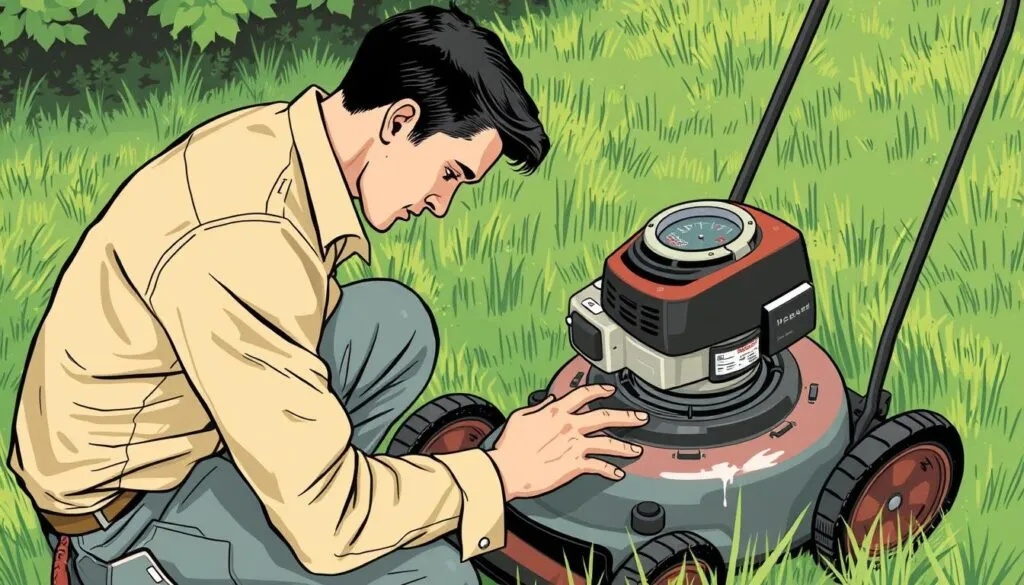
The type of oil you use in your push mower can significantly impact its efficiency and lifespan. Most push mowers use SAE 30 or 10W-30 oil. SAE 30 is ideal for warmer temperatures, while 10W-30 works well in varying temperatures but may increase oil consumption.
When it comes to selecting the appropriate oil for your push mower, several factors come into play. The most common oil types for push mowers include SAE 30, 10W-30, and synthetic 5W-30. Synthetic SAE 5W-30 provides the best protection at all temperatures.
Temperature considerations play a significant role in oil selection. Using the wrong viscosity for your climate can lead to starting difficulties, increased oil consumption, or inadequate engine protection. Synthetic oils offer superior performance benefits, including better flow in cold temperatures and improved protection at high temperatures.
Most manufacturers specify using high-quality detergent oil classified as “For Service SF, SG, SH, SJ” or higher. It’s also important to follow the guidelines provided in your mower’s owner manual, as these recommendations have been tested and proven effective for your particular engine model.
Using the correct oil type is just as important as maintaining the proper oil level. Both factors work together to ensure your engine receives adequate lubrication. Seasonal changes may necessitate switching oil types to maintain optimal engine protection throughout the year.
The Consequences of Incorrect Oil Levels
Incorrect oil levels can have severe consequences on your push mower’s engine and overall functionality. Both overfilling and underfilling your push mower with oil can lead to serious issues that affect its performance, reliability, and lifespan.
When you add too much oil to your mower’s engine, it can create excess pressure that forces oil past seals and gaskets, leading to leaks, smoke, and potential environmental contamination. Overfilled engines often experience oil foaming, which reduces lubrication effectiveness and can cause overheating, spark plug fouling, and rough running conditions.
On the other hand, insufficient oil levels present a significant danger as inadequate lubrication creates excessive friction between moving engine parts, generating heat and accelerating wear. Running a mower with too little oil can quickly lead to catastrophic engine failure, with symptoms progressing from unusual noises to complete seizure, often requiring full engine replacement.
The financial impact of oil-related engine damage can be substantial, with repair costs frequently approaching or exceeding the price of a new mower, especially for higher-end models. Regular oil level checks and proper maintenance are simple yet valuable tasks that can prevent most oil-related engine failures.
Understanding the warning signs of improper oil levels, such as smoke, rough running, unusual noises, or oil leaks, allows you to address issues before major damage occurs. By maintaining the correct oil level, you can ensure your push mower operates efficiently and effectively throughout its lifespan.
- Both overfilling and underfilling can lead to serious consequences affecting performance and reliability.
- Excess oil can cause leaks, smoke, and environmental contamination.
- Insufficient oil can lead to catastrophic engine failure due to excessive friction and heat.
- Regular maintenance can prevent most oil-related issues.
Seasonal Maintenance Tips for Push Mowers

To keep your push mower running smoothly throughout the year, seasonal maintenance is key. Regular upkeep not only ensures your mower is always ready to use but also extends its lifespan and maintains its performance.
Before each use during the mowing season, we recommend checking your oil level to ensure proper engine lubrication and prevent potential damage from running with insufficient oil. This simple step can significantly impact the longevity of your mower.
As the mowing season comes to an end, it’s crucial to perform end-of-season maintenance. This includes thoroughly cleaning the mower to remove grass clippings and debris, which can hold moisture and cause corrosion if left in contact with metal parts.
Proper storage preparation is also vital. This involves either draining the fuel completely or adding a quality fuel stabilizer to prevent gum and varnish formation in the carburetor and fuel system. Additionally, changing the oil before storage removes acidic compounds and contaminants that could damage engine components during the off-season.
When it comes to storing your mower, the location matters. Keeping your mower in a dry, covered area protects it from moisture, dust, and temperature extremes that can accelerate deterioration. It’s also advisable to store it on a flat surface to avoid any potential for rust or damage.
At the beginning of the new mowing season, we suggest checking all fluid levels, inspecting air filters, and testing the mower before the first full use. This helps identify any issues that may have developed during storage, ensuring your mower is ready for the upcoming season.
By following these seasonal maintenance tips, you can ensure your push mower remains in optimal condition year-round, providing a well-manicured lawn with minimal hassle.
Common Oil-Related Questions for Push Mowers
Many homeowners have questions about the type of oil to use in their push mowers and how often it should be changed. Understanding the role of oil in maintaining your mower’s performance and longevity is crucial.
One of the most debated topics is whether to use synthetic oil or conventional oil. Synthetic oils like 5W30 offer superior protection across various temperatures, though they are more expensive. The choice between synthetic and conventional oil depends on your specific needs and budget.
Another common question revolves around the frequency of oil changes. The general recommendation is to change the oil every 25 hours of operation or at least once per season for typical residential use. However, this can vary based on usage patterns and the manufacturer’s recommendations.
Understanding the difference between oil grades such as SAE 30 and 10W-30 is also important. The numbers refer to viscosity ratings, with multi-viscosity oils like 10W-30 providing better protection across varying temperatures.
Warning Signs of Oil-Related Problems
It’s essential to be aware of the warning signs of oil-related problems, which include:
- Blue or white smoke from the exhaust
- Rough running or unusual engine noises
- Oil leaks
- Difficulty starting the engine
Checking the oil level regularly is a simple yet effective way to maintain your mower. It’s recommended to check the oil when the engine is cool for safety and accuracy.
Oil Types and Compatibility
Many users wonder if they can use automotive oil in their push mowers. While some automotive oils meet the necessary specifications, it’s crucial to verify that they meet the API service classifications recommended by your mower manufacturer.
| Oil Type | Viscosity | Recommended Use |
|---|---|---|
| SAE 30 | Single viscosity | Warm weather |
| 10W-30 | Multi-viscosity | Various temperatures |
| 5W30 Synthetic | Multi-viscosity | Extreme temperatures |
Finally, proper disposal of used oil is crucial for environmental protection. We emphasize the importance of recycling used oil through appropriate channels.
Conclusion
With the insights gained from our discussion on push mower oil, you’re now better equipped to keep your lawn mower running smoothly. Proper oil maintenance is not just a routine task; it’s a critical aspect of ensuring your push mower’s longevity and performance. Always refer to your owner’s manual for specific guidance on oil capacity and type.
By following the guidelines outlined in this article, you’ll be able to maintain the optimal oil level, choose the right oil type for your mower’s needs, and perform regular checks to prevent engine damage. Remember, regular maintenance is key to a healthy lawn mower. This includes checking oil levels before each use and changing the oil as recommended, typically every 25 hours of operation or at the start and end of each mowing season.
By taking these simple steps, you’ll not only extend the life of your push mower but also ensure it continues to deliver a clean cut and reliable performance. Proper care and maintenance of your lawn equipment are investments in your lawn’s health and appearance.
FAQ
What type of oil should I use in my push mower?
We recommend using SAE 10W-30 or SAE 10W-40 oil, as specified in your mower’s manual. These viscosities are suitable for most temperatures and provide optimal engine performance.
How often should I check my push mower’s oil level?
We suggest checking your mower’s oil level before each use or at least once a season. This ensures the engine is properly lubricated and helps prevent damage.
What happens if I overfill or underfill my push mower’s engine with oil?
Overfilling can cause the engine to leak oil, while underfilling can lead to increased wear and tear on the engine. We recommend checking your manual for the recommended oil capacity to avoid these issues.
Can I use synthetic oil in my push mower?
Yes, you can use synthetic oil in your push mower, but it’s essential to check your manual first. Some manufacturers recommend conventional oil, while others allow synthetic oil.
How do I change the oil in my push mower?
To change the oil, first, locate the drain plug and remove it. Allow the oil to drain into a pan, then replace the plug and fill with new oil. Be sure to dispose of the used oil responsibly.
What are the consequences of not changing my push mower’s oil regularly?
Failing to change the oil regularly can lead to engine damage, reduced performance, and a shorter lifespan for your mower. We recommend changing the oil every 50 hours of use or as specified in your manual.