
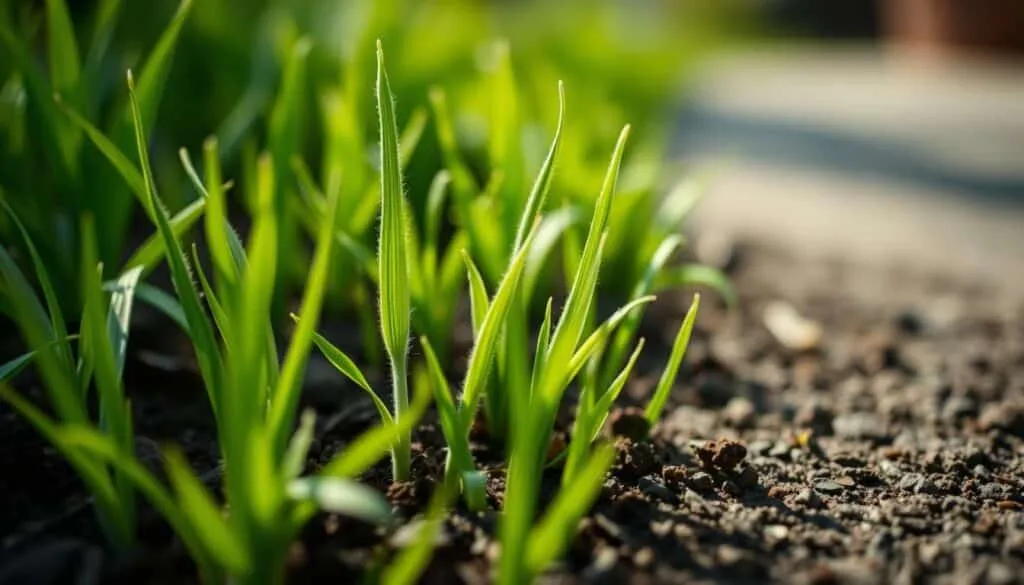
Have you ever wondered if the secret to a thicker, healthier lawn lies not just in planting new seeds, but in the precise moment you first run the mower over them? This single decision holds immense power over your lawn’s future.
Homeowners face a delicate balancing act following an overseeding project. Cutting the grass too early risks uprooting fragile, young seedlings before they establish strong roots. Yet, waiting excessively long allows the entire turf to become overgrown and unruly. This defeats the core purpose of the overseeding effort.
The ideal timing for that first trim depends on several key factors. Grass type, local weather conditions, and visible signs of maturity all play a critical role. This guide will walk you through each element.
Mastering proper mowing techniques is essential for protecting your investment. Patience and careful observation are your greatest tools. Achieving that lush, dense lawn you envision requires a thoughtful approach to maintenance.
Key Takeaways
- Mowing too soon can easily damage or destroy delicate new grass seedlings.
- Waiting too long to mow results in an overgrown lawn that harms the existing turf.
- The right timing depends on grass type, weather, and visible growth.
- Proper mowing height and technique are crucial after overseeding.
- Patience and observation are key to a successful lawn renovation.
Getting Started with Overseeding and Mowing
Many homeowners overlook the critical connection between their overseeding efforts and subsequent mowing schedule. These two practices form an inseparable partnership in effective lawn care. Proper coordination ensures your investment in new grass yields maximum results.
Before spreading any seed, I always assess my current turf condition. Understanding the yard’s specific needs helps me plan the entire process. This initial evaluation prevents common mistakes that could compromise the overseeding lawn project.
The timing between planting and that first cut proves absolutely crucial. New grass seedlings need protection while establishing roots. Rushing this process risks damaging tender growth before it strengthens.
Successful lawn renovation requires temporarily adjusting regular mowing routines. This accommodation period allows vulnerable new grass to mature properly. Patience during this phase pays dividends in long-term turf health.
Understanding the complete overseeding process—from preparation through first mowing—helps avoid costly errors. Each step builds toward establishing a dense, resilient lawn. This foundation prepares homeowners for informed decisions about their specific yard care timing.
Understanding Overseeding for a Healthy Lawn
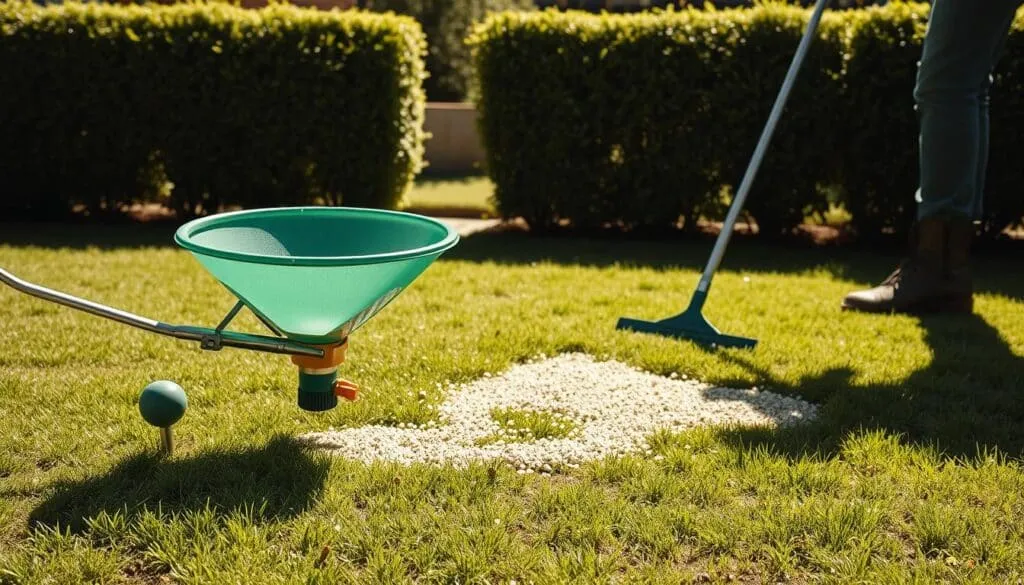
The practice of overseeding revitalizes tired turf by filling bare spots with vigorous new seedlings. This technique spreads fresh grass seed over existing lawn areas without complete renovation.
What Overseeding Entails
Overseeding means distributing grass seed across established turf to thicken the lawn. It repairs brown patches and introduces resilient grass varieties. The process enhances overall lawn health and appearance.
This method improves turf density, which naturally suppresses weeds. It creates deeper green color throughout the lawn. The technique also increases durability against foot traffic and disease.
Genetic diversity strengthens your lawn’s resilience. Newer grass varieties withstand environmental stresses better than older turf alone. This diversity contributes to long-term lawn care success.
Essential Preparation Steps
Proper preparation begins with eliminating weeds and removing thatch buildup. I mow existing grass to 1.5-2 inches before seeding. This reduces competition from established turfgrass.
Core aerating compacted soil ensures good seed-to-soil contact. Applying quality topdressing and starter fertilizer creates optimal germination conditions. These steps help new seedlings establish quickly.
Short mowing before seeding prevents shading of vulnerable new grass. Understanding these preparation steps highlights why timing matters for protecting your investment.
Key Factors to Consider: when can you mow after overseeding
The success of your lawn renovation hinges on understanding how various elements influence new grass development. Multiple factors work together to determine the ideal moment for that first cut.
Grass Seed Type and Germination Rates
Different grass varieties establish at varying speeds. Slow-growing species like Kentucky bluegrass need 10-30 days to germinate. Fast-growing ryegrass may sprout in just five days.
Understanding your specific grass seed type is essential. Some turf varieties establish roots quickly. Others require a full month before they’re strong enough for maintenance.
Weather and Soil Conditions
Environmental factors dramatically impact growth rates. Heat and drought dry out soil, slowing germination. Mild temperatures with adequate rainfall accelerate development.
Soil temperature must reach at least 50°F for seeds to sprout. Quality soil conditions promote healthy root establishment. Proper moisture levels are crucial during this critical period.
Observing Grass Height and Growth
Visual assessment provides the most reliable readiness indicator. Grass roots grow 2-3 inches deep before shoots emerge. Within two weeks, roots may reach six inches depth.
This underground growth is vital before any cutting occurs. Observing actual development patterns ensures proper timing. Each lawn situation requires individual evaluation.
Finding the Right Timing for Your First Mow
My approach to timing the first cut involves multiple indicators rather than a single calendar date. The general recommendation suggests waiting 2-4 weeks between seeding and initial cutting. Some situations may extend this period to 4-6 weeks depending on grass variety and conditions.
While some homeowners consider cutting after just 10 days, I prefer allowing at least 2-3 weeks for root establishment. This extra time significantly reduces risks to tender seedlings. The calendar provides guidance, but grass height offers the most reliable signal.
Recommended Waiting Periods
New grass should reach 3-4 inches tall before considering that initial trim. This height indicates sufficient root development beneath the surface. Different grass types may reach this milestone at varying rates.
Patience during these first weeks pays dividends in long-term lawn health. Rushing the process risks damaging the entire investment. Proper timing ensures seedlings withstand the stress of cutting.
Signs Your Grass Is Ready
I look for several clear indicators before starting the mower. Grass blades should measure 3-4 inches with uniform growth across seeded areas. A gentle tug test reveals root stability—if seedlings resist pulling, they’re anchored properly.
Vibrant green color shows effective photosynthesis and resilience. Steady growth over several consecutive days confirms the grass can recover from cutting. Combining these signs with the recommended weeks creates the ideal timing formula.
Proper Mowing Techniques After Overseeding
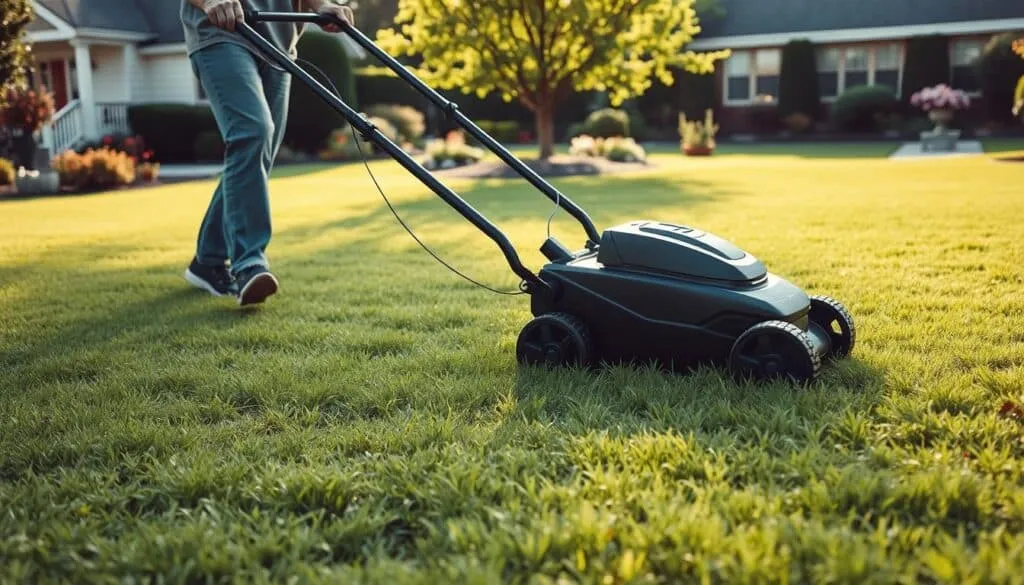
Proper cutting techniques make the difference between thriving new grass and damaged seedlings. I approach the first trim with careful preparation and specific strategies.
The initial cuts require special attention to equipment and method. Both protect your investment in new growth.
Sharpening Mower Blades and Adjusting Height
I always sharpen my mower blades before the first session. Dull blades tear rather than cut, pulling vulnerable seedlings from soil.
Setting the lawn mower deck to its highest position prevents stress on young plants. This height adjustment is crucial for the first few sessions.
Following the 1/3 Rule for Cutting
The 1/3 rule guides my mowing approach. Never remove more than one-third of the grass blade length in a single session.
Cutting too much stresses the plant and creates straw-colored tips. Multiple gradual sessions achieve the desired height safely.
| Mowing Condition | Recommended Action | Benefit |
|---|---|---|
| Wet Grass | Wait for dry conditions | Clean cuts, prevents tearing |
| Hot Weather | Mow during cooler hours | Reduces moisture loss |
| Overgrown Turf | Multiple sessions | Gradual height reduction |
| New Seedlings | Highest mower setting | Protects young plants |
I walk slowly and avoid complex patterns during the initial mow lawn sessions. Simple back-and-forth movements prevent damage to tender growth.
Post-Overseeding Lawn Maintenance and Care
Achieving a lush lawn requires diligent care following the overseeding process. Specific attention to watering, nutrition, and protection ensures your investment pays off. This maintenance phase determines whether new seedlings establish properly.
Watering and Fertilization Guidelines
I maintain consistent moisture in the top 2 inches of soil during germination. Short watering sessions twice daily for 10-14 days work best. This approach keeps seedlings hydrated without washing them away.
Established grass needs different treatment. Deep weekly watering moistens soil 6-8 inches down. This supports mature roots while new growth develops above.
| Watering Stage | Frequency | Soil Depth |
|---|---|---|
| Germination Phase | Twice daily | Top 2 inches |
| Seedling Growth | Gradual reduction | Increasing depth |
| Established Turf | Once weekly | 6-8 inches |
Fertilization timing proves critical for lawn health. I wait 4-6 weeks before applying nutrients. Early feeding causes established grass to outcompete tender seedlings.
Limiting Foot Traffic on New Seedlings
I restrict access to overseeded areas for about one month. Foot traffic can uproot fragile new grass. This protection prevents bare spots from forming.
Weed control requires similar patience. Chemical treatments should wait 2-3 months. New grass needs time to strengthen before facing herbicides.
Monitoring color and growth indicates overall turf health. Proper care ensures both new and established grass receive adequate nutrients. This balanced approach creates uniform, resilient lawn areas.
Troubleshooting: What Happens If You Mow Too Soon?
The consequences of cutting new grass too early extend far beyond temporary cosmetic issues. Premature trimming threatens the entire lawn renovation investment.
Potential Damage to Tender New Grass
Cutting too short damages both foliage and developing roots. Young seedlings need ample leaf surface for photosynthesis. This process fuels essential root growth.
Mechanical harm poses serious risks. Heavy equipment compacts soil, blocking sprout emergence. Shallow roots easily uproot under mower pressure.
Foot traffic alone crushes fragile stems. Torn leaves result from improper cutting techniques. These injuries stunt overall turf development.
Common Pitfalls and How to Avoid Them
Impatience with shaggy appearance leads many to mow overseeding projects prematurely. Underestimating seedling fragility causes avoidable damage.
I conduct a gentle tug test before any cutting. If seedlings resist pulling, roots have properly anchored. Uniform 3-4 inch height across all areas indicates readiness.
Accepting temporary overgrowth protects long-term lawn health. A few extra days of waiting ensures months of beautiful growth. This patience pays dividends in turf resilience.
Conclusion
Successful lawn renovation hinges on balancing the needs of tender new growth with established turf maintenance. Proper timing for that first cut protects your investment in fresh seedlings while maintaining overall health.
Multiple factors influence the ideal moment for mowing. Grass type, weather conditions, and visible growth to 3-4 inches all signal readiness. Sharp blades and proper care techniques safeguard developing new grass.
Patience throughout the overseeding process yields significant rewards. A few extra weeks of waiting creates a denser, more resilient lawn. This approach transforms routine maintenance into strategic improvement.
Your specific grass and conditions may require adjustments to general guidelines. Observant care ensures optimal results for your unique lawn situation. The effort invested in proper timing pays dividends in long-term turf vitality.
FAQ
What is the main reason for waiting to mow after overseeding?
I wait to protect the new seedlings. Their young roots are incredibly fragile. Mowing too early can easily pull these tender plants right out of the soil or damage their delicate structure, which threatens the entire overseeding project.
How does the type of grass seed affect when I can mow?
The seed type directly impacts the waiting period because germination rates vary. For example, perennial ryegrass sprouts quickly, often in under a week, while Kentucky bluegrass can take three weeks. I always check the seed bag label to know the expected timeline for my specific turf.
What is the most reliable sign that my lawn is ready for its first cut?
I look for grass height. The most dependable indicator is when the new blades have grown taller than the recommended mowing height for my specific turf type, typically around 3 to 4 inches. This ensures the root system is established enough to handle the stress.
Why is sharpening my mower blades so important for this first mow?
Dull blades tear the grass instead of cutting it cleanly. This creates ragged, brown tips that stress the plant and make it more susceptible to disease. A sharp, clean cut from a blade like those on a Honda mower helps the new grass heal faster and maintain its health.
What is the "1/3 Rule" I should follow when mowing?
This is a critical rule I never break, especially with new turf. It means I never remove more than one-third of the grass blade’s height in a single mowing session. Cutting too much at once shocks the plant, reduces its ability to photosynthesize, and can weaken the root system.
What should I do if I accidentally mow the lawn too soon after overseeding?
If this happens, my immediate focus is on damage control. I stop mowing and prioritize consistent, gentle watering to help any surviving seedlings recover. I’ll also avoid any foot traffic and may consider applying a starter fertilizer to provide essential nutrients for recovery.