
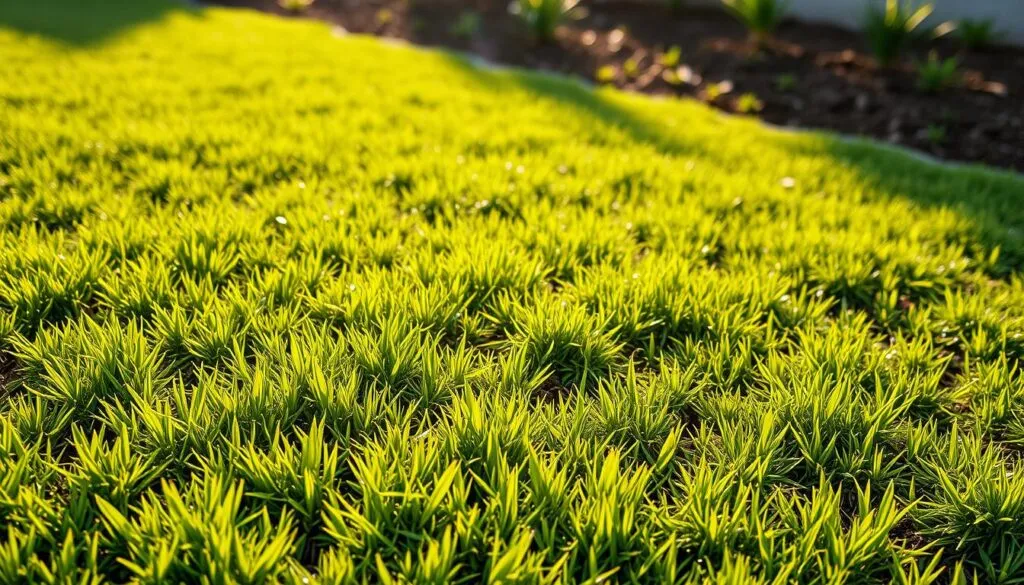
That final roll of fresh sod is down. Your yard is transformed from bare earth into a vibrant green carpet. Now, a critical question arises for every homeowner eager to protect their investment.
Getting the timing right for that first cut is not just about aesthetics. It is the foundation of long-term lawn health. Rushing this step can undo all the hard work of installation.
In this guide, I will walk you through the science of root establishment. We will cover preparation, precise timing, and the best mowing techniques. Understanding these factors gives you complete control over your lawn’s future.
Patience is the true secret to success. While the wait might test your enthusiasm, the reward is a thick, durable grass surface. Your yard will thrive for years to come.
Key Takeaways
- Proper timing for the first mow is critical for new sod to establish strong roots.
- Rushing to cut the grass too early can cause significant damage and hinder growth.
- The waiting period depends on installation conditions, weather, and grass type.
- Successful lawn maintenance starts with a careful, patient approach after installation.
- Following expert guidance ensures your yard develops into a lush, healthy landscape.
Understanding New Sod and Its Growth Process
The moment your fresh sod is installed, a hidden but vital process begins beneath the surface. The grass immediately starts working to send roots down into the soil. This connection to the ground is the true measure of a successful lawn.
Importance of Allowing Roots to Establish
Allowing adequate time for roots to establish roots is non-negotiable. Disturbing the grass before the root system anchors properly can set back your care efforts by weeks.
Shallow roots begin forming within the first two weeks after installation. A truly strong network, however, requires about six weeks to fully develop. The roots must penetrate deeply enough to support weight without tearing the sod.
How Installation and Weather Affect Timing
Several factors influence this time establish period. The quality of soil preparation and the installation technique itself are crucial. Proper watering during this phase encourages root growth deeper into the earth.
Weather plays a significant role. Temperature, rainfall, and sunlight all affect the pace. Optimal spring conditions often accelerate the process. Cooler weather may slow root development.
Rushing the first cut before this establishment is complete can cause significant stress. It may lead to height inconsistencies and compromise the grass’s resistance to disease. Patience here protects your investment and your yard’s long-term health.
Preparation: Mower Maintenance and Sod Care
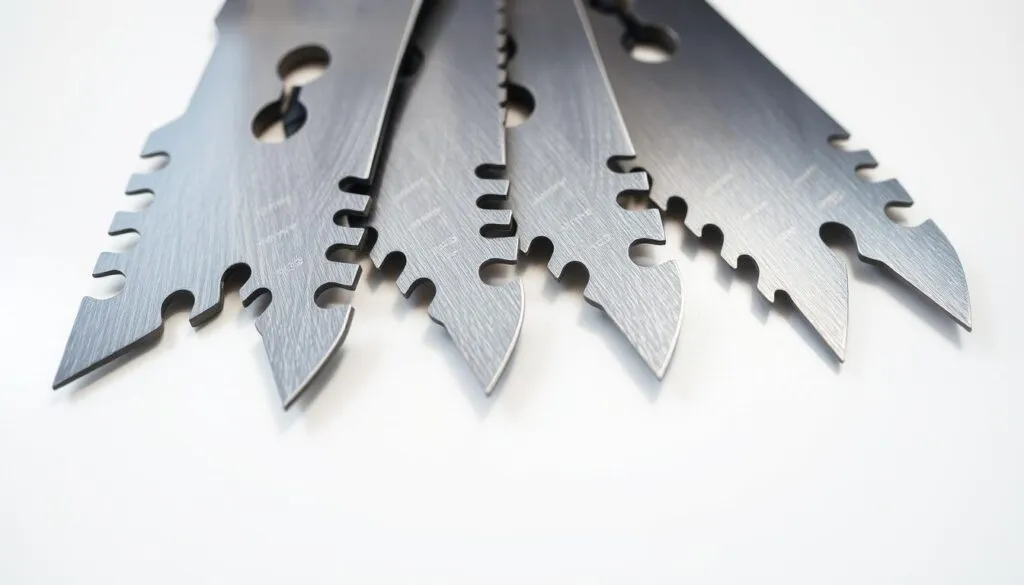
Before that first mowing session, two critical preparation steps will determine your success. Equipment condition and moisture management work together to protect your investment. Proper preparation prevents damage that could undo weeks of careful work.
Ensuring Sharp Mower Blades for a Clean Cut
Sharp mower blades are non-negotiable for cutting tender grass. Dull blades tear and rip rather than making clean cuts. This damage creates open wounds that invite disease and give your lawn a whitish, unhealthy appearance.
I recommend checking your mower blades before the first cut. If you’re not comfortable sharpening them yourself, most repair shops offer this service. Make sure your equipment is in top condition to avoid unnecessary stress on the grass.
Adjusting Watering and Pre-Mowing Practices
Water management before cutting is equally important. Stop watering your new sod at least one day before you plan to cut. This allows the soil and grass to firm up sufficiently.
During installation, frequent watering encourages roots to establish, making the ground soft. Without this drying period, mower wheels can sink and create ruts. These depressions add stress and may damage the developing root system.
Balancing hydration needs with firmness for mowing protects your sod investment. Proper care now sets the foundation for a healthy lawn that tolerates regular maintenance. Your attention to these details ensures optimal height management without compromising establishment.
how soon should you mow new sod: Timing and Testing
Establishing when your grass is prepared for its debut trim involves more than just counting days on a calendar. The right time depends on visible signs of establishment beneath the surface.
The Tug Test to Check Root Establishment
I rely on a simple field test to determine if sod is ready. Gently pull upward on a corner of your turf. If the section lifts easily from the ground, roots need more time.
Resistance indicates successful anchoring into the soil. This method provides concrete evidence beyond calendar dates. Perform this check in multiple areas for consistent results.
Understanding the Recommended Waiting Period
Most installations require at least two weeks before considering the first time cut. This period allows shallow root development sufficient for mower traffic.
Waiting three weeks offers additional security for your investment. Weather conditions and soil quality can influence this timeline. Proper care during these initial weeks installation is crucial.
Complete root establishment takes approximately six weeks. Your patience during this time establish phase ensures long-term lawn health. Make sure to verify readiness before proceeding.
Practical Mowing Tips for a New Lawn Installation

The inaugural mowing session for a freshly laid lawn sets the stage for its future resilience. Correct practices during this phase prevent stress and promote a robust root system. Attention to detail now pays dividends for years.
Proper Mower Settings and Height Adjustments
Always set mower to the highest setting for the first mow. This keeps the grass at a protective 3 to 4-inch height. The extra length helps the turf retain nutrients.
Adhere to the vital one-third rule. Never cut more than a third of the blade height in one session. If the grass is too tall, mow high first. Then lower the blades slightly for a second cut a few days later.
Scheduling Your Mowing Routine According to Weather
Plan mowing for cooler parts of the day, like early morning or evening. This avoids heat stress. Make sure the lawn is completely dry before starting.
Never cut after rain or heavy dew. Wet conditions can cause ruts and spread disease. Stop watering at least one day prior to allow the soil to firm up.
Managing Grass Clippings and Preventing Stress
Bag clippings during the first month after installation. This prevents smothering and controls disease. Later, leaving clippings on the lawn returns valuable nutrients.
Slower-growing varieties may need cutting less often. Always check the height before deciding to cut. This ensures proper care and control.
| Scenario | Recommended Action | Key Benefit |
|---|---|---|
| First Mowing Session | Set mower to highest setting | Minimizes stress on establishing roots |
| Grass has grown too tall | Mow high, then mow again days later at a lower setting | Prevents shock by gradual height reduction |
| Planning to mow | Stop watering 1-2 days prior | Ensures firm ground for clean cuts and prevents ruts |
| Clippings (First 4 weeks) | Bag and compost | Reduces disease risk and smothering |
Conclusion
Armed with the right knowledge, your path to lawn mastery becomes clear and achievable. Understanding the proper timing—typically two to three weeks after installation—forms the foundation for a thriving new lawn.
Patience during this establishment period, combined with correct mowing techniques, gives you complete control over your landscape’s future. The simple tug test provides reliable confirmation that roots have anchored properly.
Following this guidance transforms lawn care from a daunting challenge into a manageable system. View the waiting period as an essential investment in your yard’s long-term health.
You now possess everything needed to navigate this critical phase successfully. Your beautiful, resilient grass will reward this diligent maintenance for seasons to come.
FAQ
What is the most critical factor before the first mow?
The most critical factor is root establishment. I always advise waiting until the sod has firmly rooted into the soil beneath it. A strong root system prevents the turf from tearing or shifting when you mow your new lawn for the first time.
How can I test if my new sod is ready for mowing?
I recommend performing a simple “tug test.” Gently tug on a corner of the grass. If you feel significant resistance, the roots have taken hold. If a section lifts easily, the lawn installation needs more time. This test helps prevent damage to your yard.
How do I adjust my mower for the first cut?
For the initial mowing session, I set my mower blades to the highest setting. This ensures I only remove the top third of the grass blade, which minimizes stress on the young grass. Always make sure your blades are sharp for a clean cut that promotes healthy growth.
Should I change my watering schedule on mowing day?
Yes, I adjust my watering routine. I avoid watering the day of the mow to allow the soil to firm up. Mowing on wet ground can cause ruts and compact the soil, which can harm the root system and lead to disease.
What is the best practice for handling grass clippings?
I always leave the fine clippings on the lawn after mowing sod for the first time. They act as a natural mulch, returning valuable nutrients and moisture to the soil. This practice supports the lawn’s maintenance and reduces stress on the new grass.