
Have you ever wondered if that quick trim on a dewy morning is secretly harming your yard? Many homeowners face this exact dilemma after a rain shower or heavy dew. The decision you make can have a lasting impact.
Your green space’s vitality depends heavily on the conditions during maintenance. Cutting damp turf might seem convenient, but it often leads to serious issues. These problems can compromise both the appearance and the long-term resilience of your landscape.
Understanding the best practices for lawn care is essential for protecting your investment. This guide dives into the science behind the challenges. You will learn how proper timing prevents torn blades, uneven cuts, and the spread of disease.
It also safeguards your equipment from damage and reduces safety risks. Adopting this approach ensures your outdoor area remains healthy and uniform throughout the season.
Key Takeaways
- Mowing on damp turf can tear grass blades, leading to a ragged appearance and increased stress on the lawn.
- Wet clippings clump together, blocking sunlight and creating an environment where lawn diseases can thrive.
- Operating machinery on a slick surface poses a significant safety risk for the person mowing.
- Your mower’s deck can become clogged with wet grass, which may lead to mechanical problems over time.
- An uneven cut is a common result when the weight of moisture causes grass blades to bend instead of standing upright.
- Waiting for drier conditions promotes a cleaner cut and contributes directly to the long-term health of your landscape.
Understanding Wet Grass and Its Unique Challenges
The presence of moisture on your lawn creates unique physical challenges that differentiate it from dry cutting conditions. These differences impact both cutting quality and turf health.
What Makes Wet Grass Different?
Water adds significant weight to each blade, causing them to bend over and clump together. This prevents your equipment from achieving uniform cutting patterns across the landscape.
Your turf becomes flexible and pliable when saturated. Blades fold away from cutting mechanisms instead of standing upright for clean cuts.
How Moisture Impacts Grass Structure
The cellular walls become more susceptible to tearing under damp conditions. This structural change promotes ragged edges rather than clean cuts that support healthy regrowth.
Weight distribution shifts dramatically when turf holds moisture. Blades lie flat against the soil surface where cutting mechanisms cannot reach them effectively.
| Property | Dry Conditions | Wet Conditions |
|---|---|---|
| Blade Position | Upright and uniform | Bent and clumped |
| Cutting Quality | Clean and precise | Ragged and uneven |
| Clipping Behavior | Disperses evenly | Clumps together |
| Equipment Performance | Optimal operation | Frequent clogging |
Negative Impacts of Mowing Wet Grass on Your Lawn
Operating your equipment on moisture-laden turf leads to multiple negative consequences. These effects can compromise both the immediate appearance and long-term health of your landscape.
Uneven Cuts and Brown Patches
When you trim damp turf, the blades bend under water weight. This prevents clean, uniform cutting across your property.
The result is ragged edges that turn brown as they dry. Once the turf stands upright again, uneven patches become clearly visible. You may need to trim again to correct this inconsistent appearance.
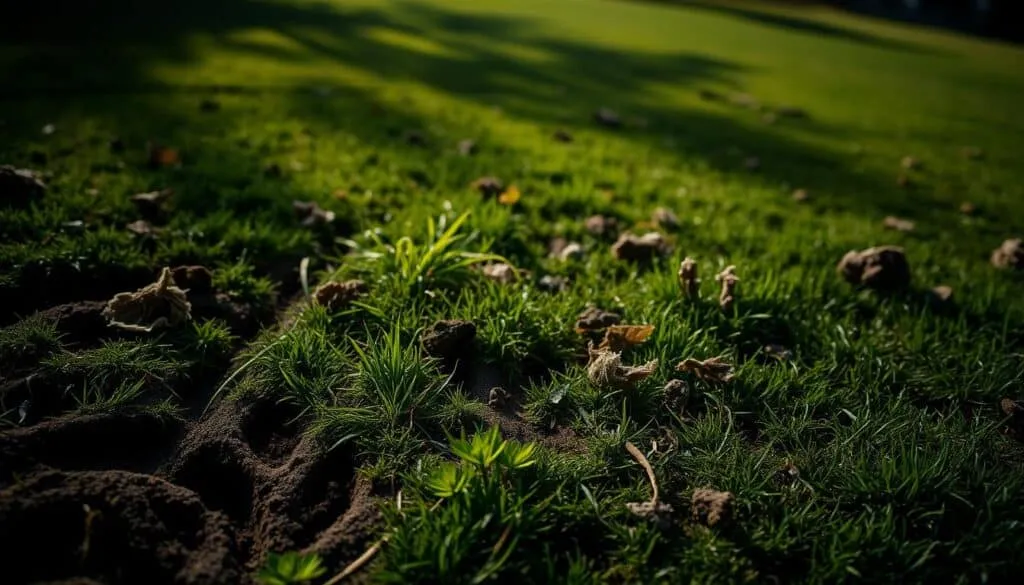
Clippings form dense clumps that block sunlight and airflow. This creates dead zones requiring reseeding efforts to restore uniformity.
Increased Risk of Lawn Diseases
Torn blade tissue provides entry points for fungal pathogens. The risk of infection rises significantly in these conditions.
Multiple diseases can establish themselves, including brown patch and leaf spot. Damp clippings stuck to equipment spread spores across healthy areas.
| Impact Type | Immediate Effect | Long-Term Consequence |
|---|---|---|
| Cutting Quality | Ragged, uneven appearance | Repeated stress on turf |
| Disease Risk | Open wounds on blades | Weakened disease resistance |
| Visual Damage | Brown tips and patches | Reduced overall vitality |
Cumulative damage from repeated improper maintenance weakens your landscape’s resilience. This makes recovery from environmental stresses more difficult.
How Wet Conditions Affect Your Mower’s Performance
Your lawn mower faces a tough battle when you decide to cut damp turf. The equipment must work against nature, leading to immediate performance hits and potential long-term damage.
Moisture creates a series of mechanical challenges that strain your machine. Understanding these issues helps you protect your investment.
Clogging and Excess Strain on the Engine
Damp clippings are sticky and heavy. They cling together inside the mower deck, forming dense clumps.
These clumps block the blade’s path and restrict vital airflow. Your mower engine labors harder to maintain rotation, often overheating or stalling.
Electric models are particularly vulnerable due to their lower torque. The added weight of soggy clippings in the bag further reduces efficiency and makes pushing difficult.
Potential for Rust and Blade Damage
Moisture left on metal parts invites corrosion. Your mower blades and deck are prime targets for rust.
This rust weakens the structural integrity of the blades and dulls their cutting edge. Water can also seep into electrical components or the fuel system, causing malfunctions.
Frequent exposure to damp conditions shortens your equipment’s lifespan. Proper cleaning after any contact with moisture is essential for prevention.
- Clogged Deck: Wet clippings jam the cutting mechanism, forcing the engine to strain.
- Engine Stress: Overcoming resistance can cause smoking or complete failure.
- Corrosion Risk: Moisture leads to rust on blades and other metal components.
Expert Advice: why not mow wet grass for Safety and Disease Prevention
Professional turf specialists consistently emphasize the dual importance of personal safety and disease prevention when maintaining your landscape. The decision to proceed under damp circumstances carries significant consequences for both you and your turf’s vitality.
Minimizing Safety Hazards on Slippery Surfaces
Slick surfaces transform your yard into a potential danger zone. Statistics reveal over 250,000 people received treatment for lawn mower-related injuries in a single year, with 80,000 annual emergency room visits.
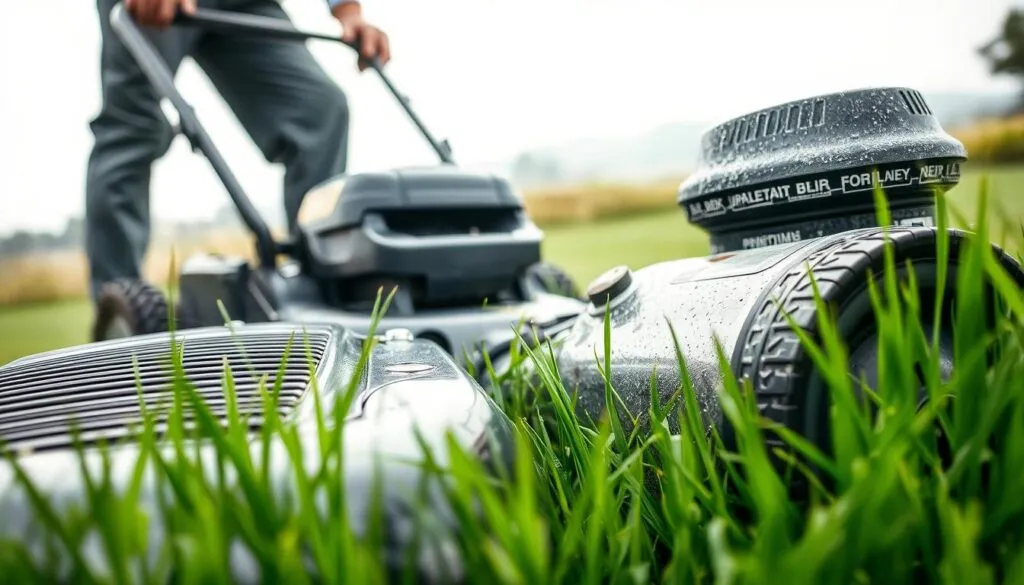
Electric models with cords present shock hazards when moisture reaches connections. Hills and slopes become particularly treacherous, increasing the likelihood of slips and falls near moving blades.
Turfgrass expert Dr. Aaron J. Patton from Purdue University advises specific timing for maintenance. “If you see active disease in the morning, wait until turf dries and mow in the afternoon,” he recommends.
This approach prevents spreading pathogens like Pythium blight across your property. Equipment can transfer spores during humid mornings, creating widespread infection.
| Risk Category | Personal Safety Impact | Lawn Health Impact |
|---|---|---|
| Slippery Surfaces | Falls and blade contact | Uneven cutting patterns |
| Electrical Hazards | Shock and burn injuries | No direct turf impact |
| Disease Transmission | Minimal personal risk | Widespread infection |
Understanding these interconnected risks helps you make informed decisions about timing. Your landscape’s long-term health depends on recognizing when conditions are truly suitable for maintenance activities.
Best Practices for Mowing in Damp Weather
When weather patterns leave you with limited maintenance windows, adapting your approach becomes essential. Following specific guidelines can help you achieve better results during challenging periods.
Expert recommendations provide a framework for minimizing potential damage. These tips focus on equipment adjustment and proper technique.
Adjusting Mower Height and Speed
Kansas State University Research and Extension recommends setting your cutting height as high as possible. This reduces the amount of vegetation removed at once.
Moving slowly allows mower blades to cut more effectively. Rushing through damp turf creates uneven finishes that require correction.
Sharpening your equipment beforehand ensures cleaner cuts. Properly honed blades reduce tearing of plant tissue during cutting wet conditions.
Proper Cleaning and Maintenance Techniques
Use side discharge instead of mulching or bagging when mowing wet. Damp clippings quickly clog mechanisms and create heavy masses.
Periodically stop to clean the deck during operation. This prevents buildup that jams moving parts and strains the engine.
| Practice | Standard Conditions | Damp Weather Approach |
|---|---|---|
| Cutting Height | Normal setting | Highest possible setting |
| Mowing Speed | Standard pace | Slow, deliberate movement |
| Clipping Management | Mulching preferred | Side discharge recommended |
| Equipment Care | Post-job cleaning | Frequent during-job cleaning |
Purdue University suggests double-cutting areas to reduce clippings accumulation. Alternatively, use the bag attachment for collected material that works well as compost.
Success in these conditions depends on accepting that special accommodations are necessary. Taking extra time for proper setup yields significantly better outcomes.
Timing Your Mowing Schedule After Rain
Timing your lawn maintenance after precipitation requires careful observation and patience. The ideal moment depends on rainfall intensity and local conditions.
Following light showers, allow two to five hours for proper drying. Heavy downpours need a full day or more before you can safely cut grass.
Simple tests help determine the right time to mow. Walk across your property and check if your shoes become damp.
Determining the Ideal Dry Moment
Footprint observation provides clear indicators of readiness. If your steps leave visible impressions, wait longer before cutting.
Properly dried turf springs back immediately after you walk on it. This resilience signals optimal conditions for maintenance.
Regional weather patterns influence your scheduling decisions. Some climates have extended rainy periods that make waiting impractical.
| Rainfall Type | Recommended Wait Time | Testing Method |
|---|---|---|
| Light Rain | 2-5 hours | Shoe dampness check |
| Heavy Rain | 24+ hours | Footprint visibility |
| Dew Only | 1-2 hours | Blade spring-back test |
Planning around weather forecasts ensures several dry hours follow rainfall. This approach prevents the problems associated with cutting wet conditions.
Your patience in timing pays dividends through healthier turf and easier maintenance. Rushing creates more work than simply waiting for the right moment.
The Long-Term Benefits of Waiting for Dry Conditions
Building a truly healthy turf requires understanding how equipment affects soil structure. Your patience in scheduling maintenance during optimal periods pays dividends for years. This approach protects the underground systems that sustain your landscape’s vitality.
Improved Lawn Health and Uniformity
Heavy machinery compacts saturated earth, creating dense layers that restrict essential elements. Air, nutrients, and moisture struggle to reach the root zone when soil pores collapse. This compression suffocates your turf’s foundation.
Equipment weight leaves permanent depressions in soft ground. These ruts create uneven surfaces that complicate future care. Low spots collect standing water, becoming breeding areas for pests.
Your commitment to proper timing prevents multiple issues simultaneously. The cumulative advantages include:
- Enhanced root development through maintained soil porosity
- Elimination of rut-related hazards and maintenance challenges
- Superior nutrient absorption thanks to uncompacted earth
- Reduced need for corrective measures like aeration and reseeding
This care philosophy prioritizes sustainable results over temporary convenience. Your landscape becomes denser and more resilient to environmental stresses over time.
Conclusion
Your journey to a perfect lawn hinges on one simple discipline. Avoiding mowing wet grass protects your landscape from harm and saves you significant time and effort.
You now understand the risks: torn grass blades, disease, soil compaction, and mower damage. These problems create more work than they save.
Make it a firm rule to only operate your equipment on dry turf. This practice ensures a clean cut and a healthy, uniform lawn. Your mower will also perform better and last longer.
For those times you must mow in damp conditions, remember the expert tips. Raise the blade height, slow your pace, and clean the deck frequently. Your commitment to proper care pays off with a vibrant outdoor area.
FAQ
What are the main dangers to my lawn if I cut wet grass?
Cutting your lawn when it’s damp can cause significant harm. The moisture makes the blades limp, leading to an uneven cut instead of a clean slice. This can tear the grass, leaving it vulnerable to diseases like brown patch. Clumped clippings can also smother the turf, blocking sunlight and creating an environment for fungal growth.
How does mowing wet grass damage my lawn mower?
Your equipment faces several risks. Wet clippings stick together, clogging the mower deck and discharge chute. This puts extra strain on the engine. The damp conditions also promote rust on the metal blades and deck, leading to premature wear and reducing the sharpness of your cutting tools.
Is it safe to operate a mower on a wet lawn?
It is not recommended due to serious safety hazards. Wet soil is soft and slippery, increasing the chance of losing your footing. The added weight of waterlogged grass can make the mower harder to control, especially on slopes. There is also a higher risk of electric shock if you are using a corded electric model.
When is the best time to mow after it rains?
The ideal time is after the lawn has had a chance to dry thoroughly. Wait at least a few hours for the sun and wind to do their work. A good test is to walk across the area; if your footprints disappear and the blades spring back, it’s usually dry enough for a clean, safe cut.
What should I do if I absolutely must mow in damp conditions?
If you have no other choice, take precautions. Raise the cutting height of your mower to reduce stress on the grass and soil. Move at a slower pace to prevent clogging. Be sure to clean the underside of the deck immediately after finishing to remove all wet clippings and prevent rust and caked-on debris.