

Have you ever wondered if your lawn care routine might actually be working against your fertilizer application? Timing your mowing and fertilizing correctly makes a huge difference.
Many homeowners rush to cut their grass too soon after treatment. This can disrupt the soil‘s ability to absorb those vital nutrients. The best approach is often the opposite of what people think.
I’ll explain why proper timing protects your investment. You’ll learn how to maximize growth and avoid wasting product. Let’s dive into the smart way to schedule your lawn maintenance.
Key Takeaways
- Mowing right before fertilization helps the soil absorb nutrients better.
- Waiting the proper amount of time prevents disrupting the fertilizer.
- Year-round programs keep your lawn healthy through every season.
- Correct timing saves money on extra treatments and products.
- Leaving grass clippings can add natural nutrients back into the soil.
- Different fertilizer types have unique timing requirements.
Understanding the Importance of Timing Between Fertilizing and Mowing
Many homeowners don’t realize the critical relationship between fertilization and mowing schedules. This coordination directly affects your lawn‘s ability to thrive. Proper timing ensures your investment in fertilizer delivers maximum results.
Why the Waiting Period Matters for Nutrient Absorption
Essential nutrients like nitrogen, phosphorus, and potassium need time to penetrate the soil. Rushing to cut grass disrupts this absorption process. The fertilizer requires undisturbed contact with the ground.
I’ve seen many cases where premature mowing stripped away valuable nutrients. This waste leads to uneven growth and patchy areas. Allowing proper settling time ensures the fertilizer reaches its full potential.
The Risks of Disrupting the Fertilization Process
Cutting grass too soon after treatment creates multiple problems. Mowing wet grass particularly causes uneven cuts and potential damage. Freshly cut grass blades become vulnerable to nitrogen burn.
I always emphasize how disruption wastes both time and money. Improper timing often requires additional treatments. Following correct intervals prevents these issues completely.
Proper lawn maintenance means understanding these relationships. Your care routine should protect the fertilization process. This approach ensures healthy, consistent growth throughout the season.
How Long Should You Wait to Mow After Fertilizing
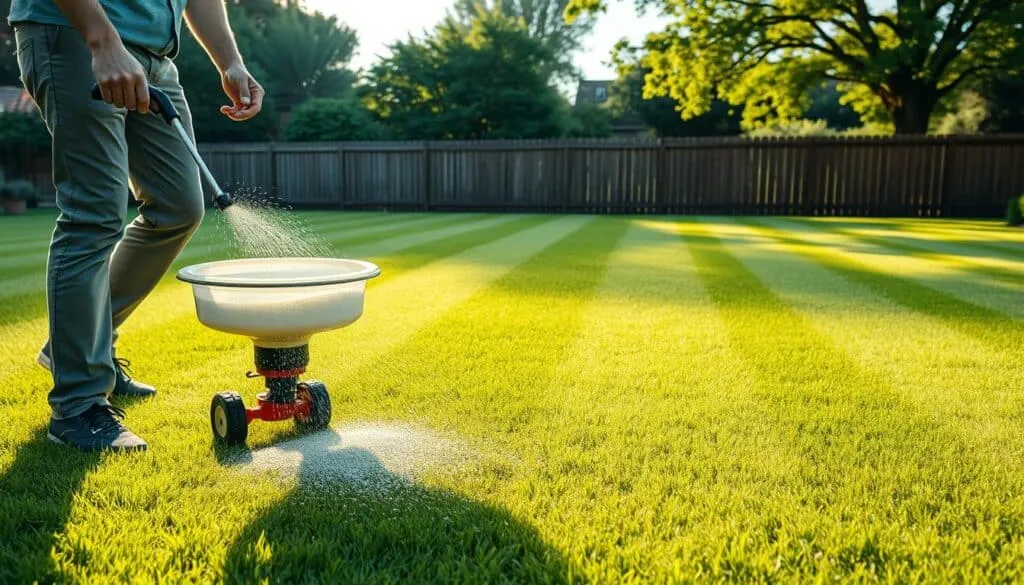
Proper timing between nutrient application and grass cutting separates amateur from professional results. This coordination ensures your investment delivers maximum returns while protecting your lawn’s health.
The 24-48 Hour Rule for Granular Fertilizers
Granular products require a specific timeframe for optimal results. I recommend allowing 24-48 hours before cutting your grass after application.
These solid formulations need watering to activate properly. The moisture helps nutrients penetrate deep into the soil structure.
Complete dryness is crucial before operating your mower. Cutting damp grass can cause uneven results and potential damage.
Quick-Drying Liquid Fertilizer Alternatives
Liquid formulations offer faster drying times than granular options. These products typically dry within just a few hours.
You can resume mowing once the treatment has completely dried. This quick turnaround makes liquid alternatives convenient for busy schedules.
Always verify the grass is thoroughly dry before cutting. Moisture affects both the cut quality and nutrient absorption.
Factors That Might Extend the Waiting Period
Weather conditions significantly impact drying times. Rain or high humidity can prolong the necessary waiting interval.
Different grass types and soil conditions also affect timing. Some varieties retain moisture longer than others.
Product labels provide specific instructions for each formulation. I always check these guidelines for precise timing recommendations.
Proper waiting ensures complete nutrient absorption without disruption. This approach maximizes your fertilizer investment and promotes healthy growth.
Assess your lawn’s readiness by checking for complete dryness. The surface should feel dry to the touch before mowing.
Best Practices: Mowing Before vs After Fertilization
Choosing the right sequence between cutting and feeding your turf creates dramatic results. I’ve seen lawns transform when homeowners master this timing. The order matters more than most people realize.
Why Mowing Before Fertilizing Is Often Recommended
Cutting your grass before treatment offers multiple advantages. This approach creates ideal conditions for fertilizer to work effectively. The soil receives maximum benefit from each application.
Pre-mowing removes debris that blocks nutrient absorption. This clearing action helps fertilizer reach the root zone directly. Your lawn gets faster access to essential nutrients.
Leaving grass clippings provides natural nourishment as they decompose. This creates a sustainable cycle that reduces future fertilizer needs. The clippings break down into organic matter that enriches your turf.
Scenarios Where Mowing After Makes More Sense
Sometimes schedule constraints make pre-treatment cutting impossible. In these cases, mowing following fertilization becomes necessary. The key is allowing proper drying time before operating your equipment.
I recommend this approach only when weather conditions permit quick drying. Avoid cutting wet grass at all costs. Moisture causes uneven distribution and potential damage to grass blades.
Always check product labels for specific timing recommendations. Different formulations have unique requirements for post-application care. Following these guidelines prevents wasting your investment.
The Ideal Sequence for Maximum Lawn Health
The perfect timing involves cutting your turf 2-3 days before treatment. This gap allows grass to recover while creating ideal application conditions. Your lawn remains undisturbed during critical nutrient absorption.
This sequence minimizes risk of nitrogen burn on freshly cut tips. The grass has time to heal before receiving concentrated nutrients. This protection ensures healthy, consistent growth throughout the season.
Here’s my recommended schedule for optimal results:
| Activity | Timing | Benefits |
|---|---|---|
| Mowing | 2-3 days before treatment | Removes debris, allows grass recovery |
| Fertilizer Application | Day of treatment | Direct soil contact, even distribution |
| Next Mowing | 5-7 days after treatment | Undisturbed nutrient absorption |
This approach maximizes your lawn care investment while promoting sustainable growth. The timing creates perfect conditions for your turf to thrive season after season.
Different Fertilizer Types and Their Impact on Mowing Timing
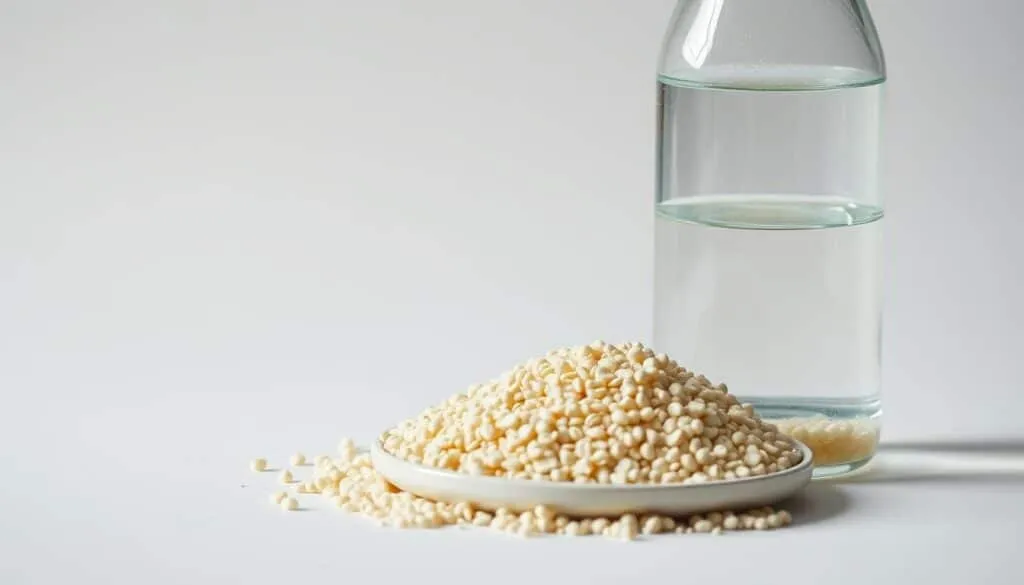
Your choice between granular and liquid products directly affects your schedule. Each formulation has unique characteristics that determine when you can resume cutting. Understanding these differences helps optimize your lawn maintenance routine.
Granular Fertilizer Characteristics and Requirements
Granular products come in solid form and require spreader application. These pellets need watering to activate their nutrients properly. The moisture helps them break down and reach the root zone.
I recommend these slow-release formulations for lasting nourishment. They feed your grass gradually over several weeks. This sustained release minimizes the risk of nitrogen burn.
Always allow 24-48 hours before operating your equipment. This waiting period ensures complete absorption. Cutting too soon can disrupt the fertilization process.
Liquid Fertilizer Advantages and Considerations
Liquid options mix easily with water for spraying application. They provide uniform coverage across your entire lawn. This consistency helps avoid patchy growth patterns.
These quick-release formulations dry within hours. You can resume mowing once the treatment appears completely dry. Their fast action makes them convenient for busy homeowners.
I caution about their higher burn risk compared to granular types. Always apply during cooler parts of the day. Proper dilution prevents damage to grass blades.
Reading Product Labels for Specific Instructions
Manufacturers provide detailed guidance on every package. These instructions account for specific formula variations. Following them ensures optimal results and safety.
Labels indicate precise waiting periods before cutting grass. They also specify ideal application conditions. I always review this information before treatment.
Consider your schedule when choosing between options. Granular works best if you can wait longer before mowing. Liquid suits those needing quicker turnaround times.
Both products effectively nourish your lawn when applied correctly. The right choice depends on your specific circumstances and preferences.
What Happens If You Mow Too Soon After Fertilizing
Many homeowners make the critical mistake of cutting their turf prematurely after treatment. This common error creates multiple problems that undermine your lawn care efforts. Understanding these consequences helps prevent costly mistakes.
Nutrient Loss and Wasted Fertilizer
Cutting grass immediately after application strips away valuable nutrients before they reach soil. The fertilizer needs undisturbed time to penetrate the root zone properly. This premature action literally throws money away.
I’ve seen cases where up to 50% of the application was lost through early mowing. The financial waste becomes apparent when you need additional treatments. Proper timing protects your investment completely.
Risk of Uneven Growth and Patchy Lawn Appearance
Uneven fertilizer distribution creates inconsistent growth patterns across your lawn. Some areas receive adequate nutrients while others get stripped clean. This results in patchy, unattractive turf that frustrates homeowners.
The problem becomes particularly noticeable within two weeks of improper mowing. You’ll see variations in color, thickness, and growth rate. These issues require corrective measures that cost additional time and money.
Potential Damage to Freshly Treated Grass
Mowing wet grass after fertilizer watering causes multiple forms of damage. The moisture leads to uneven cuts that stress your turf. Freshly cut grass blades become especially vulnerable to nitrogen burn.
Bagging mowers pose particular risk by sucking up applied product completely. The mechanical action removes fertilizer that should be nourishing your lawn. This double damage weakens grass and makes it susceptible to pests.
I always recommend checking dryness thoroughly before operating equipment. The surface should feel completely dry to the touch. This simple test prevents most damage issues.
“The difference between proper and improper timing shows within days. Patient homeowners enjoy lush growth while impatient ones face repair work.”
If you accidentally mow too soon, light watering can help remaining fertilizer absorb. This补救 measure won’t fix everything but can salvage some value. Prevention through proper timing remains the best approach for healthy lawns.
Essential Mowing Tips After the Waiting Period
Implementing strategic cutting techniques following nutrient application maximizes your investment. Proper post-treatment practices ensure your lawn receives full benefits from the fertilizer. These methods protect your turf while promoting healthy growth.
Checking Grass Dryness Before Mowing
Complete dryness is non-negotiable before operating your equipment. I always perform a simple touch test across the entire surface. Moisture causes uneven cut patterns and potential mower clogging.
Wet grass tends to clump rather than disperse evenly. This creates barriers that block sunlight and nutrients. Waiting for proper drying prevents these common issues.
Proper Mower Blade Maintenance
Sharp mower blades create clean cuts that heal quickly. Dull blades tear grass blades, increasing vulnerability to pests. I recommend sharpening blades multiple times each season.
Regular maintenance ensures consistent cutting performance. Clean cuts reduce stress on recently treated turf. This attention to detail separates adequate from exceptional lawn care.
Optimal Cutting Height for Recently Fertilized Grass
Never remove more than one-third of grass height during any lawn mowing session. Cutting too short hinders photosynthesis and weakens your turf. This rule protects your investment in fertilization.
Different grass types have specific height requirements after treatment:
- Bermuda grass: 1-1.5 inches
- Kentucky bluegrass: 2-3 inches
- Tall fescue: 2.5-3.5 inches
- Zoysia grass: 1-2 inches
Adjust your cutting height based on these recommendations. Proper height maintains grass health while allowing nutrients absorption.
Changing your mowing pattern each time encourages upright, even growth. Alternating directions prevents soil compaction and rut formation. This simple practice promotes healthier turf development.
When leaving grass clippings on the lawn, spread them evenly. Uneven distribution can block sunlight and nutrients. Proper dispersion turns clippings into natural fertilizer.
These mowing tips ensure your fertilizer application delivers maximum results. Attention to detail during cutting grass protects your investment while promoting lush, healthy turf.
Seasonal Considerations for Fertilizing and Mowing
Your lawn’s needs change dramatically throughout the year. Understanding seasonal patterns helps you time treatments perfectly. This knowledge prevents wasted effort and maximizes results.
Spring Fertilization Timing and Mowing Schedules
Spring treatments focus on revitalization after winter dormancy. I apply fertilizer once the lawn shows consistent green color. This timing ensures active growth when nutrients arrive.
Spring formulas contain higher nitrogen levels. This element stimulates lush, green growth quickly. The boost helps your lawn recover from winter stress.
Cool-season grasses like fescue and bluegrass need early spring feeding. Warm-season varieties prefer treatment in late spring. Matching timing to grass type ensures optimal results.
Mowing schedules adjust based on fertilization timing. I typically cut grass before application. This sequence creates ideal conditions for fertilizer to work effectively.
Fall Fertilization Approaches
Fall treatments prepare your turf for winter survival. These applications focus on root development and disease resistance. I use formulas richer in potassium for cold weather protection.
This nutrient strengthens cell walls against freezing temperatures. It also helps store energy for spring green-up. Fall feeding creates resilient turf that rebounds quickly.
Cool-season grasses benefit from early fall fertilization. Warm-season types can handle treatment into mid-fall. The exact timing depends on your local climate patterns.
“Seasonal fertilization isn’t just about timing—it’s about matching nutrient profiles to your lawn’s changing needs throughout the year.”
Weather Impact on Your Fertilization-Mowing Routine
Weather conditions dramatically affect treatment effectiveness. I avoid applications during extreme heat or drought. These conditions stress grass and hinder nutrient absorption.
Rainfall timing requires careful consideration. Never treat right before heavy rain. Water can wash away valuable nutrients before they penetrate the soil.
Temperature affects how quickly fertilizer works. Cool weather slows nutrient release. Warm conditions accelerate the process but increase burn risk.
Adjust your waiting period based on weather patterns. Humid conditions may extend the drying time needed. Dry, sunny weather shortens the interval before mowing.
Here’s my weather-based decision guide:
- Apply during moderate temperatures (60-75°F)
- Avoid treatment when rain is forecast within 24 hours
- Extend waiting periods during high humidity
- Shorten intervals during dry, sunny conditions
Always check the forecast before any lawn care activity. Smart timing protects your investment and ensures beautiful results.
Conclusion: Achieving the Perfect Balance for Lawn Health
Mastering the timing between cutting grass and fertilizing transforms your lawn care results. I always recommend mowing first whenever possible. This sequence allows nutrients to properly reach soil without disruption.
Patience pays dividends with lawn fertilization. Allow at least 24-48 hours for granular fertilizer absorption. Liquid treatments need just a few hours once completely dry.
Proper timing prevents uneven cut patterns and protects grass blades. Your investment in fertilizer application delivers maximum value. The result is lush, green growth throughout the seasons.
For those without time, professional lawn maintenance services offer optimal results. Consistent care creates the healthy, beautiful lawn you deserve.
FAQ
Why is it crucial to wait before mowing after I fertilize?
I wait to allow the fertilizer to properly absorb into the soil and be taken up by the grass roots. Mowing too soon can remove the product before it has a chance to work, wasting my time and money and reducing the effectiveness of my lawn care efforts.
What is the general rule for how long I should wait?
I follow a 24 to 48-hour rule for most granular fertilizers. This gives the product enough time to be watered in and begin to reach the soil. For quick-drying liquid fertilizers, I can often mow as soon as the application is completely dry to the touch.
Is it better to mow my lawn before or after I fertilize?
I almost always mow before I fertilize. Cutting the grass first removes the top growth, allowing the fertilizer granules to make better contact with the soil. It also means I can wait the full recommended time afterward without my lawn looking overgrown.
Does the type of fertilizer I use change the waiting time?
Absolutely. Granular fertilizers need more time to break down and require irrigation, so I wait longer. Liquid fertilizers are a faster alternative, as they are absorbed more quickly through the grass blades. I always read the specific product label for the manufacturer’s instructions.
What’s the worst that can happen if I mow too soon?
If I mow too early, I risk vacuuming up the uneaten fertilizer with my grass clippings. This leads to nutrient loss, an uneven cut, and a patchy lawn appearance because the food wasn’t evenly distributed to the roots.
What should I check before my first mow after fertilizing?
Before I start, I always ensure the grass is completely dry to avoid clumping and to protect my lawn from disease. I also double-check that my mower blades are sharp to ensure a clean cut that won’t stress the freshly fed grass.
How does the season affect my fertilizing and mowing schedule?
In spring, I fertilize to support vigorous growth and may need to mow more frequently. My fall fertilization is focused on root development, so I adjust my mowing height accordingly. I always keep a close eye on the weather, as rain can delay my mowing plans.