
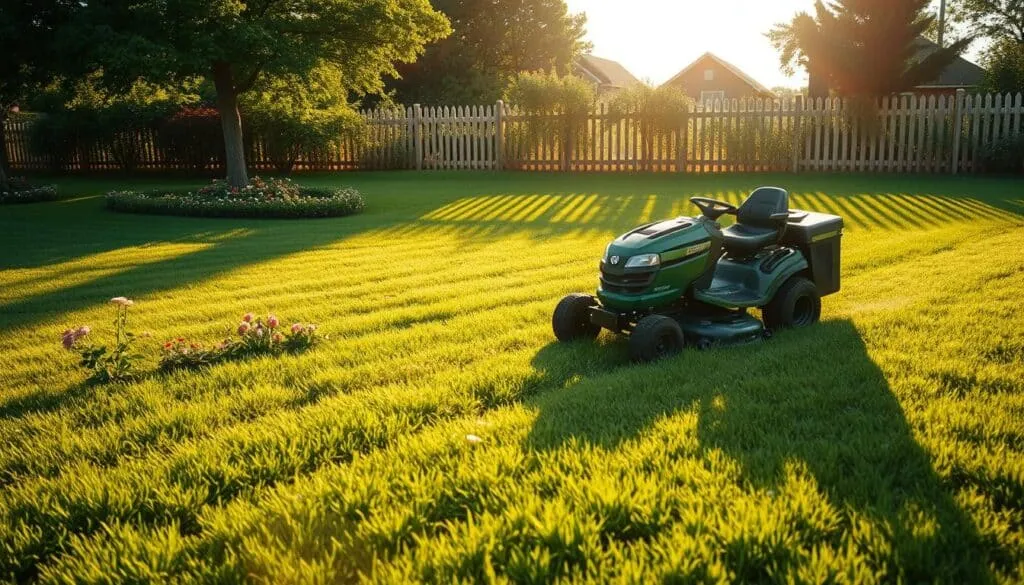
Have you ever looked at your lawn in late autumn and questioned if it’s finally time to store the mower away for good? This is a common dilemma I face every year as the days grow shorter. The answer is more complex than a simple date on the calendar.
The period for cutting your grass doesn’t have a universal conclusion. It depends heavily on your local climate and the type of turf in your yard. For instance, a lawn in Florida requires attention nearly all year, while one in Minnesota has a much shorter active period.
Most American homeowners tend to their lawns for about 25 to 30 weeks annually. The typical span runs from March through October. Understanding the precise finish line for your specific situation is critical for year-round lawn health.
My own curiosity led me to research the signs that signal the conclusion of active growth. This guide will explore the key indicators, regional differences, and essential steps to prepare your grass for its winter rest. Proper timing for that last cut can make a huge difference in how well your lawn rebounds in the spring.
Key Takeaways
- The end of lawn mowing is not a fixed date but varies by climate and grass type.
- Most U.S. lawns are actively maintained for approximately 25-30 weeks per year.
- A simple rule is to continue cutting as long as the grass is actively growing.
- The final mowing time significantly impacts the lawn’s winter survival and spring health.
- Recognizing visual cues and temperature changes is essential for proper timing.
Understanding Lawn Care and Seasonal Mowing Essentials
The key to successful turf management lies in adapting your maintenance routine to match seasonal growth cycles. I’ve learned that proper lawn care isn’t about rigid schedules but about responding to nature’s cues.
Recognizing the importance of proper lawn maintenance
Consistent care throughout the growing months builds a resilient turf that withstands environmental stress. My grass health improves dramatically when I maintain proper cutting heights.
For most lawns, I keep the height between 2.5-4cm. High-traffic areas need 5cm, while shaded spots benefit from 7.5cm. This approach protects the soil and promotes strong root development.
How seasonal weather and growth affect mowing frequency
Weather patterns directly influence grass growth rates. Spring brings optimal conditions with moderate temperatures and longer days. Growth can reach 72 kg per hectare daily during peak periods.
I adjust my schedule accordingly: weekly cuts in spring, twice weekly in summer, and reduced frequency in autumn. By late fall, growth slows to just 10 kg per hectare daily. Recognizing these patterns ensures I provide appropriate care at the right time.
when does mowing season end: Signs, Temperatures, and Final Cuts
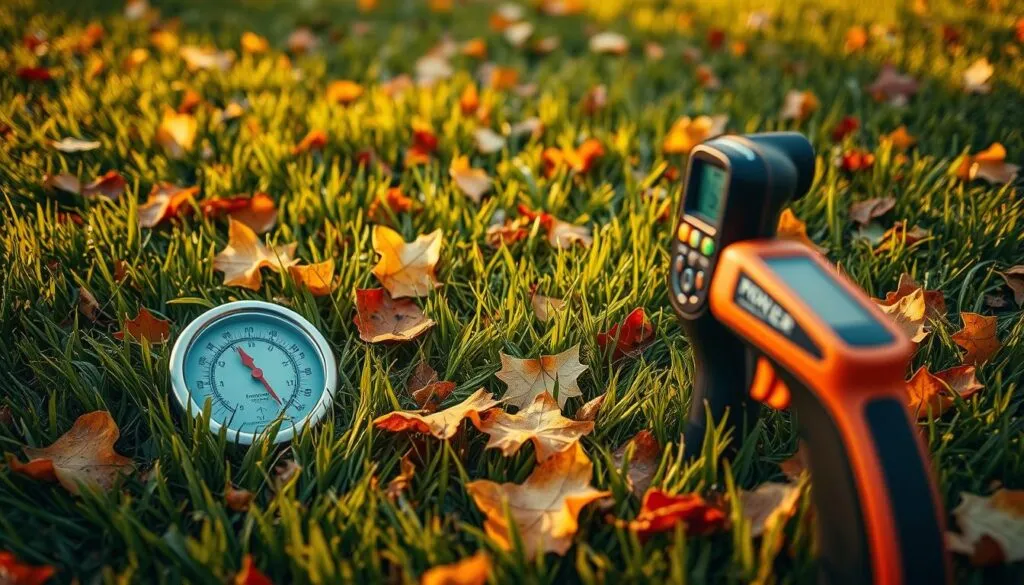
My approach to concluding lawn maintenance focuses on temperature thresholds and the grass’s own biological signals rather than calendar dates. I watch for specific patterns that indicate growth is slowing.
Identifying growth patterns and visual indicators
I look for clear signs that my turf is preparing for winter. The grass blades change from vibrant green to dull brown. New shoots disappear completely.
Growth between cuts becomes minimal. Sometimes I notice only a fraction of an inch of growth over an entire week. This tells me the lawn is entering dormancy.
Temperature guidelines and the timing of the first frost
Temperature is my most reliable guide. Warm-season grasses stop growing below 50°F. Cool-season varieties continue until temperatures drop below 40-45°F.
I wait for 3-4 consecutive days within these ranges. The final cut should happen about one week before the first frost. This timing allows the turf to adjust properly.
Regional differences matter greatly. Northern lawns typically finish in late October. Southern turf may continue until mid-December. Understanding my local zone helps me plan accurately.
For the last cut, I adjust the height carefully. Warm-season lawns get trimmed to 1.5-2.5 inches. Cool-season grass stays at 2.5-3.5 inches. Proper height prevents winter damage.
Practical Tips for Transitioning Your Lawn from Fall to Winter
Proper fall-to-winter lawn transition involves more than just storing your equipment. I focus on three key areas to ensure my turf survives cold months and thrives in spring.
Adjusting mower settings and blade height for winter care
My final cut requires precise blade height adjustments. For Kentucky Bluegrass and Ryegrass, I set the mower to 1.5 inches. Tall Fescue gets trimmed to 2 inches.
This specific height prevents long grass from matting under snow. Short, stiff blades resist ice damage better than longer ones.
Clearing debris and preventing snow mold and fungal issues
I thoroughly clear my yard of leaves and twigs before winter arrives. Debris traps moisture and creates perfect conditions for snow mold.
Either mulching organic matter or raking it away works well. This prevents grass suffocation and fungal growth during snowy periods.
Preparing your equipment for low-temperature conditions
Equipment maintenance is crucial for winter storage. I clean the mower blades thoroughly and change the oil. Draining fuel prevents engine damage.
Storing the mower in dry, protected conditions ensures it’s ready for spring. I also address weed control now to reduce spring problems.
Following these practical tips helps my lawn emerge healthy when warmer weather returns. Proper winter preparation makes spring recovery much easier.
Conclusion
Your lawn’s ability to thrive next spring hinges on the care you provide as growth slows this fall. The decision to perform that final cut depends on your specific grass type, local temperatures, and growth patterns.
Remember the golden rule: if it’s growing, keep cutting. Watch for temperatures below 50°F for warm-season varieties and below 40-45°F for cool-season types. These thresholds signal it’s time to prepare for winter.
Time your last session about one week before the first frost. Cut to the proper height—1.5-2.5 inches for warm-season lawns, 2.5-3.5 inches for cool-season grass. This prevents winter damage and disease.
Clear debris and address weed issues before cold weather arrives. These steps reduce stress on your turf during dormancy. Understanding your lawn’s unique needs ensures optimal health throughout the year.
Armed with this knowledge, you can maintain a vibrant lawn that withstands winter challenges. Pay attention to local conditions each fall—this intuition will guide you to the perfect moment to store your equipment until spring.
FAQ
What is the main sign that I should stop cutting grass for the year?
The biggest sign is a major slowdown in turf growth. When your lawn’s health dictates it no longer needs weekly trims and the soil temperatures drop, the grass essentially stops growing. This usually happens after a few hard frosts.
How short should I cut my grass before winter sets in?
I recommend a final cut at a slightly shorter height, around 2 to 2.5 inches. This helps prevent long blades from matting down under snow, which can lead to moisture buildup and snow mold. Avoid scalping the yard, as that causes stress.
Can a late fall mow damage my lawn?
Yes, if done incorrectly. Mowing frozen or frost-covered grass can severely damage the blades and crown, harming the turf’s health. Always wait until any frost has melted and the soil is firm but not frozen to do your last maintenance of the year.
What should I do with my mower at the end of the season?
Proper equipment care is crucial. I always drain or add a fuel stabilizer to the gas tank, clean the deck thoroughly to remove grass clippings and moisture, and sharpen the blades. This prep work makes spring startup much easier.
Is leaf removal part of end-of-season lawn care?
Absolutely. Clearing leaves is vital maintenance. A thick layer blocks sunlight and traps moisture, creating perfect conditions for fungal issues and winter damage. I either mulch them with my mower or rake them up to ensure my yard’s health.