
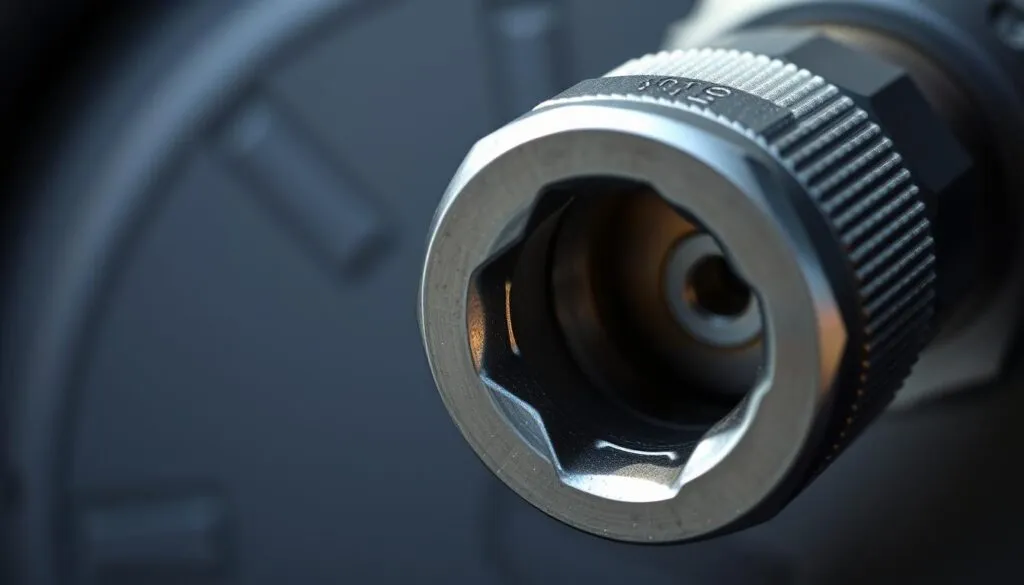
Have you ever grabbed a wrench for a simple tune-up, only to find yourself staring at a stubborn component that just won’t budge? That small part is the heart of your engine’s ignition, and using the wrong tool can turn a five-minute job into a costly repair.
This guide is your essential resource for getting it right the first time. We will demystify the specifications for your equipment, ensuring you have the correct information before you begin. Proper maintenance starts with using the proper tools.
You will learn not only about the common dimensions but also the critical steps for safe removal and installation. Understanding these details protects your engine from damage and keeps your machine running smoothly for seasons to come. Let’s ensure your next maintenance session is a success.
Key Takeaways
- Most small engines require either a 13/16-inch or 5/8-inch socket for this specific component.
- Using an incorrect tool can strip threads or damage the ceramic insulator, leading to expensive fixes.
- Always consult your owner’s manual or inspect the existing part to confirm the required specifications.
- This maintenance task applies to both push and riding models, including popular brands like Honda.
- Correct tool selection is fundamental to performing safe and effective routine upkeep on your equipment.
- Following proper procedures extends the life of your machine and saves you time and money.
Introduction to Lawn Mower Spark Plug Maintenance
When your machine struggles to start or runs unevenly, the solution often lies with one critical ignition part. This component is essential for proper engine operation and requires regular attention.
Why Spark Plug Maintenance Matters
Your equipment’s ignition component creates the electrical charge that ignites the fuel mixture. Without a strong spark, combustion cannot occur efficiently.
Neglecting this maintenance leads to several problems. You may experience hard starting, rough performance, or reduced power output. Fuel consumption can increase when the ignition system works improperly.
Regular inspection helps prevent expensive engine damage. Plan to check this component after every 25-50 hours of operation. Beginning each season with fresh ignition parts ensures optimal performance.
Overview of the Guide and Benefits
This comprehensive resource covers all aspects of proper ignition care. You’ll learn about correct tool selection, installation procedures, and troubleshooting techniques.
Following these guidelines saves money on professional repairs and extends your equipment’s lifespan. Proper maintenance improves fuel efficiency and ensures reliable operation throughout the mowing season.
Gaining confidence in performing your own upkeep provides long-term value. Understanding these procedures helps you maintain peak engine performance season after season.
Understanding Spark Plugs and Their Role in Your Engine
The tiny ignition device in your equipment’s cylinder head transforms electrical energy into the fire that powers your machine. This component sits at the heart of your combustion system, bridging the gap between electricity and fuel.

How Spark Plugs Ignite Your Engine
Your ignition component receives high-voltage electricity from the ignition coil. This electrical charge jumps across the gap between the center and ground electrodes.
The resulting spark ignites the compressed fuel-air mixture in the combustion chamber. This controlled explosion creates the power that drives your piston downward.
Proper electrode gap and clean surfaces ensure consistent ignition. The ceramic insulator prevents electrical leakage while the metal shell dissipates heat.
Signs of a Worn or Faulty Spark Plug
Examining your old component provides valuable diagnostic information. The appearance reveals important clues about your engine’s condition.
Black, sooty deposits indicate excessive fuel burning. This often results from a dirty air filter or carburetor issues creating a rich mixture.
White, chalky buildup suggests your engine runs too hot. Cooling system problems or incorrect fuel type may cause this condition.
An oily coating points to oil leaking into the combustion chamber. Worn piston rings or valve seals typically allow this contamination.
Eroded or damaged electrodes mean the part has exceeded its service life. Replacement becomes necessary for reliable performance and proper fuel efficiency.
Tool Requirements and Safety Tips for Changing a Spark Plug
Proper preparation with the correct implements separates a smooth, successful job from a frustrating and potentially hazardous one. Having everything you need within reach before you start is the best practice.
Essential Tools You Need
You will require a few specific items. A new replacement component of the correct type for your model is essential.
Your most important tool is a dedicated spark plug socket. This specialized socket has a rubber insert to grip the component securely.
You also need a ratchet or socket wrench to turn it. A gap gauge ensures the new part is set correctly. A wire brush helps clean the area.
Always check your equipment’s manual for the exact specifications. If the manual is missing, take the old part to a store for a perfect match.
Important Safety Precautions
Safety is your top priority. Make sure the engine is completely off and cool to the touch before you begin any work.
Never service a hot engine. Wait at least 15-20 minutes after use. Hot surfaces can cause severe burns.
Always disconnect the ignition wire first. This prevents any accidental starting. Work in a clear, well-ventilated space.
Wear safety glasses to protect your eyes. Use hand tools, not power tools, for better control and to avoid damage. These simple steps keep you and your machine safe.
How to Determine What Size Socket for Spark Plugs in a Lawn Mower
The first step in servicing your machine’s ignition component involves determining the precise tool dimensions needed for the job. Accurate identification prevents damage and ensures efficient maintenance.
Socket Size Specifications for Various Mower Models
Most outdoor power equipment uses either a 13/16-inch or 5/8-inch dimension for this critical component. Honda equipment consistently requires the 13/16-inch specification across their popular series.
Push models typically position the ignition part on the engine’s side or front. Riding equipment usually locates it on the engine block beneath the hood. Some configurations feature dual components requiring service.
Tips for Correct Tool Selection
Always consult your owner’s manual first for exact specifications. This document contains the precise information needed for your particular engine.
If documentation is unavailable, measure the existing component’s hex with calipers. Alternatively, bring the old part to a hardware store for identification assistance.
Choose a specialized socket with rubber inserts or magnetic holders designed specifically for this work. Standard deep sockets lack the protective grip needed to prevent ceramic damage during removal and installation.
Proper tool engagement prevents rounding corners and stripping threads. This ensures smooth maintenance without requiring specialized extraction tools later.
Honda Lawn Mower Spark Plug Requirements and Gap Settings
Honda equipment stands out for its consistent ignition requirements across different model series. This standardization simplifies maintenance and ensures reliable performance.
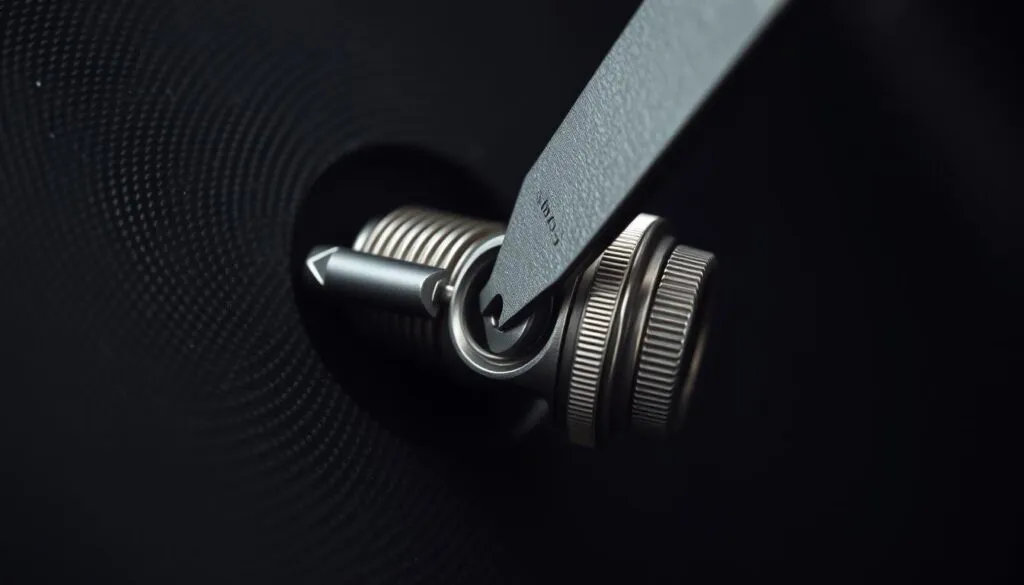
All Honda models follow similar specifications for their ignition components. The correct spark plug gap is essential for optimal combustion.
| Model Series | Engine Type | Plug Type | Gap Setting | Socket Requirement |
|---|---|---|---|---|
| HRX Series | GCV200 | BPR5ES/BP6ES | 0.028″-0.031″ | 13/16″ |
| HRN Series | GCV170 | BPR5ES equivalent | 0.028″-0.031″ | 13/16″ |
| HRS Series | GCV160 | BPR5ES equivalent | 0.028″-0.031″ | 13/16″ |
| HRC Series | GXV160/GCV160 | BPR5ES equivalent | 0.028″-0.031″ | 13/16″ |
Overview of Honda Models and Their Spark Plug Needs
Honda’s various series share common ignition specifications. The HRX, HRN, HRS, and HRC models all require the same basic setup.
Your equipment’s manual provides the exact specifications for your specific model. Consistent gap settings across series make maintenance straightforward.
Adjusting the Spark Plug Gap for Optimal Performance
Proper gap adjustment ensures strong ignition and efficient fuel combustion. Use a gap gauge to measure between the center and ground electrodes.
If the plug gap is too narrow, gently bend the ground electrode outward. For gaps that are too wide, carefully tap the electrode closer to the center.
Always make small adjustments and recheck frequently. Correct electrode spacing prevents misfires and maintains engine efficiency.
Step-by-Step Process for Removing and Installing Spark Plugs
Following a clear, methodical process is the key to a successful ignition component replacement. This guide walks you through each action, ensuring a safe and effective job.
Detailed Removal Process
Begin by locating the part on your engine. It is often found on the side or front, connected by a thick, rubber-coated wire.
Always disconnect this wire first to prevent accidental starting. Gently twist and pull the boot if it feels stuck.
Clean the surrounding area thoroughly with a rag. This prevents debris from entering the engine when you remove the component.
Use your specialized socket and wrench to loosen the part. Turn it counterclockwise until it is loose, then finish unscrewing by hand.
Inspect the old part carefully. Look for deposits or wear that can indicate other engine issues.
Best Practices for Installation
Before installing a new spark plug, check its gap with a gauge. Adjust it to match your equipment’s specifications.
Thread the new component into the cylinder head by hand. This crucial step prevents cross-threading and damage.
Once hand-tight, use your wrench for a final quarter to half turn. Avoid over-tightening to protect the threads.
Push the wire boot firmly onto the terminal until it clicks. A gentle tug confirms it is secure.
The final step is to test your equipment. A smooth start confirms a job well done.
Maintenance Tips and Troubleshooting Common Spark Plug Issues
Proper upkeep of your machine’s ignition parts ensures reliable performance throughout the mowing season. Following a consistent schedule prevents many common problems before they start.
Regular Maintenance and Inspection Intervals
Plan to check your ignition component after every 25-50 hours of operation. Many experts recommend replacement at the start of each season or every 100 hours.
During inspection, look for electrode wear, carbon buildup, or oil contamination. Clean or replace the part as needed. This regular attention maintains optimal engine performance and fuel efficiency.
Quick Fixes for Common Spark Plug Problems
If your equipment won’t start, verify the wire connection is secure. Check that the gap is set correctly according to your manual’s specifications.
Black, sooty deposits indicate a rich fuel mixture. Clean or replace the air filter and consider carburetor adjustment. White chalky buildup suggests overheating—check cooling fins and oil levels.
An oily appearance points to internal engine issues. Monitor oil levels and watch for leaks. These simple troubleshooting steps often resolve common ignition problems quickly.
Conclusion
Mastering your equipment’s ignition maintenance transforms routine upkeep from a chore into a simple, satisfying task. The correct spark plug socket size—typically 13/16-inch or 5/8-inch—ensures damage-free service every time.
Regular attention to your ignition components keeps your lawn mower running smoothly. Inspecting and replacing these parts according to manufacturer guidelines prevents costly breakdowns.
Following proper procedures saves both time and money while extending your equipment’s lifespan. The diagnostic clues visible on worn components help identify engine issues early.
Confidence grows with each successful maintenance session. Whether you own a Honda or another brand, consulting your manual ensures optimal performance for seasons to come.
FAQ
What is the most common spark plug socket size for a lawn mower?
The most common size is a 5/8-inch deep well socket. This fits the majority of Briggs & Stratton, Honda, and Kohler engines. Always double-check your mower’s manual for the exact specification.
How do I know if my spark plug needs to be replaced?
Look for signs like difficulty starting the engine, rough idling, poor fuel economy, or visible damage on the plug itself, such as a cracked porcelain insulator or heavily worn electrodes.
What is the correct spark plug gap for my mower?
The gap varies by engine model. For many Briggs & Stratton engines, it’s typically .030 inches. For a Honda mower, it’s often .028-.031 inches. You must consult your owner’s manual for the precise setting and use a gap tool to adjust it.
What tools do I need to change a spark plug?
You will need the correct deep well socket, a ratchet or socket wrench, a spark plug gap gauge, and possibly a torque wrench. Always wear safety glasses and ensure the engine is completely cool before you begin.
Can I use any type of spark plug in my lawn mower?
No. You must use the exact type recommended by the manufacturer. Using an incorrect plug can lead to poor performance and even engine damage. The model number is usually listed in your manual or on the old plug.
How often should I change the spark plug on my mower?
It’s good practice to replace it at least once per mowing season, or after every 25-50 hours of operation. Annual replacement is a key part of routine maintenance to ensure reliable starts and optimal power.
What should I do if the spark plug is stuck?
A> First, ensure you are using the correct socket size. Apply a small amount of penetrating oil to the base of the plug and let it sit for 10-15 minutes. Use a long-handled ratchet for better leverage, but turn it gently to avoid breaking the plug.
Do I need to disconnect the battery before changing the plug on a riding mower?
Yes, this is a critical safety step for any riding mower or lawn tractor. Disconnecting the battery prevents the engine from accidentally cranking while you are working.