
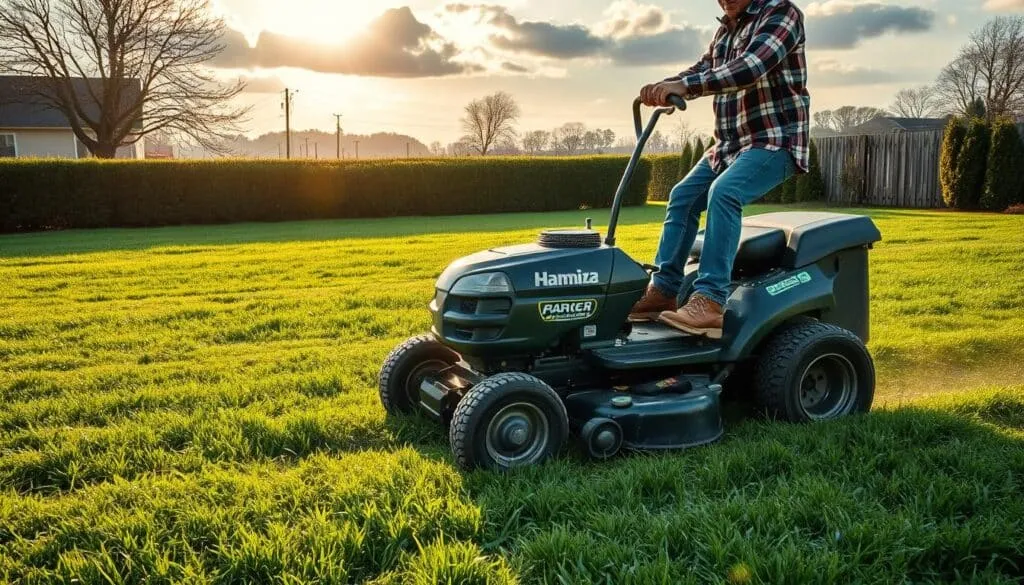
That early morning urge to tackle yard work is familiar to many homeowners. The air is cool, and the schedule seems open. But is reaching for the mower the right move when the property is glistening with moisture?
While the morning appears ideal for outdoor tasks, cutting a damp lawn presents unique challenges. Wet grass behaves differently under a mower’s blades. This affects the quality of the cut and the well-being of the turf.
The practice also impacts equipment. A lawn mower struggles with damp clippings, which can clog the deck and strain the engine. Furthermore, safety becomes a greater concern on slippery surfaces.
Understanding the best time for this essential chore protects your investment. Proper lawn care involves more than just regular cutting. It requires smart timing to maintain a healthy, vibrant landscape.
Key Takeaways
- Mowing a damp lawn can damage both the grass blades and the mower.
- Wet grass clippings tend to clump, leading to an uneven cut and potential lawn disease.
- Operating a lawn mower on wet turf increases safety risks due to slippery conditions.
- The optimal time for mowing is typically later in the day after the dew has evaporated.
- Proper lawn care timing is crucial for maintaining a healthy and attractive property.
- Allowing grass to dry ensures a cleaner cut and better overall mower performance.
Understanding Why Mowing Dewy Grass Is Risky
Operating a mower on wet turf introduces two major categories of risk: immediate damage to the lawn’s appearance and long-term threats to its health. Moisture fundamentally changes how grass interacts with cutting equipment.
The challenges begin the moment the machine engages the damp turf. Understanding these mechanics is key to protecting your property.
Grass Clumping and Uneven Cuts
Wet grass does not flow smoothly through the mower deck. Instead, moisture causes individual blades to stick together. This creates dense, unsightly clumps that block the discharge chute.
These clumps smother the lawn beneath, blocking sunlight and air. Furthermore, water weighs down the grass, causing blades to bend. The result is an uneven cut, as the mower cannot achieve a uniform height across the slanted surface.
A clean cut heals quickly; a torn blade is an open wound.
The tearing action creates ragged edges rather than clean slices. This raggedness stresses the plant and slows recovery.
Health Risks for Your Lawn and Mower
Those torn edges become entry points for fungal spores. A damp environment is ideal for diseases like red thread, dollar spot, and brown patch to take hold.
Clippings stuck to the mower’s underside can spread spores across the entire lawn. This turns a small issue into a widespread infection.
The following table contrasts the outcomes of mowing under different conditions:
| Condition | Cut Quality | Clipping Behavior | Disease Risk |
|---|---|---|---|
| Dry Grass | Clean, even cut | Fine dispersal; acts as mulch | Low |
| Wet Grass | Ragged, uneven cut | Forms smothering clumps | High |
This accumulation of wet grass also strains the mower’s engine and promotes rust. The equipment suffers alongside the turf.
The Science Behind Dew and Wet Grass
Understanding the physics behind morning moisture accumulation provides crucial insights for optimal lawn care timing. The glistening appearance results from specific atmospheric conditions that affect cutting quality.
How Dew Forms on Your Lawn
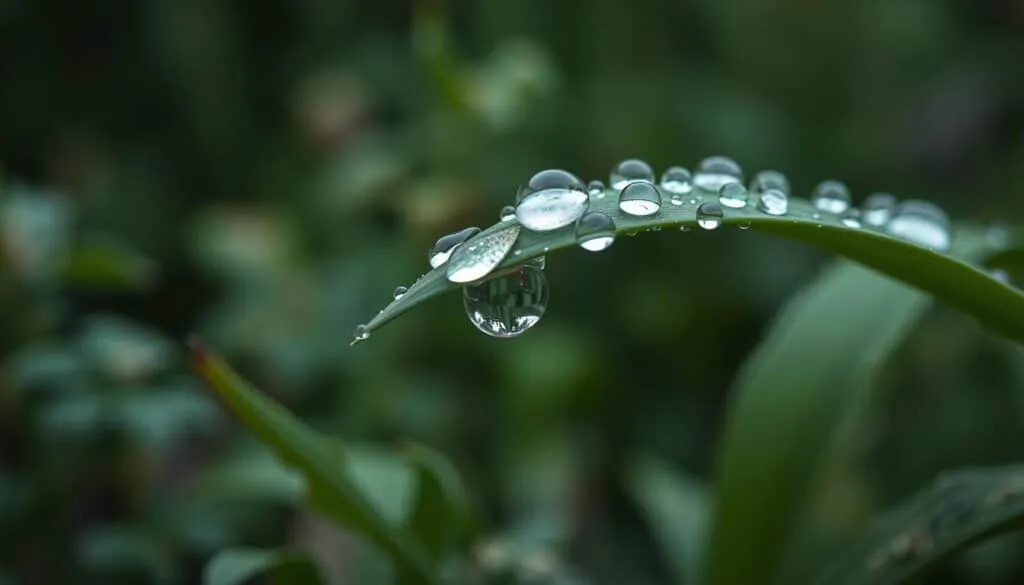
Dew develops when surface temperatures drop below the dew point overnight. Water vapor in the air condenses into liquid droplets on cool surfaces like grass blades.
Clear, calm nights create ideal conditions for this process. Heat radiates away from the ground, allowing rapid cooling. Higher humidity levels typically produce heavier dew accumulation.
Spring and fall often see more significant dew formation. Greater temperature differentials during these seasons enhance condensation on the lawn surface.
Differences Between Dewy and Rain-Soaked Grass
Rain saturates the entire plant system and penetrates deep into soil. This creates more challenging mowing conditions than surface-level dew moisture.
Dew typically dries faster because it only coats grass blades. Rain-soaked turf requires longer waiting periods before cutting becomes advisable.
Heavy rainfall can leave standing water and muddy conditions. These factors increase soil compaction risks from equipment weight.
Both moisture sources present similar challenges for cutting quality. Waiting for dry conditions remains the recommended approach regardless of water origin.
Optimal Timing: When to Mow Your Lawn
Proper timing transforms routine lawn care from a potential hazard to a beneficial practice. Selecting the right window ensures clean cuts and healthy turf growth. This approach protects both your landscaping investment and equipment performance.
Morning vs. Evening Mowing Benefits
Early morning sessions require patience. Wait four to five hours after sunrise for complete dew evaporation. This timing allows grass blades to dry thoroughly before cutting.
Evening hours offer excellent alternatives. The late afternoon provides cooler temperatures without nighttime moisture buildup. This period avoids both morning dew and evening condensation.
| Time Period | Advantages | Considerations | Ideal Conditions |
|---|---|---|---|
| Morning | Cool temperatures, full day for recovery | Requires waiting for dew evaporation | 4-5 hours after sunrise, sunny day |
| Evening | Avoids morning moisture, comfortable working conditions | Must finish before nightfall moisture | Late afternoon, clear weather |
Weather and Seasonal Considerations
Seasonal changes significantly impact drying times. Summer heat accelerates evaporation within two to three hours. Spring and fall conditions often require five or more hours for proper drying.
Rain events demand extended waiting periods. Light rainfall needs two to five hours of drying time. Heavy storms require a full day before mowing becomes advisable.
A simple test determines readiness. Walk across the turf wearing shoes. Wet footwear indicates the lawn needs more drying time before cutting.
Preparing Your Equipment for Mowing Wet Grass
Proper equipment preparation becomes essential when dealing with lawn moisture. A well-maintained machine handles challenging conditions more effectively.
https://www.youtube.com/watch?v=GyVL–xcAsw
Regular maintenance ensures optimal performance when cutting becomes necessary. This approach protects your investment and maintains turf health.
Checking and Maintaining Your Lawn Mower
Routine inspections before each session prevent unexpected issues. Examine all mechanical components and safety features thoroughly.
Schedule professional blade sharpening once or twice annually. Sharp mower blades create clean cuts rather than ragged tears. This becomes especially important with any moisture present.
Learn to safely remove the blade from your lawn mower. Take mower blades to a hardware store for professional sharpening. Specialized equipment ensures proper edge maintenance.
Invest in high-quality steel blades and keep a backup available. This prevents mowing with dull blades that damage grass.
Lubricate wheels bearings twice yearly for smooth operation. Proper care reduces wear on the mobility system.
Adjusting Mower Height and Blade Sharpness
Raise the cutting height when dealing with moisture. This prevents removing too much grass at once.
Higher settings reduce clumping and decrease engine strain. The adjustment protects both turf and equipment.
Sharp blades become critical with moisture-laden grass. Dull mower blades tear and shred rather than cutting cleanly.
| Maintenance Task | Frequency | Professional Service | DIY Option |
|---|---|---|---|
| Blade Sharpening | 1-2 times yearly | Hardware store | Blade removal only |
| Wheel Bearing Lubrication | 2 times yearly | Mechanic | Self-applied grease |
| Blade Replacement | As needed | Professional installation | With proper tools |
Proper lawn mower care extends equipment life and improves performance. Regular maintenance remains essential for responsible lawn ownership.
Can you mow dewy grass? Evaluating the Risks and Rewards
Evaluating whether to maintain a lawn with morning dew involves balancing convenience against potential long-term consequences. The decision requires understanding both immediate equipment concerns and lasting turf health implications.
Potential Damage to Grass, Blades, and Engine
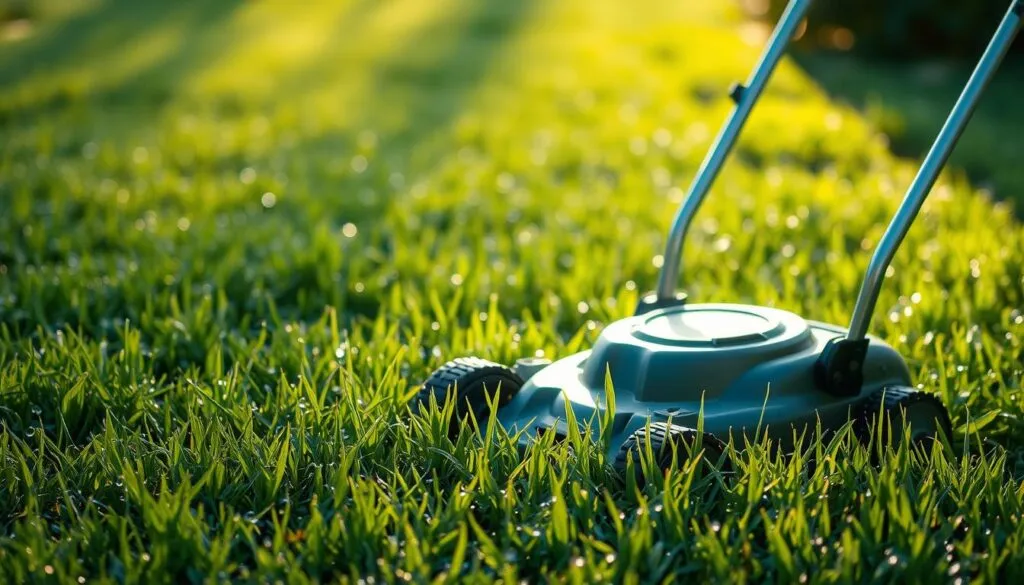
Moisture-laden vegetation creates significant stress on cutting equipment. Wet grass clippings accumulate rapidly inside the mower deck, forming dense masses that impede blade rotation.
This accumulation forces the engine to work excessively hard, potentially leading to overheating and mechanical failure. Electrical models face particular challenges due to their limited torque capacity.
Impact of Wet Clippings on Lawn Health
Heavy, wet grass clippings form unsightly clumps that smother the underlying turf. These masses block essential sunlight and air circulation, creating ideal conditions for fungal diseases.
The combination of moisture and organic material encourages pathogens like brown patch and dollar spot. Soil compaction from equipment weight further damages root systems.
| Aspect | Mowing Dewy Grass | Waiting for Dry Conditions | Risk Level |
|---|---|---|---|
| Equipment Stress | High engine strain, potential damage | Normal operation, minimal stress | Significant |
| Cut Quality | Uneven, ragged cuts | Clean, even trimming | Moderate |
| Lawn Health | Disease risk, smothering clumps | Healthy mulch distribution | High |
| Safety Concerns | Slippery surfaces, equipment hazards | Stable footing, controlled operation | Substantial |
The substantial hazards to equipment performance, turf vitality, and personal safety typically outweigh any perceived benefits of immediate maintenance. Patience generally proves the wiser approach for property care.
Expert Tips and Techniques for Mowing in Moist Conditions
When persistent rain or specific seasonal patterns make waiting impractical, property owners need practical strategies for managing turf under moist conditions. These professional techniques help minimize damage when cutting becomes necessary during wet periods.
Implementing Alternate Mowing Patterns
Varying your cutting direction between sessions improves results. Alternate between horizontal and vertical passes to prevent soil compaction.
Overlap each pass by one wheel width for complete coverage. This approach becomes critical when vegetation tends to lay flat rather than stand upright.
Reduce your pace significantly during these sessions. A slower speed allows blades to cut more cleanly and discharge clippings effectively.
Steps to Clean and Maintain Your Mower Post-Mowing
Set the cutting height at the highest possible setting. This reduces the amount of vegetation being processed at once.
Use side discharge instead of mulching or bagging attachments. Wet clippings quickly clog other systems and impede functionality.
Stop periodically to clear accumulated vegetation from the deck. This prevents buildup that strains the engine and creates clumps.
Thorough cleaning after each session protects your equipment. Remove all clippings from the deck, housing, and undercarriage to prevent rust.
Apply a thin protective coating to metal surfaces after drying. This creates a barrier against future sticking and corrosion.
Conclusion
Successful lawn maintenance hinges on recognizing the critical relationship between timing and turf health. While early morning conditions seem appealing, patience proves essential for optimal results.
Cutting damp vegetation creates multiple challenges. Uneven cuts, clumping, and disease risks threaten lawn vitality. Equipment strain and safety concerns also arise with moist conditions.
The ideal approach involves waiting four to five hours after sunrise. A simple shoe test confirms dryness before starting the mower. This practice protects both the landscape and equipment investment.
Developing a consistent schedule that accounts for weather patterns ensures proper care. Understanding these principles leads to healthier, more attractive outdoor spaces that enhance property value for years.
FAQ
Is it safe to cut grass when the lawn is wet with dew?
Mowing a dewy lawn presents several safety and maintenance risks. Wet conditions can cause the grass blades to tear rather than cut cleanly, leading to an uneven appearance. The moisture also makes the ground softer, increasing the chance of leaving ruts or damaging the turf with the mower’s wheels.
What specific damage can occur to my lawn mower when cutting wet grass?
Using your mower on damp grass can lead to significant issues. Wet clippings tend to clump and stick underneath the deck, which can clog the machine and strain the engine. This moist environment also promotes rust on the mower blades and deck, reducing their lifespan and cutting efficiency.
How does mowing in the morning dew affect the health of my lawn?
Cutting grass that is wet can invite diseases. Moisture helps fungal spores spread more easily across fresh cuts on the grass blades. This can lead to lawn diseases that harm the overall health and appearance of your turf, especially during warm, humid weather.
What is the best time of day to mow my lawn to avoid moisture?
The optimal time is typically in the late afternoon or early evening. By this time, the morning dew has evaporated, and the grass is dry. This timing helps ensure a clean cut and prevents the problems associated with wet clippings and clumping.
Should I adjust my mower’s settings if I have to cut wet grass?
Yes, making adjustments is crucial. Ensure your mower blades are sharp to achieve the cleanest cut possible on damp blades. It’s also wise to set the cutting height slightly higher than usual to reduce stress on the grass and minimize the amount of wet clippings produced.
What steps should I take to clean my mower after mowing a wet lawn?
After mowing in moist conditions, a thorough cleaning is essential. Turn off the mower and disconnect the spark plug. Use a brush or putty knife to scrape away all wet grass clippings from the underside of the deck. This prevents corrosion and keeps your equipment in good working order.