
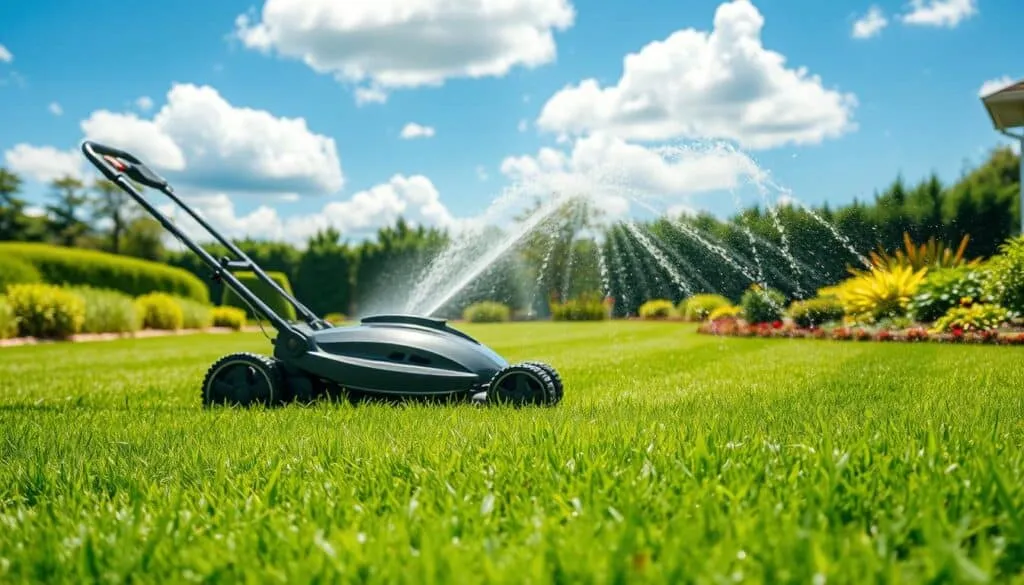
What if the secret to a lush, vibrant lawn isn’t just what you do, but when you do it? This question lies at the heart of effective lawn maintenance.
Many homeowners ponder the best sequence for their essential lawn care tasks. The relationship between cutting the grass and providing moisture is more interconnected than many realize.
I find that achieving professional-quality results requires understanding how these practices work in tandem. It’s not about isolated chores on a calendar.
This guide explores the science behind proper timing. We will look at factors like climate, grass type, and soil condition. The goal is to provide clear, actionable information for a healthier landscape.
Key Takeaways
- Timing between mowing and watering significantly impacts lawn health.
- The right sequence can prevent common issues like fungal disease.
- Climate and grass species are critical factors in your decision.
- Understanding this relationship saves time and resources.
- A solid schedule promotes deeper root growth and resilience.
Understanding the Lawn Care Basics
The foundation of any thriving landscape rests on mastering core lawn care techniques. I find that proper maintenance involves more than just following a schedule. It requires understanding how different practices work together to create resilient turf.
Effective management balances cutting grass with providing essential moisture. These complementary actions support overall turf vitality.
Role of Mowing in Lawn Health
Mowing serves multiple purposes beyond simple aesthetics. Regular cutting controls grass height and prevents weed establishment. This practice encourages lateral spread, creating a dense carpet-like appearance.
When I mow, leaf blade reduction decreases surface area for transpiration. The grass loses less moisture through evaporation after cutting. Proper mowing height promotes deeper root development.
Importance of Proper Watering
Watering provides essential hydration for cellular processes and drought resistance. It facilitates nutrient uptake through the root system. This supports photosynthesis and maintains vibrant green coloration.
Proper irrigation helps grass recover from environmental stresses. Understanding these fundamentals allows for responsive care based on actual turf needs.
Should You Water After Mowing? Expert Insights
Professional landscapers have reached a definitive conclusion about the ideal order of lawn care tasks. The consensus strongly favors mowing first, followed by irrigation. This sequence proves most effective for turf vitality.
I find the critical detail involves timing between activities. Experts recommend waiting approximately 30-60 minutes before irrigation begins. This pause allows grass blades to recover from cutting stress.
The question of whether water application should follow mowing has a nuanced answer. Yes, irrigation benefits the turf, but timing determines success. Immediate moisture creates excessive dampness on freshly cut surfaces.
This approach significantly reduces fungal disease risks. Pathogens thrive in constantly moist conditions. Allowing brief drying time prevents these issues effectively.
The water lawn mowing sequence supports optimal nutrient absorption. Grass becomes more receptive to hydration after recovery. This maximizes the benefits of each irrigation session.
Understanding this expert-backed foundation helps avoid common maintenance errors. It establishes proper timing as the cornerstone of effective turf management.
Benefits of Watering After Mowing
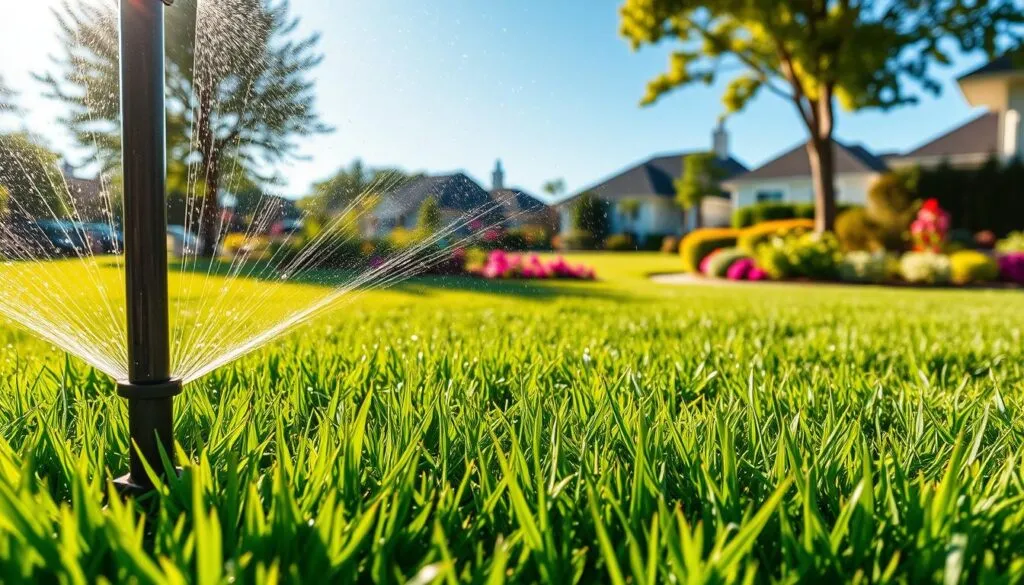
Post-mowing irrigation offers a range of benefits that support grass recovery and long-term resilience. This practice provides essential support during the critical recovery phase following cutting.
Rehydration and Stress Relief
Mowing creates significant stress for grass plants. Immediate irrigation delivers vital rehydration to help the lawn recover.
This moisture replenishment supports faster regrowth and reduces recovery time. The grass can resume normal functions more quickly.
Cooling Effect on Grass Blades
Irrigation provides a noticeable cooling effect on grass blades. This is particularly valuable during hot summer conditions.
The temperature reduction helps prevent heat-related damage. It maintains blade integrity and supports photosynthesis.
Enhanced Nutrient Absorption
Water application helps nutrients reach roots more effectively. This improved delivery supports better grass growth.
The moisture carries essential elements deeper into the soil profile. This creates optimal conditions for nutrient uptake.
| Benefit | Primary Effect | Optimal Timing |
|---|---|---|
| Rehydration | Stress reduction | 30-60 minutes post-mow |
| Cooling | Blade protection | During heat stress |
| Nutrient delivery | Enhanced growth | Consistent schedule |
These combined benefits create a synergistic effect on lawn health. Proper timing maximizes each advantage for superior results.
Risks of Watering Immediately After Mowing
Immediate irrigation following a mow introduces several potential hazards to turf vitality. Understanding these dangers helps prevent common lawn care mistakes.
Proper timing is the key to avoiding these negative outcomes. A brief waiting period makes a significant difference.
Fungal Disease Concerns
Freshly cut grass blades are particularly vulnerable. Applying moisture right away creates an ideal environment for pathogens.
This excess dampness lingers on the leaf surface and within the thatch layer. Fungal spores find these conditions perfect for germination and spread.
I find that wet grass combined with open cuts provides easy entry points for disease. This significantly increases the risk of unsightly brown patches and other fungal issues.
Soil Compaction and Overwatering
Watering instantly can saturate the top layer of soil. This leads to compaction, especially if any weight is applied to the area.
Compacted soil reduces oxygen flow to the root system. It also creates an environment where roots struggle to grow deeply.
Persistent overwatering poses a genuine threat to grass health. Waterlogged conditions suffocate roots and prevent essential drainage.
| Risk Factor | Primary Consequence | Preventive Action |
|---|---|---|
| Excess Blade Moisture | Fungal Disease | Wait 30-60 minutes |
| Saturated Soil | Root Compaction | Check soil moisture first |
| Constant Dampness | Shallow Root System | Adjust irrigation schedule |
Recognizing these signs early allows for timely adjustments. A proactive approach maintains a resilient and healthy lawn.
Key Considerations for Mowing and Watering Sequence

Making the right call on irrigation following a mow depends on a few critical checks, not just a fixed schedule. I find the most reliable approach involves a quick assessment of current conditions. This prevents wasted effort and supports the lawn’s actual needs.
The first step is always checking soil moisture. A simple screwdriver test provides excellent insight. If the tool slides into the ground easily and comes out damp, the soil has sufficient hydration.
Assessing Soil Moisture Levels
I recommend checking several inches below the surface. The top layer can dry quickly, while deeper soil retains moisture longer. This deeper check offers a true picture of available resources for the grass roots.
Soil texture greatly influences this process. Sandy earth drains fast, often needing more frequent attention. Clay types hold moisture much longer, requiring less irrigation.
Evaluating Recent Rainfall or Irrigation
Recent weather history is another vital factor. If good rain fell or the lawn was watered within a couple of days, additional water is typically unnecessary. This evaluation conserves a precious resource.
Learning to read the signs your lawn displays is invaluable. A dull gray-blue color instead of vibrant green indicates stress. Blades that fold or curl also signal a need for moisture.
Footprints or mower tracks that remain visible are clear signs. Taking the time for this assessment ensures care is responsive. It promotes a healthier lawn and smarter resource use.
Timing is Everything: Best Times for Mowing and Watering
Beyond the sequence of tasks, the specific hour of the day holds significant power over lawn vitality. I find that aligning these activities with natural cycles maximizes benefits and minimizes risks. Proper timing is a simple yet powerful tool.
Optimal Mowing Hours
The best time for a cut is late in the morning. I aim for the window between 9 and 11 a.m. This period allows morning dew to evaporate fully. The grass is dry, ensuring a clean cut.
Afternoon heat has not yet intensified, reducing stress on the turf. Evening mowing is also an option if the lawn is completely dry. The key is avoiding damp conditions.
Ideal Watering Windows
For watering, the early morning reigns supreme. I recommend completing irrigation before 10 a.m. Cooler daybreak temperatures drastically cut evaporation. This allows more water to penetrate the soil.
Grass blades have the entire day to dry, preventing overnight dampness. If a lawn is cut in the evening, I delay watering until the next morning. This simple adjustment prevents fungal issues effectively.
Environmental and Water Conservation Considerations
Water conservation strategies transform routine lawn watering into an environmentally conscious practice with lasting benefits. I find that efficient irrigation supports both landscape health and resource preservation.
Conscious water management becomes particularly important during drought conditions or water restrictions. These water efficiency tips help maintain turf vitality while reducing waste.
Water Efficiency Tips
Deep, infrequent irrigation sessions prove more effective than daily shallow watering. This approach encourages roots to grow deeper, enhancing drought tolerance significantly.
I recommend a consistent schedule that provides one to two inches weekly. Early morning timing minimizes evaporation losses dramatically.
Sustainable Irrigation Practices
Dividing the property into watering zones allows for targeted moisture application. Different areas receive appropriate amounts based on sun exposure and soil type.
Rain barrels collect precipitation for later lawn watering needs. Efficient sprinkler systems with adjustable settings further reduce consumption.
These practices create resilient turf that requires less frequent attention. The result is a healthier lawn with minimal environmental impact.
Customizing Your Lawn Care Routine: Grass and Soil Factors
I find that successful lawn management requires adapting general guidelines to match your property’s specific grass type and soil profile. This personalized approach ensures optimal health while conserving resources effectively.
Grass Species Water Requirements
Different grass varieties possess distinct hydration needs. Cool-season types like Kentucky bluegrass and fescue thrive at three to four inches tall. These grasses typically demand more frequent irrigation during warm periods.
Warm-season varieties such as Bermuda and zoysia prefer shorter cuts around two to two and a half inches. These species demonstrate greater drought tolerance, often requiring less frequent watering sessions.
Soil Texture and Moisture Retention
Soil composition dramatically influences watering frequency. Sandy earth drains rapidly, necessitating more regular irrigation to maintain adequate moisture levels. Clay soils retain water much longer, reducing irrigation needs significantly.
Lawns with deep root systems access moisture stored deeper in the soil profile. Established roots penetrating eight inches or more can draw from these reserves, extending periods between watering.
| Grass Type | Ideal Height | Water Needs | Soil Preference |
|---|---|---|---|
| Cool-season | 3-4 inches | Moderate to High | Well-draining |
| Warm-season | 2-2.5 inches | Low to Moderate | Various types |
| Drought-tolerant | Species-specific | Low | Adaptable |
Understanding these factors creates lawns that thrive with customized care. The right combination reduces overall maintenance while promoting vigorous growth.
Conclusion
Achieving lasting lawn health is less about isolated tasks and more about their intelligent integration. This guide clarifies the optimal approach to water lawn mowing for superior results.
The definitive answer to watering lawn mowing involves a simple sequence. I recommend a brief pause following any lawn mowing session before providing moisture. This timing is the cornerstone of effective watering mowing practices.
Observing soil conditions before deciding to mow lawn or irrigate is crucial. A responsive approach, tailored to your specific grass type and climate, consistently yields a healthier lawn.
Ultimately, understanding these principles empowers homeowners. Informed lawn mowing and hydration habits create a resilient, vibrant landscape. This knowledge turns routine mowing and care into a strategic investment for long-term curb appeal.
FAQ
Is it beneficial to water my lawn immediately following a mow?
Generally, it is not the best practice. Watering right after cutting can increase the risk of fungal diseases, as the freshly cut grass blades are open wounds. It is often better to hydrate the lawn a few hours before mowing or wait until the next scheduled irrigation cycle.
What is the ideal time of day for lawn watering?
The optimal window for irrigation is early morning, typically between 4 AM and 10 AM. This timing allows moisture to penetrate the soil deeply before the heat of the day causes excessive evaporation, promoting strong root growth and water efficiency.
How does mowing affect my lawn’s need for water?
Mowing places stress on the grass, slightly increasing its water requirements. A proper cut helps the lawn utilize moisture more effectively, but cutting too short can expose the soil and roots to the sun, leading to faster water loss and potential drought stress.
Can watering at the wrong time harm my grass?
Yes, improper timing can be detrimental. Watering in the evening leaves the lawn damp overnight, creating a perfect environment for fungus. Irrigation during the midday heat leads to high evaporation, wasting water and preventing it from reaching the root zone effectively.
How can I tell if my lawn needs water before I mow?
Check the soil moisture by inserting a screwdriver or a finger about two inches deep. If the soil feels dry, it is a good idea to water deeply a day before mowing. This ensures the grass is hydrated and resilient, reducing mowing stress.
What are signs of overwatering a lawn?
Indicators include a spongy feel underfoot, persistent puddles, the growth of mushrooms or algae, and a yellowing or wilting appearance of the grass blades despite wet soil. Overwatering can lead to shallow roots and soil compaction.