
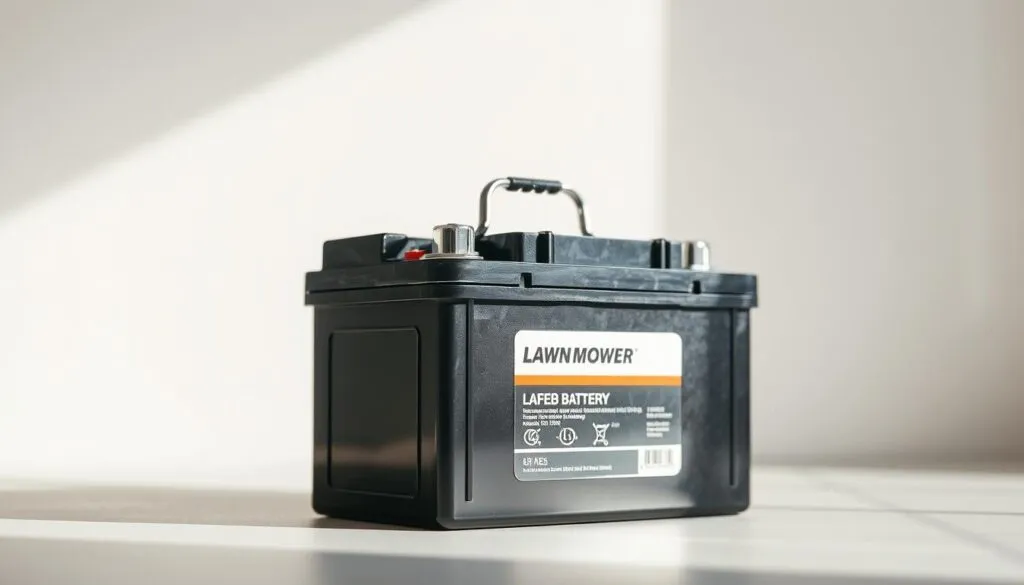
As autumn arrives, maintaining your lawn becomes a priority. Imagine effortlessly cutting your grass with a battery-powered lawn mower, free from the hassle of gas-powered machines. But have you ever wondered about the lifespan of your mower’s battery?
Understanding the lifespan of your lawn mower battery is crucial for a seamless lawn care routine. The type of battery and how you maintain it significantly impacts its durability, with some batteries lasting up to a decade.
We’ll explore the factors that affect battery performance and provide tips on maximizing its lifespan, ensuring you get the most out of your investment.
Key Takeaways
- Typical lifespan of different lawn mower batteries
- Impact of battery type on longevity
- Factors affecting battery performance and lifespan
- Signs that your lawn mower battery needs replacement
- Expert tips for maximizing battery lifespan
Understanding Lawn Mower Batteries
A lawn mower battery is more than just a power source; it’s the heart of your lawn care operation. Finding a reliable mower battery is crucial for the uninterrupted maintenance of your lawn. There are mainly two types of lawn mower batteries on the market today: lead-acid and lithium-ion batteries.
The Importance of Battery Power in Lawn Care
The battery plays a vital role in determining the efficiency and effectiveness of your lawn care equipment. A reliable battery ensures that your lawn mower or other equipment functions properly, allowing for a well-manicured lawn. The importance of power in lawn care cannot be overstated, as it directly affects the performance of your equipment.
Battery Function in Different Mower Types
The function of a mower battery varies significantly across different types of mowers. For instance, in gas-powered mowers, the battery primarily serves as a starter, while in electric mowers, it provides continuous power throughout operation. Modern cordless electric mowers rely entirely on battery power, requiring different battery technologies than traditional gas-powered models. Hybrid mowers utilize battery systems alongside gas engines for improved efficiency and reduced emissions. Understanding how battery systems function in different mower types is essential for determining the appropriate maintenance and replacement schedule for your lawn mower or other equipment.
Types of Lawn Mower Batteries
Understanding the different types of lawn mower batteries is crucial for making an informed purchase decision. Lawn mower batteries have evolved over the years, offering various options to cater to different needs and preferences.
Lead-Acid Batteries
Lead-acid batteries are one of the most traditional types used in lawn mowers. They are relatively inexpensive and widely available. However, they have some drawbacks, including a shorter lifespan and heavier weight compared to other types.
“Lead-acid batteries require regular maintenance, including checking the water levels and ensuring the terminals are clean,” says a leading battery manufacturer. Despite these maintenance requirements, lead-acid batteries remain a popular choice for many lawn mower owners due to their cost-effectiveness.
Lithium-Ion Batteries
Lithium-ion batteries, on the other hand, offer several advantages over lead-acid batteries. They are lighter, have a longer lifespan, and require less maintenance. Lithium-ion batteries are also more environmentally friendly, as they do not contain toxic materials like lead.
Newer formulations like LiFePO4 (Lithium Iron Phosphate) are gaining popularity due to their enhanced safety features and longer cycle life. As noted by a recent industry report, “Lithium-ion batteries are becoming the preferred choice for many lawn mower owners due to their superior performance and reduced environmental impact.”
AGM and Other Battery Types
Absorbent Glass Mat (AGM) batteries represent an advanced type of lead-acid battery that offers improved performance and reduced maintenance. AGM batteries are spill-proof and more resistant to vibration, making them ideal for riding mowers and rough terrain.
Other battery types, including specialized lithium formulations, are also entering the market, offering unique advantages for specific lawn care applications. When choosing a battery, it’s essential to consider the cost-benefit analysis of premium battery types and determine if the additional investment makes sense for your needs.
By understanding the different types of lawn mower batteries available, you can make a more informed decision that suits your lawn care requirements.
How Long Do Lawn Mower Batteries Last?
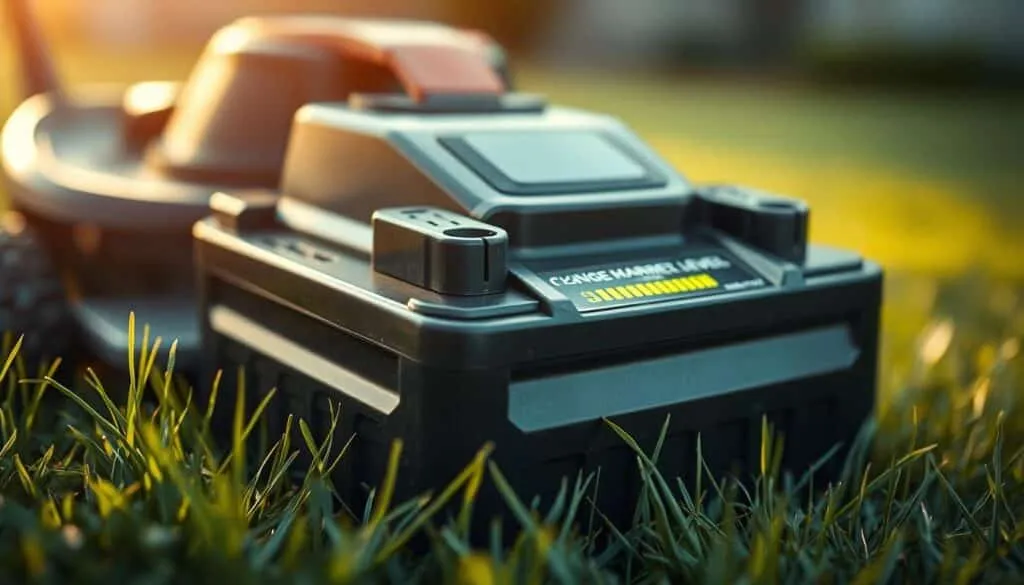
Lawn mower batteries are designed to provide reliable power, but their longevity varies based on several factors. The actual battery life largely depends on your mowing habits and environmental conditions.
Average Lifespan by Battery Type
Different types of lawn mower batteries have varying lifespans. Lead-acid batteries typically last between 3 to 5 years, while lithium-ion batteries can last from 5 to 7 years or more with proper care. Other battery types, such as AGM batteries, fall somewhere in between.
The lifespan of your lawn mower battery is significantly influenced by how you use and maintain it. Regular maintenance and proper storage can extend the battery’s life.
Runtime Per Charge vs. Overall Lifespan
It’s essential to distinguish between a battery’s runtime per charge and its overall lifespan. Runtime per charge refers to how long the battery lasts on a single charge, typically ranging from 30 to 90 minutes depending on the battery type and mower model. In contrast, overall lifespan refers to the total number of years the battery remains effective.
As batteries age, their runtime per charge gradually decreases. Most batteries lose 20-30% of their original capacity after 2-3 years of regular use. Factors such as thick or wet grass, extreme temperatures, and mower features like self-propulsion can significantly impact both runtime and overall lifespan.
To estimate your runtime needs, consider your lawn size. Most residential lawns require 30-60 minutes of actual mowing time. By understanding these factors, you can better manage your lawn mower battery’s performance and extend its lifespan.
Factors Affecting Battery Lifespan
The lifespan of a lawn mower battery is influenced by multiple factors that can significantly impact its overall performance and longevity. As we explore these factors, it becomes clear that understanding and managing them can help extend the life of your lawn mower battery.
Usage Patterns and Frequency
How you use your lawn mower significantly affects the battery’s lifespan. Frequent use can lead to more charge cycles, which can reduce the battery’s overall life. For instance, if you use your lawn mower daily during the peak mowing season, your battery will likely have a shorter lifespan compared to one used less frequently. “Proper maintenance and usage can significantly extend the life of your lawn mower battery,” as noted by industry experts.
Charging Habits and Practices
Charging habits play a crucial role in determining the lifespan of your lawn mower battery. Overcharging or undercharging can cause damage and reduce the battery’s overall capacity. It’s essential to follow the manufacturer’s charging instructions and avoid leaving the battery on the charger for extended periods. Proper charging techniques can help maintain the battery’s health and prolong its lifespan.
Storage Conditions
Storage conditions are another critical factor affecting battery lifespan. Batteries should be stored in a cool, dry place, away from extreme temperatures. Exposure to high temperatures can cause batteries to degrade faster, while extreme cold can affect their performance. Proper storage during the off-season is vital to maintaining the battery’s health.
Environmental Factors
Environmental factors, such as temperature and humidity, significantly impact lawn mower battery performance and longevity. Both high and low temperatures can negatively affect the battery, with most performing optimally between 40-80°F (4-27°C). As one expert notes, “Extreme temperatures can reduce the lifespan of your battery, so it’s crucial to protect it from harsh conditions.” Additionally, humidity and moisture can damage battery terminals and internal components, particularly in lead-acid batteries.
By understanding and managing these factors, you can help extend the life of your lawn mower battery and ensure it continues to perform optimally throughout its lifespan.
Signs Your Lawn Mower Battery Needs Replacement
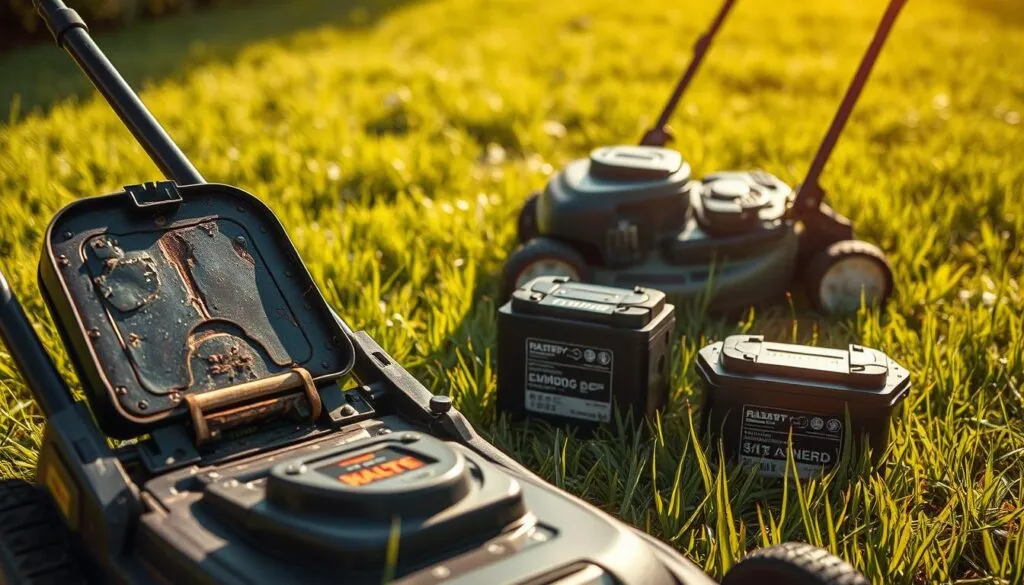
A failing lawn mower battery can be identified through several key signs that indicate it’s nearing the end of its lifespan. Recognizing these signs early can help prevent unexpected failures and ensure your lawn mower continues to operate efficiently.
Performance Indicators
One of the primary indicators that your lawn mower battery needs replacement is a noticeable decline in performance. If you start your lawn mower and hear a clicking sound, it may be a sign that the battery lacks the required capacity to power the mower. Another way to verify this is by using a multimeter to check the battery voltage. A reading below 12V for a 12V battery indicates significant degradation.
To further assess the battery’s condition, check the mower’s electrical system for a voltage drop when you notice a change in its functionality. If a drop is detected, it means the battery has weakened and needs to be replaced.
Physical Signs of Battery Deterioration
Physical inspection of the battery can reveal signs of deterioration that necessitate replacement. Visible signs include bulging cases, leaking fluid, and terminal corrosion. Corrosion on the terminals appears as a white, blue, or greenish powder and indicates chemical reactions that affect performance. Physical damage, such as cracks or deformation, presents serious safety risks and requires immediate replacement.
| Signs of Deterioration | Description | Action Required |
|---|---|---|
| Bulging Cases | Visible swelling of the battery case | Replace the battery |
| Leaking Fluid | Fluid leakage from the battery | Replace the battery immediately |
| Terminal Corrosion | Corrosion on the battery terminals | Clean or replace the terminals |
| Physical Damage | Cracks or deformation of the battery | Replace the battery immediately |
Regularly inspecting your lawn mower battery for these signs can help you identify potential issues before they lead to complete failure, ensuring your mower remains operational when you need it.
Maintenance Tips to Extend Battery Life
Maintaining your lawn mower battery is essential for optimal performance and longevity. By following a few simple maintenance tips, you can significantly extend the life of your battery and ensure your lawn mower is always ready to use.
Regular Cleaning and Connection Checks
Regular cleaning of the battery terminals and connections is vital to prevent corrosion and ensure good electrical contact. Make sure to disconnect the battery before cleaning and use a mixture of baking soda and water to neutralize any corrosion. After cleaning, reconnect the battery and apply a thin layer of petroleum jelly to the terminals to protect against future corrosion.
- Inspect battery terminals for signs of corrosion
- Clean terminals with baking soda and water
- Apply petroleum jelly after cleaning
Proper Charging Techniques
Proper charging techniques are crucial for maintaining the health of your lawn mower battery. Avoid overcharging, as it can damage the battery and reduce its lifespan. Use a charger that is compatible with your battery type, and follow the manufacturer’s instructions for charging times. For flooded lead-acid batteries, check the water levels regularly and top up with distilled water as necessary.
Seasonal Maintenance Practices
Seasonal maintenance is critical for extending the life of your lawn mower battery. Before storing your mower for the winter, make sure to charge the battery fully and then use a battery maintainer to keep it at a healthy level. When you take your mower out of storage, inspect the battery for any signs of damage or corrosion, and charge it as needed before use.
- Charge the battery fully before winter storage
- Use a battery maintainer during storage
- Inspect the battery upon removal from storage
Troubleshooting Common Battery Issues
Common battery issues can significantly impact your lawn mower’s performance, but there are effective ways to troubleshoot and resolve these problems. We will explore the most common issues and provide practical solutions to get your lawn mower up and running.
Addressing Corrosion and Terminal Problems
Corrosion on battery terminals is a common issue that can prevent your lawn mower from functioning properly. To address this, clean the terminals with a wire brush and a mixture of baking soda and water. Ensure the connections are secure and free from debris. Regularly checking battery terminals can help prevent corrosion and maintain optimal performance.
Dealing with Charging Difficulties
Charging difficulties can be frustrating, but there are several steps you can take to resolve the issue. First, ensure you’re using the correct charger for your battery type and that it’s functioning properly. Check the voltage of the charger matches the battery’s requirements, as using a higher-voltage charger can damage the battery cells. If the battery won’t accept a charge, it may be time to consider replacing it.
Conclusion
Understanding your lawn mower battery’s lifespan is crucial for effective lawn care. Typically, these batteries last between 3 to 10 years, depending on their type. Proper maintenance is key to maximizing their lifespan. By adopting good charging habits, cleaning terminals, and storing batteries correctly, you can significantly extend their life. This knowledge enables you to make informed decisions, ensuring your lawn mower performs reliably throughout the mowing seasons. Effective care and maintenance are essential for getting the most out of your lawn mower battery investment.
FAQ
What is the average lifespan of a lawn mower battery?
The average lifespan varies depending on the type, with lead-acid batteries typically lasting around 3-5 years and lithium-ion batteries lasting 5-7 years or more with proper care.
How can I extend the life of my lawn mower battery?
To extend the life, we recommend regular cleaning of the terminals, proper charging techniques, and storing the battery in a cool, dry place during the off-season.
What are the signs that my lawn mower battery needs to be replaced?
Signs include a noticeable decrease in runtime, difficulty starting the engine, and visible signs of corrosion or damage on the battery terminals and casing.
Can I use a different type of battery in my lawn mower?
It’s generally not recommended to switch battery types without consulting the manufacturer’s guidelines, as this can affect performance and potentially damage the mower.
How often should I charge my lawn mower battery?
Charging frequency depends on usage, but it’s best to charge after each use and avoid letting the battery completely discharge on a regular basis.
What is the best way to store my lawn mower battery during the winter?
Store the battery in a cool, dry place, away from direct sunlight, and consider charging it to about 50% capacity before storage to maintain its health.
Why is my lawn mower battery not holding a charge?
This could be due to age, deep discharge, corrosion on the terminals, or improper charging practices, and may require cleaning, replacement, or adjusting charging habits.
Are lithium-ion batteries better than lead-acid for lawn mowers?
Lithium-ion batteries offer several advantages, including lighter weight, longer lifespan, and better performance in extreme temperatures, but they are generally more expensive upfront.