

Choosing the correct fuel for your lawn mower is crucial for its performance and longevity. Using the wrong gas can lead to engine damage, starting issues, and increased maintenance costs.
Many of us assume that any gasoline will do, but the reality is that small engines are more sensitive to fuel quality than car engines. The right fuel type ensures your lawn mower runs smoothly, starts reliably, and continues to perform well over time.
Key Takeaways
- Understand the importance of using the correct fuel for your lawn mower.
- Learn how different fuel types affect engine performance and longevity.
- Discover the impact of fuel quality on starting reliability and maintenance costs.
- Find out how to choose the right gas for optimal lawn mower performance.
- Gain insights into the specific needs of small engines compared to car engines.
Understanding Lawn Mower Fuel Requirements
Understanding the right fuel for your lawn mower is essential for optimal performance. Lawn mowers, like other small engines, have specific fuel requirements that differ from those of automotive engines.
Why Fuel Quality Matters for Small Engines
Small engines are more sensitive to fuel quality than car engines because they operate at higher temperatures and have simpler fuel systems. The quality of fuel directly impacts how efficiently your lawn mower operates and how long the engine components will last. Poor fuel choices can lead to hard starting, rough running, and decreased power.
How Fuel Affects Engine Performance and Longevity
The type of fuel used affects not only the performance but also the longevity of the engine. Using the right fuel type can prevent expensive repairs to the fuel system. Modern lawn mowers may have different requirements than older models, especially regarding ethanol content tolerance.
| Fuel Type | Engine Performance | Longevity Impact |
|---|---|---|
| Regular Unleaded Gasoline (87 Octane) | Optimal performance for most lawn mowers | Prolongs engine life when used correctly |
| Ethanol-Blended Fuel (E10) | Generally safe for most modern lawn mowers | May cause issues if stored for extended periods |
| Ethanol-Free Fuel | Prevents ethanol-related issues | Extends storage life and engine longevity |
What Type of Gas for Lawn Mower Is Best
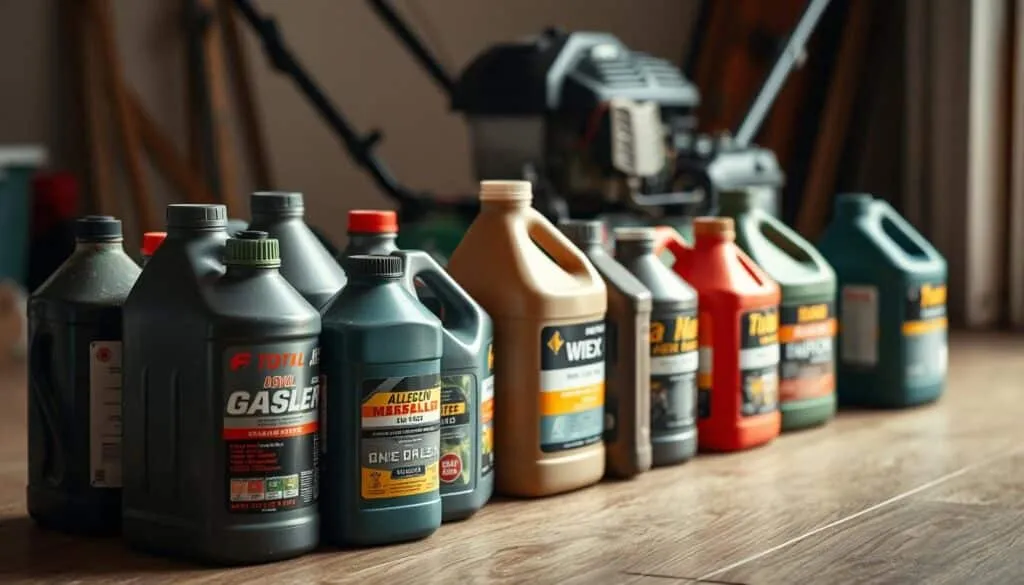
Choosing the right fuel for your lawn mower is crucial for its performance and longevity. The ideal fuel provides the right balance of power, efficiency, and engine protection.
Regular Unleaded Gasoline (87 Octane)
For most lawn mowers, regular unleaded gasoline with an 87 octane rating is the recommended fuel choice. This type of gasoline provides sufficient energy for standard lawn mower engines without the extra cost of higher octane fuels. Using 87 octane gasoline in a standard lawn mower engine ensures optimal performance and fuel efficiency.
Maximum Ethanol Content (E10 vs E15)
The ethanol content in gasoline is a critical consideration. Most lawn mowers are compatible with E10 fuel, which contains up to 10% ethanol. However, using E15 or higher ethanol blends can cause problems, including damage to fuel system components. E15 is not recommended for most lawn mowers due to potential compatibility issues.
Ethanol-Free Options
Ethanol-free gasoline (E0) is an excellent choice for lawn mowers that are stored for extended periods. Ethanol-free gas reduces the risk of fuel degradation and phase separation, which can cause engine problems. Although it’s typically more expensive than E10, ethanol-free gas offers significant advantages for infrequently used equipment.
Special Fuel Considerations
Operating a lawn mower at high altitudes or with high-performance capabilities demands a closer look at fuel requirements. The standard fuel recommendations may not be sufficient in these situations.
High Altitude Requirements
At altitudes over 5,000 feet, a minimum 85 octane / 85 AKI (89 RON) gasoline is recommended for lawn mowers. To remain emissions compliant, a high altitude adjustment is required. Without this adjustment, you can expect decreased performance, increased fuel consumption, and higher emissions. For those living at high elevations, using the correct octane rating is crucial for maintaining your lawn mower’s performance and longevity.
Premium Fuel: When Is It Necessary?
Premium gasoline with higher octane ratings is typically not needed for standard lawn mowers. However, for high-performance or commercial-grade lawn mowers with higher compression ratios, premium fuel (89-93 octane) might be necessary. It’s essential to follow the manufacturer’s specifications regarding premium fuel recommendations to ensure optimal performance and engine durability. Using premium fuel in a standard lawn mower won’t provide significant benefits, so it’s crucial to understand when it’s truly necessary.
Differences Between 2-Stroke and 4-Stroke Engine Fuel

The fuel requirements for lawn mowers vary significantly based on whether they have a 2-stroke or 4-stroke engine. This distinction is crucial for the proper maintenance and longevity of the engine.
4-Stroke Engines: Straight Gasoline Only
Four-stroke engines, which are more common in modern lawn mowers, require straight gasoline without any oil mixed in. They have separate oil reservoirs for lubrication, and adding oil to the gasoline can cause serious damage and potentially void the warranty.
2-Stroke Engines: Gas and Oil Mixture
Two-stroke engines, on the other hand, require a specific mixture of gasoline and oil, typically at a 50:1 ratio, though this can vary by manufacturer. It’s essential to use high-quality 2-cycle oil and follow the manufacturer’s instructions for the correct mix to ensure proper engine lubrication and longevity.
- For 4-stroke engines, use straight gasoline.
- For 2-stroke engines, mix gasoline with 2-cycle oil at the recommended ratio.
Canned Fuel Products for Lawn Mowers
For lawn mower owners seeking convenience and engine protection, canned fuel products are a viable option. These pre-mixed fuels, such as TruFuel, combine ethanol-free gasoline with fuel stabilizers, offering a ready-to-use solution that protects your engine.
Benefits of Pre-Mixed Fuels
Pre-mixed canned fuels offer several benefits, including long shelf life (2-5 years unopened), premium fuel quality with consistent octane, and the absence of ethanol, which eliminates common fuel-related issues. They are also convenient, requiring no mixing or additives.
When to Use Canned Fuel Products
Use canned fuel products when you need a hassle-free fueling experience, especially for infrequently used or seasonal equipment. They are ideal for those with multiple small engine tools, as they simplify maintenance and potentially reduce repair costs over time.
Proper Fuel Storage for Lawn Mowers
To keep your lawn mower running smoothly, proper fuel storage is key. Gasoline begins to degrade after just 30 days, forming gummy deposits and acids that can damage fuel system components and lead to starting problems.
Using Fuel Stabilizers
Using a fuel stabilizer can extend the shelf life of gasoline and protect your lawn mower’s engine during storage. Briggs & Stratton fuel stabilizer is specially designed for small engines, keeping fuel fresh and preventing damage from stale fuel.
- Add stabilizer to fresh fuel before storage
- Prevents acid and gum deposits from forming
- Easier than dealing with carburetor cleaning or replacement
Storage Duration Guidelines
For short-term storage (up to 30 days), you can leave fuel in the tank. However, for longer storage periods, it’s recommended to either drain the fuel or use a fuel stabilizer. Ethanol’s tendency to attract moisture makes proper storage critical to prevent corrosion and damage to your equipment.
Conclusion: Keeping Your Lawn Mower Running Smoothly
Selecting the correct fuel for your lawn mower is crucial for its performance and longevity. To summarize, most lawn mowers run best on fresh, regular unleaded gasoline (87 octane) with no more than 10% ethanol content. For seasonal storage, use ethanol-free fuel or add a quality fuel stabilizer. Always check your owner’s manual for specific requirements. Proper fuel management extends your lawn mower’s life and avoids costly repairs. By following these guidelines, you’ll enjoy reliable performance season after season.
FAQ
What is the recommended octane rating for my lawn mower?
We recommend using regular unleaded gasoline with an 87 octane rating for most lawn mowers. Using a higher octane rating than recommended will not improve performance.
Can I use E15 fuel in my lawn mower?
We advise against using E15 fuel in most lawn mowers, as it can cause corrosion and damage to engine components. E10 fuel is generally considered safe, but always check your owner’s manual.
How do I store fuel for my lawn mower during the off-season?
To prevent fuel degradation and corrosion, we recommend using a fuel stabilizer and storing fuel in a cool, dry place. Drain the tank or use a fuel stabilizer to prevent issues.
Can I use premium fuel in my lawn mower?
Unless specified by the manufacturer, using premium fuel is not necessary and can be a waste of money. Regular unleaded gasoline is usually sufficient.
What is the difference between 2-stroke and 4-stroke engine fuel?
4-stroke engines use straight gasoline, while 2-stroke engines require a gas and oil mixture. Always check your owner’s manual for the correct fuel mixture ratio.
How long can I store fuel in my lawn mower tank?
Fuel can degrade over time, causing engine issues. We recommend draining the tank or using a fuel stabilizer if you plan to store your lawn mower for an extended period.
Can I use ethanol-free fuel in my lawn mower?
Ethanol-free fuel can be a good option for lawn mowers, especially if you live in an area with high humidity or store your equipment for extended periods. It can help prevent corrosion and fuel degradation.