
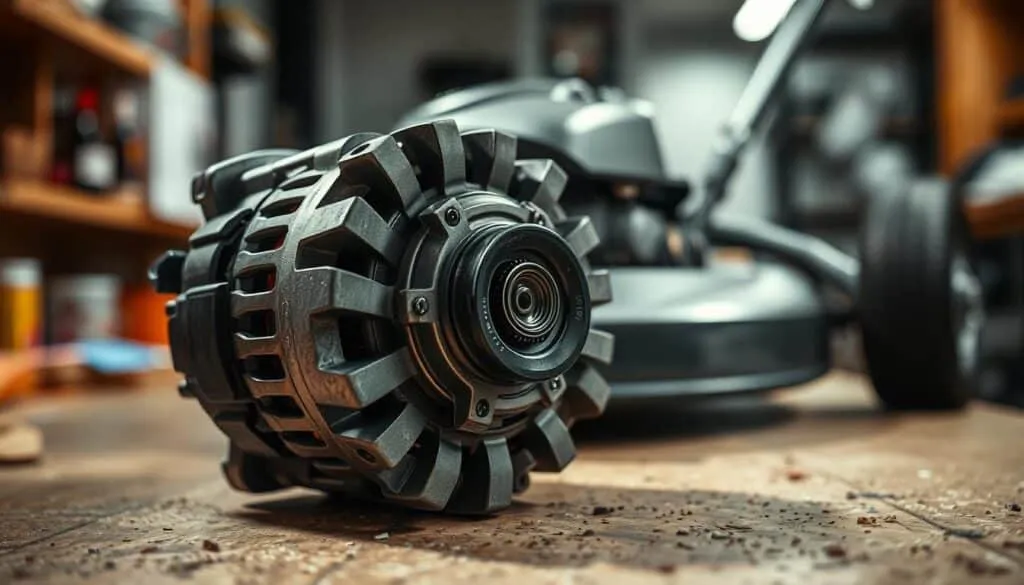
Have you ever wondered what keeps your lawn mower running smoothly, especially after multiple uses? The secret lies in understanding the electrical system of your mower, particularly the role of the alternator.
Many lawn mower owners are curious about the presence of an alternator in their equipment. The alternator is a crucial component that charges the battery and powers the electrical system, ensuring your mower starts reliably and operates efficiently.
Understanding whether your lawn mower has an alternator can help you maintain it better, troubleshoot issues, and extend its lifespan. In this article, we’ll explore the relationship between the alternator, battery, and engine in lawn mowers.
Key Takeaways
- Understanding the role of the alternator in your lawn mower’s electrical system.
- The importance of the alternator in charging the battery and powering the mower.
- How to determine if your lawn mower is equipped with an alternator.
- Tips for maintaining your lawn mower’s electrical system.
- Troubleshooting common issues related to the alternator and battery.
Understanding Lawn Mower Electrical Systems
Understanding the electrical system of your lawn mower is essential for maintaining its performance and longevity. Lawn mowers, whether push, riding, or zero-turn, rely on electrical systems to operate efficiently. These systems are composed of various components that work together to power the mower.
The Power Source Behind Your Mower
The power source behind your lawn mower is typically a combination of a battery and an alternator. The battery provides the initial power to start the engine, while the alternator charges the battery and powers the electrical system when the engine is running. Different types of lawn mowers have varying electrical system configurations. For instance, simpler push mowers might rely on a manual starting system, while more complex riding mowers use sophisticated battery-powered arrangements.
Battery vs. Alternator: What’s the Difference?
The battery and alternator are two crucial components of a lawn mower’s electrical system. The battery is responsible for providing the initial burst of power to start the engine. In contrast, the alternator generates electricity to maintain the battery’s charge and power the mower’s electrical accessories, such as headlights, while the engine is running. To illustrate the difference, consider the following table:
| Component | Function | Role in Lawn Mower |
|---|---|---|
| Battery | Provides initial power | Starts the engine |
| Alternator | Generates electricity | Charges battery, powers accessories |
As noted by a leading manufacturer, “A well-maintained electrical system is crucial for the optimal performance of your lawn mower.” This highlights the importance of understanding and maintaining the electrical components of your equipment.
Does Lawn Mower Have Alternator? The Definitive Answer

The answer to whether a lawn mower has an alternator is not straightforward and depends on several factors, including the type and model of the mower.
Lawn mowers come in various types, and their electrical systems can differ significantly. Some lawn mowers are equipped with alternators, while others are not.
Types of Lawn Mowers with Alternators
Riding lawn mowers and lawn tractors often come equipped with alternators. These alternators are typically belt-driven and charge the mower battery while the engine is running. Some zero-turn mowers may also have alternators, but this varies by model and manufacturer.
The inclusion of an alternator in these mowers supports additional electrical components and ensures the battery remains charged.
Lawn Mowers Without Alternators
Most push mowers and manual reel mowers do not have alternators, as they lack complex electrical systems. Some battery-powered lawn mowers also may not have alternators, relying on their battery for power.
The design and power requirements of these mowers make alternators unnecessary, simplifying their overall system and reducing costs.
How Lawn Mower Alternators Work
Understanding how lawn mower alternators work is crucial for maintaining your lawn mower’s electrical system. The alternator is a vital component that ensures your mower’s battery remains charged and its electrical components function properly.
Key Components of a Lawn Mower Alternator
A lawn mower alternator consists of several key components that work together to generate electricity. These include the rotor, stator, rectifier, and voltage regulator.
Rotor and Stator
The rotor is attached to the engine’s drive belt and spins when the engine is running. As it spins, it creates a magnetic field that induces an alternating current (AC) in the stator, which is stationary.
Rectifier and Voltage Regulator
The rectifier converts the AC generated by the stator into direct current (DC) that can be used to charge the battery. The voltage regulator ensures that the DC output is consistent and within a safe range for the battery and electrical system.
The Electricity Generation Process
The alternator generates electricity through a process known as electromagnetic induction. As the rotor spins, it creates a magnetic field that induces an AC in the stator. This AC is then converted to DC by the rectifier and regulated by the voltage regulator before being used to charge the battery or power the mower’s electrical components.
Testing Your Lawn Mower’s Alternator
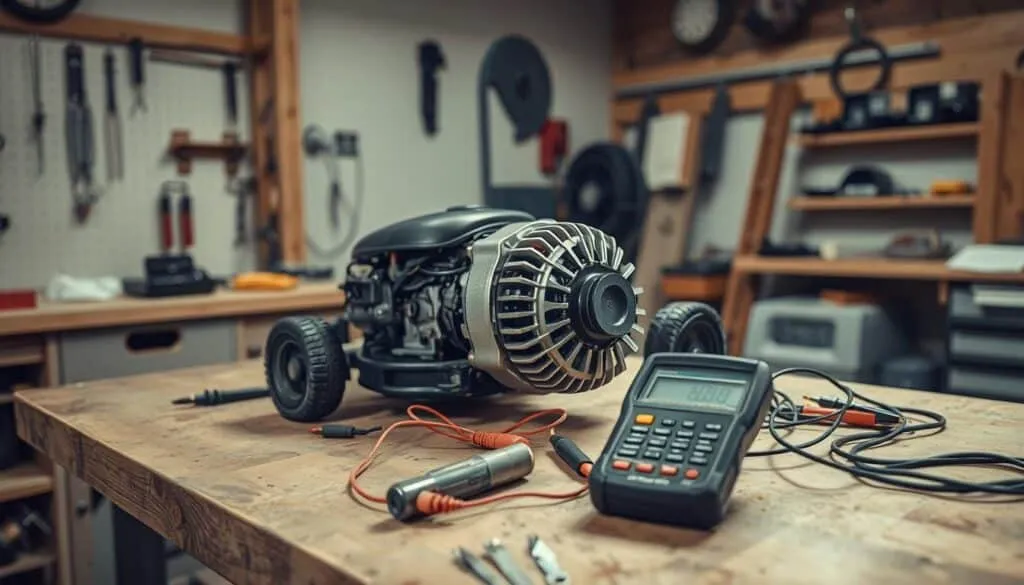
A functioning alternator is vital for your lawn mower’s electrical system, and testing it can help prevent potential issues. The alternator plays a crucial role in charging the lawn mower battery and powering electrical components while the engine is running.
Simple Headlight Test Method
One of the easiest ways to check your lawn mower’s alternator is by using the simple headlight test method. Turn on the headlights and then turn off the engine. If the lights dim or go out, it indicates that the alternator is working. If the lights remain bright, it may suggest that the alternator is not functioning correctly.
Using a Multimeter for Accurate Testing
For a more accurate diagnosis, you can use a multimeter to test the alternator’s output voltage. Connect the multimeter to the battery terminals and take a reading while the engine is running. A functioning alternator should produce a voltage reading between 13.5 and 14.5 volts.
| Multimeter Reading | Alternator Status |
|---|---|
| Below 13.5 volts | Not Charging |
| 13.5 – 14.5 volts | Charging Properly |
| Above 14.5 volts | Overcharging |
Common Signs of Alternator Problems
Common signs of alternator problems include dimming or flickering lights, a dead battery, or malfunctioning electrical components. If you notice any of these symptoms, it’s essential to test your lawn mower’s alternator to determine the cause of the issue.
Alternator Maintenance and Replacement Guide
Proper maintenance of your lawn mower’s alternator is crucial for extending its lifespan and ensuring optimal performance. Regular checks and maintenance can prevent costly repairs and ensure your equipment runs smoothly.
Routine Maintenance Tips
To keep your alternator functioning optimally, routine maintenance is key. This includes cleaning connections to prevent corrosion and checking belt tension to ensure it’s not too loose or too tight. Regular maintenance of the charging system can prevent costly repairs and extend the life of both the alternator and battery.
Step-by-Step Alternator Replacement
Replacing a faulty alternator involves several steps: Step 1: Disconnect the battery to prevent electrical mishaps. Step 2: Locate the alternator, typically near the engine. Step 3: Remove the old alternator carefully. Step 4: Install the new alternator, securing it properly. Step 5: Reconnect the battery. Following these steps ensures a safe and effective replacement process.
Safety Precautions When Working with Electrical Components
When working with electrical components, safety is paramount. Always disconnect the battery before starting work to prevent electrical shocks or damage to the equipment. Ensure you follow proper safety protocols to avoid injury.
Conclusion
As we conclude our investigation into lawn mower alternators, it’s clear that these components play a crucial role in the overall performance of yourlawn equipment. We’ve explored the intricacies of lawn mower electrical systems, including the role of alternators, batteries, and other key components.
The answer to whether alawn mowerhas an alternator depends on the type and model of the mower. Riding mowers and some high-end walk-behind mowers typically have alternators, while smaller, simpler models may not.
Understanding yourlawn mower’selectrical system is vital for proper maintenance and troubleshooting. The alternator, battery, and engine work together to maintain power to the mower’s electrical components, including headlights and other features.
To determine if your alternator is functioning properly, you can use simple testing methods like the headlight test or a multimeter for more accurate results. Regularmaintenanceis also crucial to extend the life of the alternator and the entire lawn mower.
For specific details related to your mower model, we recommend consulting your owner’s manual. By understanding your lawn mower’s electrical system and maintaining it properly, you can ensure optimal performance and longevity.
For further guidance on maintaining your lawn equipment, you may find resources on small engine repair and electrical systems helpful. Proper care and understanding of your lawn mower’s components can make a significant difference in its performance and lifespan.
FAQ
What is the purpose of an alternator in a riding lawn mower?
The alternator in a riding lawn mower is used to charge the battery and power electrical components, such as headlights, while the engine is running.
How can I determine if my lawn mower has an alternator?
To determine if your lawn mower has an alternator, check the owner’s manual or look for a component labeled as an alternator or a charging system. You can also inspect the electrical system for a device that generates power while the engine is running.
What are the signs of a faulty alternator in a lawn mower?
Common signs of a faulty alternator include dim or flickering headlights, a dead battery, or electrical system malfunctions. If you notice any of these issues, it’s essential to test the alternator to determine the cause of the problem.
Can I use a charger to charge my lawn mower battery instead of relying on the alternator?
Yes, you can use a charger to charge your lawn mower battery. However, it’s crucial to follow the manufacturer’s guidelines for charging the battery to avoid damaging the electrical system or the battery itself.
How do I test the alternator on my riding lawn mower?
To test the alternator, you can use a multimeter to measure the voltage output while the engine is running. Compare the reading to the manufacturer’s specifications to determine if the alternator is functioning correctly.
What maintenance is required to keep my lawn mower’s alternator in good condition?
Routine maintenance, such as cleaning the alternator and checking the connections, can help ensure the longevity of the component. Refer to the owner’s manual for specific maintenance recommendations.
Can I replace the alternator on my lawn mower myself?
Yes, you can replace the alternator yourself, but it’s essential to follow proper safety precautions and consult the owner’s manual or a repair manual for guidance. Make sure to purchase a replacement alternator that meets the manufacturer’s specifications.