
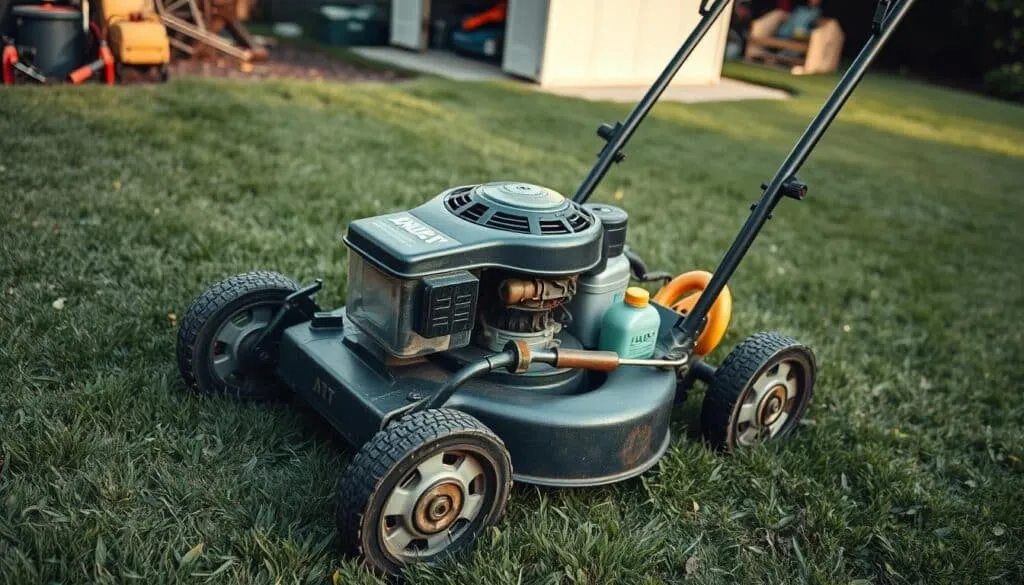
Using the right engine oil is crucial for the performance and longevity of your lawn mower. Many homeowners face challenges when selecting the appropriate oil for their equipment, often leading to premature wear and tear.
We will guide you through the process of choosing the correct oil for your lawn mower, considering factors such as temperature and the type of engine. Proper maintenance can significantly extend the life of your mower.
Key Takeaways
- Understand the importance of using the correct oil for your lawn mower.
- Learn how to choose the right oil based on temperature and engine type.
- Discover the benefits of proper lawn mower maintenance.
- Find out how to extend the life of your lawn mower engine.
- Get expert recommendations on oil selection for your specific lawn mower model.
Understanding Lawn Mower Oil Basics
Understanding the basics of lawn mower oil is crucial for maintaining your equipment’s performance and longevity. Lawn mower oil is essential for lubricating the engine, reducing friction, and preventing wear and tear on moving parts.
Why Oil is Critical for Your Lawn Mower’s Performance
Oil is critical for your lawn mower’s performance because it lubricates the engine, reducing friction between moving parts. This helps prevent overheating and damage to the engine. Moreover, oil helps to clean the engine by carrying away dirt and debris. Using the right type of oil ensures optimal engine performance and extends the lifespan of your lawn mower.
“The right oil can make a significant difference in your lawn mower’s performance and lifespan.”
How Oil Grading Works
The Society of Automotive Engineers (SAE) developed a grading system for motor oils based on their viscosity, or thickness. Viscosity is measured using a numerical scale, such as 0W-30 or 10W-30. The “W” stands for winter, indicating the oil’s performance in cold temperatures. The first number represents the oil’s flow at cold temperatures, while the second number represents its viscosity at operating temperature. For example, a 10W-30 oil flows like a 10-weight oil in cold temperatures and has the viscosity of a 30-weight oil when the engine is warm.
| Oil Grade | Viscosity at Cold Temperature | Viscosity at Operating Temperature |
|---|---|---|
| 0W-30 | 0W | 30 |
| 5W-30 | 5W | 30 |
| 10W-30 | 10W | 30 |
Selecting the right oil viscosity grade is essential for optimal engine protection and performance across various temperatures. Multi-viscosity oils, like 10W-30, provide protection across a range of temperatures, making them a versatile choice for lawn mowers used in different weather conditions.
What Kind of Oil for Lawn Mower: Types and Recommendations
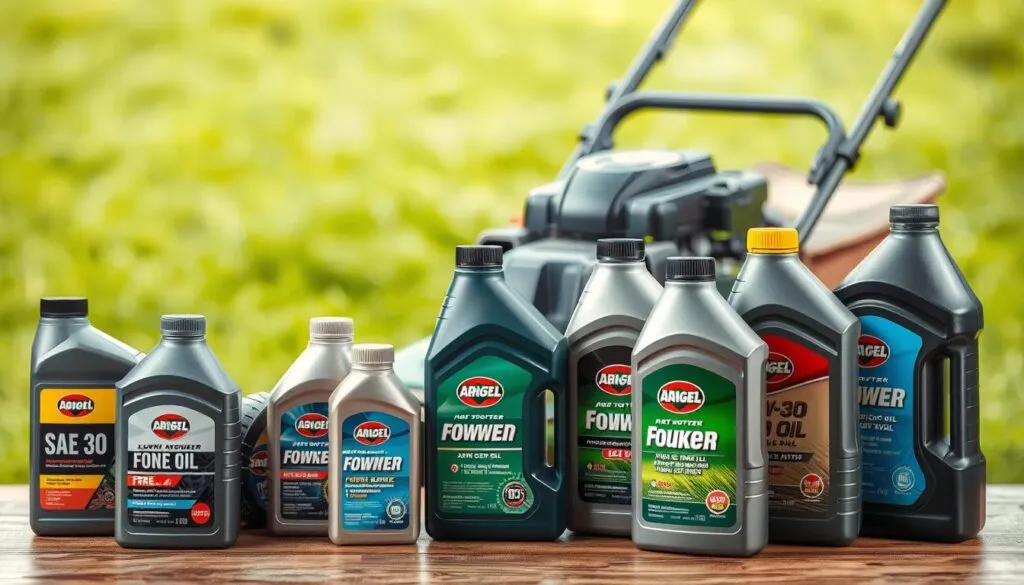
Lawn mower oil is not a one-size-fits-all solution; different types cater to various needs and conditions. When it comes to selecting the right oil for your lawn mower, understanding the different types available is crucial.
SAE 30: The Standard for Warm Weather
SAE 30 is a single-viscosity oil suitable for warm weather conditions. It’s a popular choice for lawn mowers used in temperatures above 40°F (4°C). This oil provides excellent engine protection and is often recommended for standard lawn mowers.
SAE 10W-30: For Varying Temperature Ranges
SAE 10W-30 is a multi-viscosity oil that offers versatility for lawn mowers used in varying temperature ranges. It provides easy starting in cold weather and maintains its lubricating properties in warmer temperatures, making it a good all-around choice.
Synthetic SAE 5W-30: Best All-Weather Protection
Synthetic SAE 5W-30 oil is designed for superior performance in a wide range of temperatures. It offers excellent cold-weather starting, fuel efficiency, and wear protection. This synthetic oil is ideal for lawn mowers that are used frequently or in extreme weather conditions.
Special Oils for Commercial Use
For commercial-grade lawn equipment, specialized oils like Vanguard 15W-50 are recommended. This oil is formulated for heavy-duty use and provides enhanced protection against wear and heat degradation. It’s suitable for continuous use in temperatures ranging from 20°F to 130°F (-7°C to 54°C).
When choosing an oil for your lawn mower, it’s essential to consider the type of equipment you have and the conditions in which it’s used. Always follow the manufacturer’s recommendations to ensure optimal performance and longevity of your mower.
Choosing the Right Oil Based on Temperature
The performance and longevity of your lawn mower’s engine are directly affected by the oil’s viscosity in different temperatures. Selecting the appropriate oil based on the ambient temperature is crucial for optimal engine performance and durability.
Cold Weather Considerations
In cold weather (below 40°F), using oil with the right viscosity is crucial. Thinner oils like synthetic 5W-30 are recommended as they flow more easily in cold temperatures, ensuring quicker engine lubrication.
Moderate Temperature Range
For temperatures between 40°F and 80°F, multi-viscosity oils like 10W-30 are suitable. They provide a balance between cold-start performance and high-temperature protection.
Hot Weather Oil Selection
In hot weather (above 80°F), higher viscosity oils like SAE 30 are generally recommended. However, using 10W-30 may lead to increased oil consumption. It’s essential to check oil levels frequently and consider synthetic oils for better performance in extreme heat.
| Temperature Range | Recommended Oil |
|---|---|
| Below 40°F | Synthetic 5W-30 |
| 40°F – 80°F | 10W-30 |
| Above 80°F | SAE 30 |
Synthetic vs. Conventional Oil for Lawn Mowers
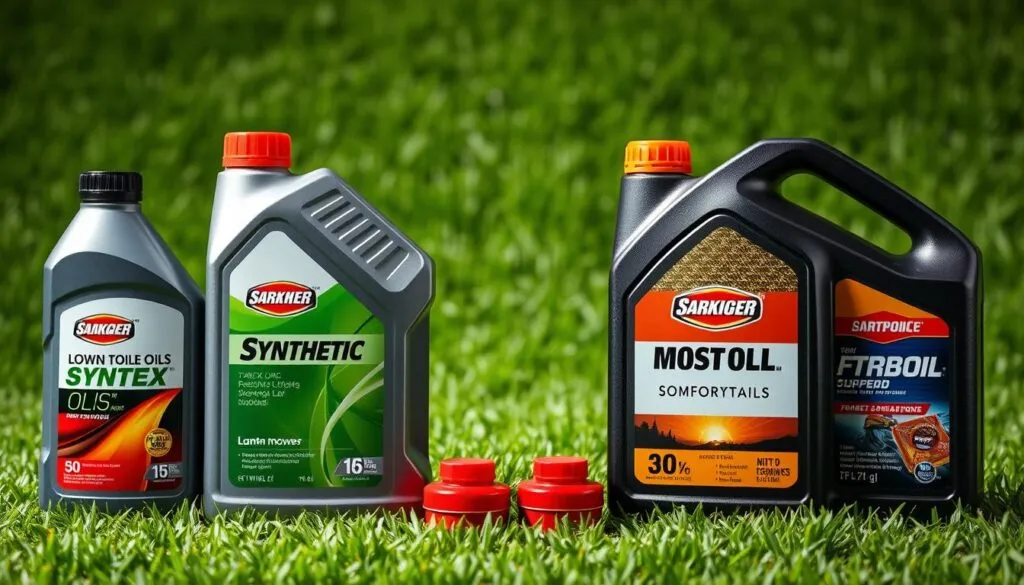
Selecting the appropriate oil for your lawn mower involves understanding the differences between synthetic and conventional oils. Both types have their advantages and are suited for different conditions and mower types.
Benefits of Synthetic Oil
Synthetic oil offers several benefits for lawn mower engines, including improved lubrication at extreme temperatures and longer oil change intervals. It provides better engine protection and can improve fuel efficiency. According to a study, synthetic oil can reduce engine wear by up to 50% compared to conventional oil.
“Synthetic oil’s superior performance in extreme temperatures makes it an ideal choice for lawn mowers used in harsh weather conditions.”
A comparison of synthetic and conventional oil is provided in the table below:
| Oil Type | Temperature Range | Engine Protection |
|---|---|---|
| Synthetic | -20°F to 100°F | Excellent |
| Conventional | 40°F to 80°F | Good |
When to Choose Conventional Oil
Conventional oil remains a viable and economical choice for many lawn mower owners, particularly those in moderate climates with regular usage. It’s essential to select a high-quality detergent oil classified as “For Service SF, SG, SH, SJ” or higher. Conventional oil is typically less expensive than synthetic alternatives and may be sufficient for older lawn mower models.
- Conventional oils provide adequate protection in moderate climates.
- They are less expensive than synthetic oils.
- Regular changes are still necessary according to manufacturer specifications.
By understanding the benefits and limitations of both synthetic and conventional oil, you can make an informed decision that best suits your lawn mower’s needs.
Lawn Mower Oil Capacity Guide
Knowing the correct oil capacity for your lawn mower can significantly impact its efficiency and lifespan. The oil capacity varies between walk-behind mowers and riding mowers, and understanding these differences is crucial for proper maintenance.
Walk-Behind Mowers: How Much Oil to Use
For walk-behind mowers, the oil capacity is generally smaller compared to riding mowers. Typically, these mowers require between 15 to 18 ounces of oil, but it’s essential to consult your owner’s manual for the exact oil capacity for your specific model. Using the right amount of oil ensures that your mower’s small engine runs smoothly.
Riding Mowers: Oil Capacity Requirements
Riding mowers have a significantly larger oil capacity than walk-behind models, typically requiring 48 to 64 ounces of oil. The exact oil capacity can depend on the engine size and configuration. It’s crucial to check the oil level regularly and maintain it within the recommended range to ensure the longevity of your riding mower’s engine oil system. Additionally, riding mowers often have oil filters that need to be changed during oil changes, and commercial-grade models may have different requirements.
To maintain your riding mower, change the engine oil every 100 hours of use or annually, whichever comes first. Always refer to your owner’s manual for specific guidance on oil level checks and maintenance schedules.
How to Check and Change Your Lawn Mower Oil
Checking and changing the oil in your lawn mower is a simple yet vital task that can significantly impact its performance and longevity. Regular oil changes help keep the engine clean and well-lubricated, ensuring your mower runs efficiently.
Step-by-Step Oil Level Check Process
To check the oil level, first, ensure your lawn mower is on a level surface. Then, locate the oil dipstick, usually found near the engine. Remove the dipstick, wipe it clean with a cloth, and reinsert it. Remove it again to check the oil level against the dipstick’s markings. If the level is low, you’ll need to add oil to the recommended level. It’s crucial to refer to your owner’s manual for the correct type of oil to use.
Oil Change Frequency and Best Practices
The frequency of oil changes depends on the type of lawn mower you have. For walk-behind mowers, change the oil every 50 hours of use or at least once a year. For riding mowers, change the oil every 100 hours or annually. Factors such as dusty conditions or heavy use may require more frequent changes. Always dispose of used oil in an environmentally responsible manner and keep records of oil changes to maintain your mower’s health.
Conclusion: Keeping Your Lawn Mower Running Smoothly
To keep your lawn mower running smoothly, it’s essential to choose the right oil and maintain it properly. Selecting the correct oil depends on the type of lawn mower and operating conditions. Regular oil checks and changes are crucial for maintaining performance and extending the life of your mower engine.
Using the manufacturer’s recommended oil type and following maintenance schedules will help ensure your lawn mower engine runs efficiently. It’s also important to consult your owner’s manual for specific recommendations for your model. Proper oil maintenance is one of the simplest yet most effective ways to protect your lawn mower investment.
By following these guidelines and making seasonal oil changes part of your regular maintenance routine, you’ll not only improve performance but also reduce emissions. This practice contributes to a well-maintained lawn mower that performs better and lasts longer.
FAQ
What type of oil is recommended for my lawn mower?
We recommend using a high-quality detergent oil, such as SAE 30 or SAE 10W-30, depending on the temperature range in your area. For varying temperature ranges, SAE 10W-30 is a good choice.
Can I use synthetic oil in my lawn mower?
Yes, synthetic oil, such as SAE 5W-30, can be used in lawn mowers and provides excellent all-weather protection. However, it’s essential to check your owner’s manual to ensure compatibility.
How often should I check my lawn mower’s oil level?
We recommend checking your lawn mower’s oil level before each use to ensure it’s at the recommended level. This helps prevent engine damage and ensures optimal performance.
What is the correct oil capacity for my walk-behind lawn mower?
The oil capacity for walk-behind mowers varies depending on the model and manufacturer. Typically, it’s around 20-24 ounces. Always refer to your owner’s manual for the correct oil capacity.
Can I use car oil in my lawn mower?
While car oil and lawn mower oil may seem similar, they have different formulations. Lawn mower oil is designed to handle the high-revving, high-temperature conditions of small engines. Using car oil may not provide the best performance or protection.
How do I change the oil in my riding lawn mower?
To change the oil in your riding lawn mower, locate the oil drain plug, and drain the oil into a pan. Then, replace the plug, and fill with the recommended oil type and capacity. Refer to your owner’s manual for specific instructions.
What are the benefits of using synthetic oil in my lawn mower?
Synthetic oil provides better engine protection, improved fuel efficiency, and longer oil change intervals. It’s also more resistant to breakdown and provides better performance in extreme temperatures.