
Have you ever wondered if that generic motor oil sitting in your garage could be silently damaging your prized lawn equipment? Many homeowners make this costly mistake, unaware that their mower’s performance and longevity depend on one critical choice.
Selecting the proper lubricant for your machine isn’t just about keeping it running. It’s about protecting your investment and ensuring reliable performance season after season. The correct fluid prevents premature wear, reduces overheating, and saves you from expensive engine repairs.
Your equipment’s needs vary based on three main factors: the specific machine you own, its engine design, and your local climate. For example, Briggs & Stratton engines require high-quality detergent oil with specific service classifications. Outdoor temperatures also play a crucial role in determining the ideal viscosity for optimal performance.
Key Takeaways
- Oil selection depends on your specific equipment, engine type, and local temperature conditions
- Using the correct lubricant prevents engine damage and extends your mower’s lifespan
- Different mower models (walk-behind vs. riding) have unique oil requirements
- Engine manufacturers provide specific recommendations for optimal performance
- Climate affects oil viscosity needs – hotter or colder regions require different formulations
- Proper maintenance starts with choosing the right fluid for your machine
- Investing in quality oil now saves money on future repairs and replacements
Understanding Your Lawn Mower’s Oil Needs
Engine protection begins with understanding how temperature fluctuations affect lubricant performance in your yard equipment. The right fluid viscosity ensures smooth operation and prevents premature wear.
Overview of Oil Types and Viscosities
Your equipment’s engine requires specific viscosity grades based on operating conditions. SAE 30 becomes too thick below 40°F, making cold starts difficult. Above 80°F, 10W-30 may thin out excessively.
This increased fluid consumption demands more frequent level checks. Thicker formulations provide better heat management in warmer climates.
Impact of Engine Design and Outdoor Temperatures
Air-cooled engines generate significant heat during operation. These common lawn equipment designs need specialized formulations for optimal performance.
Manufacturers design their engines with specific internal tolerances and cooling capabilities. Matching viscosity to your regional climate maintains proper lubrication.
Cold temperatures cause fluids to thicken, while heat makes them thin out. This directly impacts engine protection and operational efficiency.
Choosing the Right Engine Oil for Different Conditions
Modern engine oils offer advanced formulations that can significantly enhance your mower’s reliability and longevity. The proper selection depends on both environmental factors and your equipment’s specific requirements.
SAE Ratings and Their Ideal Temperature Ranges
SAE viscosity ratings indicate how fluids perform at different temperatures. Lower numbers like 5W-30 flow better in cold weather, while higher grades like SAE 30 work well in warmer climates.
Your equipment needs the right viscosity for optimal operation. Using incorrect grades can lead to poor starting and reduced engine protection.
Synthetic versus Conventional Oil Options
Synthetic oils provide superior performance across all temperature ranges. Major manufacturers like Briggs & Stratton now recommend formulations such as 5W30 or 15W50 for year-round use.
These advanced lubricants offer better engine protection with reduced oil consumption. They improve cold-weather starting and maintain consistent viscosity.
While synthetic options cost more initially, they deliver long-term benefits for your equipment. Regular maintenance schedules remain unchanged regardless of which formulation you choose.
what type of oil does my lawn mower take: A Comprehensive Guide
Your equipment’s longevity depends heavily on following manufacturer-recommended service schedules. Establishing proper maintenance routines ensures optimal performance and prevents premature engine wear.
Recommendations for Mower Models and Engine Capacities
Different equipment requires specific maintenance approaches. Walk-behind models typically need more frequent attention than riding mowers due to smaller engine capacities.
Always consult your owner’s manual for precise specifications. Manufacturer guidelines provide the most accurate recommendations for your specific equipment.
| Mower Type | Oil Change Interval | Annual Check | Filter Replacement |
|---|---|---|---|
| Walk-Behind Mower | Every 50 hours | Required if hours not reached | With every oil change |
| Riding Mower | Every 100 hours | Required if hours not reached | With every oil change |
| Commercial Equipment | Every 25-50 hours | Not applicable | With every oil change |
Insights on Optimal Oil Change Intervals and Usage
Tracking operational hours is more accurate than calendar time alone. Equipment used infrequently still requires annual maintenance checks.
Extreme conditions demand more frequent service. Dusty environments, high temperatures, or heavy workloads accelerate engine wear.
New equipment requires special attention. Engines typically ship without lubricant and must be properly filled before initial use.
Regular oil level checks between changes prevent low-level operation. Consistent maintenance protects your investment and ensures reliable performance.
Step-by-Step Instructions for Checking and Changing Oil
Performing your own maintenance gives you control over your equipment’s health and performance. This guide walks you through the complete process safely and effectively.
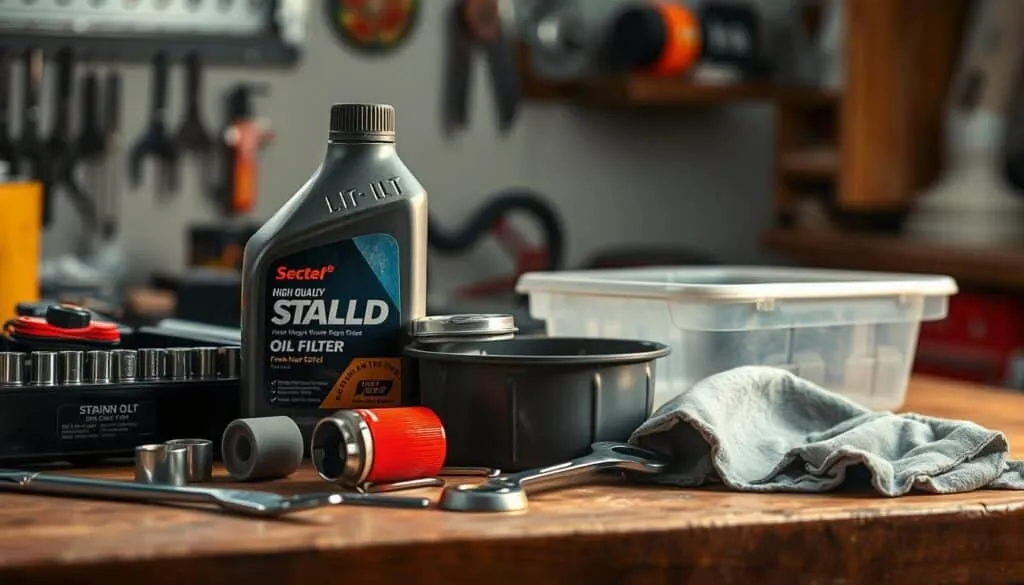
First, gather your supplies. Having everything ready saves time and prevents messes.
How to Inspect Your Oil Level and Identify the Correct Amount
Start with a cool engine on a level surface. Locate and wipe clean the dipstick.
Reinsert it fully, then pull it out to check the level. The fluid should be between the marked lines.
Consult your manual for the exact capacity. Adding too much or too little can cause problems.
Detailed Process for Draining and Refilling Oil
Run the engine for a few minutes to warm the engine oil. This helps it drain completely.
Turn off the engine and disconnect the spark plug wire for safety. Position your drain pan.
For riding mowers, locate the drain plug underneath. For walk-behind models, carefully tip the machine to pour the old mower oil out through the fill tube.
| Tool | Purpose | Importance |
|---|---|---|
| Drain Pan | Collects used oil | Required for clean disposal |
| Funnel | Prevents spills during refill | Highly Recommended |
| New Oil Filter | Replaces old filter | Needed if your model has one |
| Rags | Cleaning up drips | Recommended |
After draining, replace the oil filter if your lawn mower has one. Smear a bit of new engine oil on the filter gasket before tightening it by hand.
Use a funnel to add new fluid. Add it slowly, checking the dipstick frequently to avoid overfilling.
Once filled, reconnect the spark plug wire. Run the engine briefly to circulate the new mower oil. Shut it off, wait a minute, and recheck the level.
Finally, dispose of the used oil at a designated recycling center. This simple change extends your machine’s life.
Maintenance Tips and Best Practices for Your Mower
The true secret to extending your mower’s operational life lies in a disciplined maintenance routine. Consistent care prevents major issues before they start.
This approach saves you significant cost and effort in the long run. It ensures your equipment delivers reliable performance season after season.
Importance of Regular Oil Checks and Filter Maintenance
Always check the oil level before you start the engine. This simple habit takes just a minute but provides crucial protection.
Running with low lubricant causes rapid wear and potential failure. Regular checks are your first line of defense.
For filter use, always choose OEM (Original Equipment Manufacturer) parts. Aftermarket filters often cause leaks and fit poorly.
For example, Toro mowers need filter part number 136-7848 to avoid common leakage. Kohler engines accept both black and yellow filters.
High temperatures affect your maintenance schedule. Above 80°F, 10w-30 may lead to higher oil consumption.
In extreme heat, check the level more frequently. Thicker oils can offer better heat management.
| Usage Pattern | Oil Level Check | Filter Inspection | Action if Low |
|---|---|---|---|
| Residential (Weekly) | Before each use | Every oil change | Top up immediately |
| Commercial (Daily) | Before each use | Every 25 hours | Top up and investigate cause |
| Seasonal (Infrequent) | Before each use & after storage | Annually | Top up and run engine briefly |
Following these recommendations protects your investment. It keeps your lawn looking great without unexpected repairs.
Conclusion
The path to optimal mower performance is paved with regular, proper maintenance. Your choice of lubricant is a critical part of this routine.
Focus on three simple factors: your specific equipment model, local climate, and usage patterns. Understanding viscosity grades and the benefits of synthetic oil empowers you to make the best decision for your mower engine.
Always follow your manufacturer’s recommendations for fluid type, capacity, and change intervals. This practice is the most effective way to protect your investment from premature wear.
Consistent care prevents expensive repairs down the line. Checking levels before use and changing fluids on schedule ensures your equipment delivers reliable service for many seasons. Your operator’s manual is your best guide for model-specific needs.
This small investment of time pays significant dividends in performance and longevity. Proper maintenance keeps your lawn looking great and your machine running smoothly.
FAQ
What is the most common oil for a lawn mower engine?
Most small engines, like those in walk-behind mowers from brands like Toro or Honda, perform well with SAE 10W-30. This viscosity offers solid protection across a wide range of temperatures. Always confirm this in your owner’s manual for your specific model.
Can I use car engine oil in my mower?
It is not recommended. Automotive oils often contain additives that can harm small engines and damage emission control systems. Use oil specifically labeled for small engines or lawn equipment to ensure proper performance and protection.
How often should I change the oil in my riding mower?
For riding mowers, a good rule is to change the oil after every 50 hours of operation or at least once per mowing season. High-usage or dusty conditions may require more frequent intervals. Regular changes are crucial for engine longevity.
Is synthetic oil better for my lawn mower?
Synthetic oil provides superior protection, especially under extreme temperatures and heavy loads. It reduces engine wear and can extend the time between oil changes. While it costs more, it’s an excellent investment for your equipment’s health.
How do I check the oil level correctly?
A> Ensure the engine is on a level surface and cool. Wipe the dipstick clean, reinsert it fully, then pull it out again to check the level. The oil should be between the “Full” and “Add” marks. Never overfill.
What happens if I use the wrong oil viscosity?
Using oil that is too thick can make starting difficult in cold weather and strain the engine. Oil that is too thin may not provide adequate lubrication, leading to increased wear and potential engine damage. Always use the viscosity recommended for your climate.