

Have you ever considered that the simple choice of lubricant could be the deciding factor between a reliable machine and a costly repair bill? Your equipment’s heart, the engine, depends entirely on this vital fluid for its health and power.
Selecting the correct lubricant is not about guesswork. It is a precise decision that safeguards your investment. The right choice ensures smooth operation, maximizes fuel economy, and dramatically extends the life of your equipment.
This guide will demystify the process. You will learn how factors like climate and your specific engine model influence the ideal lubricant. We break down viscosity grades and types into easy-to-understand information.
Armed with knowledge and your manufacturer’s manual, you can confidently provide the best care. Protect your machine’s performance and longevity with the correct fluid selection.
Key Takeaways
- Choosing the proper lubricant is critical for engine protection and equipment longevity.
- The ideal viscosity grade depends on your local temperature and the engine type.
- Always consult your owner’s manual for the manufacturer’s specific recommendation.
- Using the correct oil improves engine performance and fuel efficiency.
- Understanding viscosity helps prevent common engine problems and expensive repairs.
Understanding Oil Viscosity and Its Impact on Lawn Mower Performance
Engine performance hinges on a critical characteristic that governs how lubricants behave in various environments. This property, known as viscosity, directly affects how well your equipment operates.
Defining Viscosity and Its Importance
Viscosity describes a fluid’s thickness and resistance to flow. In simple terms, it measures how easily your lubricant moves through engine components. Thicker fluids have higher viscosity numbers.
The right viscosity ensures proper lubrication between moving parts. It creates a protective film that reduces friction and wear. Choosing the correct grade is essential for engine longevity.
How Temperature Affects Oil Performance
Temperature dramatically changes how lubricants perform. Cold conditions thicken fluids, while heat makes them thinner. This is why seasonal changes matter for your equipment.
SAE 30 works well in warmer climates above 40°F. Below this temperature, it becomes too thick for easy starting. Multi-grade options like 10W-30 adapt to varying conditions.
Synthetic SAE 5W-30 offers superior protection across all temperature ranges. It flows easily in cold weather while maintaining thickness when hot. This versatility provides excellent engine care throughout the year.
What Weight Oil For Lawn Mower: Key Factors to Consider
The combination of your engine type and local weather dictates the ideal lubricant choice. These elements work together to determine the proper viscosity grade for maximum protection.
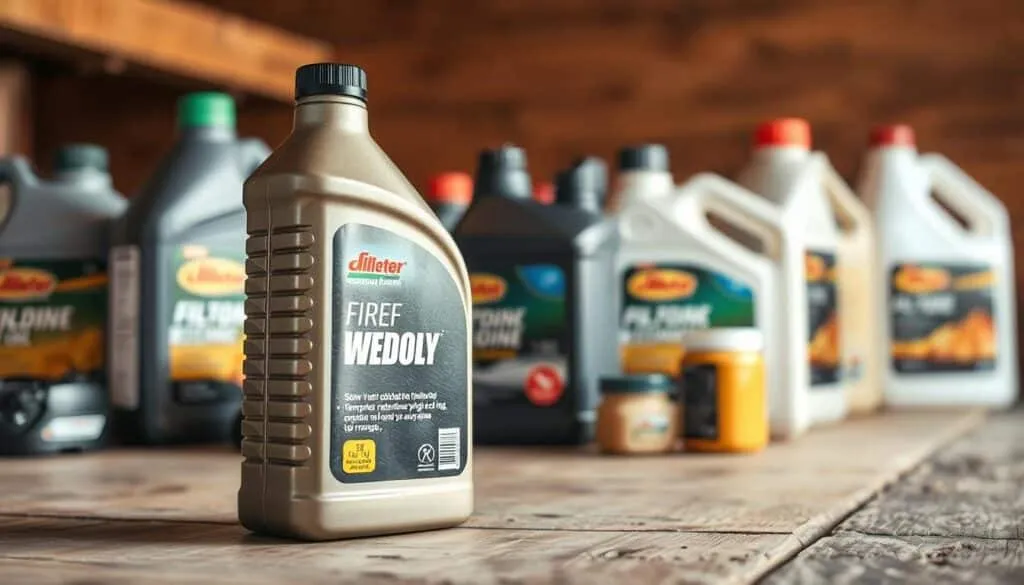
Engine Type and Manufacturer Recommendations
Your equipment’s design directly influences lubricant needs. Different manufacturers specify particular grades based on engine construction.
Kawasaki engines often perform best with 20W-50 to prevent valve issues in older models. Kohler air-cooled engines typically require SAE 30 during hot southern months.
For cooler regions like Northern Florida, 10W-30 suits Kohler engines well. Toro equipment commonly uses either SAE 30 or 10W-30 depending on model specifications.
Larger displacement engines need thicker lubricants. The Kohler 980 CC Big Block requires 20W-50 due to its approximately three-quart capacity.
Environmental Considerations and Temperature Ranges
Your local climate significantly impacts fluid performance. Warmer temperatures demand thicker grades like SAE 30 for proper lubrication.
Colder regions benefit from multi-grade options such as 10W-30. These adapt to varying conditions throughout the temperature range.
Always select high-quality detergent oil classified “For Service SF, SG, SH, SJ” or higher. Avoid special additives that might interfere with engine function.
Your operator’s manual provides the final authority for your specific equipment. Combine this knowledge with climate awareness for optimal engine care.
Oil Types and Their Benefits for Your Lawn Mower
The lubricant you pour into your equipment’s engine represents a direct choice between upfront savings and long-term performance. Understanding the different oil types empowers you to select the best product for your needs and climate.
Conventional Oil vs. Synthetic Oil
Conventional oils are refined directly from crude oil. Their most significant advantage is lower cost, often about half the price of synthetic alternatives.
Synthetic oil is engineered in a lab for superior performance. It flows better in cold weather for easier starting. It also resists breaking down under high heat.
This advanced type of lubricant provides excellent protection across all temperatures. You will notice less consumption between changes. Many products are synthetic blends, offering a middle ground for cost and protection.
Choosing the Correct SAE Grade
The SAE number on the bottle indicates viscosity. Your choice depends heavily on your local weather patterns.
A single-grade oil like SAE 30 is ideal for consistently warm climates. For regions with varying temperature swings, a multi-grade like 10W-30 is more versatile.
Synthetic SAE 5W-30 offers the best all-around protection. For demanding commercial lawn care, a specialty grade like Vanguard 15W-50 is designed for continuous use.
While synthetic oil costs more initially, its enhanced engine protection can extend your equipment’s life, providing better value over time.
Proper Oil Checks and Maintenance Procedures
Regular maintenance is your engine’s best defense against premature wear and costly repairs. Consistent fluid monitoring and timely replacement ensure optimal performance throughout the mowing season.

Establishing a routine for inspection prevents most common engine problems. This section guides you through essential procedures for different equipment types.
How to Check Your Oil Level and Use a Dipstick
Always park your equipment on a flat surface before checking. Remove the dipstick cap and wipe the blade clean with a rag.
Reinsert the dipstick fully, then remove it again to view the fluid level. The mark should fall between the “full” and “add” lines.
If the reading is low, add small amounts gradually. Allow time for the lubricant to settle before rechecking the level.
Step-by-Step Guide to Changing Your Oil
Prepare your work area with newspapers to catch drips. Clean around the fill cap before opening.
For push models, tilt the machine to drain old fluid into a pan. Riding equipment may require a siphon pump or drain tube.
Dispose of used lubricant properly in sealed containers. Refill gradually while continuously monitoring the dipstick level.
Maintaining Oil Capacity for Different Mower Types
Equipment size determines how much lubricant your engine needs. Following manufacturer specifications prevents overfilling or insufficient lubrication.
| Mower Type | Typical Capacity | Change Interval |
|---|---|---|
| Walk-Behind | 15-22 ounces | Every 50 hours or annually |
| Riding | 48-64 ounces | Every 100 hours or annually |
Check the fluid level frequently during peak season. More frequent changes may be needed under extreme operating conditions.
Proper maintenance extends your equipment’s service life significantly. Following these procedures ensures reliable performance season after season.
Troubleshooting and Optimization Tips for Engine Protection
Smart maintenance involves more than just regular fluid changes—it requires understanding how your equipment consumes lubricant under different conditions. Monitoring usage patterns helps you spot potential issues before they become serious problems.
When temperatures climb above 80°F, certain multi-grade lubricants may lead to increased consumption. This requires more frequent level checks to ensure proper engine protection.
Addressing Increased Oil Consumption Issues
Watch for blue smoke from the exhaust, which indicates burning fluid. Also check for leaks around seals and gaskets. These signs help determine if consumption is normal or indicates mechanical issues.
Using synthetic SAE 5W-30 provides best protection across all temperatures. It reduces consumption while improving cold weather starting. This versatile choice addresses many common consumption concerns.
Optimizing Oil Use for Varying Temperature Conditions
In extreme heat, thicker grades like 20W-50 offer better lubrication and heat management. For cold temperatures below 40°F, avoid SAE 30 to prevent hard starting.
Always check the dipstick before each start. Adjust your lubricant selection based on seasonal changes. This proactive approach maximizes your equipment longevity.
Proper maintenance and the right oil for current conditions prevent most engine problems. Your vigilance ensures reliable performance year after year.
Conclusion
Making the right choice for your equipment’s maintenance comes down to applying the knowledge you’ve gained about viscosity and engine requirements. Your final selection depends on understanding your specific engine type, manufacturer recommendations, and operating temperature conditions.
Different brands like Briggs & Stratton, Kawasaki, Kohler, and Toro have specific preferences that should guide your purchasing decisions. Match lubricant viscosity to your climate with SAE 30 for warm weather and multi-grade options for varying conditions. Regular checks and timely changes every 50-100 hours ensure maximum equipment longevity.
Consult your operator’s manual and consider your regional temperature range when selecting quality lubricants. Understanding different types, grades, and maintenance procedures empowers you to make confident decisions. This knowledge protects your investment and ensures reliable performance season after season.
FAQ
How do I know which SAE grade to use in my equipment?
Check your owner’s manual first. Most small engines perform well with SAE 30 for consistent warm weather. For a varying temperature range, a 10W-30 multigrade offers better protection during startup in cold temperatures.
Can I use synthetic oil in my mower engine?
Yes, you can. Synthetic oil provides superior performance and engine protection, especially under extreme heat or cold temperatures. It often leads to less oil consumption and a cleaner-running motor.
How often should I change the lubricant in my machine?
A good rule is to change lawn mower oil every 25-50 hours of operation or at least once per season. Always follow the specific maintenance schedule in your equipment’s manual for the best results.
What happens if I use the wrong viscosity?
Using an incorrect grade oil can cause poor lubrication. Oil that’s too thick won’t circulate well in cold temperatures, while oil that’s too thin may not provide adequate protection when the engine is hot, leading to increased wear.
How do I check the fluid level correctly?
A> Ensure your machine is on a level surface. Remove the dipstick, wipe it clean, reinsert it fully, and then remove it again to check the level. The fluid should be between the high and low marks on the stick.
Does the outdoor temperature really affect my choice?
Absolutely. Temperature has a major impact on viscosity. You need an oil that flows easily at your typical startup temperature range to protect vital engine components from the moment you start the equipment.