
As the last wisps of winter dissipate, homeowners across the United States eagerly anticipate the arrival of spring, and with it, the start of lawn care season. But when exactly should you begin mowing your lawn?
The timing of your first mow can significantly impact the health and appearance of your grass throughout the growing time. Mowing too early or too late can stress your lawn, leading to long-term problems. Factors such as spring weather patterns, grass types, and regional climate differences all play a crucial role in determining the optimal time to start mowing.
Understanding the right moment to start lawn care is crucial. For instance, after overseeding a fescue lawn, it’s essential to wait for the right moment to mow. According to our research, waiting a few weeks allows the new seedlings to establish, ensuring a thicker, healthier turf.
Key Takeaways
- Timing your first mow correctly is crucial for maintaining a healthy lawn.
- Weather patterns, grass types, and regional climate differences impact the optimal mowing start time.
- Proper lawn care practices during early mowing season significantly affect your yard’s appearance and health.
- Mowing too early or too late can damage grass and lead to long-term lawn problems.
- Understanding the right time to start mowing is key to a lush, vibrant lawn.
Understanding the Timing of Mowing Season
The timing of mowing season is influenced by a combination of temperature thresholds, regional differences, and grass type. As we transition from winter to spring, understanding these factors becomes crucial for maintaining a healthy lawn.
Temperature Requirements for Grass Growth
Temperature plays a critical role in determining when grass begins to grow. For cool-season lawns, such as those with fescue, Kentucky bluegrass, and perennial ryegrass, consistent temperatures above 50°F are necessary for growth to commence. On the other hand, warm-season lawns like Bermuda grass, centipede grass, and zoysia grass require soil temperatures to reach around 65°F before they start growing.
It’s essential to monitor both air and soil temperatures to determine the right time to start mowing. Premature mowing can damage the grass roots and hinder healthy growth throughout the summer months.
Regional Differences Across the United States
Regional climate variations across the United States significantly impact the start of mowing season. In southern states, mowing can begin as early as February, while in northern regions, it might not start until late April. Understanding your local climate patterns and how they affect your specific grass type is vital for proper lawn care timing.
How Different Grass Types Affect Mowing Schedules
Different grass types have distinct growth patterns that directly impact when you should begin mowing your lawn after winter dormancy. Cool-season grasses and warm-season grasses follow different growth calendars, determining optimal mowing schedules. By understanding the specific needs of your yard, you can ensure a lush and healthy lawn throughout the summer.
By considering these factors and adjusting your mowing schedule accordingly, you can promote healthy growth and maintain a vibrant lawn throughout the growing season.
When Does Mowing Season Start? Key Indicators to Watch For
The onset of mowing season is not just about the calendar; it’s about observing specific signs in your lawn and environment. As we transition from winter to spring, several key indicators signal that it’s time to start mowing.
Grass Height: The 3-Inch Rule
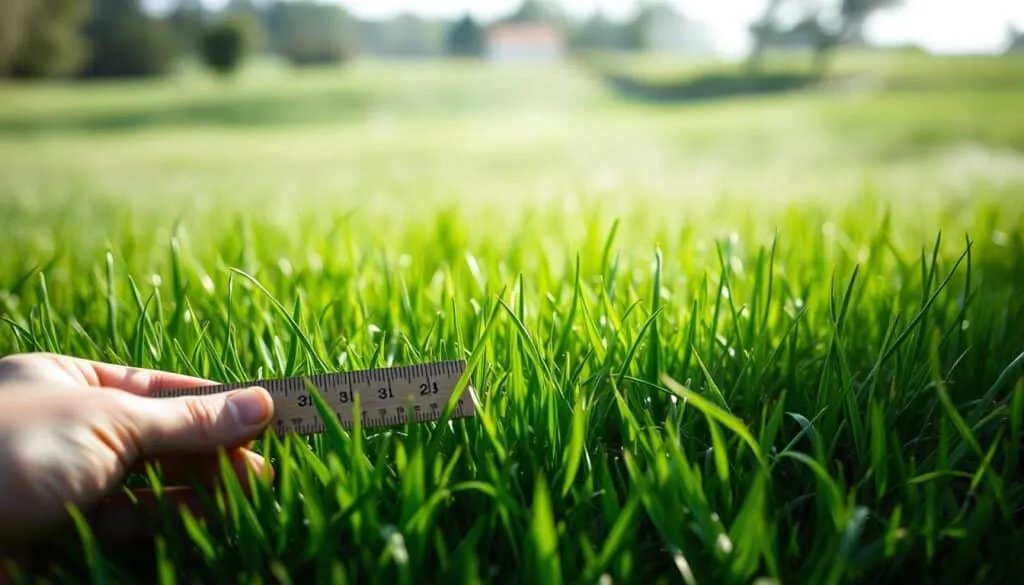
One of the most reliable indicators that it’s time to start mowing is when your grass reaches a height of about 3 inches. This 3-inch rule serves as an excellent guideline because it ensures that the grass is tall enough to require mowing but not so tall that it becomes difficult to cut. To measure accurately, place a ruler or measuring tape in several spots across your lawn to account for any uneven growth.
Maintaining your lawn at the optimal height is crucial. Cutting too early can stress the grass, while waiting too long can make the first cut more challenging. As “The Lawn Care Expert” notes,
“The ideal time to mow is when the grass is dry, and the height is around 3 inches.”
Soil Temperature and Consistency
Soil temperature is another critical factor that directly correlates with root activity and grass growth. When the soil temperature reaches around 42°F (5°C), it’s a good indication that the soil is ready for the new growth cycle. You can use a soil thermometer to check the temperature. Additionally, the consistency of the soil is important; it should be firm enough to support mowing without compacting.
Natural Signs: What Blooming Plants Tell Us
Nature provides reliable signals through blooming plants. For instance, when magnolia trees start to bloom, it’s often a sign that the soil has reached the ideal temperature for grass growth. These natural indicators can vary by region, so it’s essential to be familiar with the local flora. Observing these signs can help you time your first mow perfectly.
Weather Patterns to Monitor
Consistent weather patterns are also crucial. Several consecutive days with temperatures above 50°F (10°C) indicate that it’s the best time to start considering your first mow. Moreover, the moisture content of your soil plays a significant role; mowing wet spring lawns can cause compaction and damage. Therefore, it’s essential to monitor weather forecasts to plan your mowing accordingly.
By paying attention to these indicators—grass height, soil temperature, natural signs, and weather patterns—you can determine the optimal time to start mowing your lawn, ensuring a healthy and thriving lawn throughout the growing season.
Preparing Your Lawn and Equipment for the First Mow
Getting your lawn and mower ready for the first cut is essential for a healthy and vibrant turf. As the last remnants of winter fade away, it’s crucial to inspect and prepare both your lawn and equipment for the upcoming mowing season.
Lawn Inspection and Cleanup Steps
Before you start mowing, inspect your lawn for debris such as sticks, rocks, or fallen branches that could damage your mower blades or hinder healthy grass growth. Remove any leftover leaves and winter debris, as these can smother new growth and create ideal conditions for lawn diseases. It’s also a good opportunity to identify and address early spring weeds before they spread throughout your turf.
Mower Maintenance Checklist
Proper mower maintenance is essential before the first use of the season. Start by checking your mower blades for sharpness and rust. Dull blades tear grass instead of cutting it cleanly, leaving your lawn vulnerable to disease and stress. Ensure your mower is in good working order by checking the tire pressure, oil, and gas levels.
Blade Sharpening and Replacement
Sharp mower blades are crucial for a clean cut. If your blades are damaged or worn out, consider replacing them. Regular sharpening will help maintain their effectiveness throughout the mowing season.
Engine and Fuel System Check
Perform an engine maintenance check, including oil changes, spark plug checks, and fuel system cleaning. This ensures your mower performs reliably throughout the season.
Pre-Mowing Lawn Treatments
The right pre-mowing lawn treatments can significantly enhance your lawn’s response to the first cut. Consider appropriate fertilization timing to promote healthy growth. This step can make a substantial difference in the overall health and appearance of your lawn.
By following these steps, you’ll be well-prepared for the first mow of the season, ensuring a healthy start for your lawn.
Best Practices for Early Season Mowing
As we dive into the mowing season, it’s crucial to understand the best practices for early season mowing to ensure a healthy lawn. Early spring mowing sets the tone for the rest of the growing season, and adopting the right techniques can make a significant difference in the health and appearance of your grass.
Ideal Cutting Height for the First Mow
For your first mow of the season, aim to cut your grass to about 2.5 to 3 inches in height, depending on the type of grass you have. Cutting it too short can expose the root system to stress, pests, and disease. If your lawn has grown long during the winter, it’s best to mow it gradually over a few sessions, reducing the height bit by bit.
The One-Third Rule: Why It Matters
No matter which height you select, don’t remove more than 1/3 of the blade length in a single mowing. Removing too much can lead to ruts in your lawn or big clumps of cut grass that smother the grass underneath. This rule is especially important during the first cuts of the season to prevent stress on the recovering lawn.
Mowing Frequency in Early Spring
Mowing frequency in early spring should be adjusted based on the growth rate of your lawn rather than a fixed schedule. As the weather warms up, your grass will start growing more rapidly. It’s essential to monitor the height and adjust your mowing schedule accordingly to maintain optimal lawn health.
- Maintain proper cutting height (typically 2.5-3 inches) to promote healthy grass growth.
- Follow the one-third rule to prevent stress on the recovering lawn.
- Adjust mowing frequency based on growth rate rather than a fixed schedule.
- Avoid mowing wet grass to prevent disease spread.
Handling Wet Spring Conditions
Late spring can bring wet conditions that present special challenges for lawn mowing. Cutting wet grass runs the risk of spreading disease. It’s advisable to wait until the dew is dried or a few days after a heavy rain before mowing. This patience will help in maintaining a healthy lawn throughout the late spring season.
By following these best practices for early season mowing, you can ensure your lawn remains healthy and vibrant throughout the growing season.
Setting Your Lawn Up for Success
Setting your lawn up for success involves more than just knowing when to start mowing. It requires a comprehensive approach to lawn care that addresses various factors throughout the year.
Proper lawn care is crucial for a healthy and lush yard. To achieve this, it’s essential to understand the growth cycle of your specific grass type, whether it’s cool-season or warm-season grass. For instance, Fescue and bluegrass should be fertilized around the same time they receive their first mowing, while warm-season grasses benefit from nutrients in late spring or summer.
A well-planned lawn care calendar can guide you through essential maintenance tasks from early spring to winter. This includes adjusting mowing practices, fertilization, and watering schedules to maintain lawn health during different weather conditions. Proper watering techniques during the early growing season are vital for establishing deeper root systems that can withstand summer heat stress.
In addition to mowing, other lawn care practices like aeration, dethatching, and weed control contribute to a comprehensive yard maintenance strategy. It’s also important to identify and address common spring lawn diseases before they cause significant damage to your recovering turf.
By balancing these practices and considering environmental factors such as water conservation, you can maintain a healthy, vibrant lawn throughout the year. Regular maintenance of your mower equipment is also crucial for consistent performance and extending the life of your lawn care tools.
FAQ
What is the ideal time to begin mowing my lawn in the spring?
We recommend checking the grass height and soil temperature. When the grass reaches 3 inches in height and the soil is no longer frozen, it’s usually time to mow.
How often should I mow my lawn during early spring?
In early spring, we suggest mowing your lawn once every 7-10 days, depending on the growth rate and weather conditions. It’s essential to follow the one-third rule to avoid stressing the turf.
What is the one-third rule, and why is it important?
The one-third rule states that you should not cut more than one-third of the grass blade in a single mowing. This helps prevent shocking the grass and reduces the risk of disease and weed invasion.
How do I prepare my lawn mower for the first mow of the season?
Before the first mow, we recommend checking the mower blade for damage, sharpening it if necessary, and ensuring the mower is in good working condition. You should also clean up any debris from the lawn.
What are some signs that indicate it’s time to start mowing my lawn?
We look for signs such as blooming plants, like crocuses and daffodils, which indicate that the soil has warmed up, and the grass is actively growing. Additionally, check the grass height and soil temperature.
How do different types of grass affect my mowing schedule?
Different grass types have varying growth rates and optimal mowing heights. For example, cool-season grasses like Kentucky bluegrass and perennial ryegrass grow rapidly in early spring, while warm-season grasses like Bermudagrass and zoysiagrass start growing later.
What are some best practices for mowing my lawn in wet spring conditions?
We advise avoiding mowing when the lawn is wet, as this can damage the turf and create an ideal environment for disease. If you must mow, use a sharp blade and consider raising the mowing height to reduce stress on the grass.