
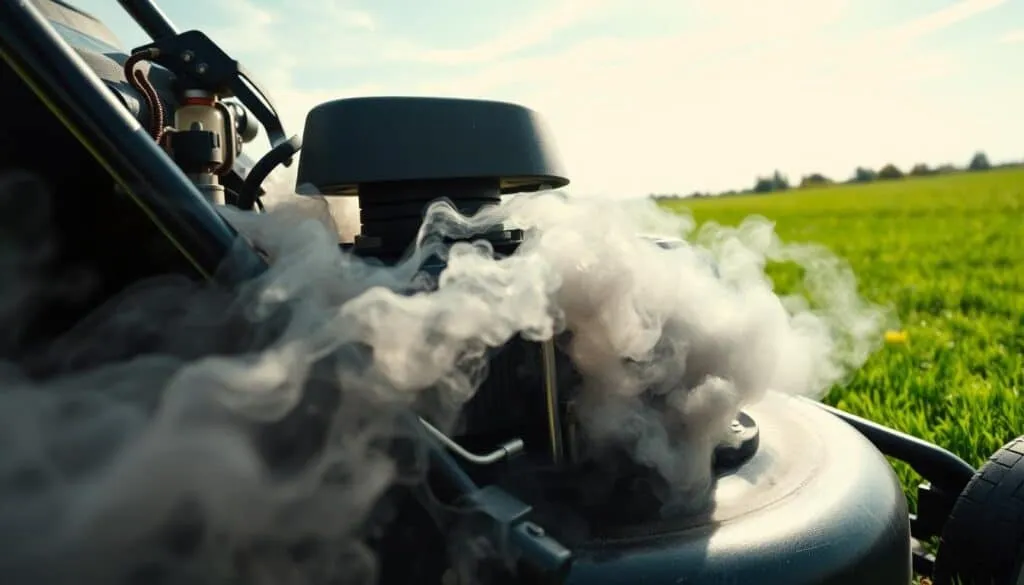
Is that puff of exhaust from your yard machine a sign of a major breakdown? Many homeowners feel a surge of panic when they first notice their equipment emitting smoke. It’s a common sight that often triggers worries about expensive engine repairs or even replacement.
Here’s the good news: industry data shows that most of these incidents are not catastrophic. In fact, a vast majority of complaints—around 85%—stem from just a handful of simple issues. The real challenge isn’t the complexity of the problem, but correctly identifying the source.
Understanding the specific cause is the first step toward a solution. The color of the smoke and the conditions under which it appears are vital clues. This knowledge empowers you to address the situation confidently and effectively.
Taking quick action based on the right reasons can prevent a minor hiccup from turning into a costly visit to the repair shop. With the proper diagnosis, you can often get your machine running cleanly again for less than twenty dollars.
Key Takeaways
- Seeing smoke from your lawn mower is often a minor issue, not a major engine failure.
- Approximately 85% of smoking problems are due to a few common, easily identifiable causes.
- Quick diagnosis and action can save you significant money on repairs.
- Many fixes for a smoking mower are simple and cost under $20.
- Identifying the smoke’s color and when it occurs is crucial for accurate troubleshooting.
- Proper maintenance can prevent many smoking issues from happening in the first place.
- Addressing the problem early helps extend the overall lifespan of your equipment.
Understanding the Basics of Lawn Mower Smoke
Exhaust plume coloration provides immediate insight into your machine’s operational health. Each shade reveals specific conditions within the engine system. Learning to interpret these visual cues is essential for accurate diagnosis.
What the Smoke Colors Indicate
White or blue emissions typically signal oil burning in inappropriate areas. This occurs when lubricant reaches hot surfaces or enters the combustion chamber. The color variation between white and blue results from different combustion temperatures rather than distinct problems.
Black vapor indicates a fuel-rich mixture with insufficient air supply. Gray exhaust often points to oil contamination or general engine wear. Recognizing these patterns helps you identify the correct issue quickly.
How Engine Components Contribute to Smoke
Key parts like seals, crankcases, and breather systems play crucial roles in smoke production. When these components fail, oil can enter areas where combustion occurs. Worn seals or cracks allow lubricant to leak into the combustion chamber.
Understanding how engine components interact helps you trace smoke sources accurately. This knowledge prevents unnecessary repairs and guides effective solutions.
Troubleshooting: Why Does My Lawn Mower Smoke
Effective troubleshooting starts with investigating the two issues responsible for the majority of smoking incidents. Together, excess lubricant and restricted airflow account for nearly two-thirds of all cases. Focusing on these areas first saves time and money.
Examining Excess Oil and Overfilled Reservoirs
An overfilled oil reservoir is a leading cause of white exhaust upon startup. This accounts for roughly 35% of problems. Most push models require only 18-20 ounces; adding a full quart creates significant excess oil.
When the oil level surpasses the maximum mark, the surplus is forced into the combustion chamber. It burns on hot surfaces, creating visible vapor. Always check oil with a clean dipstick, ensuring the reading is between the min and max marks.
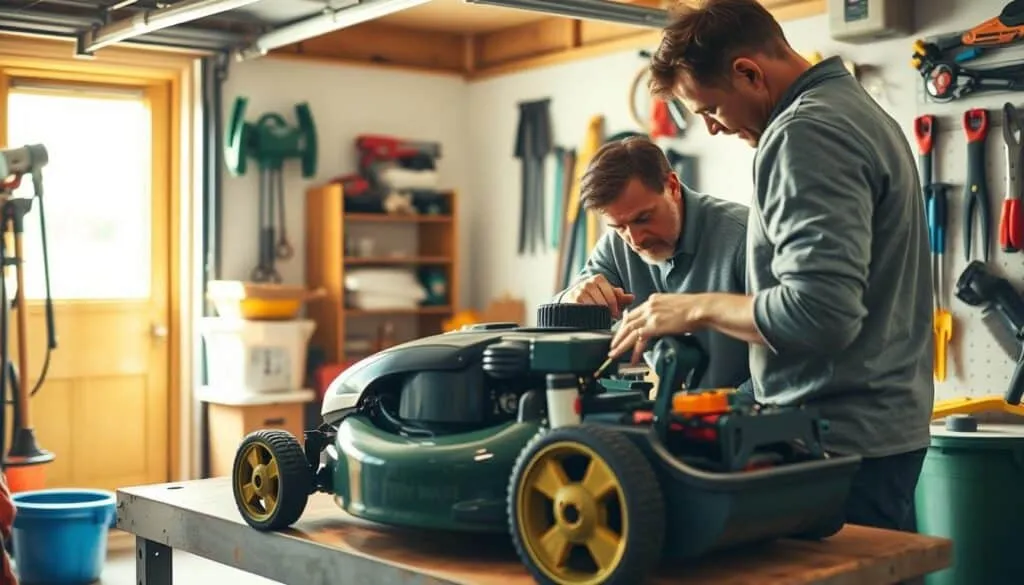
Oil leaks can also occur from mowing on steep slopes or tipping the equipment sideways. Worn seals or a cracked crankcase are other common sources. Fortunately, fixing overfilled oil costs nothing—simply drain the excess via the drain plug.
Identifying Clogged Air Filters and Airflow Blockages
A clogged air filter is the primary reason for black exhaust, responsible for about 30% of issues. When the filter is blocked, the engine cannot get enough air.
This creates a “rich” fuel mixture, burning too much gasoline. Paper air filter elements typically need replacement after 25 hours of use. A new filter is an inexpensive fix, usually costing between $8 and $15.
Never operate your engine without a air filter installed. Inspecting this component regularly is a key preventative step for maintaining proper air flow and avoiding smoking problems.
Diagnosing Other Smoke Colors and Engine Issues
Different smoke colors reveal distinct mechanical issues beyond simple oil overfill. While white vapor often indicates lubrication problems, darker emissions signal fuel system malfunctions. These conditions account for approximately 15% of smoking incidents but can be more complex to resolve.
Interpreting Black Smoke Symptoms
Black exhaust points to a too-rich fuel mixture in your combustion chamber. The carburetor fails to deliver the proper air-to-gasoline ratio when airflow becomes restricted. A clogged air filter is the most common cause of this imbalance.
Your engine burns excess fuel without sufficient oxygen, creating dark vapor. This reduces power and efficiency significantly. Cleaning or replacing the filter often solves the issue, but sometimes carburetor adjustment becomes necessary.
Blue Smoke and Fuel System Troubles
Blue smoke shares roots with white smoke but appears under different combustion temperatures. Fuel system problems frequently contribute to this coloration. Aged gasoline breaking down after 30 days creates combustion issues.
Stuck carburetor components can flood the engine with fuel. In gravity-fed systems, a stuck needle valve allows gasoline to drain into the crankcase. This contaminates your oil, causing it to overfill and lose lubricating properties.
Diagnostic signs include disappearing fuel from the tank and oil that smells like gasoline. Solutions range from cleaning the carburetor to replacement units costing under $30. Professional repair for these issues typically runs $25-120.
Quick Fixes and Preventative Measures
Taking proper safety measures when noticing exhaust issues protects both you and your machine. Implementing these protocols ensures effective resolution while maintaining equipment longevity.
Immediate Safety Steps and Engine Cool-Down
Your first action should always be shutting off the equipment immediately. Wait for the vapor to clear completely before any investigation begins.
For electric models, disconnect the spark plug to eliminate fire hazards. After the unit cools, inspect the air filter for contamination. Clean or replace components as needed before restarting.
Run the engine for 5-10 minutes to burn off excess lubricant that may have entered the system. This simple process resolves many common emission problems.

Routine Maintenance and Diagnostic Checks
Regular inspections prevent most exhaust complications before they develop. Check your equipment frequently to catch issues early.
Approximately 20% of emission problems stem from tipped equipment. If this occurs, let the unit sit upright for 30 minutes. Inspect the spark plug and air filter for oil contamination before restarting.
| Maintenance Task | Frequency | Estimated Cost | Key Benefit |
|---|---|---|---|
| Air Filter Replacement | Every 25 hours | $8-15 | Prevents rich fuel mixture |
| Spark Plug Inspection | Seasonally | $5-10 | Ensures proper ignition |
| Oil Level Check | Before each use | Free | Prevents overfilling issues |
| Complete Tune-Up | Annually | $25-50 | Extends equipment lifespan |
When basic fixes don’t resolve persistent leaks, professional repair becomes necessary. Technicians can inspect valves and internal components for comprehensive solutions.
Conclusion
Proper diagnosis of exhaust symptoms can transform a potential disaster into a simple maintenance task. Understanding the root causes behind visible emissions empowers you to take timely action.
Most problems stem from preventable issues like overfilled oil or restricted air flow. Continuing to operate equipment with these conditions risks serious engine damage over time.
The knowledge you’ve gained helps you identify whether you need a quick DIY fix or professional repair assistance. When basic troubleshooting doesn’t resolve persistent smoking, seeking expert help becomes the smart choice.
Regular maintenance protects your investment and ensures cleaner operation. This approach extends your equipment’s lifespan while creating a healthier environment for everyone nearby.
FAQ
What should I do immediately if my lawn mower starts smoking?
Turn off the engine immediately and move the equipment away from any flammable materials. Allow the engine to cool down completely before you attempt to inspect it or perform any repairs.
Is white smoke from a lawn mower a serious problem?
White smoke often indicates excess oil in the combustion chamber, usually from an overfilled oil reservoir. While it needs to be addressed, it’s typically less severe than blue smoke, which can signal internal engine wear.
How does a clogged air filter cause my mower to smoke?
A clogged air filter restricts airflow, creating a fuel mixture that is too rich. This incomplete combustion can lead to black smoke and can also cause the engine to run poorly or stall.
Can using the wrong type of oil make my mower smoke?
Yes. Using an oil viscosity not recommended for your specific engine, like a thicker automotive oil, can lead to improper lubrication and burning, which may produce smoke.
What does blue smoke mean, and how is it fixed?
Blue smoke usually means engine oil is burning inside the combustion chamber. This can be caused by worn piston rings, valve seals, or a damaged crankcase breather. Repair often requires professional service.
How often should I check the oil level to prevent smoking issues?
You should check the oil level before each use. Ensure the level is between the high and low marks on the dipstick. Adding too much oil is a common cause of white smoke.