
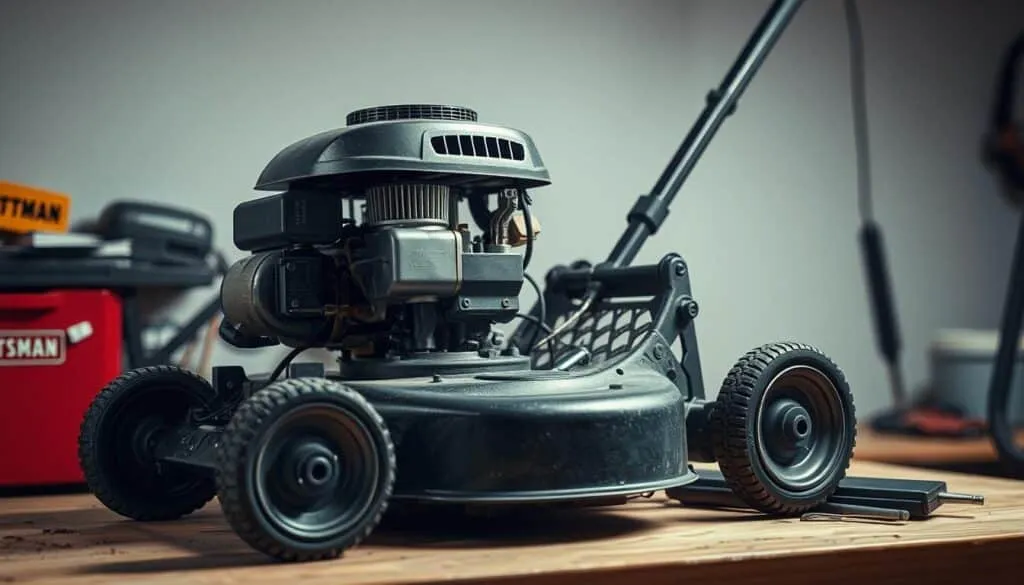
Have you ever wondered if that frustrating moment when your equipment refuses to cooperate could actually be a simple fix waiting to happen?
Many homeowners experience this exact situation with their outdoor power tools. The good news is that most beginning troubles stem from basic maintenance oversights rather than complex mechanical failures.
This guide addresses the common challenges that prevent your machine from firing up. You’ll discover that many of these difficulties relate to fuel delivery, electrical components, or routine care practices.
The systematic approach presented here helps you diagnose whether your equipment needs professional attention or if you can handle the repair yourself. Empowering yourself with this knowledge saves both time and money while building confidence in maintaining your outdoor power equipment.
Understanding these fundamental principles prevents future operational problems and extends the life of your gardening tools. Regular maintenance becomes second nature when you know what to look for and how to address it properly.
Key Takeaways
- Most starting difficulties result from simple maintenance oversights
- Fuel-related problems are among the most common issues
- A systematic troubleshooting approach helps identify the root cause
- Many repairs can be completed without professional assistance
- Regular maintenance prevents future operational challenges
- Understanding basic diagnostics saves time and money
- Knowing when to seek professional help prevents further damage
Understanding Your Lawn Mower’s Starting System
Understanding the fundamental components that bring your outdoor power equipment to life is the first step toward effective maintenance. This knowledge transforms random troubleshooting into targeted diagnosis.
Overview of Key Components
Your equipment’s starting mechanism relies on several interconnected parts. Each element must function properly for successful ignition.
The battery delivers electrical power to energize the entire system. This energy flows through the ignition switch when activated.
| Component | Primary Function | Common Issues | Maintenance Frequency |
|---|---|---|---|
| Battery | Provides electrical power | Low charge, corrosion | Seasonal check |
| Starter Solenoid | Engages starter motor | Electrical failure | As needed |
| Fuel System | Delivers gasoline | Clogged lines, old fuel | Regular inspection |
| Spark Plug | Creates ignition spark | Fouling, gap issues | Annual replacement |
How the System Works
The starting sequence begins when you activate the ignition. Electrical current flows to the starter solenoid.
This engages the starter motor, which physically turns the engine over. Simultaneously, the fuel system delivers gasoline while the spark plug creates the necessary spark.
All components must work in perfect coordination. A failure in any single area prevents the entire system from functioning properly.
Common Issues Affecting Your Mower’s Start
Most equipment starting failures can be traced back to problems within three interconnected systems. These fundamental areas work together to create the perfect conditions for ignition.
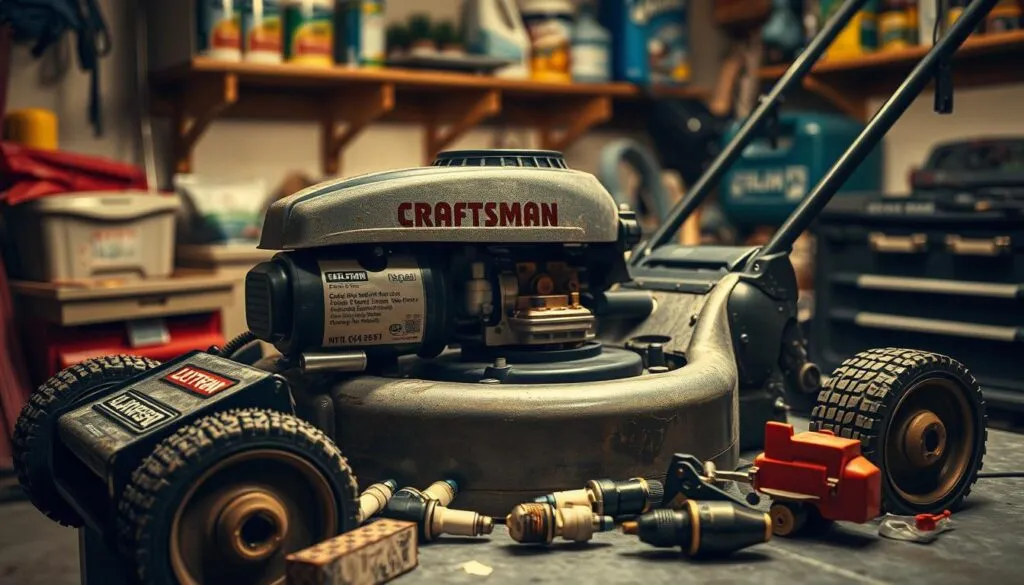
Understanding how these systems interact helps you diagnose issues more effectively. You can quickly identify which area needs attention.
Fuel and Air Supply Problems
Fuel quality significantly impacts your equipment’s performance. Gasoline that sits for extended periods breaks down and forms deposits.
These deposits clog the fuel system and carburetor, creating starting difficulties. Always use fresh fuel to prevent these issues.
Your air filter plays a crucial role in engine performance. A blocked filter restricts airflow necessary for proper combustion.
Insufficient air supply creates a rich fuel mixture that can flood the engine. This makes starting extremely challenging.
Spark and Ignition Concerns
Spark-related problems often develop gradually over time. A fouled spark plug prevents proper ignition in the combustion chamber.
Carbon deposits or worn electrodes compromise spark quality. Regular inspection helps catch these issues early.
These systems are deeply interconnected. A fuel problem can affect spark performance, while air restriction impacts combustion efficiency.
Examining Fuel and Battery Concerns
Two of the most critical systems affecting equipment startup are the fuel delivery and electrical power sources. These components work together to create the conditions necessary for reliable operation.
Inspecting the Fuel Line and Quality
Begin by checking your fuel tank for adequate fresh gasoline. Running low or empty is the simplest explanation for starting failure. Gasoline quality deteriorates significantly after 30 days.
Ethanol-blended fuel absorbs moisture and forms varnish deposits. These deposits clog your fuel filter and carburetor. Always use fresh fuel to prevent these issues.
Inspect your fuel line for cracks, leaks, or blockages. Trace it from the tank to the carburetor. Check for unrestricted fuel flow throughout the system.
Installing an aftermarket fuel shutoff valve prevents fuel seepage into the carburetor bowl during storage. This simple addition costs less than $5 and solves recurring starting problems.
Battery Check and Care Tips
Your battery terminals should be clean and free of corrosion. Remove buildup using a mixture of baking soda and water. Ensure all connections remain tight and secure.
A multimeter test reveals whether your 12-volt battery maintains proper voltage. A healthy battery should read between 12.4 and 12.7 volts when fully charged. This indicates sufficient power to turn the starter motor.
Battery care during the off-season includes using a battery tender or trickle charger. This maintains optimal charge levels and extends battery life for several years.
Maintenance Tips for Optimal Performance
A consistent maintenance routine is your most powerful tool for preventing starting difficulties. Proper care ensures all components work together smoothly.
This proactive approach saves significant time and money by avoiding major repair bills. Simple tasks performed regularly keep your equipment running reliably for years.
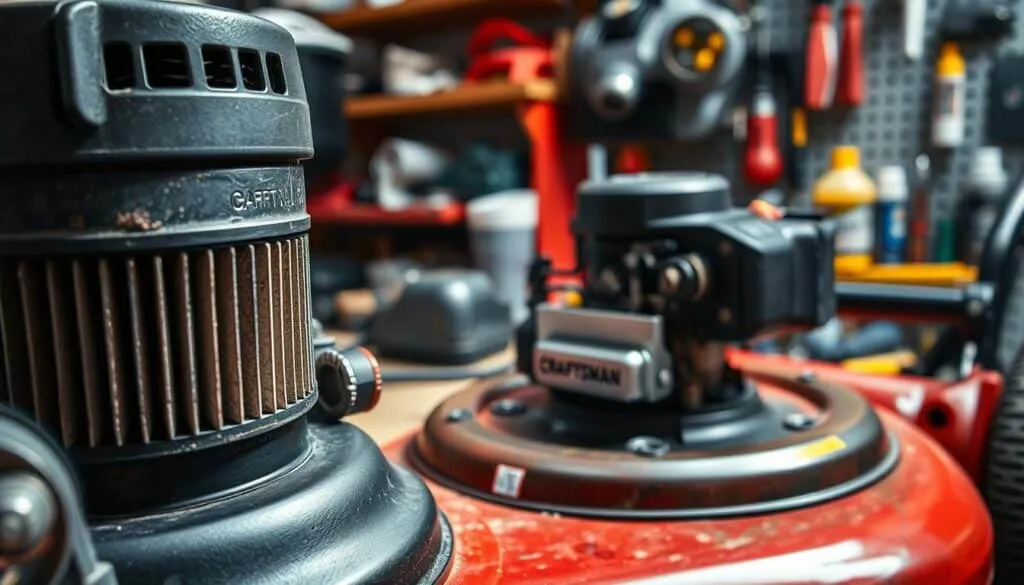
Regular Cleaning and Part Replacements
Your equipment’s performance hinges on clean air and a strong spark. These elements require regular attention.
Inspect the air filter frequently. A clogged filter restricts vital airflow to the engine.
This can cause hard starting and poor performance. Clean or replace this filter every 25 hours of use.
| Component | Maintenance Task | Recommended Frequency | Key Benefit |
|---|---|---|---|
| Air Filter | Clean/Replace | 25 hours or seasonally | Ensures proper combustion |
| Spark Plug | Inspect/Replace | 100 hours or annually | Provides reliable ignition spark |
| Undercarriage | Remove debris | After each use | Prevents engine strain |
| Fuel System | Use fresh gas | Always | Avoids carburetor issues |
Keep a spare spark plug on hand for quick swaps. A fresh plug guarantees a strong spark for easy ignition.
Always use high-quality, fresh gas. Stale fuel is a common culprit behind starting problems.
Clear grass clippings and debris from under the deck after mowing. This simple habit protects your engine from unnecessary strain.
why won’t my craftsman lawn mower start – Troubleshooting Steps
A methodical step-by-step process eliminates guesswork and helps pinpoint the exact issue preventing startup. Begin with basic visual inspections before moving to component testing.
Step-by-Step Diagnostic Process
Start your troubleshooting by checking the simplest potential problems first. Verify battery connections are clean and secure. Ensure the safety switch is properly engaged.
Remove the spark plug using a socket wrench. Inspect it for carbon buildup or electrode wear. Test the plug by grounding it against the engine block while cranking.
Look for a strong blue spark. This indicates proper ignition function. If your equipment has been idle, drain old fuel and replace with fresh gas.
| Priority | Action | Tools Needed | Expected Outcome |
|---|---|---|---|
| High | Check fuel level and quality | None | Fresh gasoline in tank |
| High | Inspect spark plug condition | Socket wrench | Clean electrode, proper gap |
| Medium | Verify battery connections | Multimeter (optional) | Secure, corrosion-free terminals |
| Medium | Check air filter cleanliness | None | Unrestricted airflow |
Simple Fixes You Can Try on Your Own
Many starting problems have straightforward solutions. Replacing the spark plug often resolves ignition issues. Changing stale fuel improves combustion performance.
Cleaning the air filter ensures proper air mixture. These basic maintenance tasks require no special tools. They can restore your mower‘s ability to start reliably.
Document each step you complete. This prevents redundant efforts during future troubleshooting. Systematic diagnosis builds your understanding of equipment systems.
Understanding Carburetor and Engine Issues
When your equipment struggles to start despite proper fuel and spark, the carburetor often holds the answer. This component mixes air and gasoline in precise proportions before delivery to the engine.
Clogged passages disrupt this delicate balance, creating starting difficulties. Understanding these internal systems helps you diagnose persistent problems effectively.
Cleaning and Adjusting the Carburetor
Old gasoline left in the tank forms varnish deposits that clog tiny carburetor passages. These blockages prevent proper fuel flow to the engine.
Begin by turning off the fuel valve or clamping the line. Remove the carburetor from the engine and disassemble it carefully.
Spray all components with carburetor cleaner, ensuring all passages are clear. Reassemble carefully and test with fresh gasoline.
When to Replace Damaged Parts
Cleaning resolves many carburetor issues, but some damage requires replacement. Excessive wear or corrosion indicates replacement time.
Engine compression problems also affect starting performance. Worn piston rings or damaged valves cause compression loss.
| Situation | Recommended Action | Tools Needed | Time Required |
|---|---|---|---|
| Minor varnish buildup | Thorough cleaning | Carburetor cleaner, basic tools | 30-60 minutes |
| Corroded or damaged components | Part replacement | Replacement carburetor, wrench set | 1-2 hours |
| Persistent starting issues | Compression testing | Compression gauge | Professional diagnosis |
| Visible wear on internal parts | Complete replacement | New carburetor assembly | 1-2 hours |
Knowing when to clean versus replace saves time and money. Simple maintenance often restores proper function without major repair.
Engine health directly impacts starting reliability. Address fuel and spark issues first before considering internal engine problems.
Safety Features and Electrical System Check
Electrical continuity is essential for reliable starting, and interruptions in the wiring harness often cause unexpected failures. Your equipment’s safety features work together with the electrical system to ensure proper operation.
These interconnected components must function correctly for the engine to receive the necessary power and spark.
Checking Safety Switches
Modern outdoor equipment includes multiple safety switches that prevent operation when conditions aren’t met. The seat switch, blade engagement lever, and brake pedal must all be in correct positions.
A common problem occurs when seat cushions wear out or shift position. This can cause the safety switch to malfunction even when you’re properly seated.
Testing these switches involves temporary bypassing for diagnostic purposes only. This helps determine if a faulty switch prevents the engine from receiving adequate power.
Inspecting Wiring and Connections
Thoroughly examine the wiring harness for damage from wear or rodent chewing. Any break in electrical continuity stops power from reaching critical components.
Ground connections deserve special attention during inspection. Poor grounding is a frequently overlooked cause of electrical system issues.
Clean corroded connections using electrical contact cleaner. Protect them with dielectric grease to ensure reliable current flow. Check spark plug wires for cracks or looseness that might prevent proper spark generation.
| Safety Component | Function | Common Issues | Inspection Method |
|---|---|---|---|
| Seat Switch | Ensures operator presence | Worn cushion, misalignment | Temporary bypass test |
| Blade Engagement | Prevents accidental activation | Lever position, switch failure | Visual and functional check |
| Brake/Clutch Switch | Requires proper pedal position | Adjustment issues, wear | Position verification |
| Ground Connections | Completes electrical circuit | Corrosion, loose fittings | Continuity testing |
Understanding your equipment’s electrical system helps diagnose whether issues stem from power delivery or mechanical engine problems. When safety switch issues persist, replacement typically resolves the starting difficulty.
Conclusion
Armed with this knowledge, you can confidently tackle most starting challenges your equipment presents. The majority of issues are simple fixes related to stale fuel, a clogged air filter, or a weak spark.
Your systematic troubleshooting approach saves significant time and prevents frustration. Regular care, like changing the fuel filter and ensuring clean air flow, protects your engine.
Knowing when a problem requires professional help is just as important as DIY fixes. This protects your investment from further damage.
Applying these preventive measures ensures reliable performance for many seasons. Your well-maintained machine will be ready whenever you need it.
FAQ
What are the most common reasons a Craftsman mower won’t start?
The most frequent culprits are stale gasoline, a clogged air filter, or a faulty spark plug. Issues with the carburetor, a dirty fuel filter, or a weak battery in electric-start models are also common problems that prevent the engine from turning over.
How often should I replace the spark plug on my lawn mower?
For optimal performance, you should replace the spark plug at least once per mowing season. It’s a good practice to install a new plug each spring. If you experience ignition issues, inspecting and replacing this component is a key troubleshooting step.
Can old gas really prevent my mower from starting?
Yes, old gasoline is a primary cause of starting failure. Gasoline degrades over time, losing volatility and forming varnish that clogs the carburetor and fuel system. Using fresh fuel and a fuel stabilizer for storage is essential for reliable power.
What does the air filter do, and how do I maintain it?
The air filter protects your engine from dust and debris. A clogged filter restricts airflow, causing starting and performance problems. Check it regularly; clean a foam filter or replace a paper one if it’s dirty to ensure proper air supply.
When should I suspect a problem with the carburetor?
Suspect the carburetor if the engine won’t start but you have good spark and fresh fuel. Symptoms often include the smell of gas or a engine that sputters but doesn’t catch. Cleaning this component can often resolve fuel delivery issues.
Are there simple checks I can perform before seeking professional repair?
Absolutely. Always check that the mower’s safety features are engaged, like the blade control lever. Verify the fuel shut-off valve is open. Ensure the battery terminals are clean and tight on electric-start models. These quick checks can save you time and money.