

Is your weekend peace shattered by the roar of a neighbor’s lawnmower at the crack of dawn? For many, this is a frustrating reality. Finding that perfect moment to begin yard work is a common challenge.
This guide tackles the delicate balance between maintaining a beautiful landscape and being a considerate community member. It’s about more than just cutting grass.
Your goal is a healthy, vibrant yard without causing friction with those living nearby. Local noise ordinances, grass health, and simple courtesy all play a role.
Whether your property is in a quiet suburb or a more rural setting, the principles remain similar. This resource provides clear, actionable advice to navigate your weekend lawn care routine effectively.
Key Takeaways
- Balancing lawn health with neighborly respect is crucial for Saturday yard work.
- Local noise ordinances often dictate the earliest permissible start time.
- Mowing at the right time of day promotes healthier grass growth.
- Community expectations can vary significantly between neighborhoods.
- A well-planned mowing schedule helps avoid fines and maintain good relationships.
- Weather conditions are a key factor in determining the ideal mowing window.
Understanding Local Lawn Mowing Regulations
Local legislation plays a crucial role in determining when residential landscaping activities can commence on weekend mornings. These regulations establish clear boundaries for maintaining community peace.
Local Noise Ordinances and Legal Requirements
Municipal noise ordinances provide the primary legal framework governing weekend yard work. Most jurisdictions specify quiet hours to protect residential tranquility.
Typical weekend restrictions begin at 8 to 9 a.m., with evening cutoffs around 8 to 10 p.m. Weekday rules often permit earlier starts at 7 to 8 a.m.
Violating these ordinances can result in significant penalties. Fines range from $100 to $1,000 for initial offenses.
Homeowners’ Association Guidelines
Many communities have additional standards through HOA agreements. These rules frequently exceed municipal requirements.
HOAs may designate specific days or times for landscaping activities. Some establish community-wide maintenance schedules.
Checking both municipal ordinances and HOA guidelines ensures full compliance. This prevents conflicts with authorities and neighbors.
Weather and Lawn Health Considerations
Your lawn’s appearance and vitality are directly influenced by your mowing schedule. Environmental factors play a crucial role in determining the ideal moments for turf maintenance.
Proper timing ensures your grass receives the care it needs to thrive. Weather conditions affect both the quality of your cut and the recovery process.
Managing Dew and Moisture for a Clean Cut
Morning dew presents significant challenges for lawn maintenance. Wet grass clogs mower blades and creates uneven trimming results.
Waiting for complete evaporation ensures a clean, professional cut. This typically occurs between 8 and 9 a.m., depending on local humidity levels.
Cutting damp turf can spread fungal diseases through wet clippings. Dry conditions prevent clumping and promote healthier grass growth.
Optimal Temperature and Sunlight Conditions
Mid-morning offers the best time for mowing from a turf health perspective. Temperatures are mild, and sunlight supports recovery.
The morning sun provides essential energy for photosynthesis resumption. This helps blades heal from cutting stress efficiently.
Late afternoon provides an alternative window as temperatures cool. This avoids the heat stress that can damage freshly cut grass.
| Time Window | Grass Condition | Advantages | Considerations |
|---|---|---|---|
| 8-11 a.m. | Dew evaporated, dry blades | Clean cut, optimal recovery | May conflict with noise ordinances |
| 4-6 p.m. | Cooled from midday heat | Reduced stress on turf | Less recovery time before night |
| Early Morning | Wet with dew | Beat the heat | Uneven cut, disease risk |
| Midday | Dry but stressed | Convenient timing | Heat damage potential |
Understanding these patterns helps you make informed decisions about lawn care. Proper timing prevents common mistakes that undermine turf health.
For specialized situations like overseeding recovery, additional considerations apply. Always prioritize grass health when scheduling maintenance.
what time can you start mowing your lawn on saturday
Saturday presents a special case in the weekly lawn care calendar with distinct social expectations. Weekend mornings carry different significance than weekdays for most households.
The generally accepted time to mow lawn begins around 9 a.m. in residential communities. This balances completing yard work with respect for those sleeping in.
Survey data reveals acceptable weekend mowing times range from 8 to 10 a.m. depending on location. Rural residents show more tolerance for early morning activity than suburban homeowners.
While some areas permit early mow lawn at 8 a.m., starting at 9 demonstrates consideration. Approximately 80% of suburban residents care about early mowing disturbances.
Always verify local regulations before establishing a Saturday routine. Some communities, particularly those with strict HOAs, may require waiting until 10 a.m. or later.
Strategies for a Peaceful Mowing Routine
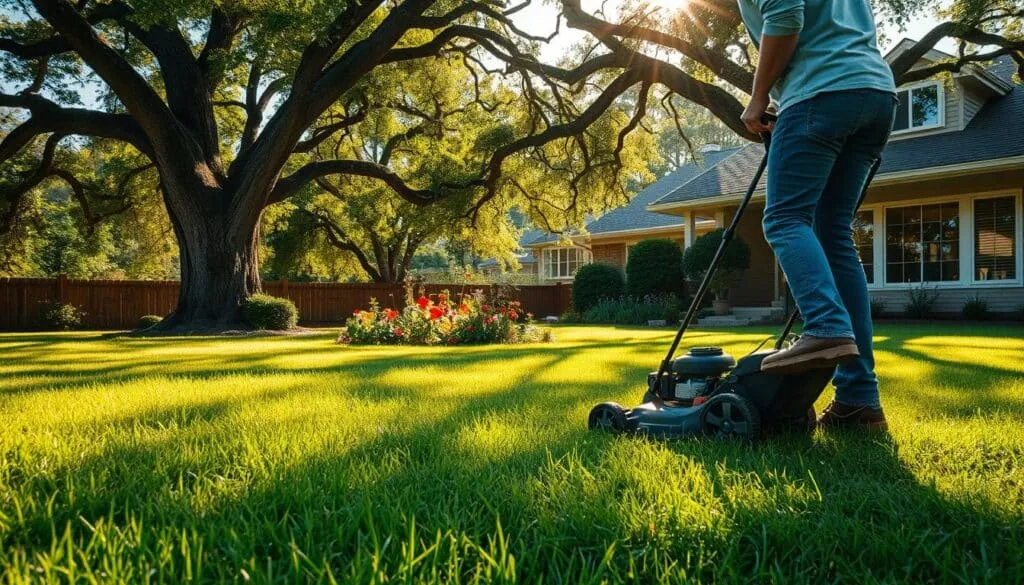
The equipment you choose for weekend yard maintenance significantly impacts neighborhood harmony. Smart tool selection and considerate practices create a win-win situation for everyone.
Choosing the Right Equipment for Quieter Operation
Different mowers produce varying noise levels. Gas-powered riding lawn mower models reach 90-105 decibels, while electric walk-behind options stay much quieter.
Battery-powered tools offer excellent alternatives for reducing disturbance. Regular maintenance like blade sharpening also decreases operational noise.
| Mower Type | Noise Level (dB) | Early Use Acceptability |
|---|---|---|
| Gas Riding Mower | 90-105 | Low |
| Gas Walk-Behind | 80-95 | Medium |
| Electric Mower | 60-75 | High |
| Reel Mower | Under 60 | Very High |
Practicing Neighborly Etiquette
Your proximity to neighbors determines how far noise travels. Closer homes require more consideration when maintaining your grass.
Simple courtesies make a big difference. Avoid mowing near bedroom windows during early hours. Be mindful of households with special circumstances.
Open communication about yard work schedules prevents conflicts. Adjusting your routine by 30-60 minutes shows respect for nearby neighbors.
Planning Your Saturday Lawn Care
A well-organized schedule transforms weekend maintenance from a chore into an efficient routine. Effective planning ensures your turf receives proper attention while respecting community peace.
Checking the weather forecast is the first critical step. You need dry conditions and moderate temperatures for optimal results.
Weekend Scheduling Tips
Mid-to-late morning offers the ideal window for this work. The period between 9 a.m. and 11 a.m. balances legal requirements with turf health needs.
Establishing a consistent routine helps neighbors anticipate activity. This reduces potential annoyance and ensures regular care for your grass.
Building flexibility into your plans is crucial for homeowners. Unexpected rain means rescheduling, as mowing wet grass harms its health.
For those with conflicting commitments, professional services provide an excellent solution. They handle the timing complications while keeping your yard sharp.
| Scheduling Strategy | Best For | Key Advantage | Potential Challenge |
|---|---|---|---|
| Mid-Morning (9-11 a.m.) | Most homeowners | Ideal grass conditions | Weekend social plans |
| Late Afternoon (4-6 p.m.) | Busy schedules | Avoids morning noise | Less recovery daylight |
| Professional Service | Conflict resolution | Expert timing | Additional cost |
| Neighbor Coordination | Community harmony | Shared understanding | Requires communication |
Coordinating with others who maintain their properties on the same day creates benefits. Informal agreements about timing can make the entire area more peaceful.
Reviewing HOA calendars for special events prevents scheduling conflicts. This simple step ensures your care routine remains uninterrupted.
Conclusion
The art of responsible lawn care extends beyond mere grass cutting to encompass community relationships. Balancing your landscaping needs with neighborhood peace requires awareness of multiple factors.
The 9 a.m. guideline serves as a reasonable standard across most residential areas. This timing respects both turf health requirements and community quiet hours.
Homeowners who research local rules and communicate with neighbors establish positive foundations. Understanding specific ordinances prevents conflicts while maintaining healthy grass.
True consideration often means exceeding minimum legal standards. Choosing quieter equipment or adjusting schedules demonstrates genuine respect for those living nearby.
This guide empowers you to maintain your property confidently every weekend. Thoughtful planning ensures your yard work enhances rather than disrupts community harmony.
FAQ
Are there specific legal hours for mowing on weekends?
Yes, many municipalities enforce noise ordinances that set specific hours for using loud equipment like lawn mowers. These rules often allow for a later start on Saturdays, typically around 8:00 or 9:00 a.m., compared to weekdays. Always check your local standards to avoid fines.
Why is early morning mowing often discouraged?
Mowing early, especially before 8 a.m., is discouraged primarily due to noise. Operating a mower during these hours can disturb your neighbors’ sleep. Additionally, morning dew can make the grass wet, leading to an uneven cut and potential clumping.
What is the best time of day for lawn health?
The optimal time for cutting grass is typically late morning or late afternoon. By late morning, the dew has evaporated, giving you a cleaner cut. Late afternoon avoids the intense midday sun, reducing stress on your grass and helping it recover faster.
How can I be a considerate neighbor when mowing?
Practicing good neighborly etiquette is key. Choose quieter equipment if possible and avoid mowing during early morning or late evening hours. A quick chat with adjacent homeowners about your planned schedule can also go a long way in maintaining good relations.
Do homeowners’ associations have their own rules?
Absolutely. Many HOAs have specific guidelines that may be stricter than local ordinances. These rules can dictate acceptable work hours, types of tools, and even yard care standards. Review your HOA’s covenants to ensure compliance.