
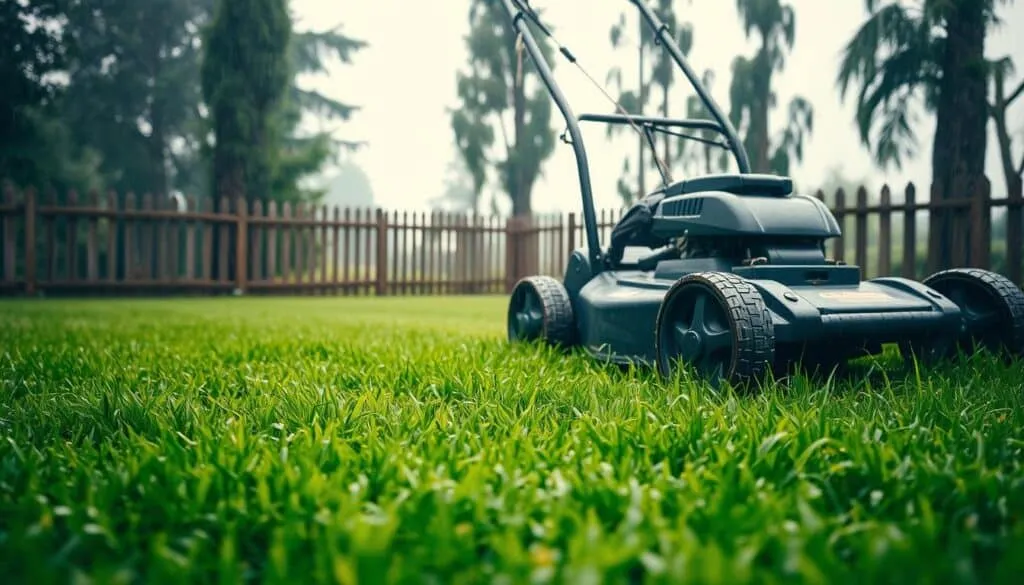
Ever stepped outside after a rain shower, looked at your overgrown yard, and wondered if you should just get the job done? Many homeowners face this exact dilemma. Tackling a soaked lawn might seem like a time-saver, but it often leads to more problems than it solves.
Working on a drenched lawn creates several issues. The moisture causes grass blades to bend and clump together. Your equipment may struggle to make a clean cut, resulting in a ragged, uneven trim. This can weaken your turf and leave it vulnerable.
Furthermore, the soggy ground is soft and easily compressed by the weight of a mower. This compaction harms the soil structure, making it harder for roots to get air and water. The damp conditions are also ideal for spreading fungal diseases across your property.
This guide will explore the risks and provide practical solutions. You will learn why waiting for drier conditions is the best approach for a healthy, beautiful yard. We will also cover what to do if you absolutely must handle a wet situation.
Key Takeaways
- Mowing on a soaked lawn often causes tearing and uneven cuts, damaging the turf.
- Wet conditions can lead to soil compaction, harming root health.
- Damp grass clippings are more likely to spread lawn diseases.
- Operating machinery on slippery ground presents a safety risk.
- Allowing the lawn to dry first is the recommended best practice.
- Special techniques can help if mowing wet grass becomes unavoidable.
Understanding the Risks of Mowing Wet Grass
After a downpour, your yard maintenance routine may seem urgent, but rushing can lead to significant problems. The moisture creates conditions that compromise both your equipment’s performance and your turf’s health.
Damage to Grass Blades and Lawn Appearance
Working on saturated turf causes individual grass blades to tear rather than cut cleanly. This creates ragged edges that quickly turn brown. Your lawn’s appearance suffers immediately.
The water weight causes blades to bend and lay flat. Your mower blades miss many stems entirely during cutting. This results in an extremely uneven, patchy look across your property.
Once the turf dries and stands upright, the uneven cutting becomes obvious. You may need to mow again to achieve uniform appearance. This wastes both time and effort.
Potential for Soil Compaction and Disease
Torn blades and wet clippings create ideal conditions for fungal diseases. Serious infections can damage large sections of your lawn. The risk increases significantly with moisture.
When clippings cling to equipment, fungal spores grow on the mower deck. These contaminants spread during your next session. Previously healthy areas become vulnerable.
Soil compaction occurs when machinery presses down on saturated ground. This compression reduces air pockets that roots need. The result can be thin growth or visible ruts.
Effects of Wet Conditions on Grass and Soil
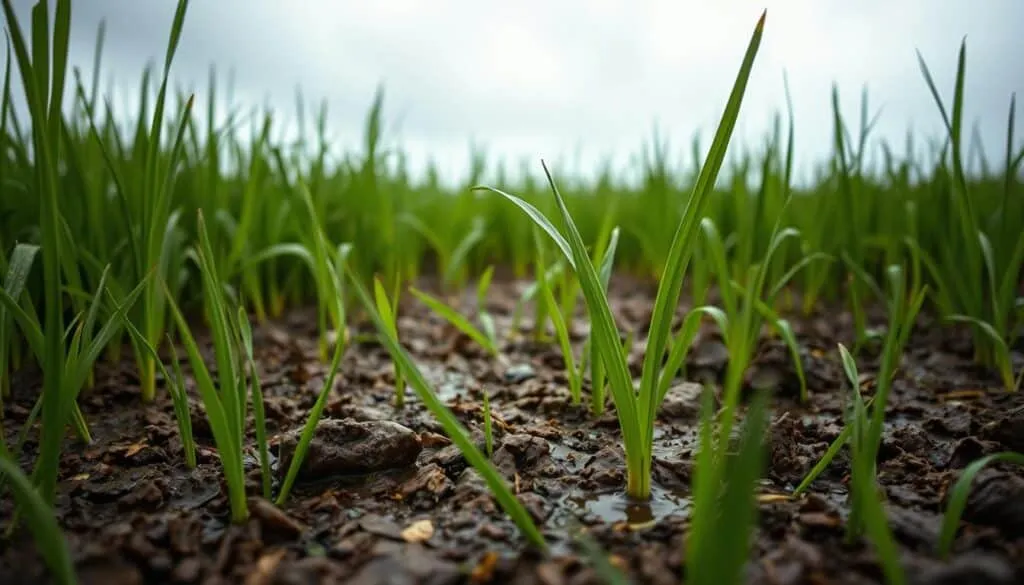
Saturated turf conditions present challenges that extend far beyond simple inconvenience. The moisture affects both your lawn’s appearance and its fundamental health beneath the surface.
Impact on Soil Drainage and Compaction
Operating machinery on wet soil causes serious compaction problems. The weight presses soil particles together, eliminating air pockets that roots need.
This compression creates a hard surface layer that prevents proper drainage. Waterlogging becomes a persistent issue, creating poor growing conditions for your grass.
Severe compaction requires core aeration to remove soil plugs. This allows air, water, and nutrients to reach the root zone again.
Increased Likelihood of Lawn Diseases
Damp environments significantly raise disease risks. Fungal spores thrive in moist conditions and spread through torn grass tissue.
Common problems include brown patch, dollar spot, and rust disease. These create discolored patches and can devastate entire lawn areas.
Disease spores cling to equipment and transfer during mowing. This creates an infection cycle that spreads throughout your property.
Timing Your Mowing After Rain or Dew
Choosing the perfect moment to cut your lawn following rain or dew is crucial for its health. Rushing the process leads to poor results. Patience ensures a superior cut and protects your turf.
Ideal mowing conditions occur on cool, dry days. Mid-morning or late afternoon are often the best times. This avoids morning dew and evening moisture.
Determining When the Lawn Is Dry Enough
Simple tests help you decide if your property is ready. The touch test is a reliable method. Run your hand across the blades; if they feel damp, postpone your work.
Another effective check is the shoe test. Walk across the area and examine your footwear. Damp shoes indicate the need for more drying time.
A visual inspection identifies problem spots. Look for areas where water pools. These sections will need extra time before you proceed.
Best Practices: After Light Rain vs. Heavy Rain
The amount of rainfall determines the necessary waiting period. Light showers require less delay than heavy downpours. The table below outlines the key differences.
| Rainfall Type | Recommended Wait Time | Key Consideration |
|---|---|---|
| Light Rain or Dew | 2 to 5 hours | Blades and surface soil need to dry. |
| Heavy Rain | 24 hours or more | Soil must drain and regain firmness. |
Following these guidelines protects your lawn from damage. It also makes the cutting process much safer and more effective. Always prioritize dry conditions for the best outcome.
can i mow the grass when it’s wet: Weighing the Options
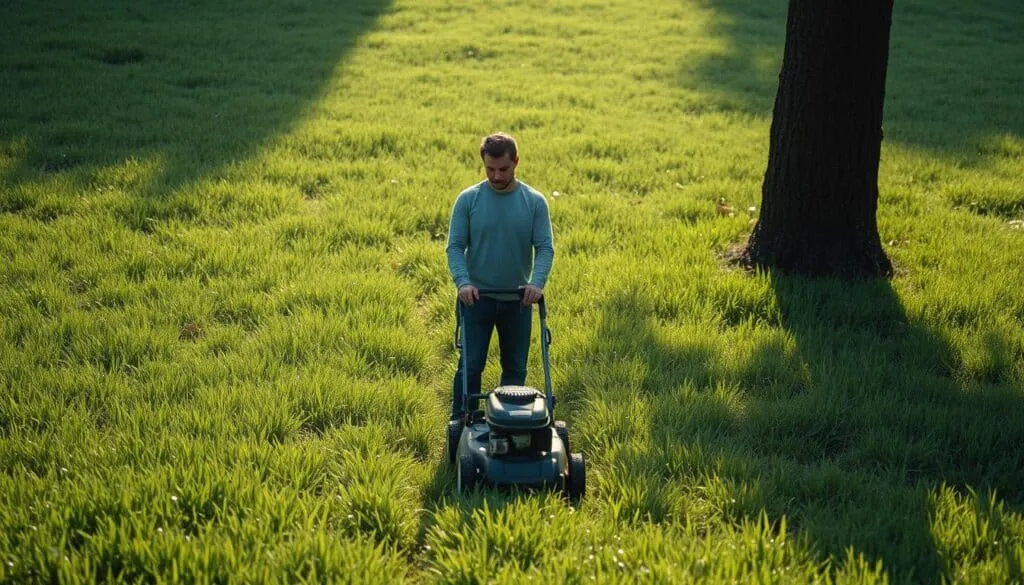
There are valid reasons you might find yourself needing to cut your lawn despite recent moisture. Extended rainy spells create a tough choice. Do you risk damaging your turf or let it grow unmanageably tall?
This decision is rarely black and white. Research from Purdue University offers crucial insight into this common dilemma.
While mowing dry grass is ideal, it’s better to cut slightly wet grass than let it grow excessively high.
Overgrown turf develops weak stems and shades lower growth. This makes it more vulnerable to pests and disease. Sometimes, cutting wet grass is the lesser of two evils.
Risks vs. Necessity in Wet Conditions
Your geographic location heavily influences this decision. Homeowners in the Pacific Northwest face this regularly. Those in arid climates rarely encounter such prolonged wet conditions.
The table below contrasts the core considerations for this difficult choice.
| Situation | Primary Risk | Primary Benefit |
|---|---|---|
| Mowing Damp Turf | Potential for tearing, disease spread, and soil compaction. | Prevents grass from becoming too tall and unhealthy. |
| Waiting for Dryness | Lawn may become overgrown, weak, and difficult to cut later. | Ensures a clean cut and protects the long-term health of your property. |
This choice should not be made for mere convenience. Only proceed if forecasts show no break in rain and your turf height is becoming problematic. Understanding these reasons helps you prepare properly for the task ahead.
Mowing Techniques and Adjustments for Wet Conditions
Sometimes circumstances force your hand, requiring you to operate your equipment on a saturated lawn. While not ideal, specific techniques can significantly improve the outcome. Proper preparation and careful execution are your best allies.
These tips focus on protecting your turf and your machinery. They help minimize the inherent risks of mowing wet turf.
Adjusting Mower Height and Speed
The first critical adjustment is to raise the cutting height. Set your mower to its highest setting. This reduces strain on the engine and the grass.
Following the one-third rule is essential. Remove only the top portion of the blade. This prevents shocking the plant.
Speed is another vital factor. Move at half your normal pace. A slower speed allows the blades to cut more effectively and reduces clumping.
Importance of Sharp Blades and Maintenance
Sharp mower blades are non-negotiable for cutting wet turf. A dull edge will tear and shred the grass, inviting disease. A sharp edge creates a cleaner slice.
Regular maintenance becomes even more critical. Moisture accelerates blade dulling. Inspect and sharpen your blades frequently throughout the season.
Key preparation steps include:
- Sharpen blades before starting for a clean cut.
- Raise the mower height one or two settings above normal.
- Plan for a slow, deliberate mowing pace to improve cut quality and safety.
Combining these tips creates the best possible scenario for a necessary task. The result will be superior to an unadjusted approach.
Choosing the Right Mower for Wet Grass
Different mower types handle saturated lawns with varying degrees of success and safety. Your equipment selection significantly impacts both cutting quality and potential damage to your property.
Gas-powered models offer superior performance in damp conditions. They provide significantly more torque than electric alternatives, reducing engine strain when processing heavy clippings.
Self-Propelled and Gas-Powered Options
Self-propelled lawn mowers ease physical effort by powering their own movement. This feature helps maintain consistent speed on slippery surfaces.
Heavier models, however, increase soil compaction risk on saturated ground. Choose lighter push mowers if the terrain feels spongy from waterlogging.
Key considerations include:
- Gas-powered mowers handle wet grass better due to higher torque
- Avoid corded electric models entirely due to shock hazards
- Battery-powered options struggle with heavy, damp clippings
Considerations for Robotic Mowers
Most robotic mowers include moisture sensors that prevent operation during wet conditions. This protects both your equipment and lawn health.
Advanced models designed for wet weather performance exist but remain limited. They typically handle light moisture rather than truly saturated conditions.
Riding mowers should be completely avoided on damp lawns. Their substantial weight creates deep ruts and severe compaction.
Practical Tips for Managing Wet Grass Clippings
Handling the aftermath of cutting a damp lawn requires specific strategies to prevent clumping and clogging. Your choice of discharge method and diligent cleaning are critical for a successful outcome.
Choosing how to handle wet grass clippings directly impacts your mower’s performance. The wrong method leads to frequent stops and potential damage.
Side Discharge vs. Bagging Methods
Side discharge is the superior option for damp conditions. It propels clippings away from the mower deck, minimizing buildup.
Bagging or mulching often fails with heavy, damp grass. Clippings stick together, rapidly filling the bag with soggy weight or clogging the mulching system.
| Method | Best Use | Key Advantage |
|---|---|---|
| Side Discharge | Damp or wet grass | Prevents clogs under the deck |
| Bagging | Dry conditions only | Provides a clean finish |
| Mulching | Dry conditions only | Recycles nutrients |
Clearing Clumps to Prevent Clogging
Even with side discharge, some accumulation under the deck is inevitable. Stopping periodically to clear the mower deck is essential.
Applying a non-stick spray to the underside of the deck before you start helps wet grass slide off more easily. This simple step reduces cleaning frequency.
Rake any clippings left in clumps on the lawn after you finish. This allows sunlight and air to reach the turf below, protecting your lawn’s health.
Safety Measures When Mowing in Wet Conditions
Your personal safety becomes the highest priority when tackling yard work on a saturated lawn. The slick surface creates a significant risk of slips and falls. Proper preparation is essential for navigating this hazardous area.
Personal Protective Gear and Non-Slip Footwear
Before starting, equip yourself with the right gear. Sturdy, non-slip boots are non-negotiable for traction on wet grass. Avoid smooth-soled shoes that offer no grip.
Wearing protective eyewather guards against flying debris. Long pants also provide a layer of protection. These simple steps drastically reduce your risk of injury.
- Safety glasses or goggles
- Sturdy work boots with deep treads
- Long, durable pants
- Work gloves for a secure grip
Handling Slopes and Uneven Terrain Safely
Slopes and hills become extremely dangerous when damp. The combination of slippery turf and gravity increases the risk of losing control of your mower. Avoid any incline steeper than 15 degrees.
Uneven ground with hidden ruts or roots presents a major tripping hazard. Walk the area first to identify potential dangers. Mowing wet turf on such terrain requires extreme caution.
For better stability on slopes, mow diagonally across the hill. This technique improves your balance. A self-propelled mower also helps maintain control on challenging slopes.
Always maintain a firm, two-handed grip. Never mow in reverse, as this increases the chance of slipping. If you feel unstable, stop immediately to prevent an accident.
Conclusion
The decision to work on damp turf involves weighing immediate needs against long-term consequences. While mowing wet grass might seem convenient, the potential damage to your lawn outweighs any temporary benefits.
Establishing a firm rule to only perform cutting wet grass when absolutely necessary protects your property. These tips help prevent soil compaction and diseases that thrive in moist conditions. Your grass will thank you for waiting until drier weather.
Remember that professional services offer expertise for challenging mowing situations. Your lawn’s health depends on smart choices during wet periods. Following these guidelines ensures a vibrant, disease-free landscape.
FAQ
What are the main risks of cutting wet grass?
The primary risks include tearing the grass blades instead of cutting them cleanly, which can lead to a brown, ragged lawn appearance. You also risk causing soil compaction from the mower’s weight and creating an environment where diseases like brown patch can thrive.
How does mowing on wet soil affect my lawn’s health?
Mowing on wet soil can severely compact the ground, reducing air pockets and drainage. This compaction makes it harder for water and nutrients to reach the grass roots. The excess moisture also promotes fungal diseases that can damage your lawn.
How long should I wait to mow after it rains?
It’s best to wait until the grass is completely dry. After a light rain, this might take a few hours. Following a heavy downpour, you may need to wait a full day or more for the lawn and soil to dry sufficiently.
Is it ever necessary to cut wet grass?
Sometimes, you must mow wet due to time constraints or persistent wet weather. If you proceed, take extra precautions. Use a sharp blade, set your mower deck to a higher cutting height, and move slowly to minimize damage and strain on the engine.
What adjustments should I make to my mower for wet conditions?
Raise the cutting height to reduce stress on the grass. Operate at a slower speed to prevent clumping and ensure a cleaner cut. Most importantly, ensure your mower blades are sharp to avoid tearing the wet grass blades.
Are some mowers better for handling wet grass?
Self-propelled, gas-powered mowers often provide more torque and power to handle the extra strain of wet grass clippings. Robotic mowers, however, are generally not designed for wet conditions and can lose traction or clog easily.
How should I handle the wet grass clippings?
Bagging the clippings is often the best method to prevent heavy clumps from smothering the lawn. If you use a side discharge, make multiple passes to spread the clippings thinly. Always clear the mower deck after use to prevent rust and clogging.
What safety gear is essential for mowing wet lawns?
Wear non-slip footwear to maintain stability on slippery surfaces. Use eye protection from debris and hearing protection due to the increased engine strain. Be extremely cautious on slopes and uneven terrain to avoid slips and falls.